Table of Contents
By the time fall arrives, most gardeners are done. You’ve harvested, dealt with pests, fought the weather, and now the energy is gone. You just want to leave the garden as it is and move on. That’s exactly where most people get it wrong. Because what you do in the next few weeks quietly decides how your garden performs next season. Not fertilizers. Not seeds. Not tools. Preparation.
Winterizing your garden isn’t about cleaning things up for the sake of it. It’s about setting up your soil, your plants, and your entire system so that spring becomes easier, faster, and more productive. If you do this right, you don’t “restart” your garden next year.
You continue it. Let’s break it down step by step.
When Should You Start Winterizing Your Garden?
Timing is where most people mess up. If you do it too early, maybe you interrupt active growth. If you do it too late, the frost locks everything in place. Here’s the practical rule:
- Start after your main harvest is done
- Finish before your first hard frost
- Spread tasks over 2–3 weeks instead of rushing everything
You don’t need perfect timing. You need awareness. Just watch the following points around your yard:
- Night temperatures dropping
- Soil starting to cool
- Plants slowing down naturally
That’s your signal.
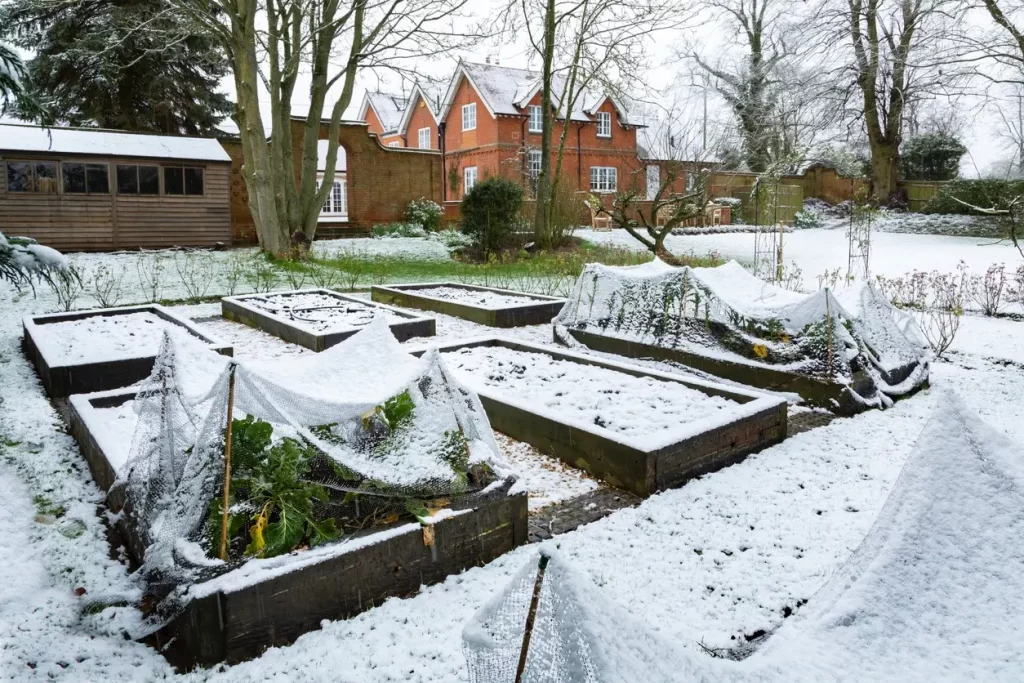
The Fall Gardening Checklist (What Actually Matters)
Clean Up Your Garden — But Keep It Strategic
Start with cleanup, but don’t treat it like a deep cleaning exercise. Your goal is simple: remove risk, not life.
Diseased plants, pest-infested crops, and completely dead annuals should go. These are the main sources of overwintering problems. Many pests and pathogens survive the cold by hiding in plant debris, which is why selective removal matters. But here’s where most gardeners go wrong. They strip everything down to bare soil. That actually weakens your garden. Leaving behind some stems and organic matter creates habitat for beneficial insects and protects soil structure. A completely “clean” garden is often biologically dead going into winter.
So the rule is simple: Keep anything that supports soil and ecology. Remove anything that spreads problems
Stop Treating Leaves Like Waste
Leaves are one of the easiest ways to improve your garden, yet most people throw them away. That’s a mistake. Instead of removing them, use them as a resource. Shredded leaves can act as mulch, compost material, or insulation for your soil. They help regulate temperature and slowly break down into organic matter, which improves soil health over time. But don’t overdo it. A thick, wet layer sitting on your lawn blocks airflow and creates fungal problems. So manage it properly. Spread it, chop it, or compost it. Don’t just dump it.
Feed Your Soil Before Winter
This is one of the highest leverage moves you can make. Fall is not the time to push plant growth. In fact, adding fertilizer late in the season can do more harm than good because it encourages new growth that won’t survive winter. Instead, focus on feeding the soil. Adding compost or organic matter now gives it months to break down. By the time spring arrives, nutrients are already available, and microbial activity is active instead of starting from zero. If you want to go one level deeper, this is also the time to:
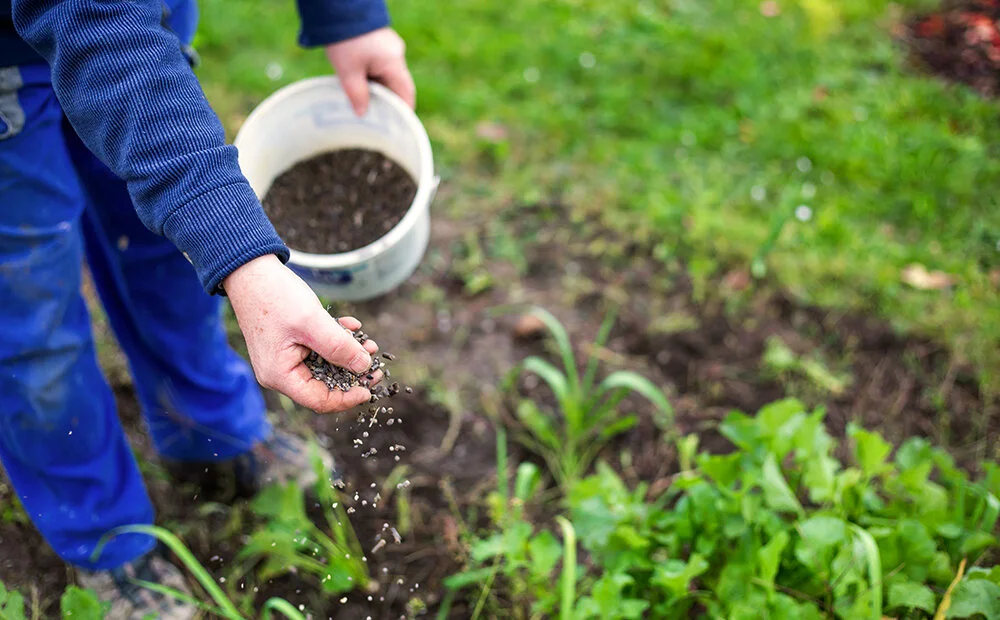
- Test your soil
- Add amendments
- Even plant cover crops
Think of it as preparing the engine before the next season, not just parking the car.
Mulch — The Simplest Way to Protect Your Garden
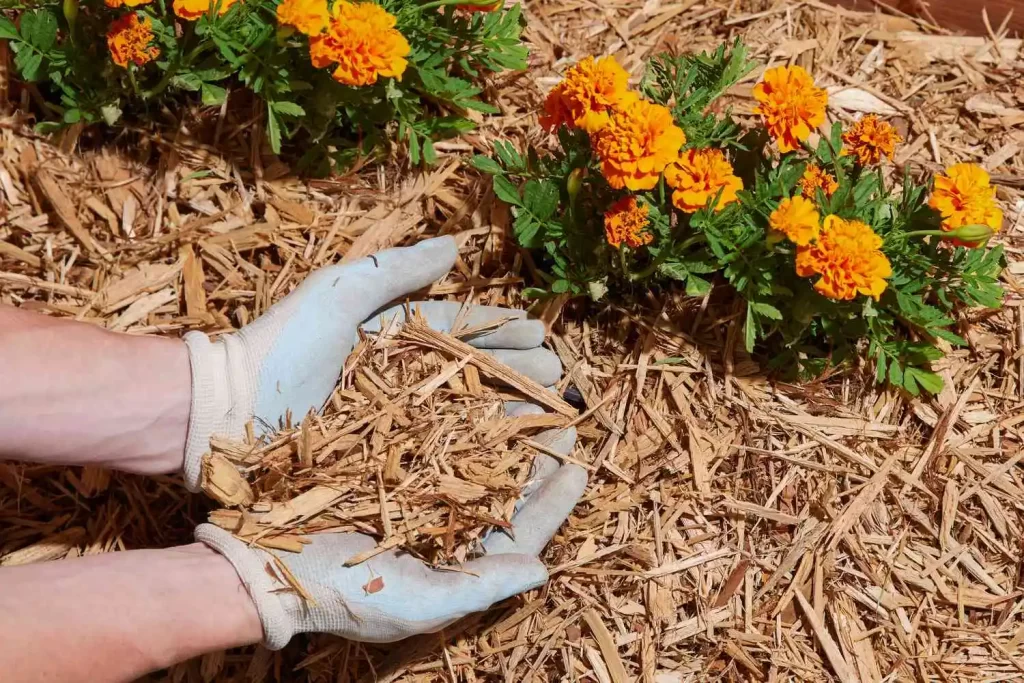
Mulching is often misunderstood. It’s not just about protecting plants from cold. It’s about stabilizing the entire soil environment. A good mulch layer reduces temperature swings, prevents moisture loss, and protects roots from freeze-thaw cycles. Without it, your soil expands and contracts repeatedly, which damages root systems over time. Use simple materials like straw, shredded leaves, or bark. Apply it after the soil cools but before hard frost sets in.
Too early, and you trap heat. Too late, and you lose the benefit. Timing matters more than the material.
Handle Your Plants Based on Type
Different plants need different strategies going into winter. Annuals are straightforward. Once they’re done, remove them and compost anything healthy. Diseased plants should be discarded, not recycled.
Perennials require more judgment. You don’t need to cut everything back. In fact, leaving some structure helps protect crowns and supports beneficial insects. Over-pruning at the wrong time can even trigger unwanted growth, which then gets damaged by cold.
Trees and shrubs need a different focus altogether. What matters most here is moisture. Deep watering before the ground freezes ensures roots don’t go into winter stressed and dry. This single step prevents a lot of winter damage that people mistakenly blame on temperature.
Prepare Your Vegetable Beds
Your vegetable beds are where small actions now create big results later. Once crops are removed, don’t leave the soil exposed. Add compost, cover it with mulch, and let it rest properly. Bare soil loses nutrients, structure, and microbial life during winter. If you want to go further, fall is also a good time to plant certain crops like garlic or cool-season vegetables. This turns your garden from seasonal to continuous. Even if you don’t plant anything, just protecting and feeding the soil here will noticeably improve your next growing cycle.
Clean and Store Your Tools
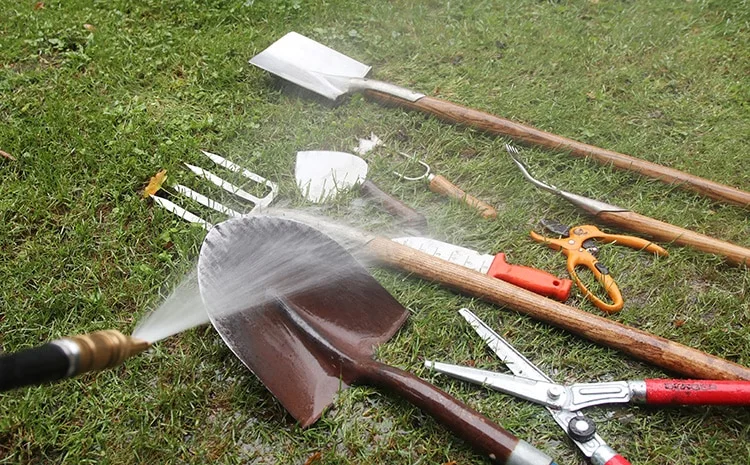
This is not exciting work, but it’s practical. Leaving tools dirty or exposed leads to rust, damage, and unnecessary replacement costs. Fall is the right time to clean, repair, and store everything properly. The same applies to irrigation systems. Any water left inside pipes or hoses can freeze and cause cracks or long-term damage. This is one of those small efforts that saves money and time later.
Don’t Forget the “Non-Garden” Garden Work
Winterizing isn’t just about plants. Anything exposed to water and cold needs attention. Containers, for example, are often overlooked. Many materials crack under freezing conditions if they’re left full of soil or water. Outdoor systems like irrigation or water features also need to be drained and protected.
It’s simple logic. If water freezes, it expands. If it expands inside something, it breaks it.
What NOT to Do When Winterizing Your Garden
Let’s keep this simple. Avoid these mistakes:
- Over-cleaning your garden
- Leaving soil bare
- Ignoring watering
- Pruning aggressively at the wrong time
- Walking on frozen soil
Each of these either damages structure or weakens next season’s growth.
A Smarter Way to Think About Winterizing
Here’s where we go beyond the checklist. Most people treat winterizing as a task. It’s not. It’s a system reset. If you approach it like this, everything changes.
1. Build a “Low-Effort Spring Garden”
Ask yourself: “What can I do now so I don’t struggle in March?”
Examples:
- Pre-label beds
- Plan crop rotation
- Organize tools
2. Use Winter to Build Soil, Not Pause
Winter is not downtime. It’s slow-time. That’s when:
- Organic matter breaks down
- Microbial activity continues
- Soil structure improves
If you feed your soil now, it works quietly for months.
3. Support Wildlife (It Pays You Back Later)
This is not just ecological talk. It’s practical. If you leave some stems, Leaf litter, and natural cover, you support pollinators and beneficial insects, which means Better pollination and fewer pests next season. That’s a direct return.
Quick Fall Gardening Checklist (Save This)
If you want it simple, here it is:
- Remove diseased plants
- Compost organic waste
- Mulch beds
- Add compost to soil
- Water deeply before freeze
- Cut back selected plants
- Store tools and equipment
- Drain irrigation systems
- Prepare raised beds
- Protect sensitive plants
That’s your core system.
Most gardeners treat fall like the end of the season. It’s not. It’s the point where you either lock in next year’s success or quietly set yourself up for problems you’ll deal with later. You don’t need perfection. You don’t need to follow every single technique. But if you focus on the fundamentals, protecting soil, managing organic matter, and preparing your system, your garden won’t just survive winter. It will come back stronger, faster, and easier to manage. And once you experience that shift, you stop seeing winterizing as a chore. You start seeing it as your advantage.