Table of Contents
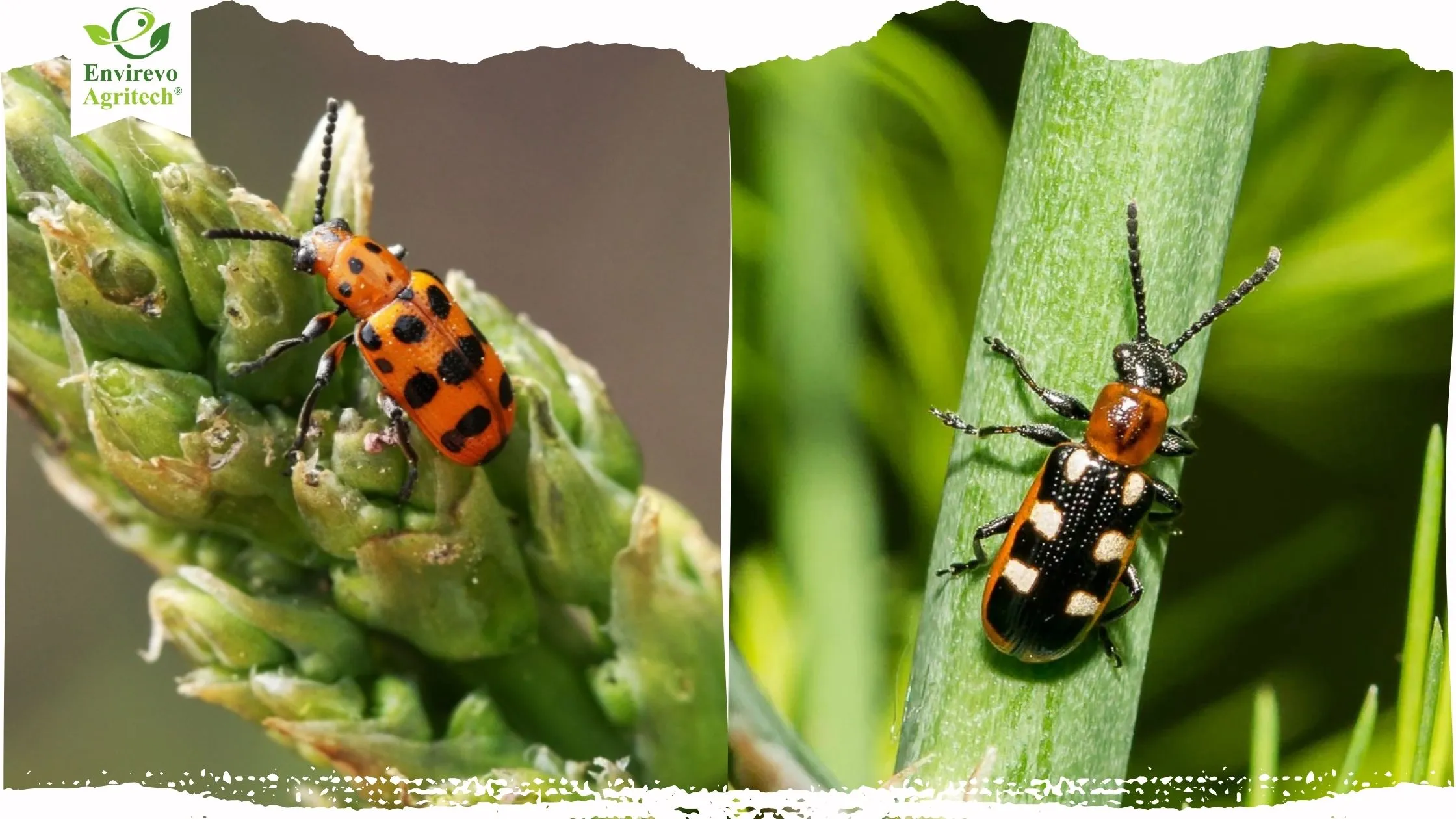
As spring warms the soil and asparagus spears thrust toward the sun, your patch may attract more than eager harvesters—it may draw the Common Asparagus Beetle (Crioceris asparagi) and the Spotted Asparagus Beetle (Crioceris duodecimpunctata), two voracious pests that can cripple both spear quality and fern health. Left unchecked, outbreaks of these beetles not only reduce immediate yields but weaken the crown over time, inviting secondary diseases like Fusarium wilt.
Most pesticide-only approaches fail to deliver sustainable, long‑term control and risk disrupting beneficial insect populations. Instead, follow an Integrated Pest Management (IPM) philosophy—combining diligent monitoring, manual removal, cultural sanitation, biological allies, targeted organic treatments, and judicious, minimal chemical use. This multifaceted strategy maximizes efficacy, protects beneficials, and safeguards human health and the environment.
Asparagus Beetle Identification & Lifecycle
Spotting the Culprits
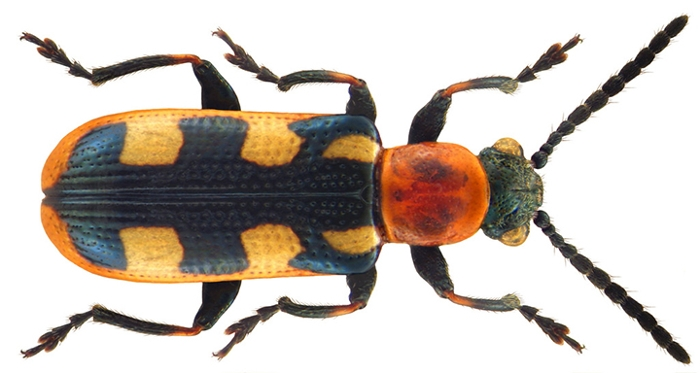
- Common Asparagus Beetle (Crioceris asparagi)
- Adult: 5–7 mm long; glossy dark blue‑black wing covers edged with six creamy yellow–white spots.
- Larva: Gray‑brown, slug‑like, up to 12 mm, often found on the ferns feeding.
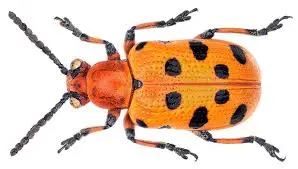
- Spotted Asparagus Beetle (C. duodecimpunctata)
- Adult: Orange‑red wing covers with 12 round black spots; body shape similar to the common beetle but brighter.
- Larva: Feed almost exclusively on berries, posing less damage to spears but reducing seed set.
Lifecycle & Seasonal Dynamics
- Overwintering Adults: In garden debris, asparagus crowns, and nearby wooded edges.
- Spring Emergence (Early May in Temperate Zones): Adults fly to new asparagus growth, begin feeding and mating.
- Egg Laying: Females deposit up to 100 eggs per season in clusters along spears and ferns.
- Larval Development: Eggs hatch in 5–10 days; larvae feed for 2–3 weeks, then drop to pupate in the soil.
- Pupal Stage & New Generations: Pupae develop in loose soil for 10–15 days. Two to five generations may occur per growing season, with later generations feeding on berries and ferns.
Understanding peak emergence times and generational cycles is critical for timing scouting and interventions to catch populations before they explode.
Monitoring & Action Thresholds
Effective control begins with proactive scouting rather than reactive spraying. Regular monitoring helps you catch low‑level infestations, evaluate control efficacy, and apply treatments only when necessary.
Scouting Methods
- Frequency: Begin weekly checks in early May; increase to twice weekly in June–July when beetle pressure peaks.
- Sampling: Walk the patch in a “Z” or “W” pattern. Inspect spears and ferns at eye level, examining both surfaces for adults, larvae, and eggs.
- Record Keeping: Note date, pest density (adults per 20 plants), and damage symptoms. This data informs future threshold decisions and timing adjustments.
Action Thresholds
- Home Gardens: Six to eight beetles (adults + larvae) per 20 plants warrants control measures.
- Commercial Fields: Five percent of spears with eggs or frass, or two percent with feeding scars, triggers interventions.
- Notes on Thresholds: Adapt thresholds based on the health of your asparagus stand. Younger plantings may sustain less damage; more vigorous crowns can tolerate slightly higher levels.
By strictly adhering to thresholds, you avoid unnecessary treatments and preserve beneficial insect communities.
Manual & Cultural Controls
Handpicking Adults, Larvae & Eggs
- Timing: Early morning or late afternoon when beetles and larvae are less active.
- Method: Wear disposable gloves; remove adults, larvae, and egg clusters by hand or with fine‑tipped pruning shears.
- Disposal: Drop pests into a bucket of soapy water to ensure mortality. Do not toss them onto the soil, where they can rebound.
Crop Sanitation
- Fall Cleanup: After ferns yellow, mow or cut them to ground level; remove and burn or deeply compost debris to eliminate overwintering sites.
- Spring Cleaning: Before new spears emerge, rake around crowns to disturb overwintering adults; collect and dispose of any live insects.
Edge Trap Crops & Harvest Practices
- Edge Ferns: Allow a row of ferns on the windward or wooded edge to grow unchecked, attracting emerging adults away from the main crop. Treat or remove these ferns when beetle numbers peak.
- Frequent Harvesting: Harvest spears every two to three days during peak season to reduce egg-laying surfaces—fewer spears exposed means fewer sites for females to lay eggs.
These labour-intensive methods pay dividends by keeping beetle populations in check without chemicals.
Biological Controls & Beneficial Allies
Egg Parasitoids
- Tetrastichus asparagi: A tiny wasp that lays eggs inside asparagus beetle eggs, killing host eggs before hatching.
- Efficacy: Can parasitize up to 75% of eggs in well‑established releases.
- Release: Available from commercial insectaries; release in spring when beetles first emerge.
Predatory Insects & Birds
- Lady Beetles & Lacewings: Generalist predators, feed on eggs and early larvae. Lacewings and ladybugs find asparagus beetles delicious! They will also eat squash bugs and other garden predators. A recent Google search for “where to buy lacewings and ladybugs” produced 264,000 results.
- Ground Beetles & Spiders: Hunt larvae and adults on ferns and soil surface.
- Birds: Robins, starlings, and sparrows glean adults and larvae from ferns.
- Attraction: Provide diverse flowering plants, water sources, and beetle banks to support beneficial populations year‑round.
Beneficial Nematodes
- Steinernema carpocapsae: Can reduce pupal survival when applied as a soil drench in late summer and fall.
- Application: Follow label rates; irrigate soil before and after application to ensure nematode movement.
Integrating multiple biological agents fosters a self‑sustaining system that suppresses beetles without constant inputs.
Companion Planting & Trap Cropping
Repellent and Beneficial Plants
- Marigolds (Tagetes spp.), Basil, Chives, Tansy: Emit odors that deter egg-laying females.
- Nasturtium & Salvia: Provide habitat for predatory insects and pollinators.
Trap Cropping Strategies
- Volunteer Asparagus or Older Cultivars: Plant along one border to concentrate beetles in a known location.
- Treatment: Spot-spray, hand‑pick, or apply organic controls exclusively to trap border, sparing the main crop.
Thoughtful garden design transforms margins into pest management tools, reducing inputs on your primary harvest zone.
Organic & DIY Sprays
OMRI-Certified Pesticide
OMRI-certified products are approved for use in USDA-certified organic production systems. These pesticides are derived from natural substances and are evaluated for environmental safety, toxicity to non-target species, and residual impact.
Recommended OMRI-Listed Pesticides for Asparagus Beetle Control
1. Spinosad-Based Products
- Common Brands: Monterey Garden Insect Spray, Captain Jack’s Deadbug Brew (Bonide)
- Mode of Action: Spinosad targets the nervous system of insects, causing hyperactivity, paralysis, and death.
2. Pyrethrin-Based Sprays (OMRI-approved formulas only)
- Common Brands: PyGanic® Gardening
- Mode of Action: A botanical insecticide derived from chrysanthemum flowers. It targets insect nerve systems, providing quick knockdown of adults.
3. Insecticidal Soap (Potassium Salts of Fatty Acids)
- Common Brands: Safer® Brand Insect Killing Soap
- Mode of Action: Breaks down insect cell membranes, causing dehydration and death—best for larvae and soft-bodied pests.
Neem Oil
- Mode of Action: Azadirachtin disrupts insect hormonal systems, deterring feeding and reproduction.
- Application: 0.5–1% solution; spray underside of fronds weekly. Avoid applications during peak beneficial activity (mid‑day).
Diatomaceous Earth & Insecticidal Soap
- Diatomaceous Earth: Apply a light dusting at fern bases; abrasive particles puncture insect cuticle on contact.
- Insecticidal Soap: 2% solution; effective against soft‑bodied larvae but limited residual activity—best for early‑season use.
Homemade Garlic/Hot Pepper Sprays
- Recipe: Blend 2 whole garlic heads, 2 hot peppers, soak in 1 L water overnight, strain, and dilute 1:10; add a few drops of dish soap.
- Caveat: Non‑selective—can irritate beneficial insects if overused. Spot‑treat beetle hotspots.
Organic sprays complement manual and cultural methods, buying time before beetles multiply uncontrollably.
Chemical Control (Use Sparingly)
When beetle pressure exceeds action thresholds despite IPM tactics, minimal, targeted chemical applications can rescue a threatened crop. Always follow label directions, respect Pre-Harvest Intervals (PHI), and wear appropriate Personal Protective Equipment (PPE).
Approved Insecticides
| Active Ingredient | Mode of Action | PHI (Days) | REI (Hours) | Notes |
|---|---|---|---|---|
| Spinosad | Neural toxin | 1 | 4 | Low toxicity to beneficials if used evenings. |
| Pyrethrins | Nerve membrane disruptor | 0–3 | 12 | Broad spectrum; avoid overuse. |
| Carbaryl (Sevin) | Cholinesterase inhibitor | 3–7 | 24 | High kill rate; detrimental to bees. |
| Permethrin | Sodium channel disruptor | 7–14 | 24 | Use on lower foliage only. |
| Acetamiprid | Nicotinic receptor agonist | 0–3 | 12 | Minimal bee impact if applied at dusk. |
PHI (Pre-Harvest Interval) refers to the minimum number of days that must pass between the last application of a pesticide and the time a crop can be harvested for consumption.
REI, when referring to “REI (Hours)”, most likely means Restricted Entry Interval which is a period of time after a pesticide application where workers are restricted from entering the treated area to prevent exposure.
B. Timing & Targeting
- Spot Treatment: Focus on border rows or trap crop ferns where beetles first congregate.
- Evening Applications: Minimize harm to pollinators and predatory insects active during daylight.
- Rotation: Alternate modes of action (MoA) each generation to mitigate resistance development.
Chemicals should be a last resort, preserving their effectiveness and the health of the broader ecosystem.
Quick Chart: Organic vs. Chemical Control Comparison for Asparagus Beetles
Integrated Pest Management (IPM) Roadmap
- Pre‑Season (Late Winter/Early Spring)
- Sanitation: Mow old ferns, remove debris.
- Planning: Establish trap border, identify water/beneficial insect plantings.
- Early Season (May–June)
- Scouting: Weekly checks; handpick and record counts.
- Cultural: Implement edge ferns, minimal tillage, companion plants.
- Mid‑Season (June–July)
- Biological: Release parasitoid wasps; irrigate nematodes if using.
- Organic: Apply neem or soaps on hotspots under threshold.
- Late Season (July–August)
- Chemical (if threshold exceeded): Spot-spray trap rows in early evening.
- Harvesting: Maintain frequent spear picks to minimize egg sites.
- Post‑Season (Fall)
- Final Harvest: Pull and burn any remaining spears and ferns.
- Deep Cleaning: Mow and collect all plant residues.
This calendar‑based IPM blueprint adapts to local climates and ensures each tool is deployed at peak effectiveness.
Download your IPM Checklist for controlling Asparagus Beetles
Preventing Future Infestations
Long‑term asparagus patch health relies on consistency:
- Year‑Round Sanitation: Remove debris immediately after ferns die back.
- Soil Health: Rotate asparagus planting sites every 3–4 years to reduce soil‑borne disease build-up.
- Biodiversity: Maintain flowering strips to support beneficial insects.
- Record Keeping: Note spring pest pressures, treatment dates, and outcomes to refine thresholds and timing.
By nurturing a resilient garden ecosystem, you’ll make your asparagus patch a less hospitable home for pests
Conquering asparagus beetles demands vigilance, timing, and a willingness to combine strategies. From handpicking eggs at dawn to releasing microscopic parasitoids, each method plays a vital role in a robust IPM program. By integrating manual, cultural, biological, organic, and judicious chemical tools, you ensure both immediate protection and the patch’s long‑term health.
Ready to reclaim your asparagus patch? Print out our free IPM checklist, schedule your first spring scouting session, and share your success stories in the comments below. Your future harvests will thank you!