Table of Contents
If you’re a fan of bold, spicy flavours, there’s no reason not to grow your very own Jalapeños right at home. These compact pepper plants are not only beginner-friendly but also incredibly rewarding, offering a continuous harvest of crisp, fiery pods throughout the season. Whether you’re growing them in containers on a balcony or planting them directly in your garden beds, Jalapeño plant care is relatively straightforward—with a few expert tips and tricks.
In this comprehensive guide, you’ll learn everything you need to know about growing Jalapeño peppers successfully—from seed selection to harvest and beyond. Whether you’re a first-time gardener or looking to sharpen your skills, get ready to grow spicy Jalapeños like a pro!
Jalapeño at a Glance
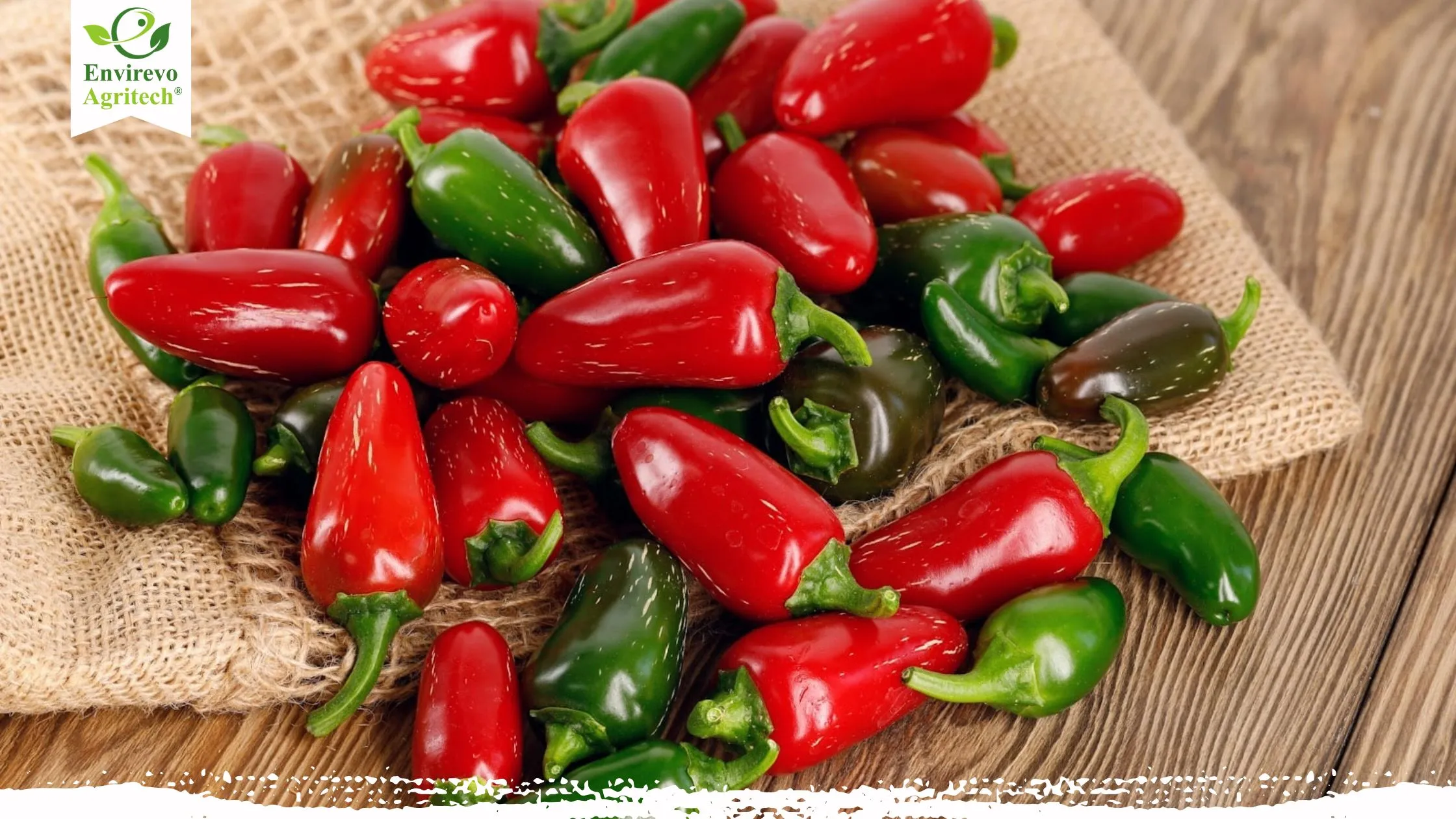
Jalapeños are part of the capsicum family and are among the most popular hot peppers grown globally. Not only do they add flavour and heat to dishes, but they also thrive in small spaces, making them ideal for urban gardening and container setups. Before diving into the nitty-gritty of Jalapeño plant care, let’s quickly cover some essential details about this fiery favourite.
| Attribute | Details |
| Common Name | Jalapeño |
| Botanical Name | Capsicum annuum |
| Plant Type | Warm-season annual (tender perennial in tropics) |
| Family | Solanaceae |
| Hardiness Zone | USDA Zones 2-9 (grown as annual elsewhere) |
| Mature Size | 2–3 feet tall; 1–2 feet wide |
| Sunlight | Full sun (6–8 hours daily) |
| Soil Type | Well-draining, loamy, fertile soil |
| Soil pH | 6.0–6.8 |
| Water Needs | Moderate; consistent moisture |
| Growth Rate | Moderate |
| Time to Maturity | 70–85 days after transplanting |
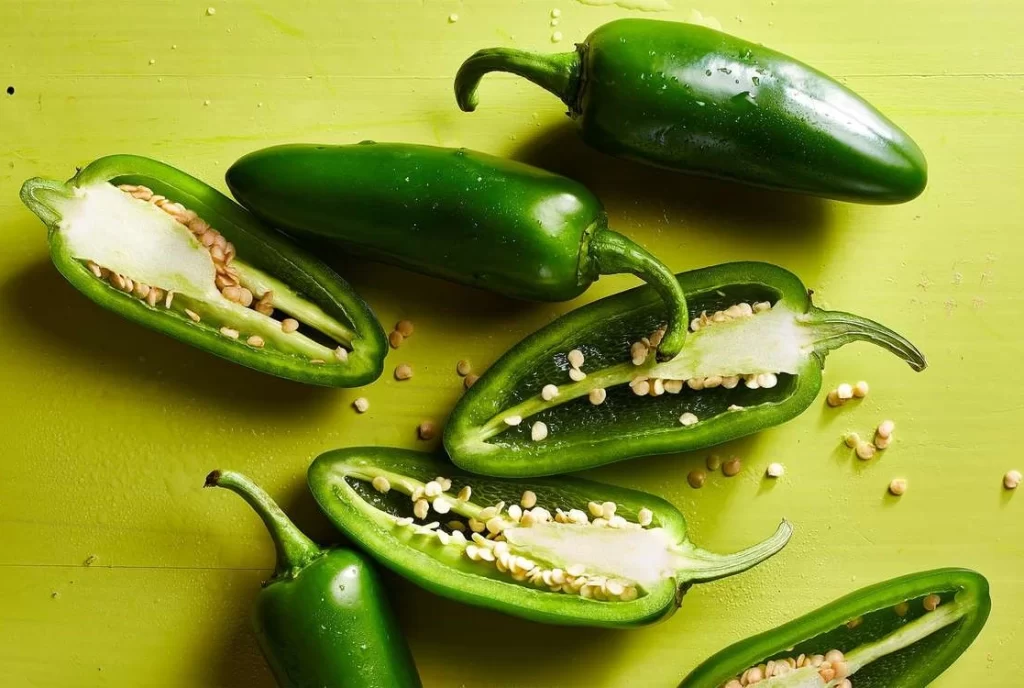
| Fruit Length | 2–4 inches |
| Scoville Rating | 2,500–8,000 SHU |
| Uses | Culinary, pickling, sauces, fresh eating |
Choosing the Right Jalapeño Variety
While the classic Jalapeño is widely grown, selecting the right variety can make a big difference in terms of flavour, heat, yield, and adaptability to your climate. Here’s a look at some of the best Jalapeño cultivars:
- ‘Early Jalapeño’: Great for cooler climates and short growing seasons; matures quickly.
- ‘Jalafuego’: A high-yielding hybrid that’s disease-resistant and extra spicy.
- ‘Tam Mild Jalapeño’: Lower heat, perfect for those who prefer a milder punch.
- ‘Mucho Nacho’: Larger fruits and slightly spicier flavour; excellent for stuffing.
- ‘Purple Jalapeño’: A stunning ornamental variety with purple-hued pods and leaves.
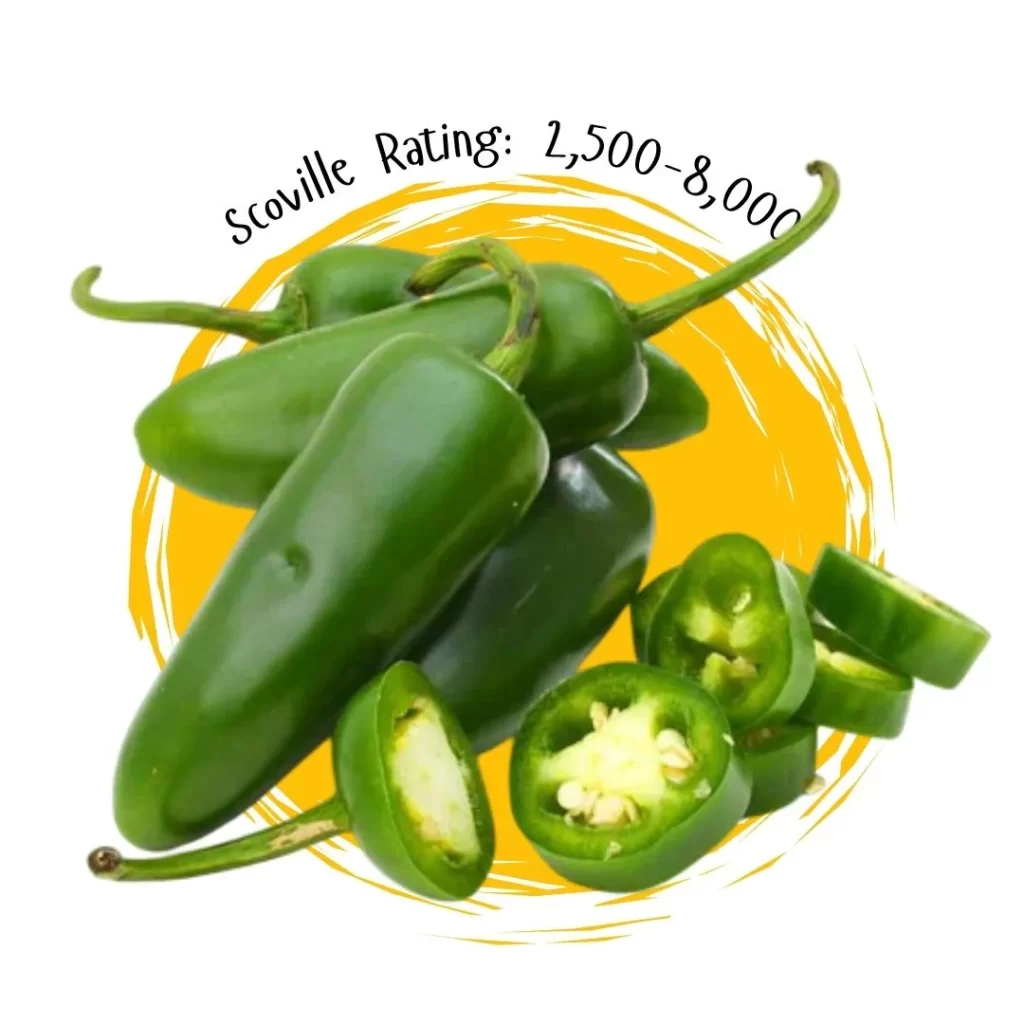
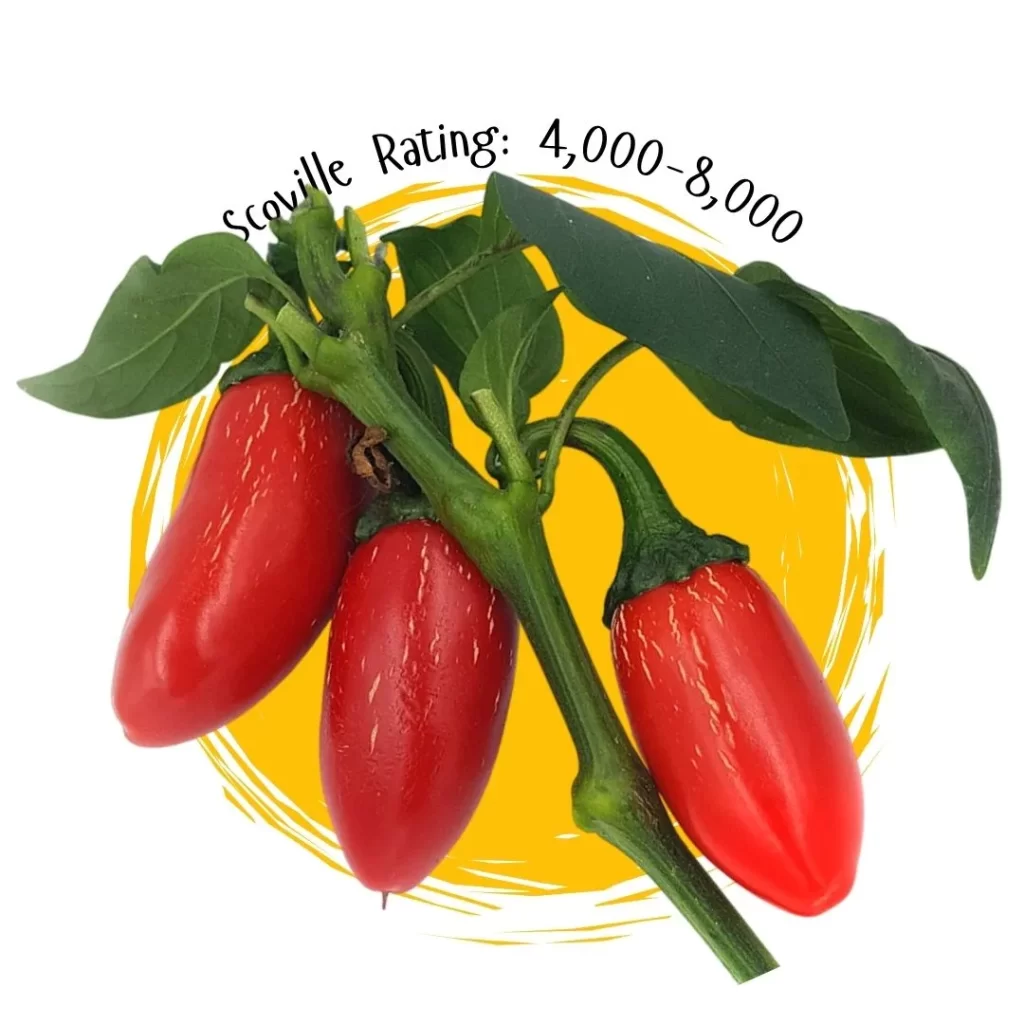
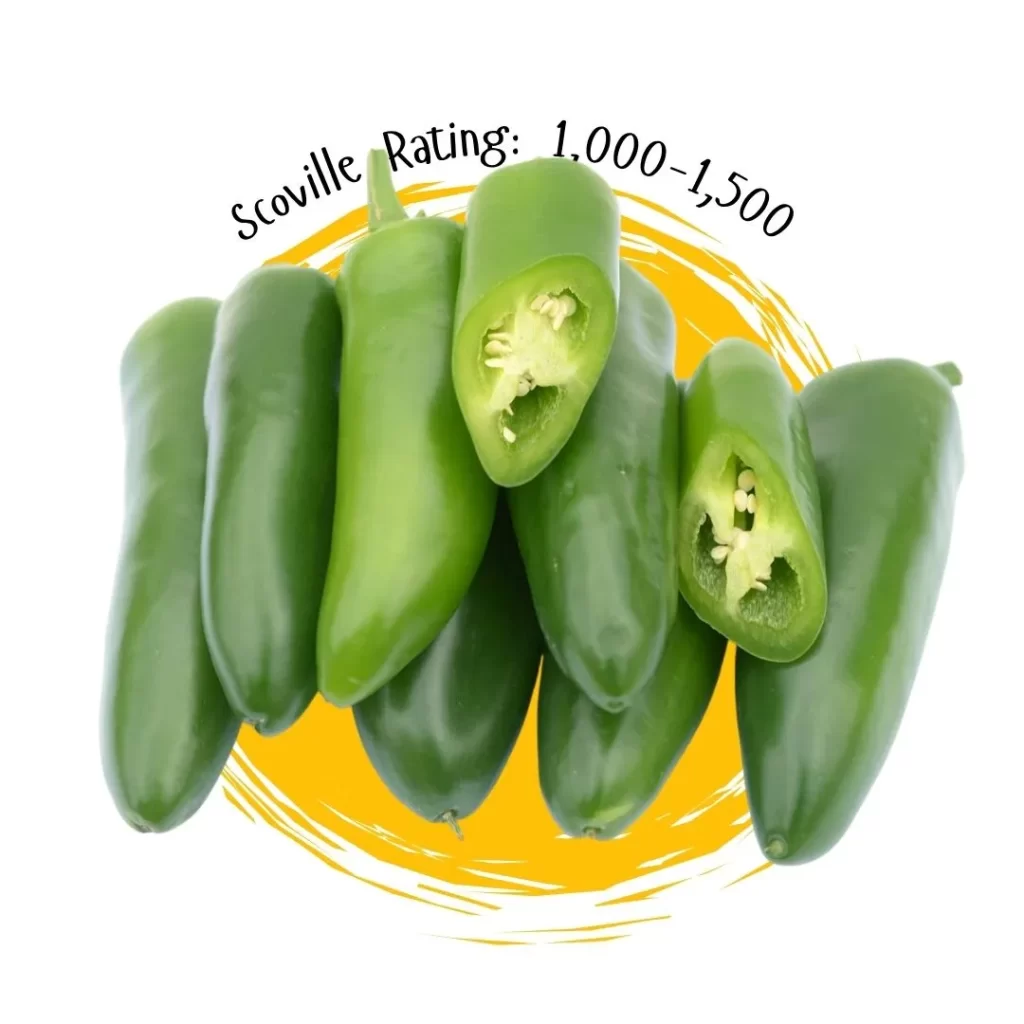
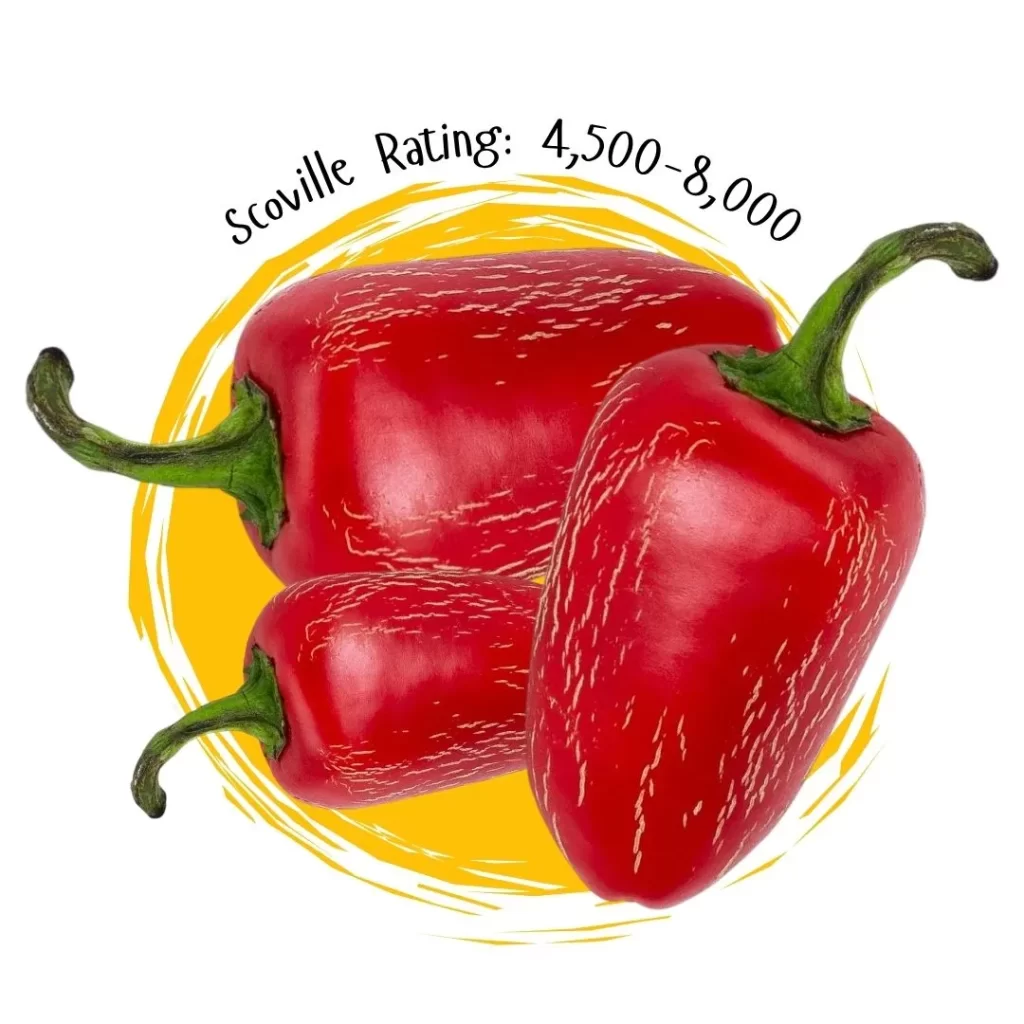
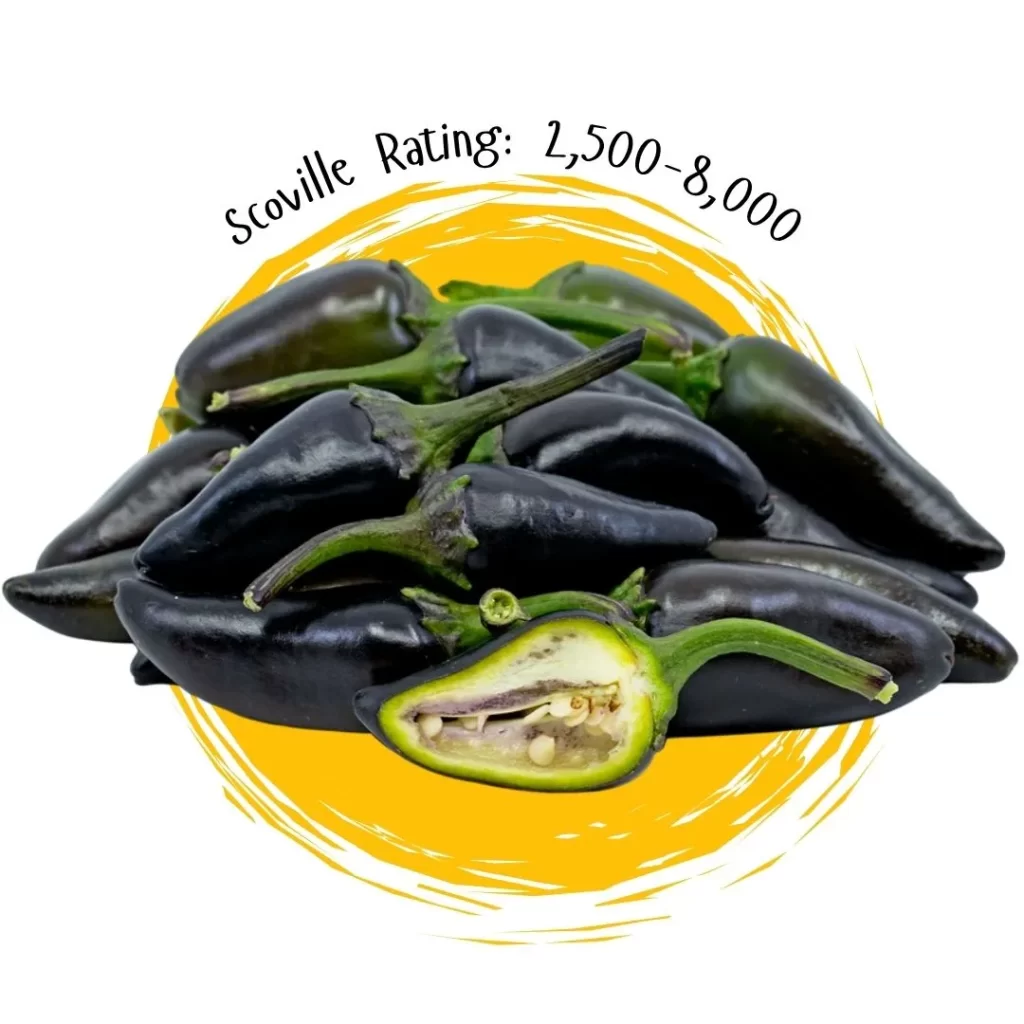
When choosing seeds or seedlings, look for certified disease-free options. If you plan to start from seed, ensure your seed supplier provides high-germination-rate packs for optimal success.
How to Grow Jalapeños from Seed
Growing Jalapeños from seed is cost-effective and satisfying, especially if you want to experiment with different varieties. Start your seeds indoors about 8–10 weeks before your region’s last frost date.
Start seeds in a seed-starting mix or light potting soil. Place 1–2 seeds per cell in a seed tray and gently press them into the soil. Keep the soil moist but not soggy, and maintain a consistent temperature of around 75–85°F (24–29°C) using a heat mat if needed. Jalapeño seeds typically germinate in 7–14 days.
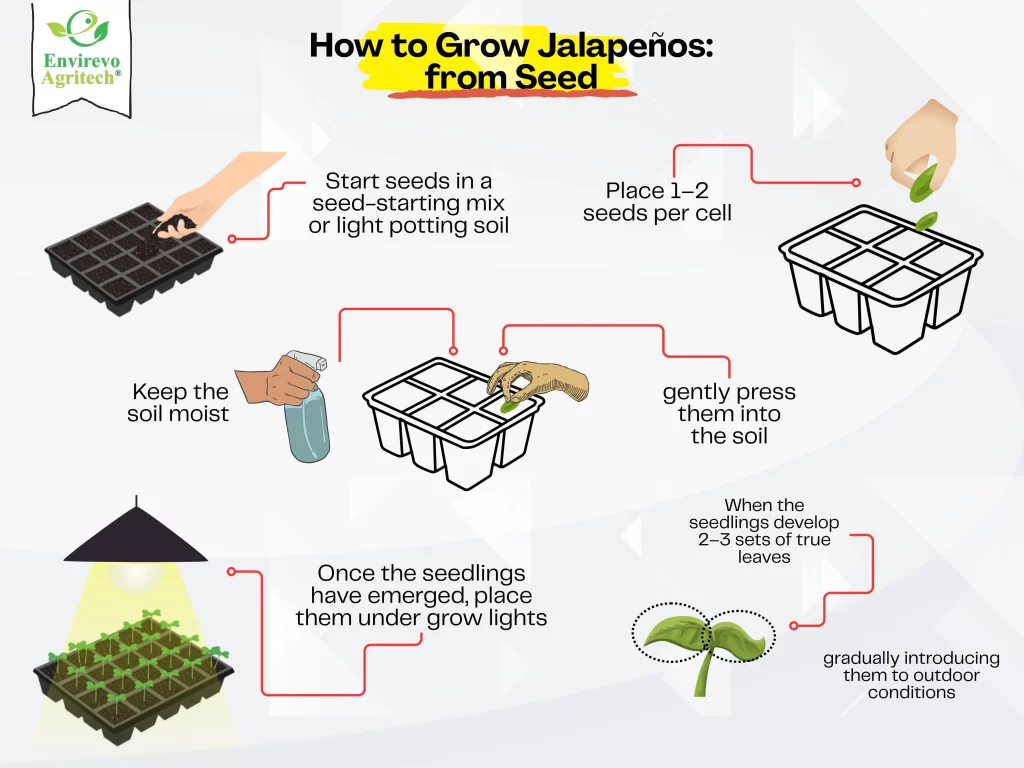
Once the seedlings have emerged, place them under grow lights or in a sunny window. Rotate the trays daily to prevent legginess. When the seedlings develop 2–3 sets of true leaves, begin hardening them off by gradually introducing them to outdoor conditions over 7–10 days before transplanting them into the garden or containers.
Ideal Conditions for Jalapeño Plant Growth
To grow Jalapeños successfully, you’ll need to provide the right environmental conditions. These plants are heat-loving and thrive in warm, sunny, and well-ventilated locations.
Sunlight
Jalapeños require at least 6–8 hours of direct sunlight each day. Inadequate light can lead to leggy growth and reduced fruit production. If you’re growing indoors, use full-spectrum grow lights.
Soil Preparation
Jalapeños prefer loose, fertile, and well-draining soil with a pH between 6.0 and 6.8. Mix in compost or aged manure before planting to improve soil texture and fertility. Avoid heavy clay soils that retain water, as peppers dislike soggy roots.
Spacing & Planting
Transplant your seedlings once the soil temperature reaches 65°F (18°C) and nighttime temperatures remain above 55°F (13°C). Space plants 12–18 inches apart in rows that are at least 24–36 inches apart to ensure adequate air circulation.
If you’re growing Jalapeños in containers, choose pots that are at least 12 inches deep and wide, with drainage holes at the bottom. Use a high-quality potting mix enriched with compost.
Caring for Your Jalapeño Plant
Watering Tips
Proper watering is key to Jalapeño plant care. While these peppers are relatively drought-tolerant once established, consistent moisture is essential during flowering and fruit development. Water the plants deeply 2–3 times a week, allowing the top inch of soil to dry between watering. Avoid overhead watering to reduce the risk of fungal diseases. Mulching around the base of the plant helps retain soil moisture and regulate soil temperature.
Fertilizing Schedule
Jalapeños are moderate feeders. Apply a balanced fertilizer (such as 10-10-10) once at transplanting, and then every 4–6 weeks throughout the growing season. For organic gardeners, compost tea, fish emulsion, or worm castings are excellent alternatives. Avoid high-nitrogen fertilizers, which promote excessive foliage growth at the expense of fruit production. As plants begin to flower, switch to a low-nitrogen, high-phosphorus fertilizer to support fruiting.
Pruning and Staking Tips
Pruning Jalapeños isn’t always necessary, but strategic pruning can encourage bushier growth, reduce disease risk, and improve yield. Pinch off the growing tips of young plants when they are about 10–12 inches tall to encourage side branching. Remove any lower leaves that touch the soil to reduce disease risk. If the plant becomes too crowded or tall, thin some inner leaves to improve air circulation.
Jalapeños can benefit from staking or cage support, especially when heavy with fruit. This prevents breakage, improves sun exposure, and allows better access during harvest.
How to Propagate Jalapeños
Propagating Jalapeños is a rewarding way to expand your pepper garden without buying new seeds or plants. While most gardeners grow Jalapeños from seeds, stem cuttings are another effective propagation method, especially for preserving hybrid varieties.
To propagate by cuttings, choose a healthy, non-flowering stem from a mature Jalapeño plant. Cut a 4–6 inch section just below a leaf node, remove the lower leaves, and dip the cut end in rooting hormone (optional but improves success). Place the cutting in a container filled with moist potting mix or water, and keep it in a warm, bright spot out of direct sunlight. Within 10–14 days, roots will begin to form. Once rooted, transplant the cutting into a larger pot or directly into the garden.
This method not only helps preserve your best-producing plants but also gives you a head start for the next season—especially in warmer climates where Jalapeños can be grown as perennials.
Common Jalapeño Plant Problems
| Problem | Symptoms | Causes | Solutions |
| Yellowing Leaves | Leaves turn pale or yellow, especially lower ones | Overwatering, poor drainage, nutrient deficiency | Improve drainage, reduce watering, apply balanced fertilizer |
| Blossom End Rot | Black, sunken spots at the bottom of fruits | Calcium deficiency, irregular watering | Ensure consistent watering, add calcium-rich amendments or sprays |
| Aphids | Sticky residue on leaves, distorted growth | Insect infestation | Spray neem oil or insecticidal soap, attract ladybugs |
| Spider Mites | Fine webbing, speckled or bronze leaves | Hot, dry conditions | Increase humidity, use miticides or neem oil |
| Flea Beetles | Tiny holes in leaves, stunted plant growth | Beetle infestation | Use row covers, neem oil, or diatomaceous earth |
| Hornworms | Large chunks missing from leaves, visible caterpillars | Moth larvae | Handpick caterpillars, use Bt (Bacillus thuringiensis) |
| Powdery Mildew | White powdery growth on leaves | Fungal infection | Improve air circulation, apply sulfur or potassium bicarbonate sprays |
| Bacterial Leaf Spot | Water-soaked dark spots on leaves, yellow halos | Wet foliage, infected soil or seeds | Remove affected leaves, avoid overhead watering, and apply copper-based fungicide |
| Wilting Plants | The entire plant is drooping, even when the soil is moist | Root rot, bacterial wilt, fusarium wilt | Remove infected plants, rotate crops, improve drainage |
Related:
- Is Your Prayer Plant Dying? Here’s the Ultimate Fix!
- 12 Must-Know Mini-Pumpkin Varieties for Every Fall Lover
- How To Grow Cucumbers In a Container Garden
- Here’s EXACTLY When to Harvest Garlic—Don’t Make These Rookie Mistakes!
When and How to Harvest Jalapeños
Jalapeño peppers are typically ready to harvest 70–85 days after transplanting. Mature peppers measure about 2–4 inches long and are usually a deep green colour, although they can also turn red or even purple as they fully ripen. To harvest, use clean garden shears or scissors to snip the stem just above the fruit. Avoid pulling, which can damage the plant. Regular harvesting encourages continuous fruit production.
For a sweeter and slightly smokier flavour, allow the peppers to fully ripen to red on the plant. However, leaving too many mature fruits on the plant can signal it to slow down production.
Post-Harvest Tips: Storing and Using Jalapeño Peppers
Once you’ve harvested your spicy bounty, it’s time to store and enjoy your Jalapeños.
Storage Options
- Refrigeration: Fresh Jalapeños can last up to 2 weeks in the crisper drawer.
- Freezing: Wash, slice, and freeze them for up to 6 months.
- Drying: Use a dehydrator or air-dry sliced peppers to store for long-term use.
- Pickling: Slice and soak in vinegar, salt, and spices for a zesty condiment.
Culinary Uses
Jalapeños are incredibly versatile in the kitchen. Use them fresh in salsas, salads, and tacos. Roast or stuff them for appetizers like poppers, or ferment them into hot sauce. For a smoky twist, try smoking red Jalapeños to make chipotle peppers!
Final Thoughts
Growing Jalapeños at home is one of the most satisfying gardening experiences you can have. Not only are these peppers flavorful and versatile, but the plants themselves are hardy, productive, and perfect for any gardener—beginner or expert. With the right combination of sun, soil, water, and care, you’ll be well on your way to enjoying a never-ending supply of spicy heat in your favourite dishes.
So what are you waiting for? Grab your seeds or seedlings, prep your garden bed or pots, and start your journey toward growing Jalapeños like a pro today!