Table of Contents
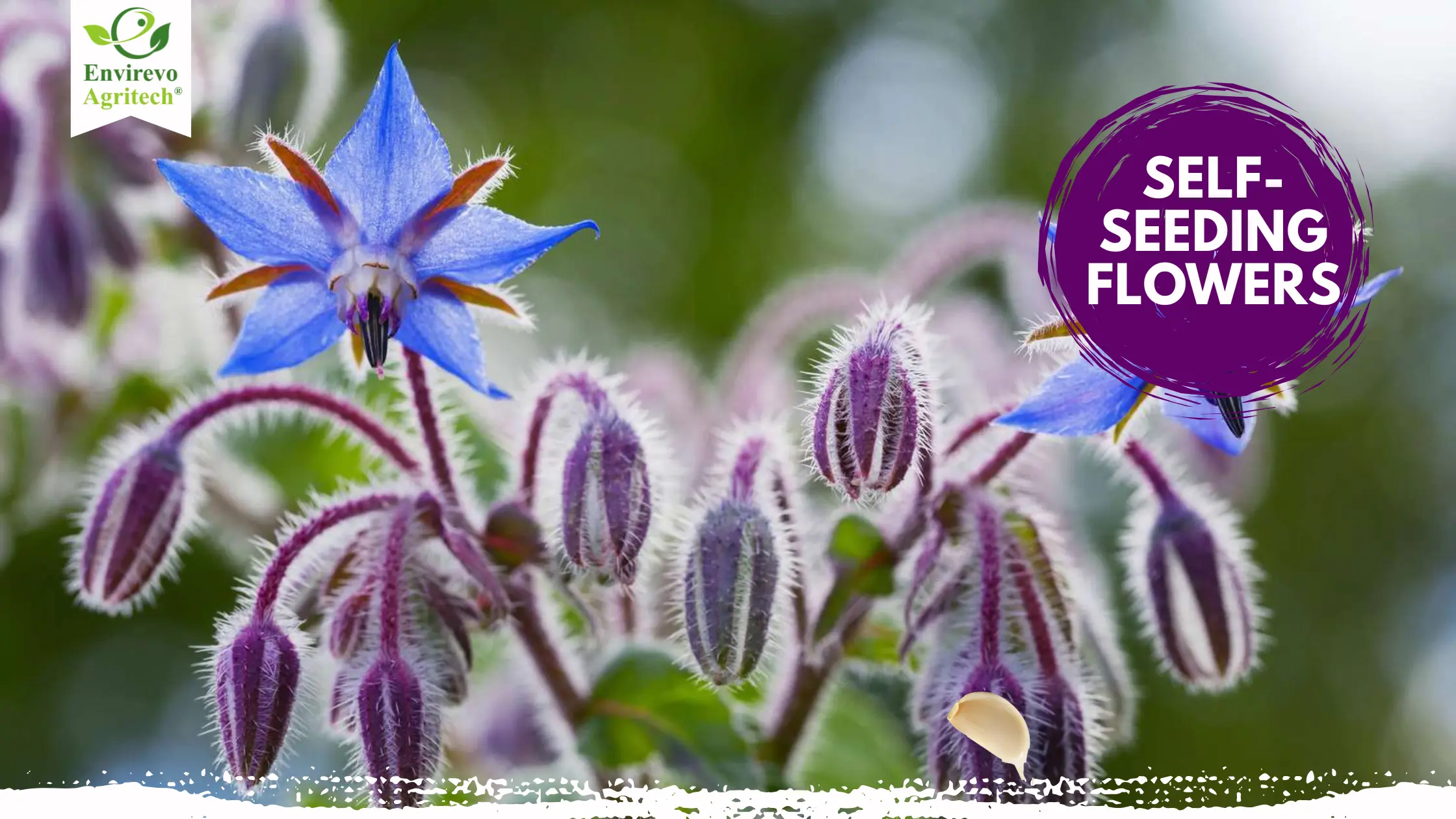
Imagine a garden that blooms year after year—without you lifting a finger to replant. Sounds like a dream? With self-seeding flowers, it’s absolutely possible. These natural wonders bloom, produce seeds, and drop them back into the soil, setting the stage for next season’s beauty without any extra work from you. Whether you’re a seasoned gardener or just starting out, this guide will help you create a thriving, low-maintenance flower bed filled with stunning self-seeding blooms.
In this article, you’ll discover what self-seeding flowers are, why they’re worth growing, and most importantly—15 of the best varieties that practically grow themselves.
What Are Self-Seeding Flowers?
Self-seeding flowers are plants that reproduce by dropping their seeds at the end of their growing season. These seeds fall naturally to the ground, overwinter (or stay dormant), and germinate when conditions are right. Unlike annuals that need to be replanted each year or perennials that regrow from roots, self-seeding flowers rely on this natural reseeding process to return again and again.
This characteristic makes them an excellent choice for low-maintenance gardens. Over time, many of these flowers will naturalize, creating a lush, wildflower-like display that evolves each year depending on weather and soil conditions.
It’s important to distinguish between beneficial self seeders and invasive spreaders. While most of the flowers in this list are garden-friendly, a few can become aggressive if not managed properly. With a little planning and oversight, self-seeding flowers can enhance your garden beautifully without overtaking it.
15 Stunning Self-Seeding Flowers That Practically Plant Themselves
Let’s dive into the best self-seeding flowers to grow in your garden. Each entry includes useful growing information, visual appeal, and tips to help them thrive year after year.
1. California Poppy (Eschscholzia californica)
Bright, cheerful, and drought-tolerant, California poppies are among the easiest self-seeding flowers to grow. Their silky orange or yellow petals add a punch of color to any sunny bed or wildflower garden. Once they bloom and go to seed, their papery seed pods disperse with the wind or fall directly to the soil, ensuring a fresh flush next spring.
- Sun Exposure: Full sun
- Soil Needs: Well-draining, poor to average
- Zones: 6–10
Pro Tip: Let seed pods dry on the plant before collecting or allowing them to scatter.
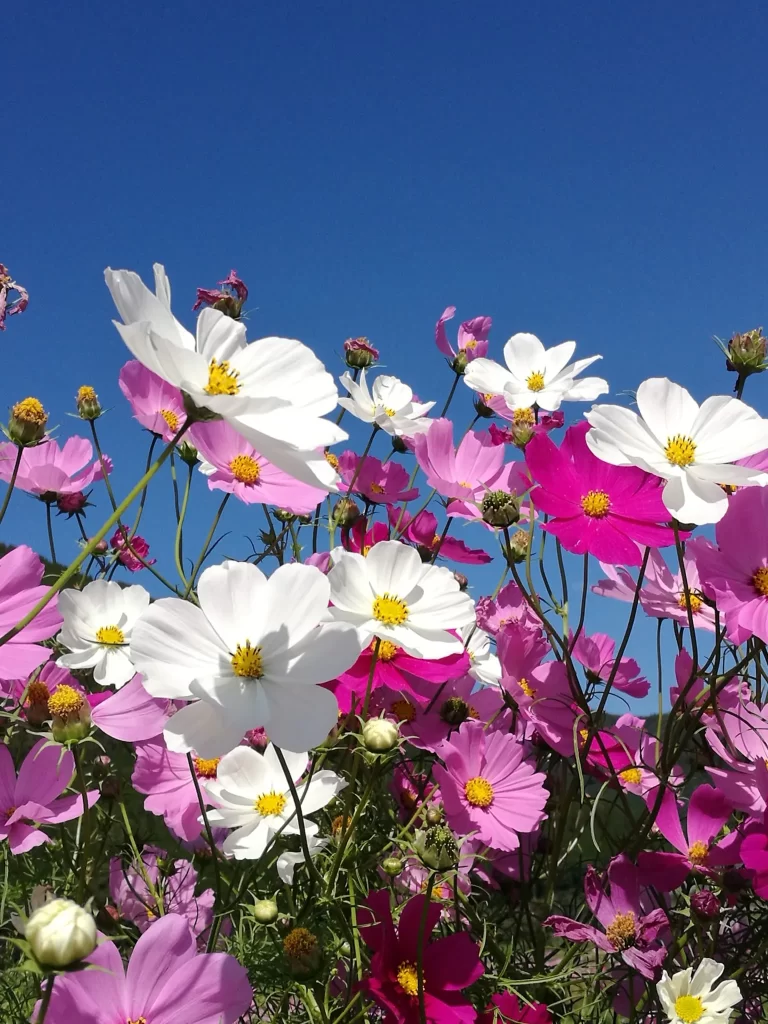
2. Cosmos (Cosmos bipinnatus)
Cosmos are tall, wispy annuals with daisy-like flowers in shades of pink, white, and magenta. They are prolific bloomers and self seeders that can fill a bed within a season. Deadheading early blooms can delay seeding and promote more flowers, but be sure to leave some to mature if you want self-seeding to occur.
- Sun Exposure: Full sun
- Soil Needs: Average to poor soil
- Zones: 2–11
Pro Tip: Scatter some extra seeds in fall for an early spring head start.
3. Nasturtium (Tropaeolum majus)
Both ornamental and edible, nasturtiums are garden favorites that offer vibrant color and a peppery zing. Their large seeds are easy to collect or simply leave in the soil to germinate next season. Nasturtiums are also excellent companions for vegetables as they deter common pests.
- Sun Exposure: Full sun to partial shade
- Soil Needs: Poor to average, well-drained
- Zones: 9–11 (grown as annual elsewhere)
Related: Best 20 Low-Maintenance Plants for Your Home & Garden
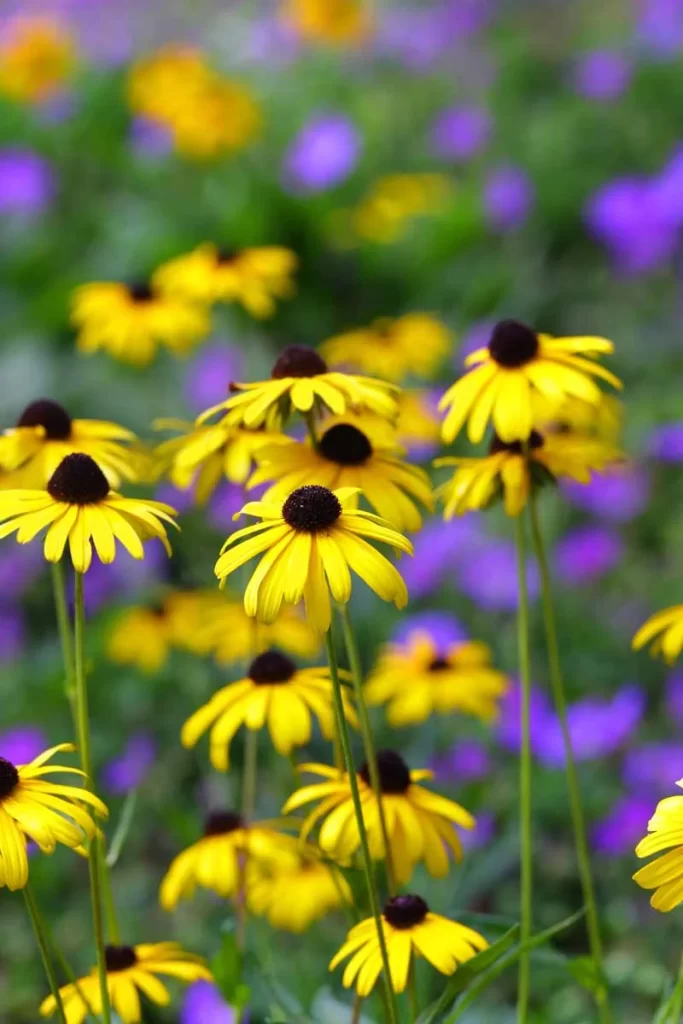
4. Black-Eyed Susan (Rudbeckia hirta)
This iconic North American wildflower is tough, reliable, and beautiful. It self-seeds well and spreads without becoming invasive. With its bright yellow petals and dark center, black-eyed Susan is a garden staple that supports native pollinators and resists deer.
- Sun Exposure: Full sun to partial shade
- Soil Needs: Average, well-drained
- Zones: 3–9
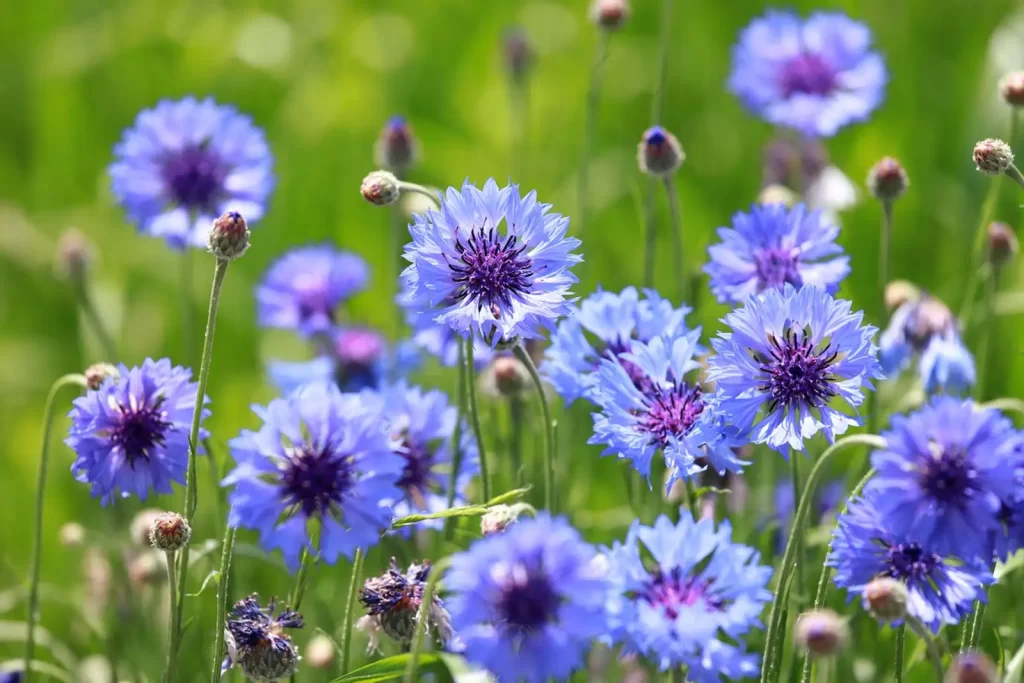
5. Bachelor’s Button (Centaurea cyanus)
Also known as cornflower, this old-fashioned favorite produces vibrant blue, purple, pink, or white blooms. It’s beloved by pollinators and birds alike and self seeds generously, especially in cooler climates. In the past, it often grew as a weed in cornfields (in the broad sense of “corn”, referring to grains, such as wheat, barley, rye, or oats), hence its name.
- Sun Exposure: Full sun
- Soil Needs: Loamy or sandy, well-drained
- Zones: 2–11
Related: 100+ Flower Names List with Pictures
6. Larkspur (Delphinium consolida)
The birth-flower of July, larkspur (Delphinium consolida) is most often grown as an annual. A cool-weather annual, larkspur creates tall, spiky flowers in various shades of blue, purple, and pink. It self-seeds best when allowed to drop its seeds in early summer, especially in areas with mild winters.
- Sun Exposure: Full sun
- Soil Needs: Fertile, moist, well-drained
- Zones: 2–10
7. Sweet Alyssum (Lobularia maritima)
This low-growing groundcover is known for its sweet fragrance and tiny white, pink, or purple blooms. As sweet alyssum plants spread, they create a living mulch under taller plants. Alyssum reseeds effortlessly and is perfect for borders, rock gardens, or even container edges. Its ability to attract beneficial insects is a big bonus.
- Sun Exposure: Full sun to partial shade
- Soil Needs: Average, well-drained
- Zones: 5–9
8. Love-in-a-Mist (Nigella damascena)
Known for its feathery foliage and intricate flowers, this heirloom favorite produces charming seed pods that look as pretty as the blooms. This small to medium-sized annual grows 15-24″ high and up to a foot wide (if not crowded). Once established, it will return year after year without any encouragement.
- Sun Exposure: Full sun
- Soil Needs: Loose, well-drained
- Zones: 2–9
Related: Best 20 Low-Maintenance Plants for Your Home & Garden
9. Hollyhock (Alcea rosea)
These towering beauties can reach 6–8 feet tall and bring vertical interest to any garden. Hollyhocks come in a wide variety of colors: blue, pink, purple, red, white, yellow, and even black. The tall spikes are covered with blooms from top to bottom. Hollyhock leaves are large, coarse, and palmate in shape. Though hollyhocks are biennials, they self-seed reliably so that new plants bloom each year in succession.
- Sun Exposure: Full sun
- Soil Needs: Rich, moist, well-drained
- Zones: 3–9
Pro Tip: Watch out for rust; give them space for good air circulation.
10. Foxglove (Digitalis purpurea)
These statuesque bloomers feature tall spires of tubular flowers loved by hummingbirds and bees. Though foxgloves are biennials or short-lived perennials, they reseed easily and often naturalize in woodland settings. Foxglove is a seriously toxic plant for humans and pets. The flowers, seeds, leaves, and stems contain chemicals that can affect the heart.
- Sun Exposure: Full sun to partial shade
- Soil Needs: Moist, well-drained
- Zones: 4–9
Note: All parts are toxic if ingested—plant with caution around pets and children.
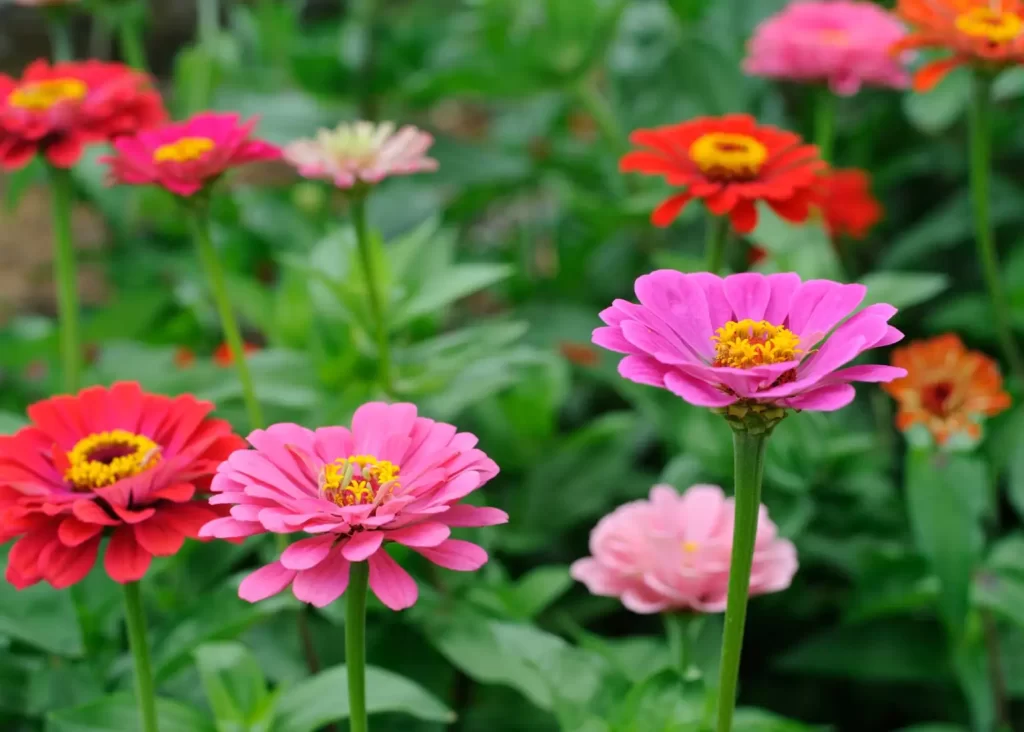
11. Zinnia (Zinnia elegans)
Zinnias are standout bloomers that thrive in heat and sun. Zinnias are able to adapt to most soil conditions, but the ideal soil will be rich in organic matter and well-draining. Their vibrant flowers come in nearly every color and are favored for cut arrangements. Let some blooms go to seed, and you’ll see new seedlings pop up in spring.
- Sun Exposure: Full sun
- Soil Needs: Well-drained, fertile
- Zones: 3–10
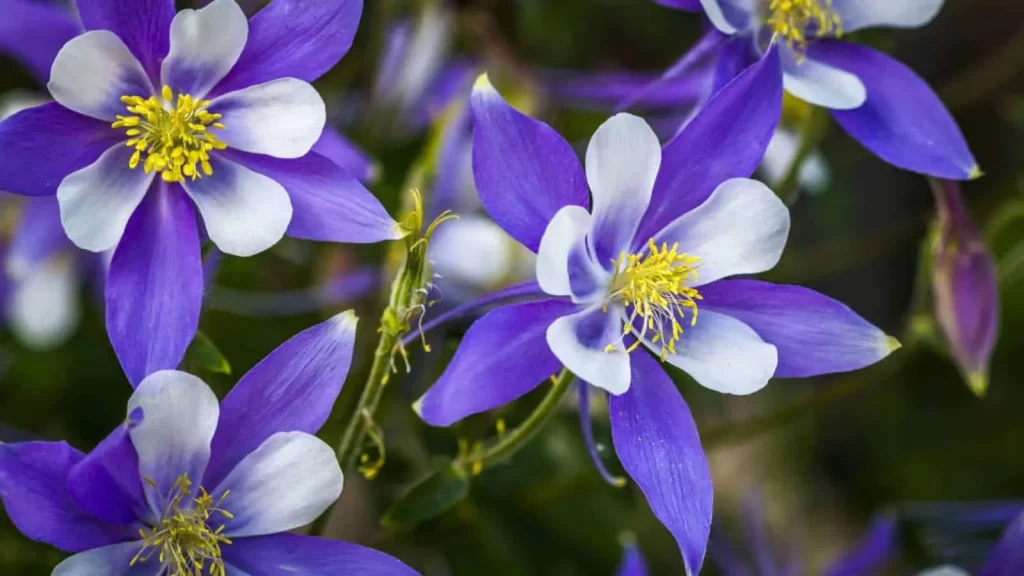
12. Columbine (Aquilegia spp.)
With their nodding blooms and delicate foliage, columbines bring elegance to any shady garden. There are more than 70 species of columbines, including native columbines that grow wild in mountain areas, along stream beds, and in temperate woodlands. They self seed lightly and often cross-pollinate, resulting in fun color surprises year to year. The flowers attract butterflies, bees, moths, and hummingbirds—but thankfully, not deer!
- Sun Exposure: Partial shade
- Soil Needs: Rich, moist, well-drained
- Zones: 3–9
13. Verbena bonariensis
This tall, airy perennial blooms for months and reseeds prolifically. Its small purple flowers attract butterflies and pollinators in droves. It creates a light, dreamy effect when planted en masse. V. bonariensis is native to Brazil and Argentina. They were first grown as a garden ornamental in 1726 by Englishmen James & William Sherard, who got the seeds from a dried specimen sent back to England from Buenos Aires
- Sun Exposure: Full sun
- Soil Needs: Well-drained
- Zones: 7–11 (reseeds as annual elsewhere)
14. Calendula (Calendula officinalis)
Also known as pot marigold, calendula is a sunny, cheerful flower that’s also edible and medicinal. It tolerates cool weather and reseeds freely, making it ideal for spring and fall gardens.
- Sun Exposure: Full sun
- Soil Needs: Average, well-drained
- Zones: 2–11
15. Snapdragon (Antirrhinum majus)
Snapdragons offer early-season color in cool weather gardens. While they’re typically grown as annuals, snapdragons readily self-seed, and new plants often appear in surprising shades.
- Sun Exposure: Full sun
- Soil Needs: Rich, well-drained
- Zones: 7–11
Will Self-Seeding Flowers Take Over My Garden?
It’s a common concern, but most self-seeding flowers are well-behaved when monitored. Some varieties, like calendula or larkspur, can spread aggressively if unmanaged. To prevent this:
- Deadhead some blooms before they set seed.
- Cut back overgrown plants at season’s end.
- Weed out excess seedlings in spring.
Proper management lets you enjoy the beauty of self seeding flowers without sacrificing control.
Final Thoughts: Let Nature Do the Planting
Incorporating self seeding flowers into your garden is not only a time-saver but a way to create a natural, ever-changing, and resilient landscape. These 15 self seeding flowers offer a wide variety of colors, heights, and textures that can be adapted to nearly any garden style. Whether you want a wildflower meadow, a cottage border, or simply fewer trips to the garden center, these plants have got you covered.
Let nature take the lead this season. Start with a few self-seeders, and in no time, you’ll have a garden that practically plants itself—year after year.