Table of Contents
Agriculture, once viewed as a slow-moving, tradition-bound industry, is undergoing one of the most profound transformations in its history. The American farming landscape, long characterized by tractors, irrigation ditches, and seasonal rhythms, is now being reshaped by artificial intelligence, drones, IoT sensors, and data analytics. This seismic shift is being driven by AgTech—short for agricultural technology—a rapidly evolving field that is blending digital innovation with soil and seed to create a smarter, more efficient, and more sustainable future for farming.
As global food demand rises, climate change intensifies, and rural labor shortages continue, the need for advanced, tech-enabled solutions has never been more urgent. AgTech is no longer a fringe concept or a futuristic vision—it is a present-day necessity that is reimagining how farms operate across the United States. From small family-owned plots in the Midwest to massive agribusiness operations in California, AgTech is enabling farmers to produce more with less, make data-driven decisions, and adapt to challenges with agility. In this article, we will explore how AgTech is changing U.S. farming forever—digging into the technologies, challenges, benefits, and the bright future that lies ahead.
What Is AgTech? A Quick Breakdown
AgTech, or agricultural technology, refers to the application of modern technology to improve the efficiency, productivity, and sustainability of farming operations. It is an umbrella term that encompasses a wide range of innovations including precision agriculture, biotechnology, robotics, artificial intelligence, machine learning, drone technology, IoT (Internet of Things), and advanced data analytics.
The concept of AgTech isn’t entirely new—farmers have been using mechanized equipment since the Industrial Revolution—but what distinguishes today’s AgTech revolution is the integration of digital intelligence and automation. These technologies do more than just improve mechanical efficiency; they enable real-time decision-making, predictive analysis, and highly targeted interventions that reduce waste, lower costs, and increase output.

Examples of AgTech tools include GPS-guided tractors, soil moisture sensors, satellite-based crop monitoring, AI-driven pest detection, and fully automated irrigation systems. These innovations are not just high-tech gimmicks—they are reshaping core agricultural processes such as planting, fertilizing, harvesting, and logistics.
The Driving Forces Behind the Rise of AgTech in the U.S.
Several compelling forces are fueling the rapid adoption of AgTech across the American farming sector. First and foremost is the rising global demand for food. The United Nations projects that by 2050, the world population will exceed 9.7 billion people. To meet this demand, food production must increase by roughly 70%, placing tremendous pressure on the agricultural sector.
Secondly, labor shortages in rural areas are making traditional farming methods increasingly unsustainable. The average age of American farmers is over 57, and younger generations are less inclined to pursue farming as a career. This demographic shift is creating a labor vacuum that technology is well-suited to fill. Robots, drones, and AI-powered tools can perform tasks that would otherwise require multiple human workers.
Climate change is another powerful driver. Erratic weather patterns, increasing droughts, and soil degradation are challenging the reliability of conventional farming methods. AgTech offers data-driven insights and adaptable solutions that help farmers mitigate risks, optimize resource use, and enhance resilience.
Additionally, a surge in venture capital investment is accelerating innovation. AgTech startups in the U.S. raised billions in funding over the past decade, with investors betting on everything from vertical farming to AI-driven crop analytics. This influx of capital is fostering a competitive, dynamic environment that is pushing the boundaries of what’s possible in agriculture.
Related:
- Swarm Robotics in Farming: The Secret Weapon for Next-Gen Agriculture
- Autonomous Tractors on American Fields: Early Adoption Insights
- Drones for Crop Scouting: Detecting Pests & Stress from Above
Key AgTech Innovations Transforming U.S. Farming
Precision Agriculture
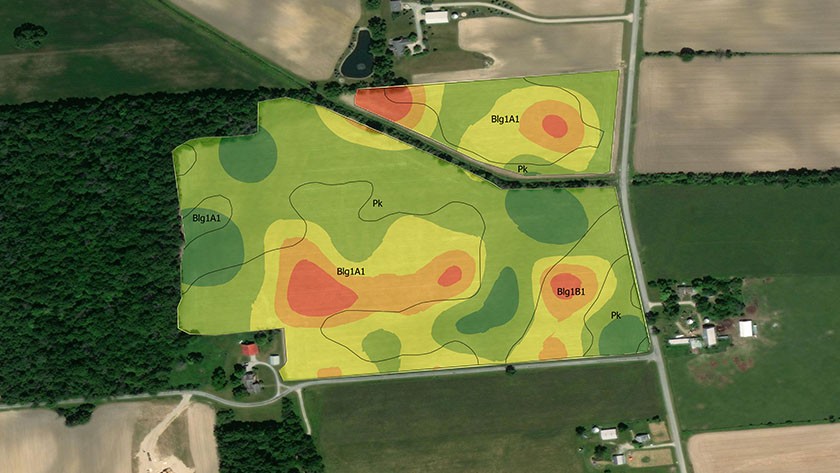
Precision agriculture is at the heart of the AgTech movement. It involves using GPS, satellite imagery, and data analytics to monitor and manage variability in fields. Instead of treating every acre the same, precision agriculture enables farmers to tailor inputs—like seeds, fertilizers, and water—to specific locations within a field.
This approach significantly reduces waste, enhances yields, and improves environmental sustainability. Farmers can, for example, identify nutrient-deficient zones and apply fertilizer only where needed. They can also detect pest infestations early and respond with targeted interventions, reducing the need for blanket pesticide applications.
Smart Sensors and IoT in Agriculture
Smart sensors and IoT devices are transforming farms into connected ecosystems. These tools gather real-time data on soil moisture, temperature, pH levels, crop health, and even livestock movements. The data is then sent to a central dashboard where farmers can make informed decisions.
This granular level of monitoring helps optimize irrigation schedules, prevent overwatering, and enhance crop health. It also provides early warnings about plant diseases or pest invasions, allowing for faster, more effective responses. IoT-enabled weather stations, for example, can provide hyper-local forecasts that help farmers decide the best time to plant, irrigate, or harvest.

Agricultural Drones and Aerial Imaging
Drones have become indispensable in modern farming. Equipped with high-resolution cameras and multispectral sensors, agricultural drones can fly over fields to capture detailed images of crop conditions. These aerial views help identify problems that are not visible from the ground, such as nutrient deficiencies, water stress, or pest damage.
Some drones are also capable of performing tasks such as spraying pesticides or sowing seeds. This not only saves time but also reduces human exposure to potentially harmful chemicals. Aerial imaging is especially valuable in large-scale operations where manual monitoring is impractical.

Robotics and Automation
Automation is playing a critical role in addressing labor shortages and increasing operational efficiency. Robotic harvesters, autonomous tractors, and weeding robots are becoming more common in American fields. These machines can operate 24/7 with minimal human intervention, increasing productivity and consistency.
For example, robotic harvesters equipped with computer vision can identify ripe fruits and pick them without damaging the plants. Autonomous tractors can follow GPS-guided paths to plow, seed, and fertilize with remarkable precision. These innovations are making large-scale farming more feasible and sustainable.

AI and Data Analytics
Artificial intelligence and data analytics are revolutionizing decision-making in agriculture. AI algorithms can analyze vast amounts of data—from satellite images to soil sensors—to uncover patterns and make predictions. This enables farmers to make proactive, evidence-based decisions.
AI-powered platforms can predict yield outcomes, detect early signs of disease, and recommend optimal planting schedules. Machine learning models improve over time, continually refining their accuracy. This level of insight was unimaginable a decade ago but is now becoming standard practice in data-driven farms.

How AgTech Is Helping Farmers on the Ground
The impact of AgTech on farmers’ day-to-day lives is profound. First and foremost, it increases productivity. By optimizing inputs and reducing waste, AgTech enables farmers to achieve higher yields without expanding their acreage. This is particularly important in an era of limited arable land and increasing regulatory scrutiny.
Secondly, AgTech enhances profitability. Although the initial investment can be substantial, the long-term savings on labor, water, fuel, and chemicals can be significant. Smart systems also reduce the need for guesswork, resulting in fewer mistakes and better resource management.
Another major benefit is risk reduction. Weather fluctuations, pests, and disease outbreaks are constant threats in agriculture. AgTech tools provide early warnings and actionable insights, helping farmers mitigate risks before they become crises.
Moreover, AgTech supports sustainability. By using resources more efficiently and minimizing environmental impact, farmers can align their practices with modern ecological standards and consumer expectations. This is increasingly important as buyers, regulators, and the public demand more transparency and environmental responsibility from the food system.
Real-Life Case Studies: U.S. Farms Leveraging AgTech
One notable example is Bowles Farming Company in California. This large-scale operation uses a range of AgTech tools including soil moisture sensors, drone imaging, and automated irrigation systems. By integrating these technologies, Bowles Farming has improved water use efficiency by over 20%, saving millions of gallons annually while increasing crop yields.
In Iowa, Beck’s Hybrids, a family-owned seed company, has developed a precision farming program called FARMserver. This platform provides farmers with detailed maps and data-driven recommendations for planting, fertilizing, and harvesting. Users have reported yield improvements of up to 15% without increasing input costs.
In the Midwest, small family farms are using John Deere’s Operations Center, a digital platform that syncs with machinery and field sensors. Farmers use it to monitor equipment, track crop progress, and plan logistics—all from a smartphone or tablet.
These case studies highlight a critical point: AgTech is not only for large-scale agribusinesses. With the right tools and guidance, small and medium-sized farms can also reap substantial benefits.
Challenges Slowing AgTech Adoption in Rural America
Despite its promise, AgTech adoption is not without hurdles. One of the biggest barriers is cost. Advanced technologies often require significant upfront investment, and while they promise long-term savings, many small farmers are hesitant or unable to make the leap without financial assistance.
Another major issue is the digital divide. Many rural areas lack reliable internet access, which limits the effectiveness of cloud-based platforms and real-time data analytics. Without connectivity, farmers cannot fully utilize IoT devices, remote monitoring systems, or software applications. There is also a skills gap. Older farmers, who make up the majority of the workforce, maybe less comfortable with digital tools and analytics. This creates a need for comprehensive training programs and user-friendly interfaces.
Additionally, some farmers express concerns about data privacy and ownership. As farms become more digitized, questions arise about who owns the data generated and how it is being used by third parties, including equipment manufacturers and software providers.
The Future of AgTech: What’s Next?
The AgTech sector is poised for continued growth. According to research firm MarketsandMarkets, the global AgTech market is projected to reach over $30 billion by 2025. In the U.S., government agencies, universities, and private investors are pouring resources into AgTech R&D.
Emerging technologies like blockchain are expected to improve transparency and traceability in supply chains. Gene editing tools, such as CRISPR, are being explored to create crops that are more resilient and nutrient-rich. Vertical farming and urban agriculture are offering new ways to grow food in non-traditional environments.
Policy support will also play a crucial role. The USDA and other agencies are funding AgTech pilot projects and broadband infrastructure initiatives to bridge the digital divide. Educational institutions are integrating AgTech into agricultural curricula, preparing the next generation of tech-savvy farmers.
As AI becomes more sophisticated and integration between platforms improves, we can expect even greater efficiency and autonomy in farming operations. The ultimate goal is a fully connected, data-driven agricultural ecosystem that can adapt in real time to the ever-changing demands of climate, market, and consumer needs.
Final Thoughts
AgTech is not just transforming farming—it’s redefining what it means to be a farmer in the 21st century. With tools that monitor, predict, automate, and optimize, American agriculture is becoming more precise, efficient, and sustainable than ever before. While challenges remain—especially for smaller farms—those who embrace technology now will be better positioned to thrive in the years ahead.
The rise of AgTech is not a passing trend. It’s a fundamental shift that is changing U.S. farming forever. The question is no longer whether you should adopt AgTech—it’s when, how, and how fast.