Table of Contents
Few things compare to the thrill of spotting a hummingbird in your garden. These energetic, jewel-toned birds are not only beautiful to watch but also beneficial pollinators for your plants. If you’ve ever wondered how to attract hummingbirds to your yard, you’re in the right place. In this comprehensive guide, we’ll dive deep into the strategies and secrets to creating a hummingbird haven—one that will keep them coming back season after season.
Understanding What Attracts Hummingbirds
Before you rush out to buy feeders and flowers, it’s essential to understand the basic needs of hummingbirds. These birds are attracted to areas that offer a combination of vibrant flowers, nectar sources, shelter, and water. Unlike other birds, hummingbirds rely heavily on nectar for energy. This is why they are drawn to flowers rich in sugary nectar and brightly colored (especially red) blooms.
But attracting hummingbirds goes beyond food. A truly hummingbird-friendly yard offers resting spots, safe nesting areas, and a pesticide-free environment. Once you understand their preferences and behaviors, you can tailor your landscape to meet their needs and keep them returning.
Tip 1: Choose the Right Plants to Attract Hummingbirds
Creating a landscape with hummingbird-attracting plants is one of the most effective and natural ways to bring these birds into your yard. Native flowering plants, in particular, are a top choice because they are adapted to your region’s climate and are often rich in nectar.
Native Flowers Hummingbirds Love
Native plants provide high-quality nectar and bloom in sync with the birds’ seasonal patterns. Some popular options include:
- Bee Balm (Monarda): Known for its bright red, pink, or purple blooms, bee balm is a hummingbird magnet. It thrives in sunny spots and blooms throughout summer.
- Trumpet Vine (Campsis radicans): This vigorous climber produces clusters of tubular orange-red flowers that hummingbirds adore. It’s best grown on a trellis or fence.
- Cardinal Flower (Lobelia cardinalis): With its deep red flowers and moisture-loving nature, cardinal flower is perfect for hummingbird gardens near water features.
- Columbine (Aquilegia spp.): These spring-blooming plants are ideal for early-season nectar.
- Salvia (Salvia spp.): Available in many colors, red and purple salvias are especially attractive to hummingbirds.
Planting Tips for Maximum Attraction
- Plant in clusters: Hummingbirds are more likely to notice a group of the same flower than isolated blooms.
- Stagger bloom times: Include early, mid, and late-season bloomers to provide nectar throughout the hummingbird migration period.
- Avoid hybrids with low nectar: Some ornamental hybrids sacrifice nectar for appearance. Choose species known for high nectar production.
A layered planting approach that includes tall perennials, flowering shrubs, and small trees will not only add visual depth but also provide hummingbirds with perching and nesting options.
Tip 2: Set Up Feeders the Right Way
While flowers provide a natural food source, hummingbird feeders are an excellent supplement, especially in early spring or late summer when blooms may be scarce. But using feeders correctly is critical to ensure the health and safety of your hummingbird visitors.
Choosing the Best Feeder
When selecting a feeder:
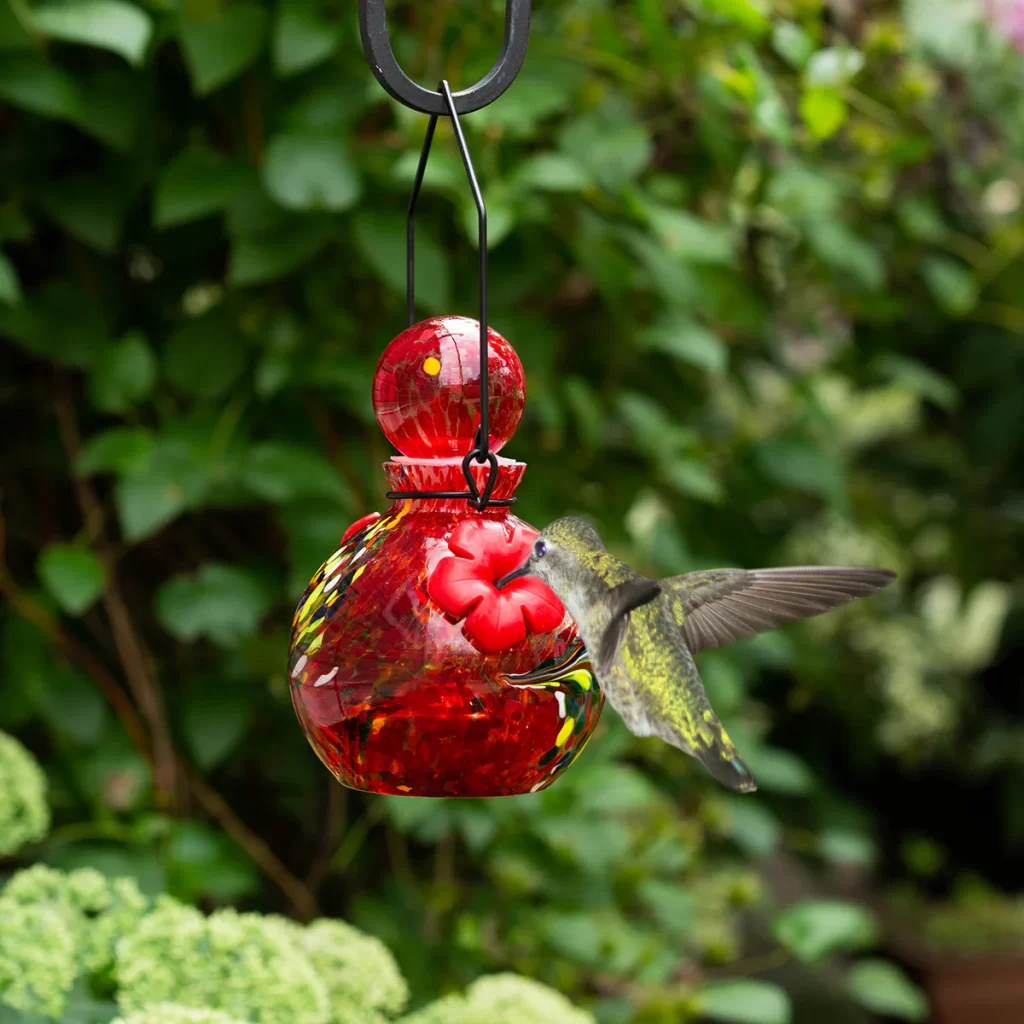
- Opt for red-colored feeders, as red attracts hummingbirds.
- Look for models with ant moats and bee guards to keep pests out.
- Choose feeders that are easy to clean—cleanliness is crucial to prevent mold and bacteria.
Making Your Own Nectar
You don’t need store-bought nectar. Homemade nectar is simple, safe, and more cost-effective:
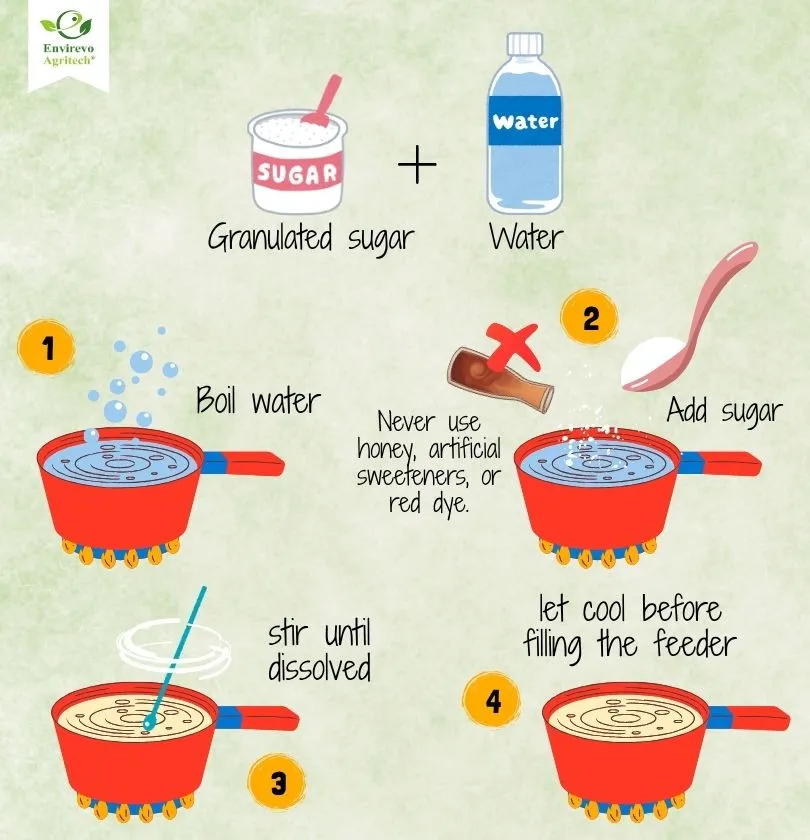
Nectar Recipe:
- 1 part white granulated sugar
- 4 parts water
- Boil water, add sugar, stir until dissolved, and let cool before filling the feeder.
Important Notes:
- Never use honey, artificial sweeteners, or red dye.
- Change the nectar every 2-3 days, more often in hot weather.
Where to Place Your Feeders
- Hang feeders in the shade, near flowers or garden beds to create a natural-looking feeding area.
- Keep feeders away from windows to prevent collisions.
- Use multiple feeders spaced apart to prevent territorial disputes among birds.
Proper maintenance of feeders will encourage hummingbirds to visit regularly and stay longer.
Tip 3: Provide Water in the Way They Love

Contrary to popular belief, hummingbirds rarely drink from birdbaths. They prefer to bathe and drink from moving water sources such as misters, drippers, or small fountains.
Ideal Water Sources
- Leaf misters: Attach to your garden hose and gently spray leaves.
- Drip fountains: Mimic the sound and look of natural water sources.
- Waterfall features: Small cascading fountains or bubbler rocks are ideal.
Keep water sources clean and fresh, especially in warmer months when algae and bacteria can accumulate quickly. Birds will not use dirty water features, and stagnant water can pose health risks.
Tip 4: Create a Safe, Comfortable Habitat
A hummingbird-friendly garden must also be a safe space where these tiny birds can rest, nest, and escape from predators. Think beyond food and water—habitat matters.
Provide Shelter and Perching Spots
- Plant small trees and dense shrubs where hummingbirds can hide from predators and build nests.
- Include perching branches (such as twigs or bare stems) for resting between feeding sessions.
- Avoid pruning too aggressively during nesting season.
Avoid Harmful Chemicals
- Eliminate pesticides, herbicides, and fungicides. These chemicals contaminate nectar and can harm hummingbirds directly.
- Embrace natural pest control by planting companion species and encouraging beneficial insects.
Nesting Considerations
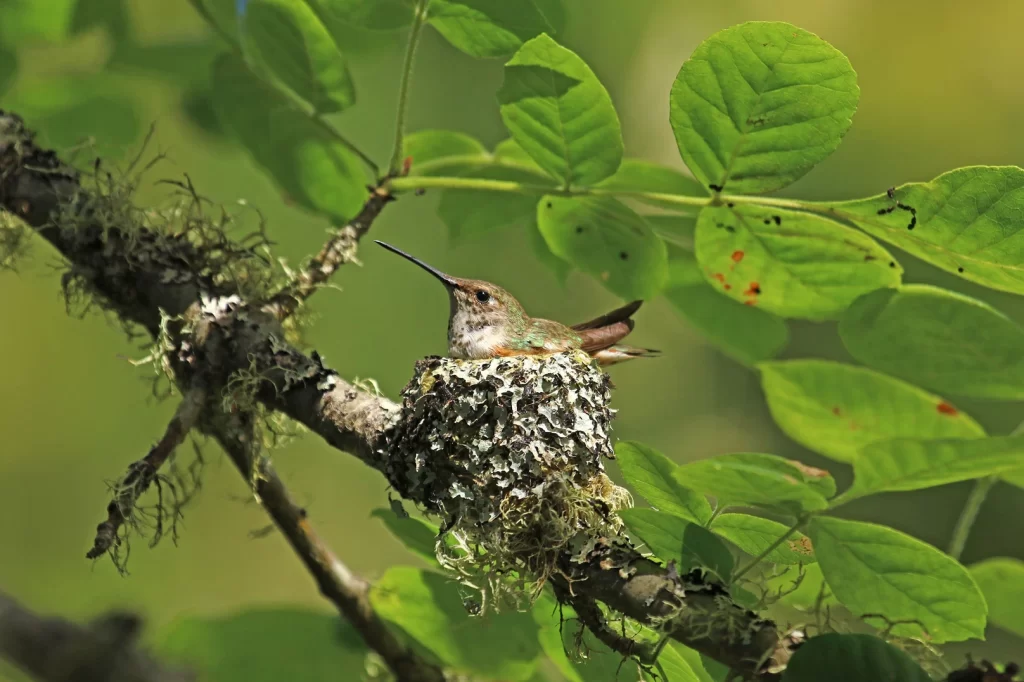
- Hummingbirds often nest in trees or shrubs 5-10 feet off the ground.
- You can provide nesting material such as natural cotton fibers or pet fur (free from chemicals).
- Avoid loud noises or disturbances in nesting areas during breeding season.
By thinking holistically about the needs of hummingbirds, your yard becomes more than a feeding stop—it becomes a home.
Tip 5: Attract Hummingbirds Year-Round
While many people think of hummingbirds as summer visitors, strategic gardening and habitat design can encourage visits from early spring to fall—and in warmer regions, even year-round.
Planning a Bloom Calendar
Use a mix of plants that bloom at different times:
- Spring: Columbine, Coral Honeysuckle, Red Buckeye
- Summer: Bee Balm, Trumpet Vine, Salvia
- Fall: Pineapple Sage, Autumn Sage, Jewelweed
This ensures a continuous supply of nectar and reduces competition with other nectar-feeding insects or birds.
Overwintering Tips (For Warmer Zones)
- In southern U.S. states, some hummingbird species stay all winter. Keep feeders up and clean.
- Plant evergreen shrubs and late-blooming flowers.
- Provide extra shelter from wind and rain with dense foliage or windbreaks.
By extending your offerings through each season, you’ll help migrating hummingbirds and support local populations.
Tip 6: What NOT to Do When Trying to Attract Hummingbirds
Even well-intentioned gardeners can make mistakes that drive hummingbirds away or put them at risk. Here are some things to avoid:
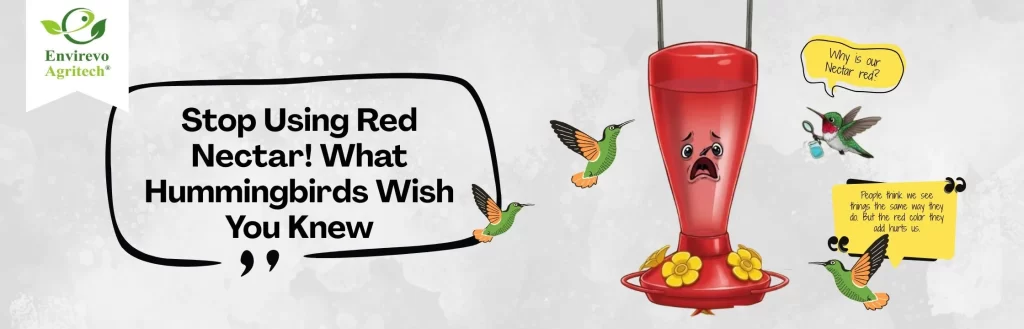
- Don’t Use Red Dye in Nectar: Red dye can be harmful to hummingbirds’ kidneys and liver. If your feeder isn’t red, use a red ribbon or nearby red flowers to attract them.
- Avoid Letting Feeders Get Moldy: Spoiled nectar can make hummingbirds sick. Mold and bacteria build up quickly in warm weather, so clean feeders every few days.
- Don’t Use Invasive or Non-Native Plants: Some plants may look attractive but offer little or no nectar. Focus on native species that are adapted to your local environment.
- Avoid High-Activity Zones: Don’t place feeders near noisy, high-traffic areas like patios, doors, or children’s play zones. Hummingbirds prefer quieter, undisturbed spaces.
By steering clear of these common mistakes, you protect your hummingbirds and enhance your garden’s appeal.
Tip 7: One Gorgeous Addition Hummingbirds Can’t Resist
If you want to attract hummingbirds almost instantly, plant a Trumpet Honeysuckle (Lonicera sempervirens). With its stunning coral-red tubular flowers, long blooming season, and high nectar output, this vine is a showstopper in any yard. It thrives on trellises, fences, or even mailbox posts. It’s not invasive like Japanese honeysuckle, and it provides both food and cover for hummingbirds. Best of all, it blooms early in spring and continues into fall with proper care.
This one beautiful addition can elevate your yard into a hummingbird hotspot—visually enchanting and ecologically rich.
Bonus Tips to Attract Hummingbirds to Your Garden
Plants like lamb’s ear (Stachys byzantina) provide soft, fuzzy fibers that hummingbirds often use for nest building.
Before flowers bloom or feeders are noticed, fluttering red ribbons or garden flags can catch a hummingbird’s eye from afar. It helps them locate your yard while scouting.
Avoid destroying spider webs in areas near hummingbird activity. Hummingbirds use spider silk for nest-building and even snack on small spiders for protein.
Conclusion: Start Your Hummingbird Journey Today
Transforming your yard into a hummingbird paradise doesn’t require expensive landscaping or complicated systems. It starts with understanding what these remarkable birds need—nectar-rich flowers, fresh water, safe shelter, and chemical-free surroundings. Choose native plants, maintain clean feeders, provide water in creative ways, and avoid harmful practices. With just a few intentional changes, you’ll not only attract hummingbirds but also create a vibrant, biodiverse space filled with life and color.
Start today—plant a flower, hang a feeder, or install a mister. Then sit back and enjoy the show as nature’s tiniest acrobats bring your garden to life.
Have a hummingbird tip or story to share? Leave a comment below or tag us in your garden photos—let’s celebrate these amazing birds together!