Table of Contents
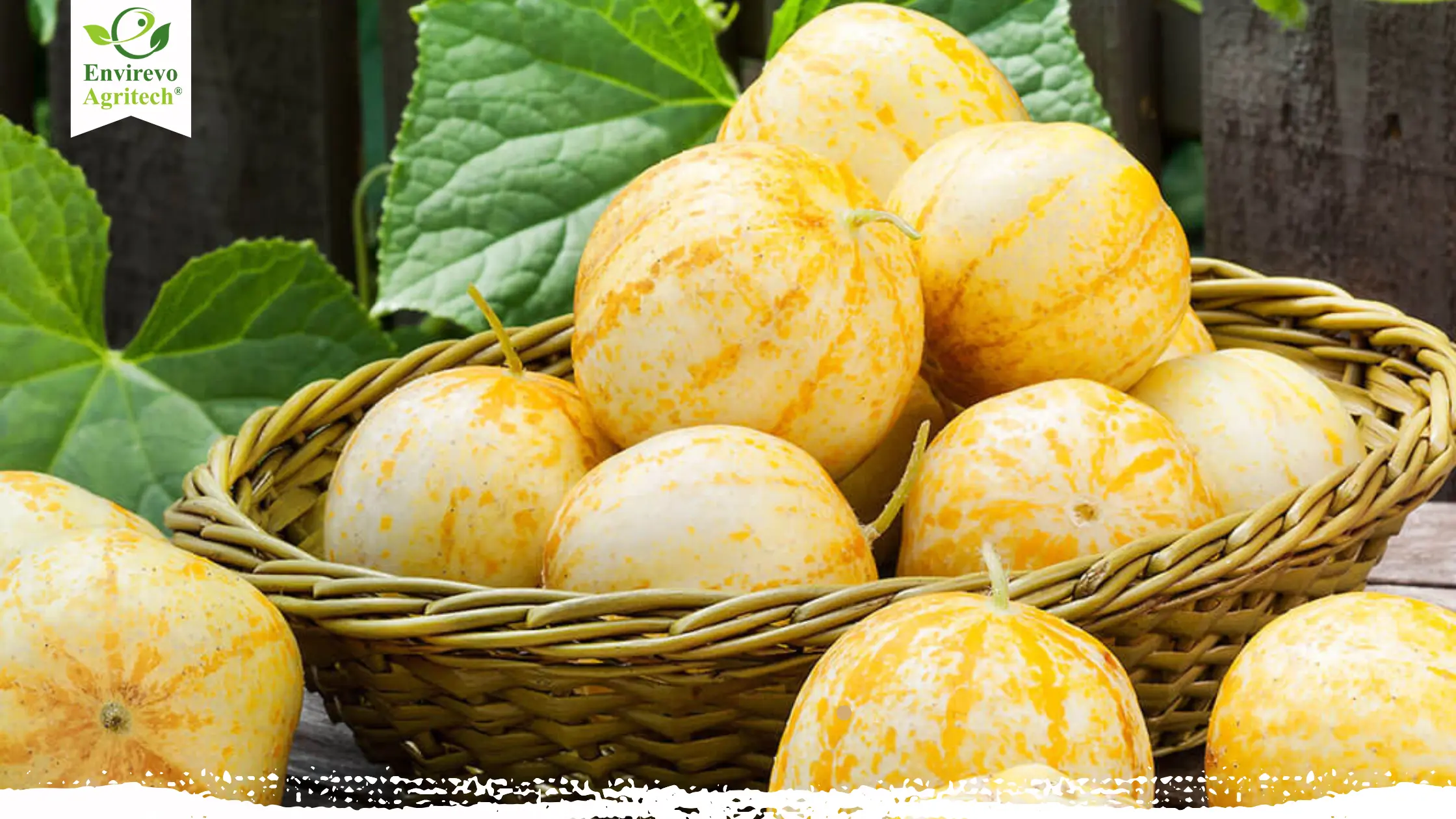
Imagine stepping into your garden on a warm summer morning and spotting small, round, golden fruits peeking through lush green vines. At first glance, they might look like tiny lemons, but when you pick one, slice it open, and take a bite, you’re greeted with a burst of cool, crisp, and slightly sweet cucumber flavor. That’s the magic of lemon cucumbers—a charming heirloom variety that’s as beautiful as it is delicious.
Unlike the long, green cucumbers you see in most supermarkets, lemon cucumbers are about the size of a tennis ball and glow like little suns hanging from the vines. They’re fun to grow, a conversation starter at the dinner table, and surprisingly productive for their size. Plus, their mild, non-bitter flavor makes them perfect for salads, pickling, or simply enjoying fresh from the garden with a pinch of salt.
But here’s the thing: while lemon cucumbers are easy to grow, they’re not completely hands-off. To get a bumper crop of these golden gems, you need to understand when to plant them, how to care for the vines, and what steps to take to prevent common pests and diseases. In this guide, we’ll cover everything you need to know about growing lemon cucumbers, from choosing the perfect planting spot and preparing the soil to trellising, watering, fertilizing, and harvesting at just the right moment.
So grab your gardening gloves—it’s time to grow something extraordinary.
What Are Lemon Cucumbers and Why Grow Them?
Lemon cucumbers (Cucumis sativus var. sativus) are an heirloom cucumber variety that originated in India in the late 19th century. Unlike standard cucumbers, which are typically elongated and green, lemon cucumbers grow into small, round fruits about the size of a tennis ball. Their skin turns from pale green to bright yellow as they mature, making them easy to spot among leafy vines.
These cucumbers are popular for several reasons:
- Mild flavor: They have a sweet, crisp taste without the bitterness that some green cucumbers develop when overripe.
- Versatility: Perfect for salads, sandwiches, pickling, or even sliced raw with a sprinkle of salt.
- Prolific yield: With proper care, a single plant can produce dozens of fruits over the season.
- Unique appearance: Their bright yellow color adds visual interest to your garden and dining table.
- Heat tolerance: Lemon cucumbers can handle slightly warmer conditions than other cucumber varieties, making them ideal for summer gardens.
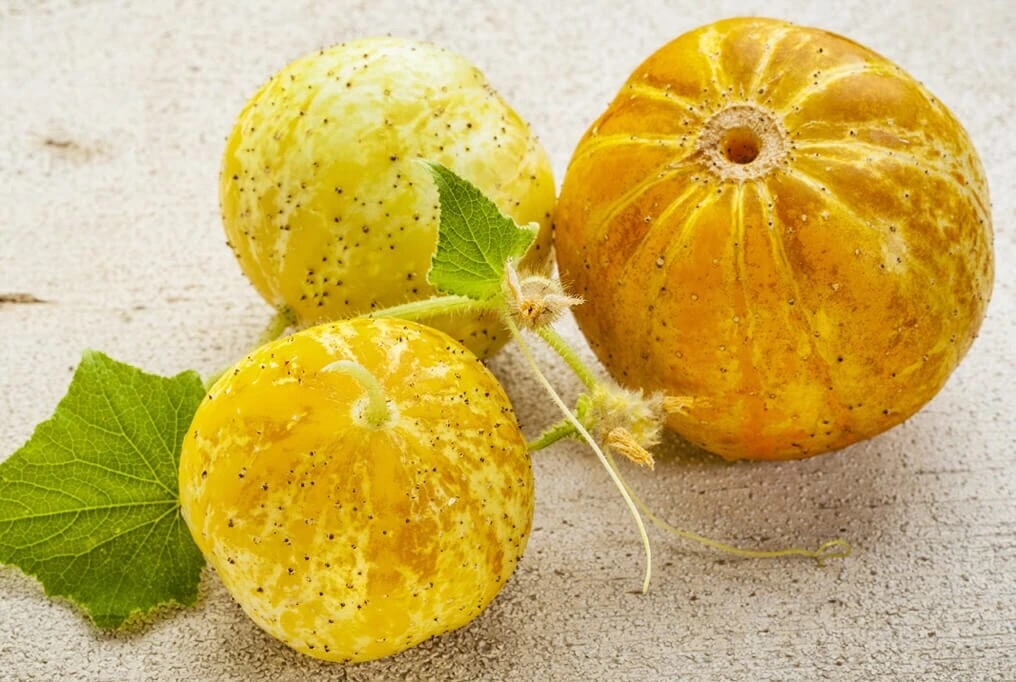
These qualities make lemon cucumbers a fantastic choice for home gardeners looking to grow something both practical and eye-catching.
Benefits of Growing Lemon Cucumbers
Growing lemon cucumbers offers several rewarding benefits for gardeners. Their unique appearance creates visual interest and attracts attention in any garden space. This novelty plant serves as both an ornamental and edible addition to your garden. They are ideal for small gardens since they can be grown in containers or vertically. Their compact size and growth habit make them versatile. Moreover, their heirloom variety allows for seed saving, promoting sustainable gardening practices.
Some notable benefits are:
- Adds visual appeal to the garden
- Suitable for small spaces and containers
- Supports sustainable gardening through seed saving

Best Time & Location for Planting Lemon Cucumbers
When to Plant Lemon Cucumbers?
Lemon cucumbers are warm-weather crops that require consistently high temperatures for both germination and proper growth. The ideal planting time is after the last threat of spring frost has passed, when soil temperatures consistently reach 18–21°C (65–70°F). In most temperate climates, this means sowing seeds in late spring; subtropical and tropical gardeners may even enjoy a longer season by succession sowing.
If you live in a region with a short growing season, you can start seeds indoors about three to four weeks before the last frost date, using biodegradable pots to minimize root disturbance at transplantation. Transplant outdoors only when nighttime temperatures remain above 15°C (59°F) to prevent stunted growth.
Pro Tip: Harden off seedlings by gradually exposing them to outdoor conditions for a few hours each day over a week before transplanting.
Where to Plant Lemon Cucumbers?
Lemon cucumbers need ample sunlight—at least 6–8 hours of direct sun daily—for vigorous growth and maximum yields. Select a garden bed or large container in a sunny spot protected from cold winds. Good airflow around the plants discourages mildew and pest buildup. Though their fruits are small, lemon cucumber vines can spread several feet. Allow a minimum of 91–152 cm (36–60 inches) between plants or plant hills, or use vertical supports to maximize limited garden space.
Avoid planting cucumbers in the same spot year after year to prevent the buildup of soil-borne diseases. Practice crop rotation by alternating cucumbers with unrelated crops such as beans or leafy greens.
Lemon Cucumber Plant Care
Preparing Soil for Growing Lemon Cucumber
Healthy, nutrient-rich soil is a non-negotiable factor for growing prolific lemon cucumber plants. Aim for well-drained soil rich in organic matter with a slight acidity to neutral pH (6.0–7.0). Before planting, perform a soil test to determine fertility and pH; amend as needed to create ideal growing conditions.
- Remove Debris and Weeds: Clear the planting area to prevent competition for nutrients and water.
- Loosen and Aerate: Work the soil to a depth of at least 30 cm (12 inches), breaking up clods for root penetration.
- Incorporate Organic Matter: Mix in 2–4” (5–10 cm) of aged compost or well-rotted manure. This boosts water-holding capacity, microbial health, and slow-release fertility, fostering robust early growth.
- Fine-Tune pH (If Needed): Adjust soil pH with agricultural lime (to raise) or sulfur (to lower) as per soil test results.
- Improve Drainage (If Necessary): If soil is heavy clay, add coarse sand or compost to avoid root rot.
How to Plant Lemon Cucumber Seeds or Seedlings
Once your soil is ready and the weather is warm enough, you can begin planting. Lemon cucumbers can be started from either seeds or young transplants.
Direct Sowing
- Plant seeds 1–2.5 cm (½–1 inch) deep in moist soil, spaced 5 cm (2 inches) apart initially.
- When seedlings are 10–13 cm (4–5 inches) tall, thin to final spacing: 46–61 cm (18–24 inches) apart.
- Rows should be spaced 3-4 feet apart.
- Grouping seeds in “hills” (clusters of 4–5 seeds) and thinning to the two strongest is another traditional technique.

Transplanting Seedlings
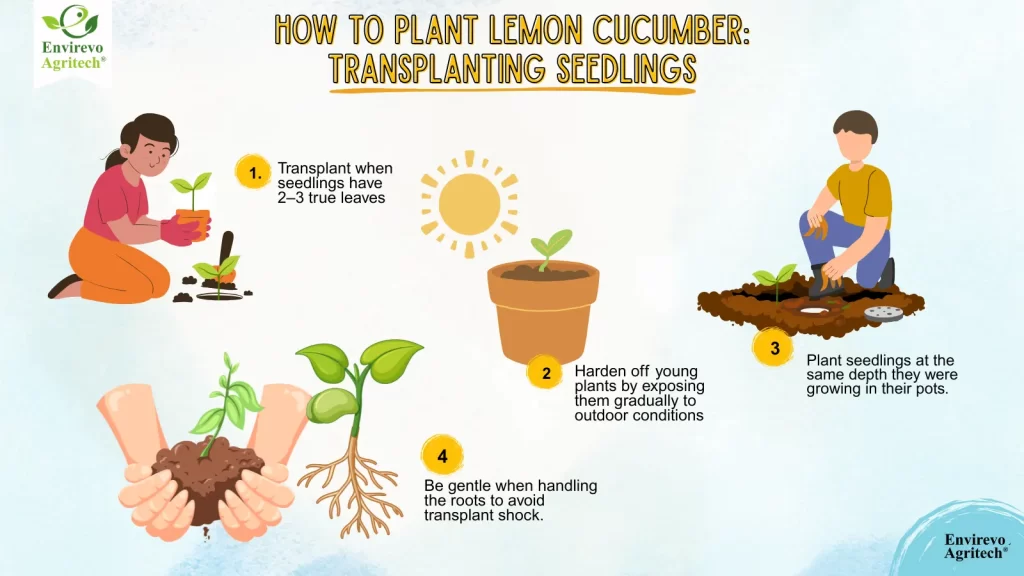
- Transplant when seedlings have 2–3 true leaves and nighttime temperatures are consistently above 55°F (13°C).
- Harden off young plants by exposing them gradually to outdoor conditions for 1–2 weeks.
- Plant seedlings at the same depth they were growing in their pots.
- Be gentle when handling the roots to avoid transplant shock.
Watering Guidelines
Lemon cucumbers require consistent moisture throughout the growing season for juicy, flavorful fruits. Irregular watering may cause bitterness or misshapen fruits.
- Watering Frequency: Provide 2.5 cm (1 inch) of water per week as a baseline, increasing during dry spells but never allowing the soil to become soggy.
- Technique: Water at the base to keep foliage dry and reduce fungal risk; soaker hoses and drip irrigation work best.
- Container Plants: Check daily, as pots dry out quicker.
Fertilizing Lemon Cucumbers
Regular feeding boosts plant productivity. Use a balanced, all-purpose fertilizer every four to six weeks. This supports healthy growth and abundant fruiting. Avoid over-fertilizing, which can harm plants. Always follow package instructions for optimal results.
- At planting: Mix a slow-release 5-10-10 fertilizer into the soil.
- During growth: Side-dress with compost or a balanced fertilizer every 2–3 weeks.
- When flowers appear: Switch to a fertilizer higher in potassium and phosphorus to encourage fruiting.
Mulching
- Wait until soil is thoroughly warm before mulching to prevent delayed growth.
- Apply 2–3 inches (5–7.5 cm) of organic mulch such as straw, shredded leaves, or untreated grass clippings.
- Pull mulch away from plant stems to discourage rot and slugs.
Supporting Your Lemon Cucumber Plants
Lemon cucumber vines grow quickly and can spread several feet in all directions. Without proper support, the fruits may sit on the soil, leading to rot, pest damage, or misshapen growth. You can use sturdy trellises, fencing, or even a teepee structure made from bamboo poles. Train the vines by gently tying them to the support using soft garden ties or strips of cloth.

Tip: For container-grown cucumbers, a simple tomato cage or vertical netting works perfectly.
Common Pests and Diseases Affecting Lemon Cucumbers
| Problem | How to Identify | Common Symptoms |
|---|---|---|
| Aphids | Tiny green, black, or yellow insects clustered on the undersides of leaves. | Curling leaves, sticky honeydew residue, stunted growth. |
| Cucumber Beetles | Small, yellow-and-black striped or spotted beetles around vines and flowers. | Holes in leaves, damaged blossoms, fruit scarring, bacterial wilt spread. |
| Spider Mites | Extremely tiny red or brown mites visible under magnification, often leaving fine webbing. | Speckled yellow leaves, dry or dusty-looking foliage. |
| Whiteflies | Small white flying insects that scatter when the plant is disturbed. | Yellowing leaves, honeydew secretion, reduced vigor. |
| Squash Bugs | Brownish-gray flat bugs hiding under leaves or near stems. | Wilting leaves, yellowing, and sudden plant collapse. |
| Powdery Mildew | White, powdery spots on leaves, stems, or flowers. | Reduced photosynthesis, yellowing, and premature leaf drop. |
| Downy Mildew | Yellow or light green angular spots on upper leaf surfaces, grayish-purple mold underneath. | Leaf curling and rapid decline of vines. |
| Bacterial Wilt | Spread by cucumber beetles; difficult to see without lab tests. | Sudden wilting of vines, even with adequate watering, slimy ooze from cut stems. |
| Anthracnose | Dark, water-soaked spots on leaves and fruits that turn black. | Sunken fruit lesions, defoliation, poor fruit quality. |
When and How to Harvest Lemon Cucumbers
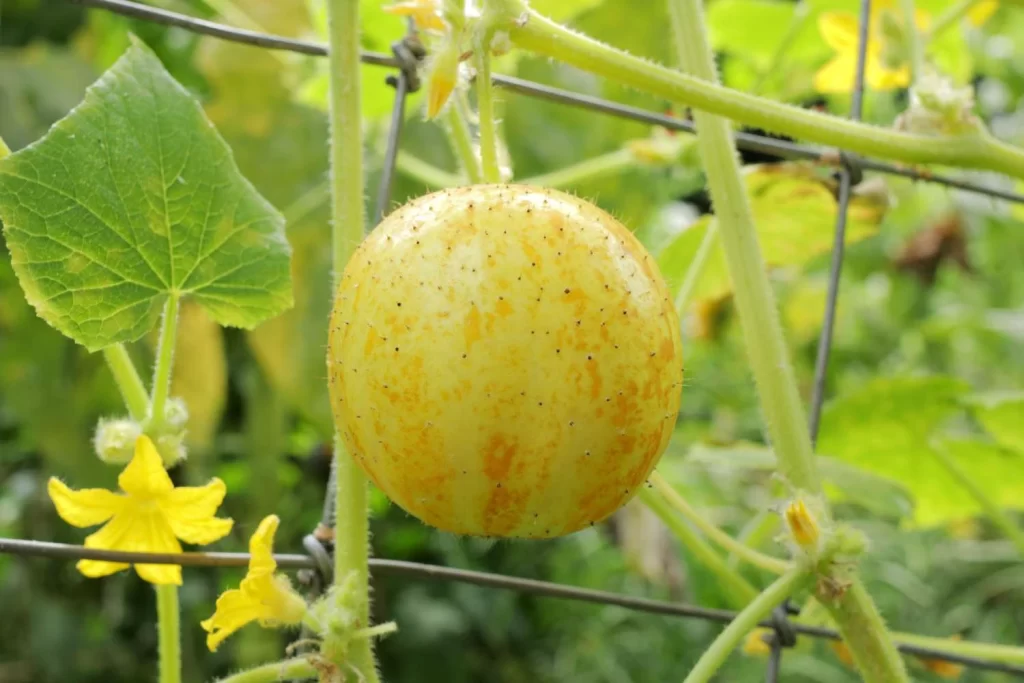
Lemon cucumbers are ready to pick when they are bright yellow and firm. This usually occurs about 60-70 days after planting. Harvesting them at the right time ensures the best taste. Regular harvesting encourages more fruit production. Check your plants often to keep up with their fast growth. Leaving fruits on the vine too long can result in overripe and tough cucumbers. Handle cucumbers gently to avoid bruising. Use a pair of scissors or sharp knife to cut them cleanly. This reduces damage to the plant and promotes healthier growth.
- Pick when fruits reach 5–7 cm (2–3 inches) in diameter with bright lemon-yellow skin, before seeds and skin thicken.
- Larger, over-mature fruits may taste bland or bitter and contain tough seeds.
- Gently twist or clip fruits from the vine to avoid damaging the plant or nearby developing fruits.
- Harvest every 2–3 days during peak production to encourage more blooms and extend the harvest window.
Storing and Using Your Lemon Cucumbers
Lemon cucumbers can be stored in the refrigerator for up to a week. Place them in a plastic bag or container to keep them fresh. Proper storage maintains their crisp texture and flavor. These versatile cucumbers can elevate various dishes. From salads to pickles, their mild sweetness is delightful. Enjoy them fresh, or use them in creative ways.
- Wash fruits to remove dust or remaining prickles; use gloves if sensitive to plant spines.
- Store unwashed lemon cucumbers in the refrigerator for up to 1 week; excessive moisture reduces shelf-life.
Saving Seeds for Next Season
If you love your lemon cucumbers, consider saving seeds for next year’s garden.
- Allow a few cucumbers to ripen fully until they turn orange and soft.
- Scoop out the seeds and place them in a jar with water.
- Let them ferment for 1–2 days, then rinse and dry thoroughly.
- Store seeds in a cool, dry place in an airtight container.
- Properly stored cucumber seeds can remain viable for up to five years.
Troubleshooting Common Problems
Lemon cucumbers can face several challenges during growth. Identifying and addressing these issues early is key. Pests like aphids or cucumber beetles may attack your plants. Regular inspection helps spot problems. Diseases such as powdery mildew can harm plants. Ensuring good air circulation minimizes this risk.
Common Issues and Solutions:
- Yellowing Leaves: Yellowing usually signals water stress, nutrient imbalance, or pest/disease attack.
- Poor Fruit Set: Lack of pollination due to few pollinators, extreme temperatures, or excess nitrogen can reduce fruit yield.
- Bitter or Misshapen Fruit: Bitterness commonly arises from water stress or excessive heat.
Growing lemon cucumbers is a fun and rewarding experience. These cheerful, bright-yellow fruits bring both visual charm and delicious flavor to your garden. By providing full sun, rich soil, consistent moisture, and proper pest management, you can enjoy a bountiful harvest throughout the summer. Whether you’re growing them in a backyard garden, raised bed, or container, lemon cucumbers offer versatility and high yields. With the tips and techniques in this guide, you’ll have everything you need to grow healthy, productive plants and enjoy these unique cucumbers season after season.
Frequently Asked Questions About Lemon Cucumbers
When are lemon cucumbers ready to pick?
When they are round, bright yellow, and about the size of a tennis ball. Harvest regularly to encourage continuous production.
Do lemon cucumbers need a trellis?
Yes, a trellis improves airflow, saves space, keeps fruit clean, and helps prevent pests and diseases.
How big do lemon cucumbers get?
The fruits grow 2–3 inches in diameter, while vines can spread up to 5–6 feet if not trellised.
Can i grow lemon cucumbers in a pot?
Absolutely. Use a 12-16 inch deep pot with well-draining soil and provide a sturdy trellis or cage for support.
How long do lemon cucumbers take to grow?
They typically mature in 60–70 days from planting, depending on growing conditions.
How to eat lemon cucumber?
Eat them fresh, sliced in salads, sprinkled with salt, or pickled for later use. No need to peel unless the skin feels tough.