Table of Contents
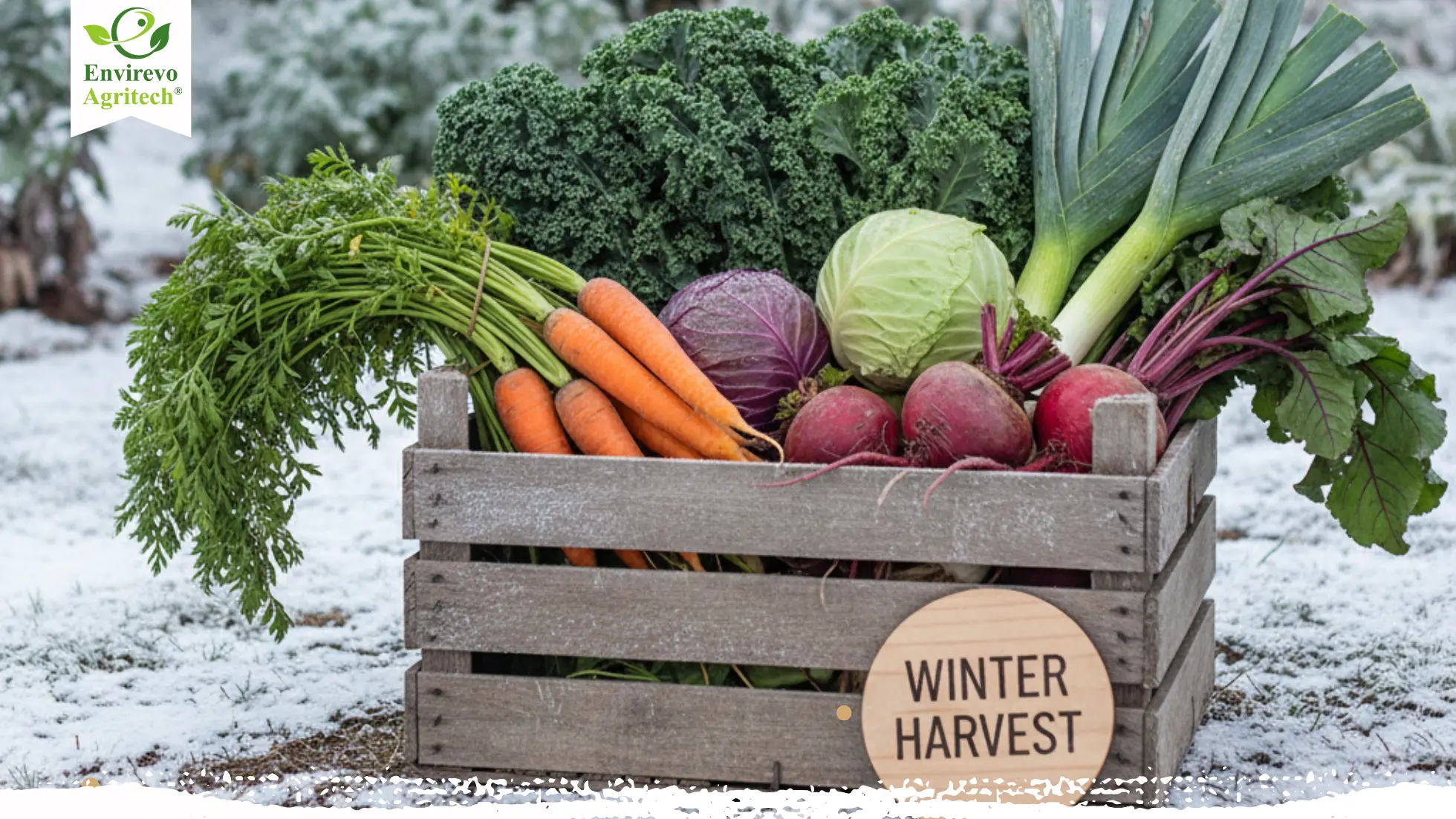
Winter doesn’t mean your vegetable garden has to hibernate. When most people think winter gardening is impossible, experienced gardeners know the secret: cold-hardy winter vegetables that not only survive freezing temperatures but actually thrive in them. These remarkable plants transform frost into sweetness, making winter harvests some of the most flavorful of the year.
Winter vegetables possess extraordinary cold-tolerance mechanisms that allow them to flourish when other plants would perish. These hardy crops have evolved specialised cellular structures with increased space between cells, preventing ice crystal formation that would damage tender plants. Even more fascinating, cold exposure triggers these vegetables to convert stored starches into sugars, making them naturally sweeter after frost exposure.
Understanding cold tolerance categories helps gardeners make informed planting decisions. Semi-hardy vegetables can withstand light frosts (28-32°F), while very hardy vegetables survive hard frosts below 28°F and some even tolerate temperatures as low as -20°F.
The Top 20 Winter Vegetables for Cold-Weather Gardening
1. Kale
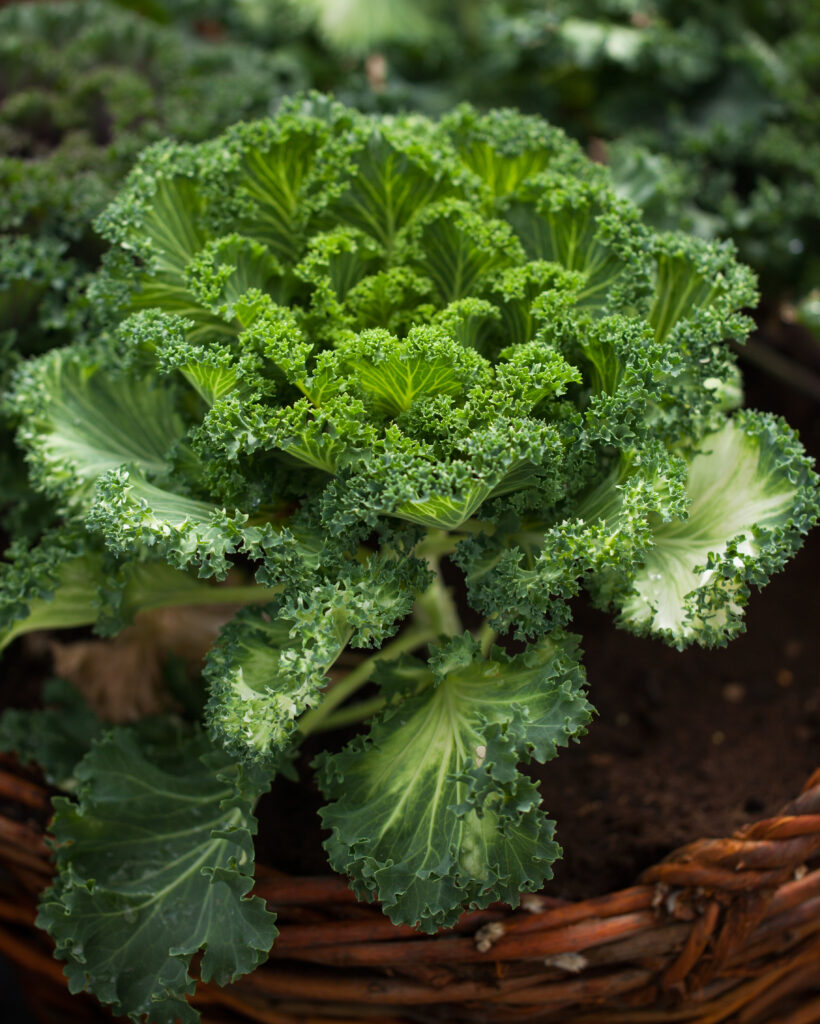
Kale stands as the undisputed champion of winter vegetables, surviving temperatures as low as 5°F without protection. Red Russian Kale and Winterbor Kale demonstrate exceptional cold hardiness, often growing throughout winter even in harsh climates. The leaves become noticeably sweeter after frost exposure, making winter-grown kale a gourmet treat.
- Hardiness Zones: USDA Zones 2-10 (can thrive in zones 2-6 with proper care, optimal in zones 7-10)
- Size: 12-24 inches tall, 12-18 inches wide; space plants 12-18 inches apart in rows
- Growing Conditions: Full sun to partial shade (minimum 6 hours sunlight), well-draining fertile soil, pH 6.0-7.0, cool temperatures 60-70°F preferred
2. Brussels Sprouts
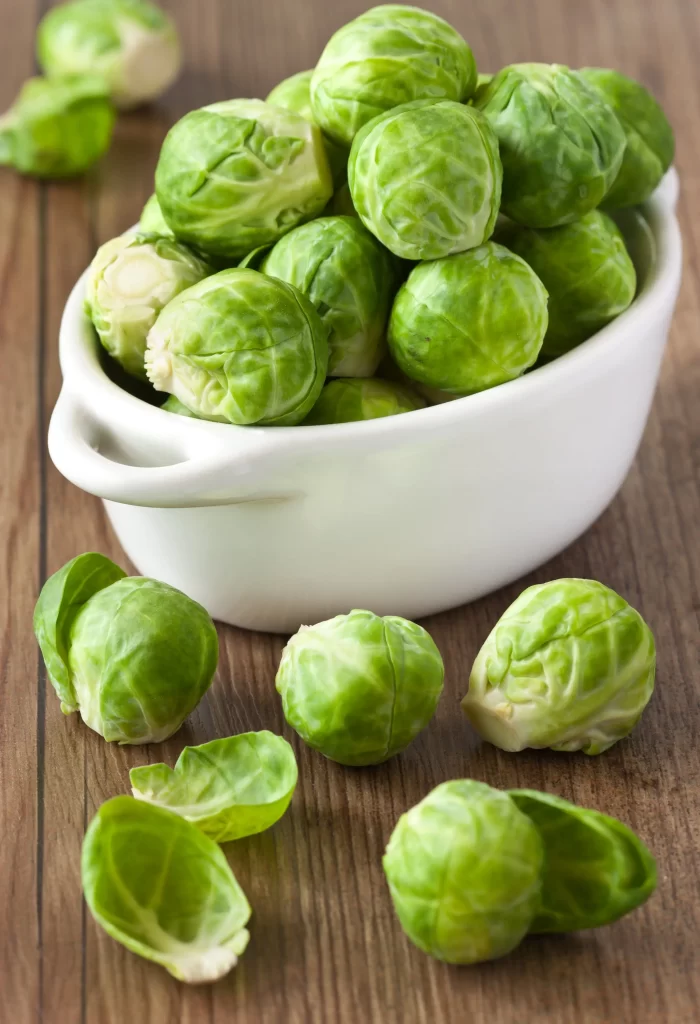
Brussels sprouts not only tolerate cold exceptionally well but actually require it for optimal flavor development. These members of the brassica family can withstand temperatures down to 10°F and continue producing harvestable sprouts through winter in mild climates. The key to successful Brussels sprouts is topping the plants one month before first frost to concentrate energy into sprout development.
- Hardiness Zones: USDA Zones 3-10 (versatile across wide range of climates)
- Size: 24-36 inches tall, 18-24 inches wide; space plants 18-24 inches apart in rows
- Growing Conditions: Full sun (minimum 6 hours), fertile well-drained soil, consistent moisture, cool temperatures for best sprout development
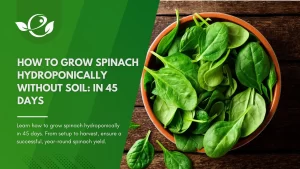
3. Spinach
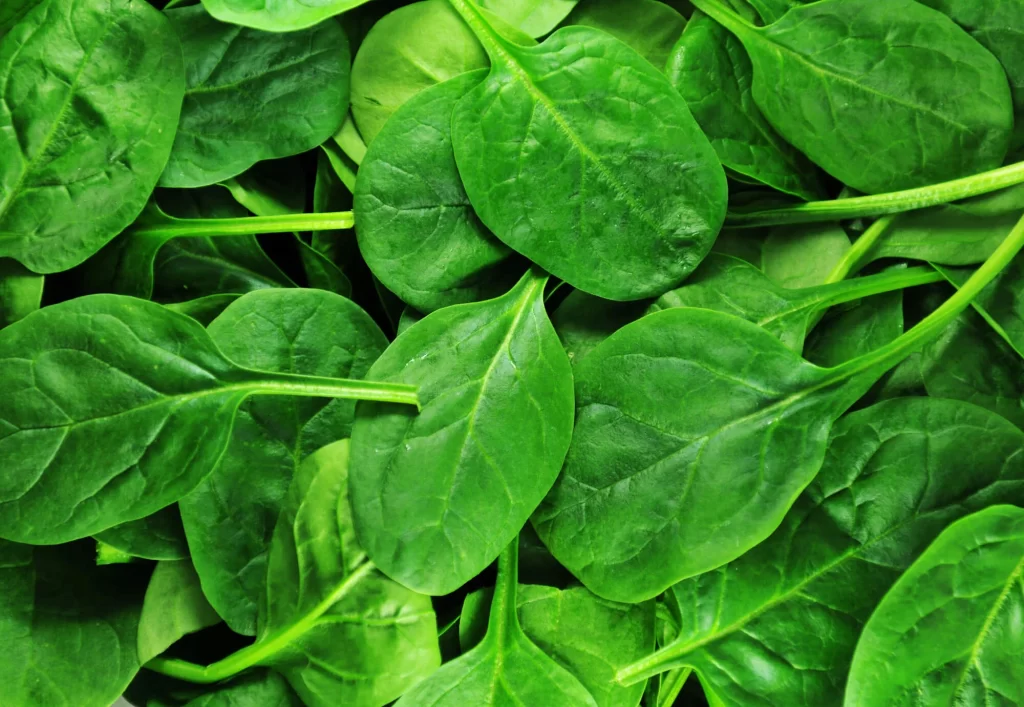
Spinach excels in winter gardens, capable of surviving hard frosts below 28°F. This biennial vegetable wants to stay productive as long as possible, resisting both cold and heat stress. Winter-grown spinach develops exceptional nutritional density and tender texture.
4. Carrots
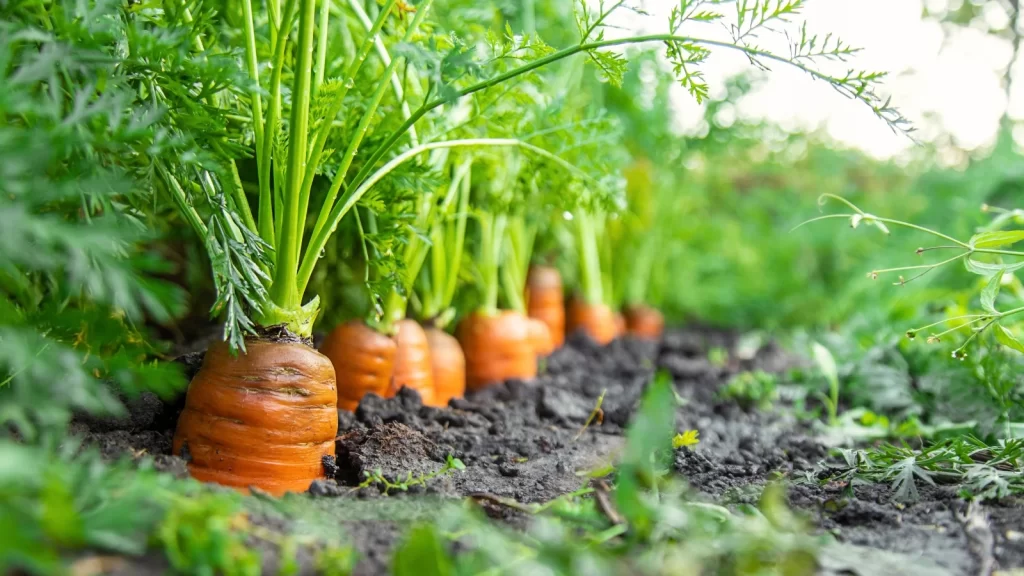
Carrots demonstrate remarkable cold tolerance, with their sweetness actually improving after frost exposure. These root vegetables can remain in the ground throughout winter in many climates, providing fresh harvests when needed. The conversion of starches to sugars during cold weather makes winter carrots incredibly flavorful.
- Hardiness Zones: USDA Zones 2-11 (can be grown in most climatic conditions)
- Size: 6-8 inches long (varies by variety), space 2-3 inches apart when mature; requires deep soil for root development
- Growing Conditions: Full sun (minimum 6 hours), deep loose soil free of rocks, pH 6.0-6.8, consistent moisture for best root development
5. Leeks

Leeks are the national emblem of Wales, which gives you an idea of how well this stalky green member of the onion family thrives in cool, damp fall weather. These versatile alliums can be harvested throughout winter, providing essential flavoring for hearty winter meals. Their thick, blanched stems become more tender after cold exposure.
6. Parsnips
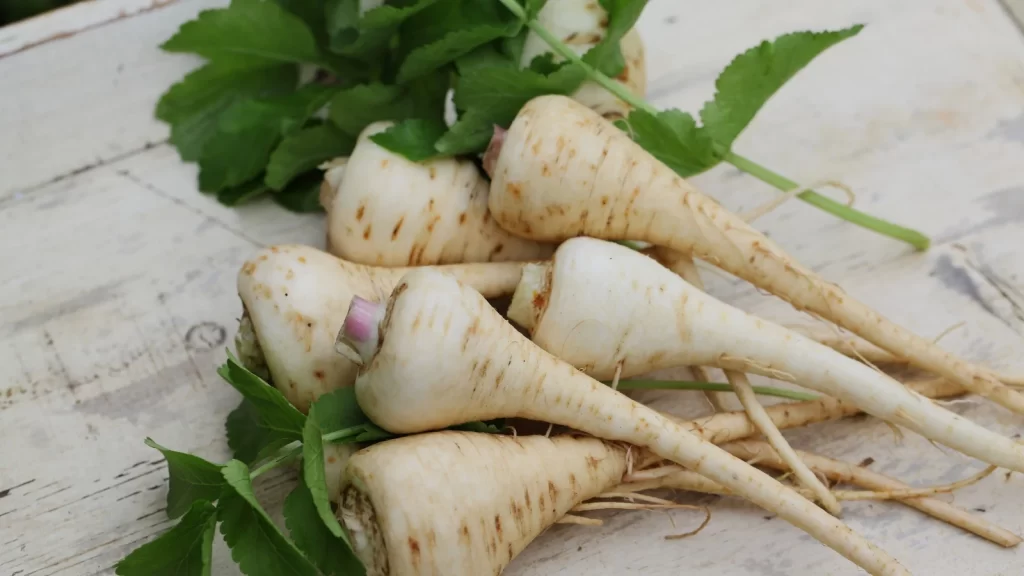
Parsnips represent one of nature’s perfect winter storage vegetables, capable of remaining in the ground until needed. These roots actually require cold exposure for optimal flavor development, as freezing temperatures convert their starches to sugars. Traditional winter cooking relies heavily on parsnips for their unique nutty, sweet flavor.
- Hardiness Zones: USDA Zones 3-11 (extremely hardy, improves with frost exposure)
- Size: 8-15 inches long roots, 12-18 inches tall foliage; space plants 3-6 inches apart in rows
- Growing Conditions: Full sun, deep fertile well-drained soil, pH 6.0-7.0, cool temperatures 50-75°F, requires long growing season 17-20 weeks
7. Cabbage
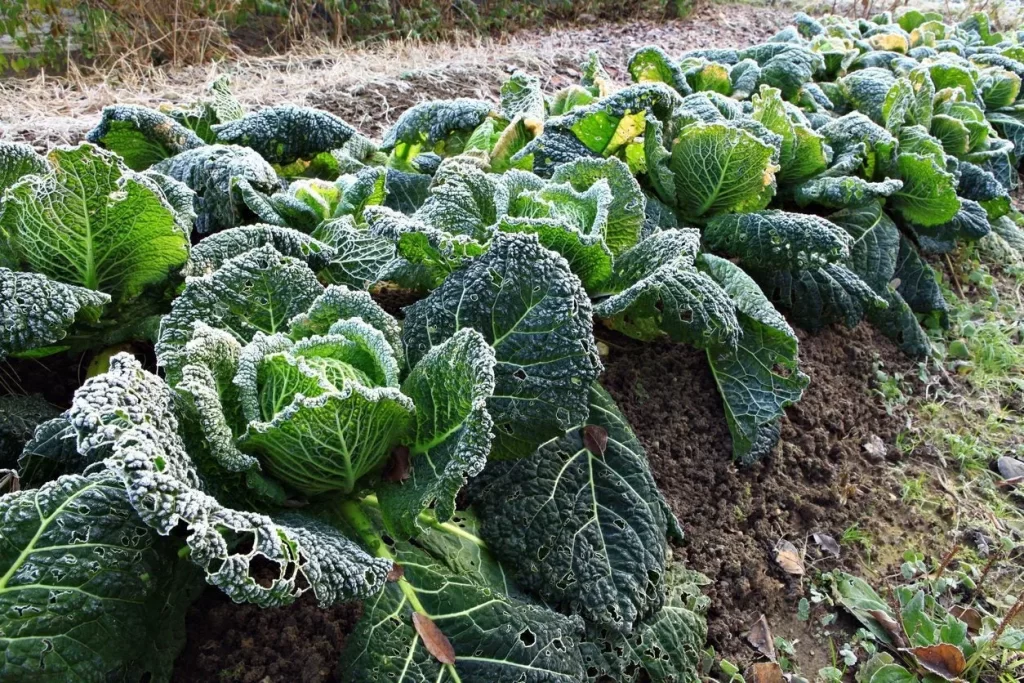
Cabbage varieties demonstrate excellent cold tolerance, surviving temperatures down to 20°F while maintaining quality. Savoy varieties with bumpy, textured leaves show superior cold resistance compared to smooth-leafed types. Winter cabbage develops dense, sweet heads perfect for storage and cooking.
8. Swiss Chard
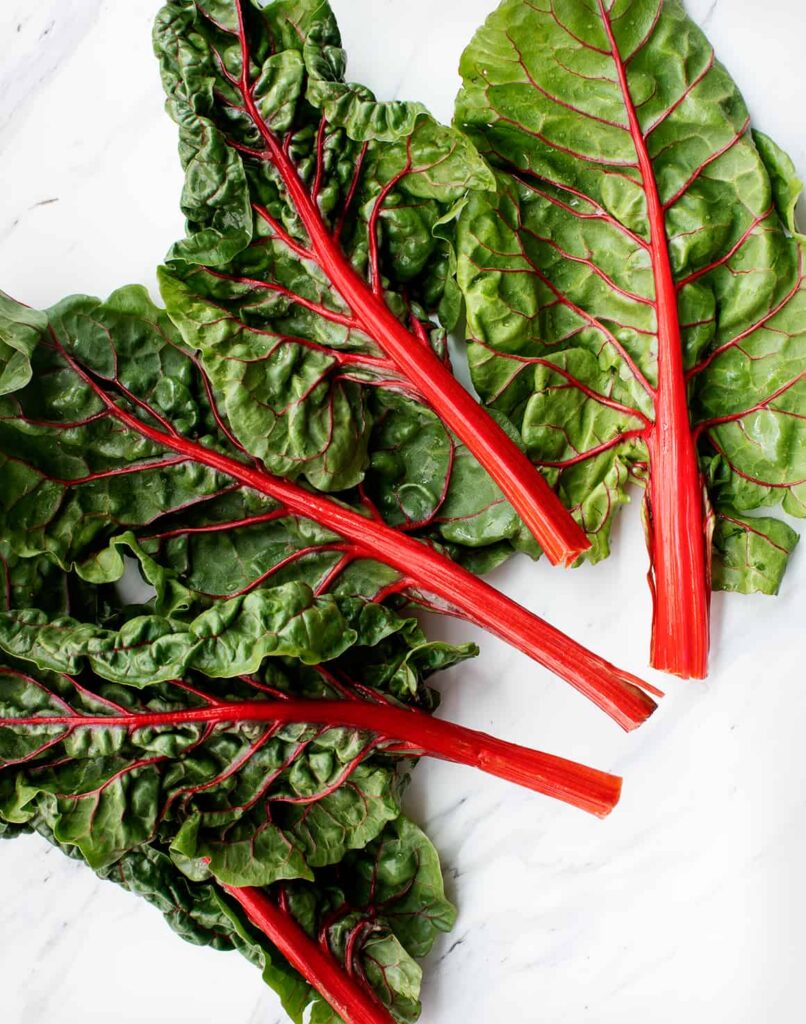
Summer may be Swiss chard’s banner season, but it’s harvested throughout the year and not only tolerates cold temperatures well but can taste even better when grown in the cold. Swiss chard tolerates cold temperatures down to 20°F while providing continuous harvests throughout winter. This biennial vegetable produces beautiful, colorful stems and nutrient-dense leaves even in cold weather. Fordhook variety with white stems shows exceptional cold hardiness.
- Hardiness Zones: USDA Zones 3a-11b (moderately winter hardy, tolerates light frost)
- Size: 18-24 inches tall, 12-18 inches wide; space plants 12-18 inches apart or 4 plants per square foot
- Growing Conditions: Full sun to partial shade (minimum 6 hours), fertile organic-rich soil, pH 6.0-7.0, temperatures 32-80°F optimal
9. Arugula
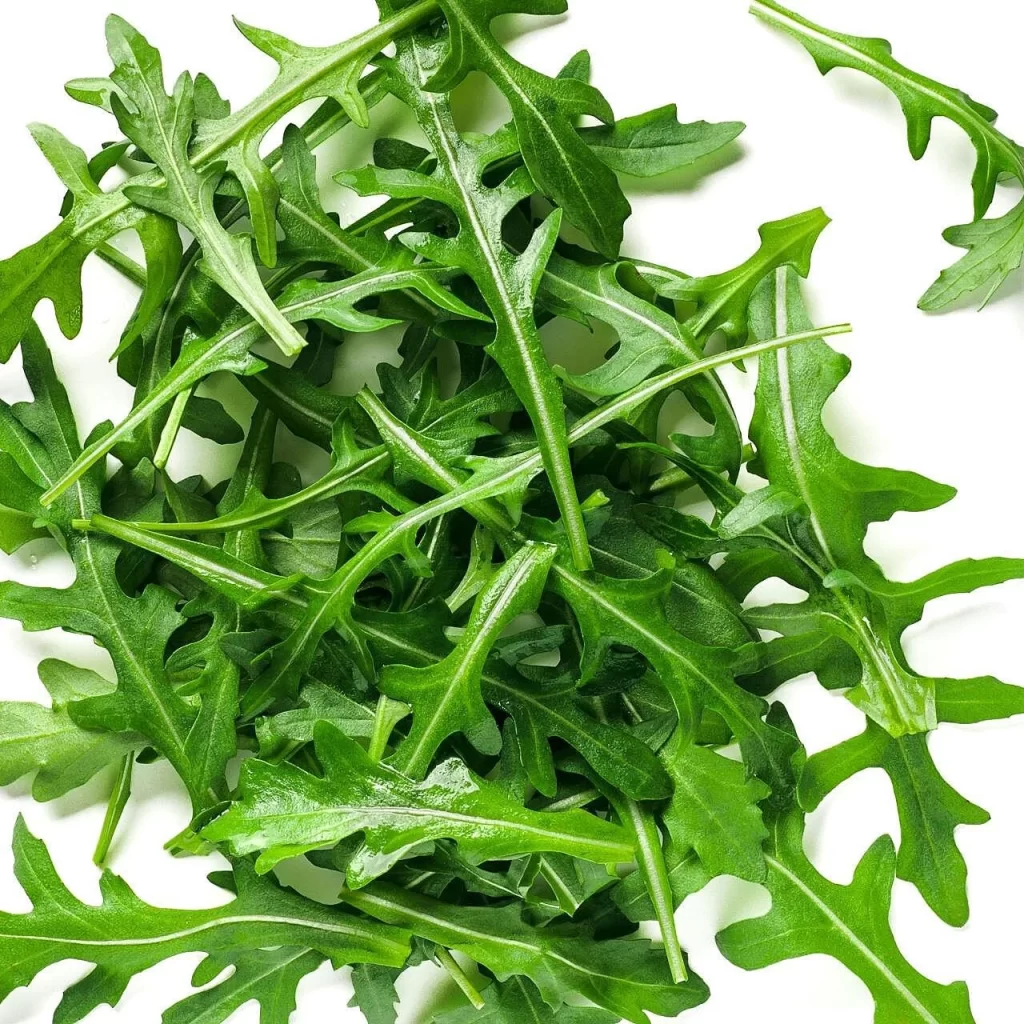
Arugula thrives in cool weather, actually preferring winter growing conditions over summer heat. This fast-growing brassica can survive temperatures down to 20°F and provides spicy, nutty flavors to winter salads. Ice Bred Arugula varieties show exceptional cold tolerance.
10. Turnips
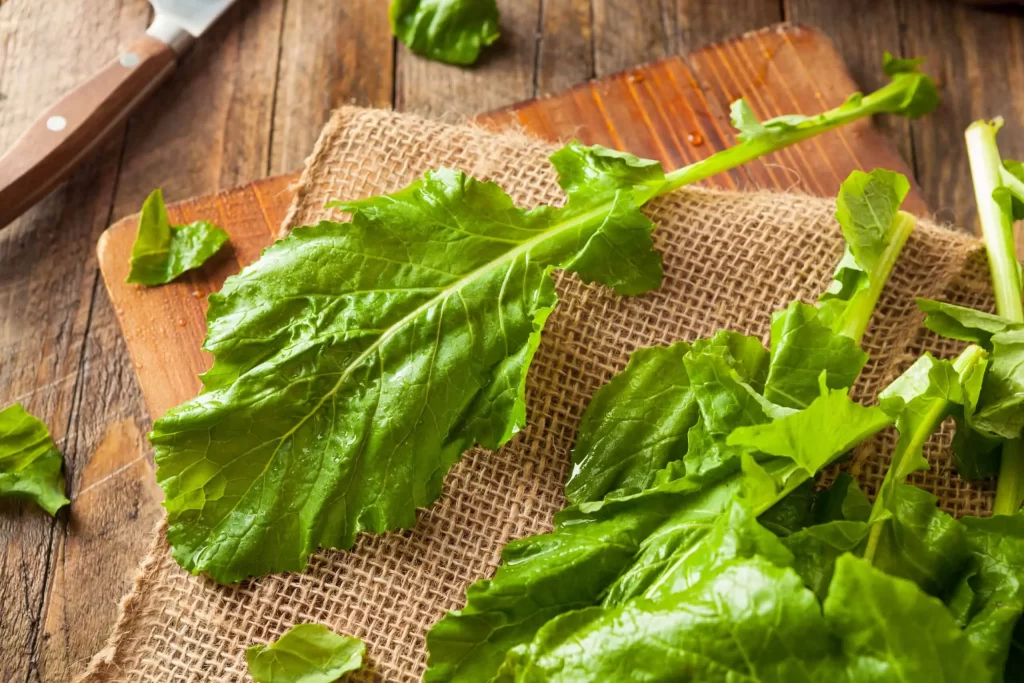
Turnips demonstrate excellent cold tolerance in both roots and greens, surviving light to moderate frosts. Both the bulbous roots and leafy greens provide valuable nutrition throughout winter months. Young turnip greens remain tender even after frost exposure.
11. Mache (Corn Salad)
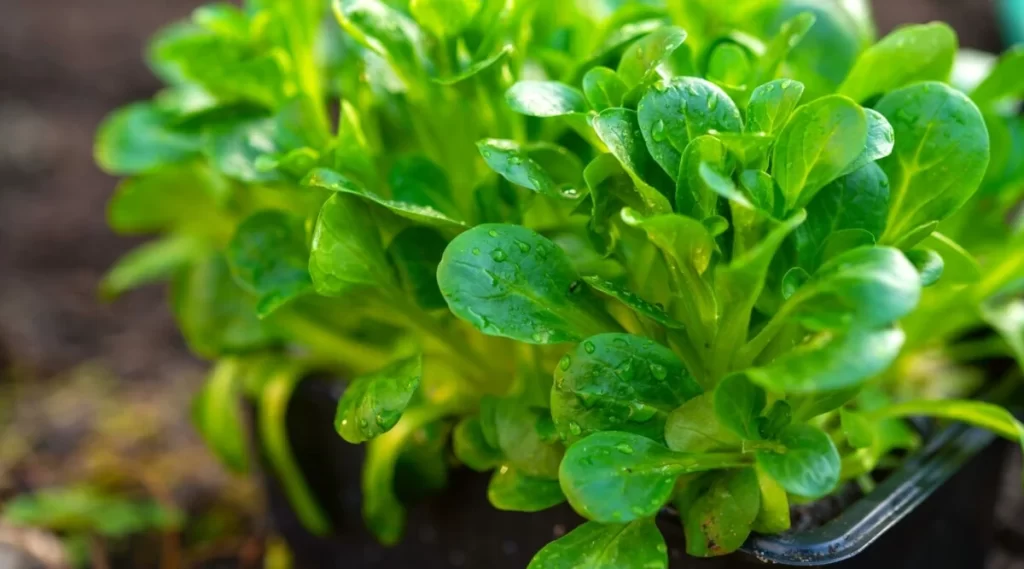
Mache, also known as corn salad or lamb’s lettuce, ranks among the most cold-tolerant salad greens available. This European favorite can survive temperatures as low as -20°F and continues producing throughout winter. Its delicate, nutty flavor makes it a prized gourmet green.
12. Radishes
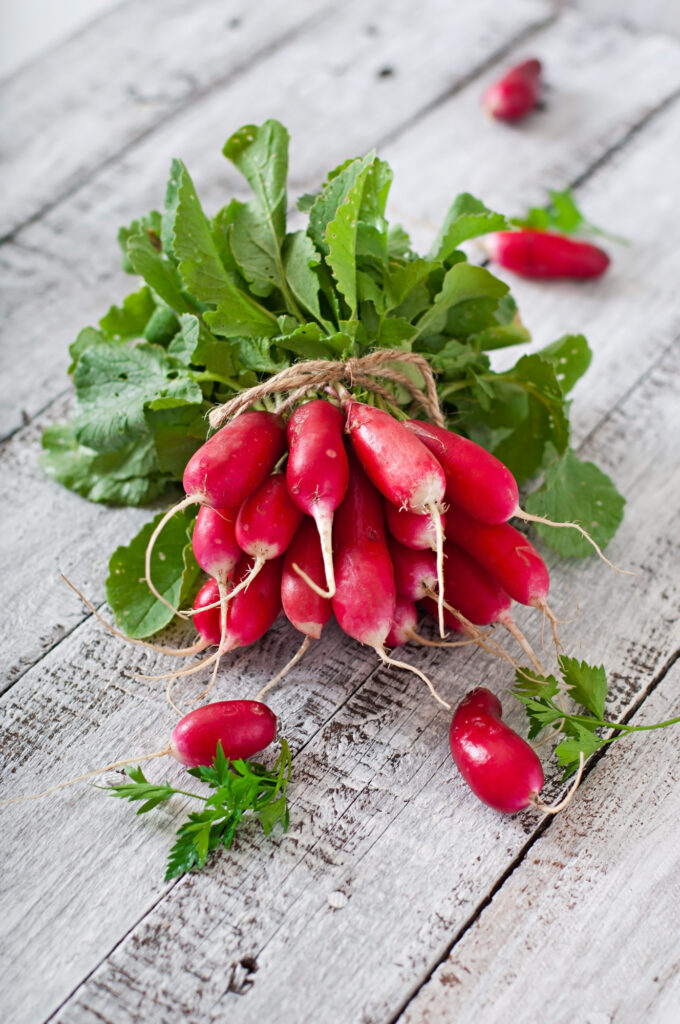
Radishes adapt well to cool weather growing, providing fast harvests throughout winter months. These quick-growing brassicas can be succession planted for continuous harvests. Winter radishes develop crisp texture and clean, sharp flavors.
13. Beets
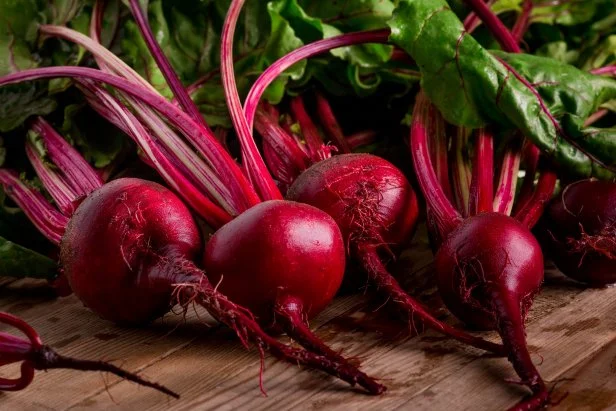
These cool-weather lovers can withstand light frosts and are harvested throughout the winter in milder climates. The roots actually become sweeter after frost, as cold temperatures trigger sugar conversion. Young beet greens provide nutritious winter harvests.
- Hardiness Zones: USDA Zones 2-10 (cold tolerant, survives light to moderate frost)
- Size: 12-18 inches tall including greens, 2-3 inch diameter roots; space plants 3-4 inches apart
- Growing Conditions: Full sun to partial shade, fertile well-drained soil, pH 6.0-7.5, consistent moisture for tender roots
14. Lettuce
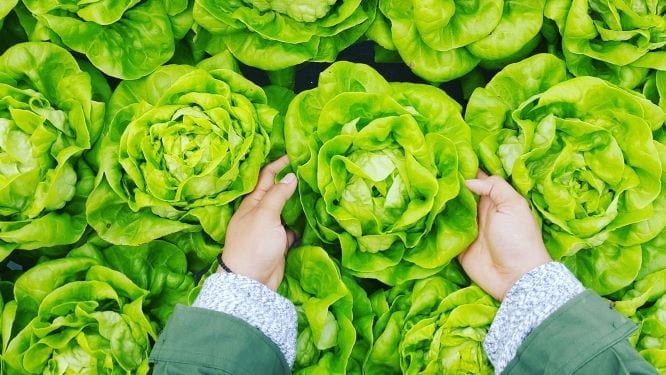
Many lettuce varieties show surprising cold tolerance when properly protected. Winter lettuce varieties and Buttercrunch types perform especially well in cold weather. Row covers and cold frames extend the lettuce season significantly.
15. Collard Greens
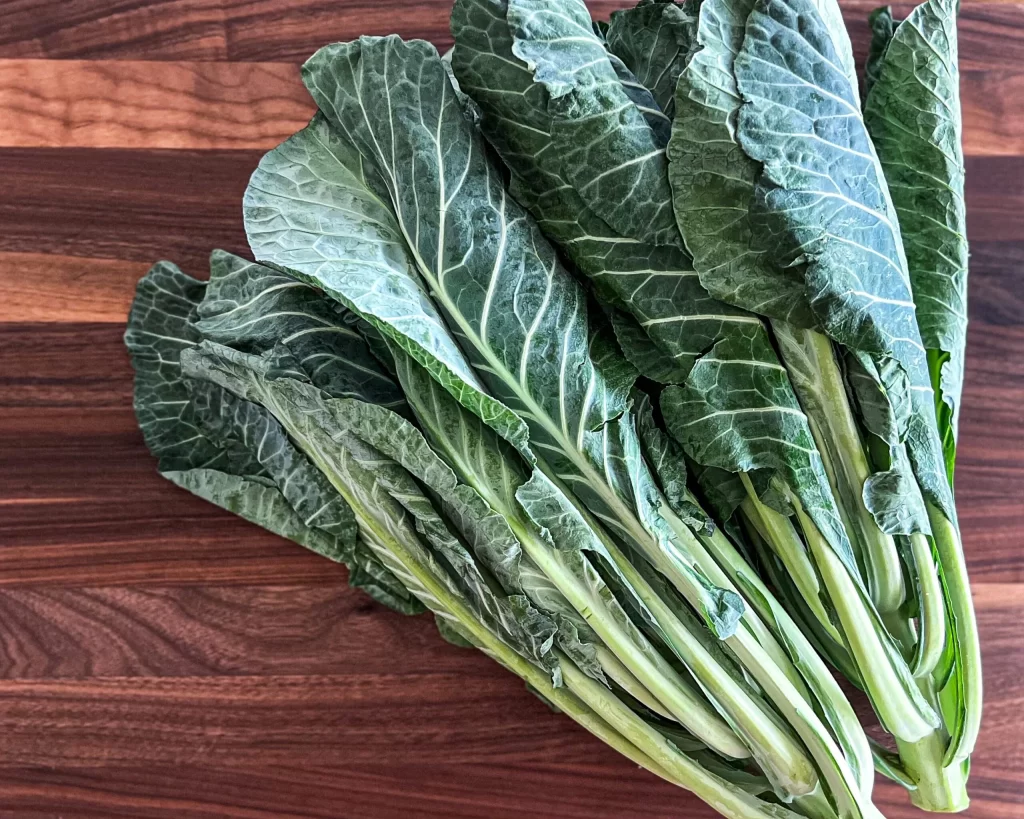
Collard greens are a staple in southern gardens but are often overlooked by northern gardeners. For best results, you can plant collard greens in mid-fall. It survives hard frosts while maintaining quality. These nutritious brassicas actually improve in flavour after exposure to cold temperatures. Traditional Southern gardens rely on collards for winter nutrition.
16. Mustard Greens
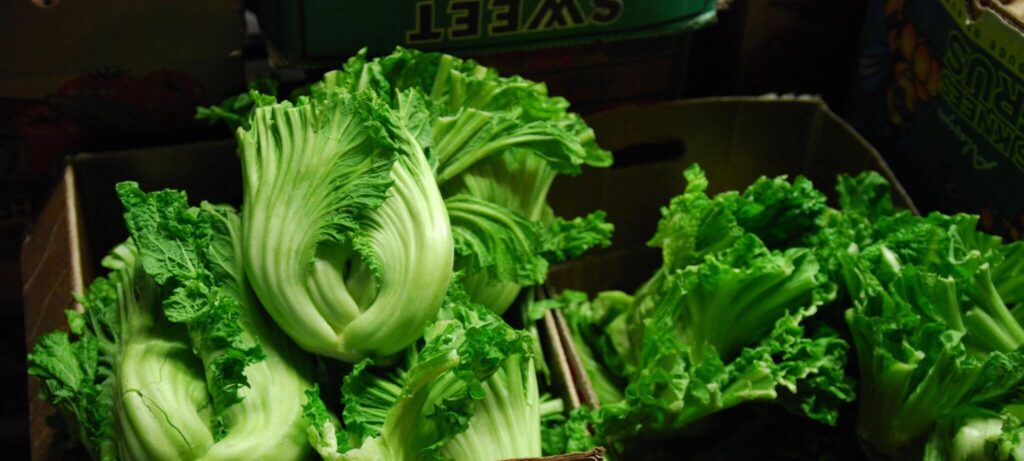
The leaves of this impressive winter crop are a fantastic addition to salads and sauces. Japanese Giant Red and speciality varieties like Wasabi Leaf Mustard provide unique flavors and textures for winter gardens.
17. Kohlrabi
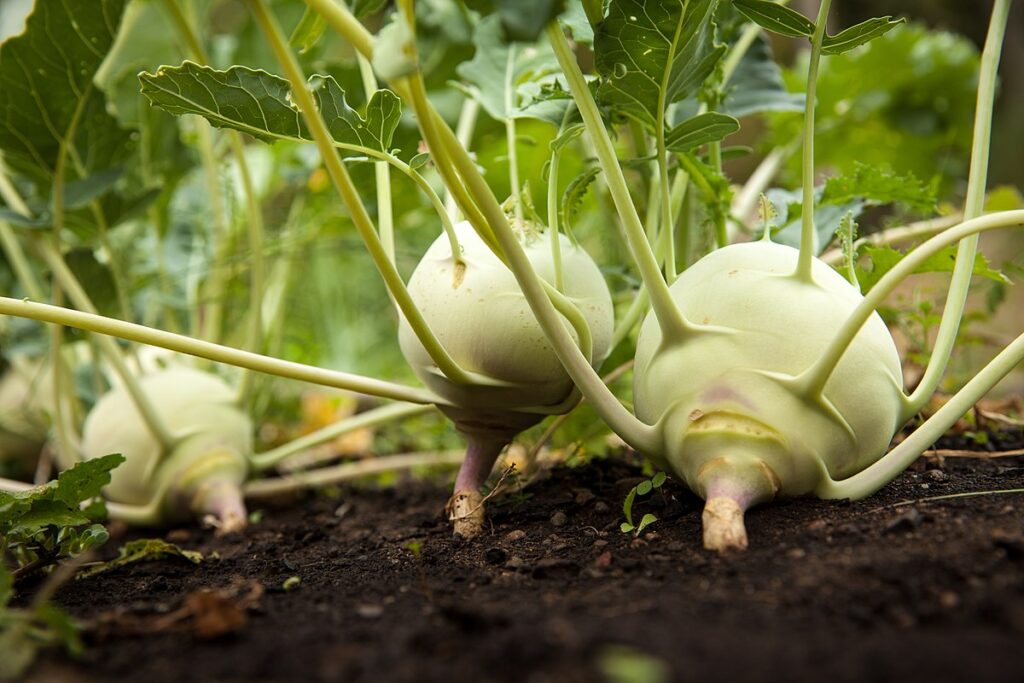
Kohlrabi demonstrates good cold tolerance while providing unique texture and mild cabbage flavor. This compact brassica works well in small spaces and container gardens. Both purple and green varieties show similar cold hardiness.
18. Celery
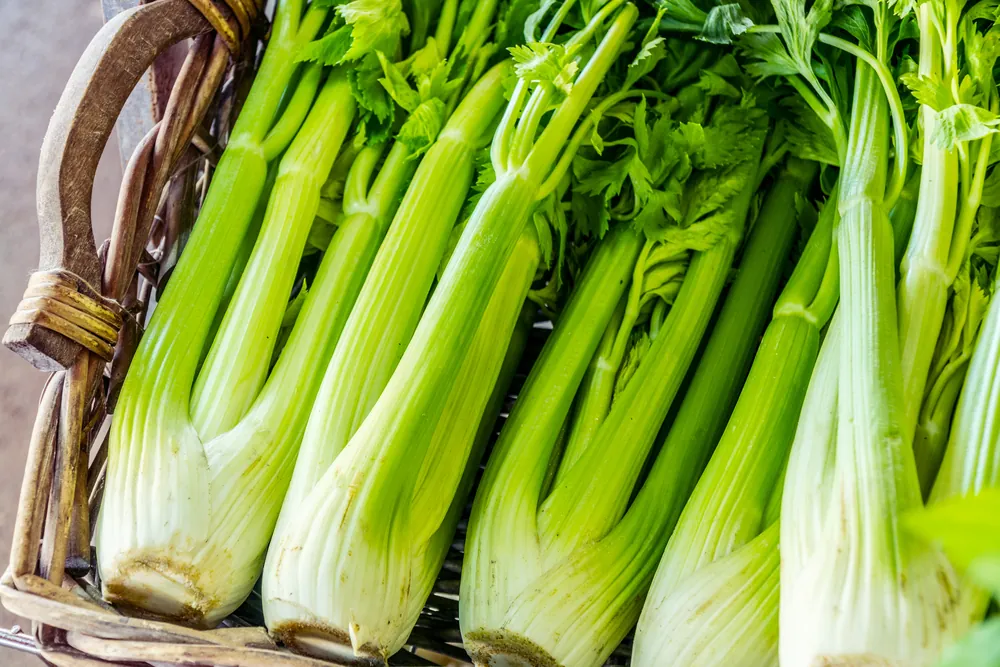
Established celery plants show surprising cold tolerance, surviving temperatures down to 28°F. While young plants are more sensitive, mature celery can provide harvests well into winter months. Side shoots continue developing even after frost.
19. Green Onions (Scallions)
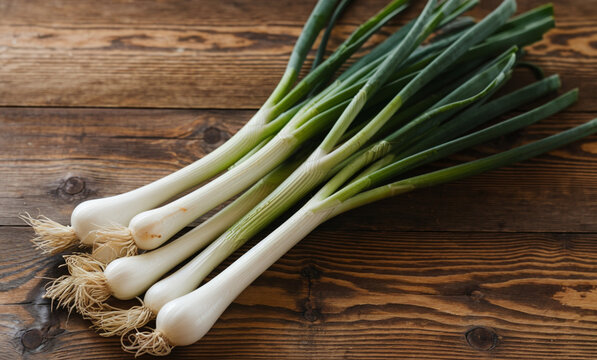
Green onions demonstrate excellent cold tolerance, surviving temperatures down to 20°F. These versatile alliums can be grown year-round in many climates, providing essential flavoring throughout winter. They may look wilted after frost but remain flavorful and usable.
20. Peas
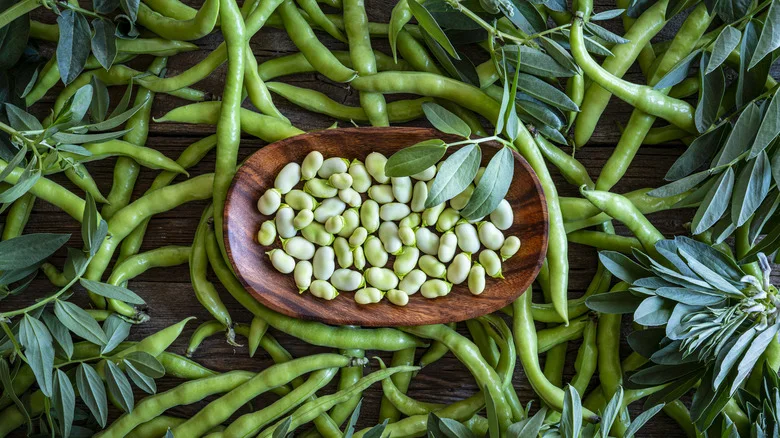
Winter peas and Austrian Winter Peas can survive harsh winter conditions, providing early spring harvests. Sugar snap peas and snow peas also demonstrate good cold tolerance when properly protected. Even the flowers and young shoots are edible.
- Hardiness Zones: USDA Zones 3-9 (winter varieties more cold tolerant)
- Size: 18-72 inches tall depending on variety (bush vs. climbing); space 2-4 inches apart
- Growing Conditions: Full sun to partial shade, well-drained fertile soil, pH 6.0-7.0, cool temperatures preferred, support structures needed for tall varieties
Regional Considerations for Winter Vegetable Growing
- Northern Climate Strategies (Zones 3-6): Focus on the hardiest varieties like kale, Brussels sprouts, and leeks. Protective measures become essential for successful winter harvests.
- Mild Winter Regions (Zones 7-10): Take advantage of extended planting windows and minimal protection requirements. Many vegetables can be grown outdoors throughout winter with simple row cover protection.
That’s It!
Winter vegetable gardening transforms the coldest season into a time of fresh harvests and culinary discovery. These 20 remarkable vegetables prove that cold weather gardening isn’t just possible—it’s incredibly rewarding. From the sweet crunch of frost-kissed carrots to the peppery bite of winter arugula, cold-hardy vegetables offer flavors and nutrition that simply can’t be replicated in warmer seasons.
Whether you’re a beginner starting with simple row covers and hardy kale, or an experienced gardener planning elaborate cold frames and season extension systems, winter vegetables provide reliable harvests when garden-fresh food is most precious. The secret lies in understanding each plant’s cold tolerance, providing appropriate protection, and timing plantings for optimal cold adaptation.