Table of Contents
Growing tomatoes feels like nurturing a superstar: vibrant, rewarding, but vulnerable. That’s where tomato companion plants step in nature’s silent allies. Pick the right companion plants for tomatoes, and you’ll fight pests, attract helpful pollinators, enrich the soil, and even lend extra flavor. Pick poorly, and you could sabotage your garden. I’m going to guide you through everything you need to plant and avoid for your best tomato season yet.
Why Companion Planting for Tomatoes Works?
Companion planting tomatoes isn’t folklore—it’s smart biology and ecological trust. Plants communicate in chemical whispers. Some repel pests with scent. Others lure helpful insects. Certain roots revitalize soil. The trick is understanding what your tomatoes need, and giving it to them through their neighbors.
- Aromatic herbs like basil, oregano, and thyme emit odors that confuse or deter pests.
- Flowers such as marigolds and calendula release substances that suppress harmful nematodes and attract beneficial predators.
- Legumes or cover crops like crimson clover and hairy vetch fix nitrogen and create mulching layers, boosting soil fertility and moisture retention.
The result? Your tomato plants grow in a more balanced, resilient ecosystem.
The Best Tomato Companions to Improve Tomato Plant Health
1. Asparagus
Asparagus and tomatoes are a legendary gardening duo, supporting each other in unique ways. Tomatoes naturally repel the asparagus beetle, one of the most destructive pests to asparagus plants. In return, asparagus roots release compounds that deter root-knot nematodes, microscopic worms that damage tomato roots and reduce yields.
Planting tip: Keep asparagus in a dedicated row since it’s perennial, and plant tomatoes nearby to enjoy the mutual benefits year after year.

2. Carrots
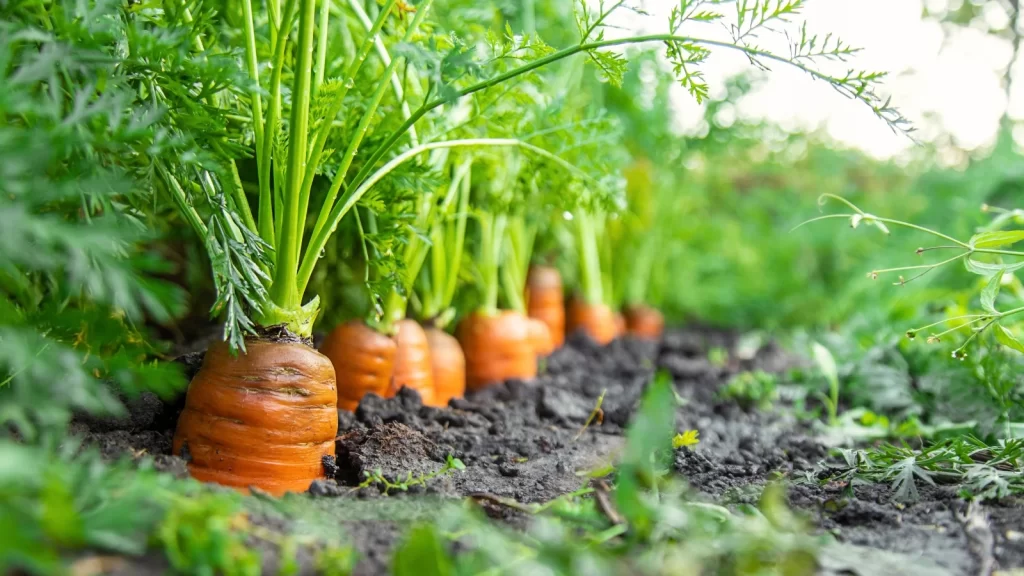
Carrots are surprisingly good companion plants for tomatoes. Their slender roots grow deep into the soil, loosening it and improving drainage. This helps tomato roots access nutrients and oxygen more easily. While carrots may grow smaller than usual due to tomato root competition, the benefits to soil structure outweigh this drawback.
3. Beans and Peas
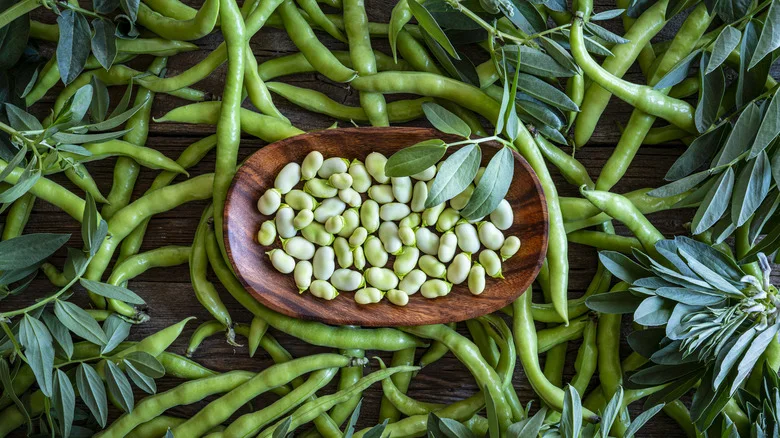
Tomatoes are heavy feeders, requiring a lot of nitrogen for leaf and fruit development. Beans and peas, as members of the legume family, form a symbiotic relationship with soil bacteria that naturally fix nitrogen. This process converts atmospheric nitrogen into a form plants can absorb, boosting soil fertility without synthetic fertilizers.
Best Tomato Companion Plants for Pest Control
Here are the top tomato plant companion picks, and how they support your tomatoes:
4. Basil
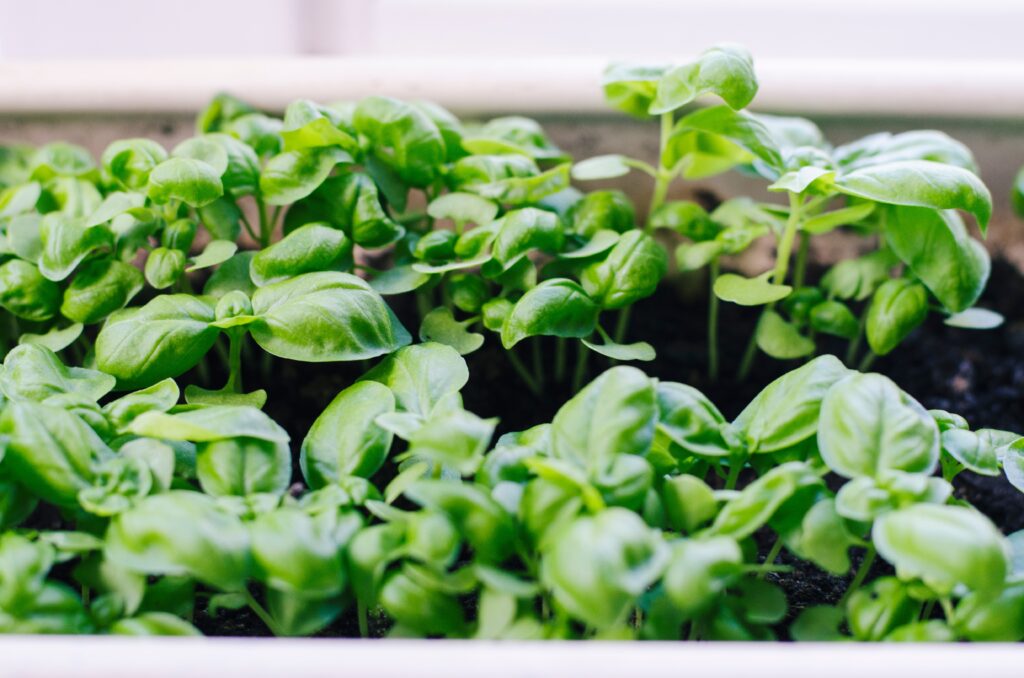
Basil isn’t just a flavor powerhouse in the kitchen—it’s a guardian for your tomatoes too. It grows well alongside tomatoes, and its strong scent deters aphids, hornworms, and thrips. It may even stimulate larger tomato roots, helping plants absorb more nutrients and water. Flavor isn’t just flair—some studies, including one from the University of Florida, say tomatoes grown alongside basil have up to 20% more essential oils, enriching taste.
5. Marigolds
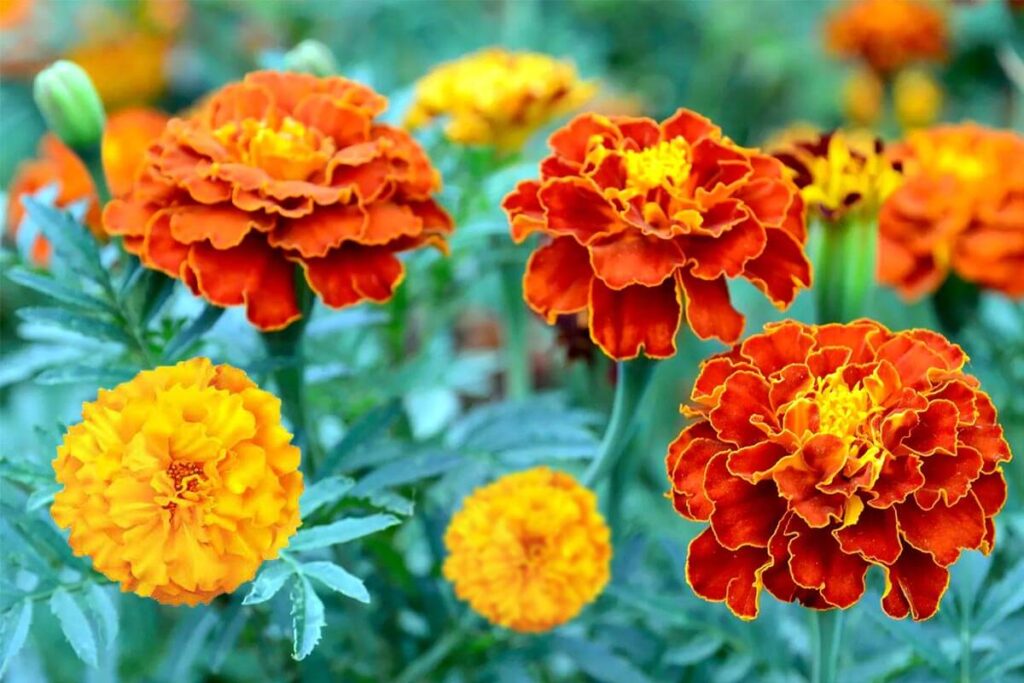
These cheerful blooms are far more than decoration. Marigolds release compounds like limonene and alpha-terthienyl that can suppress nematodes and deter pests such as whiteflies, aphids, hornworms, thrips, and even rabbits. They attract beneficial pollinators, bees, butterflies, hoverflies, as well as predators like ladybugs and parasitic wasps, which further protect tomatoes.
6. Thyme
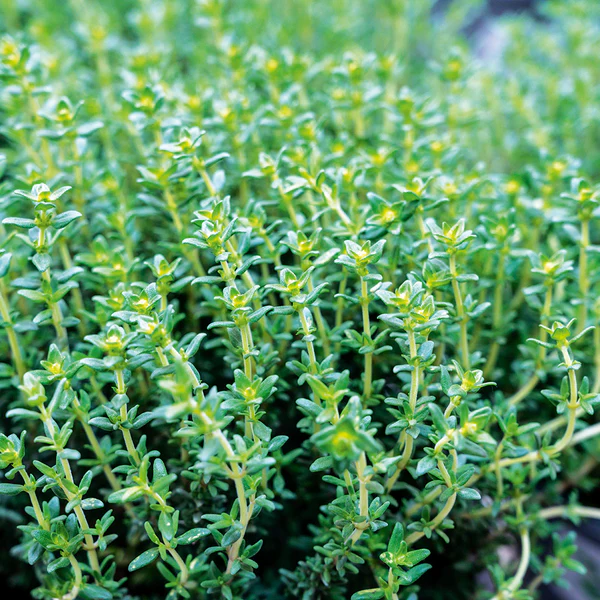
Thyme’s potent fragrance plays a key role in protecting tomatoes. Its essential oils help mask the scent of tomato plants, making it harder for pests to locate them. Thyme’s shallow root system stays out of the way of deeper-rooted tomatoes, making it an ideal companion plant for tomatoes without nutrient competition.
7. Radish
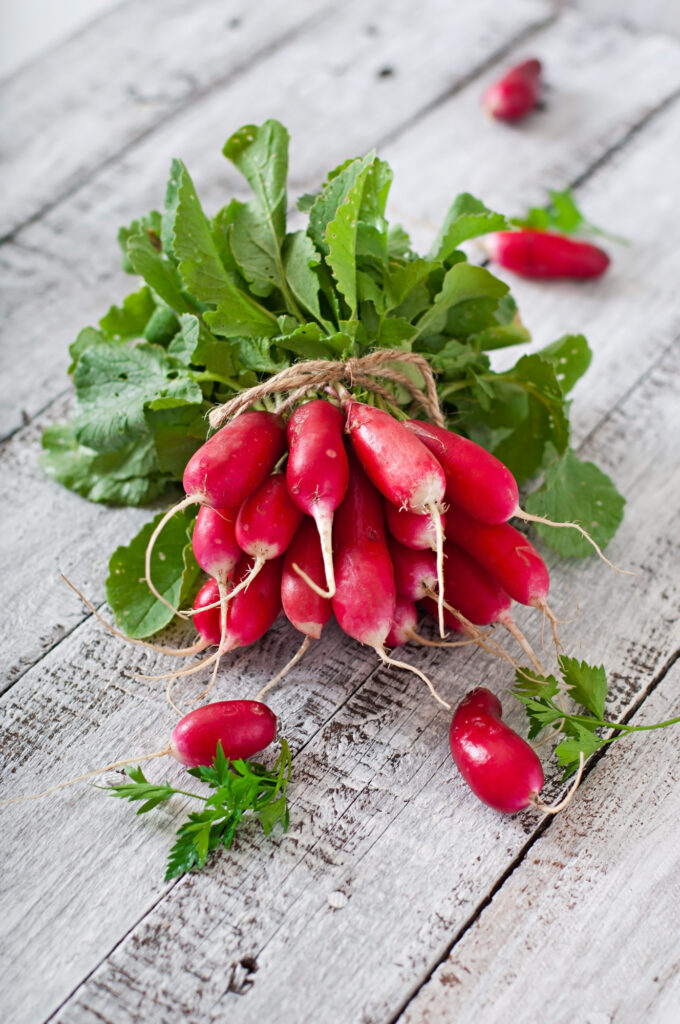
Radishes are excellent tomato companion plants because they act as a natural trap crop for pests. They attract destructive insects like flea beetles, aphids, and leafminers away from your tomato plants, keeping the damage localized to the radishes instead of your main crop. By sacrificing a few radishes, you protect your tomatoes from early-season infestations.
8. Garlic and Chives
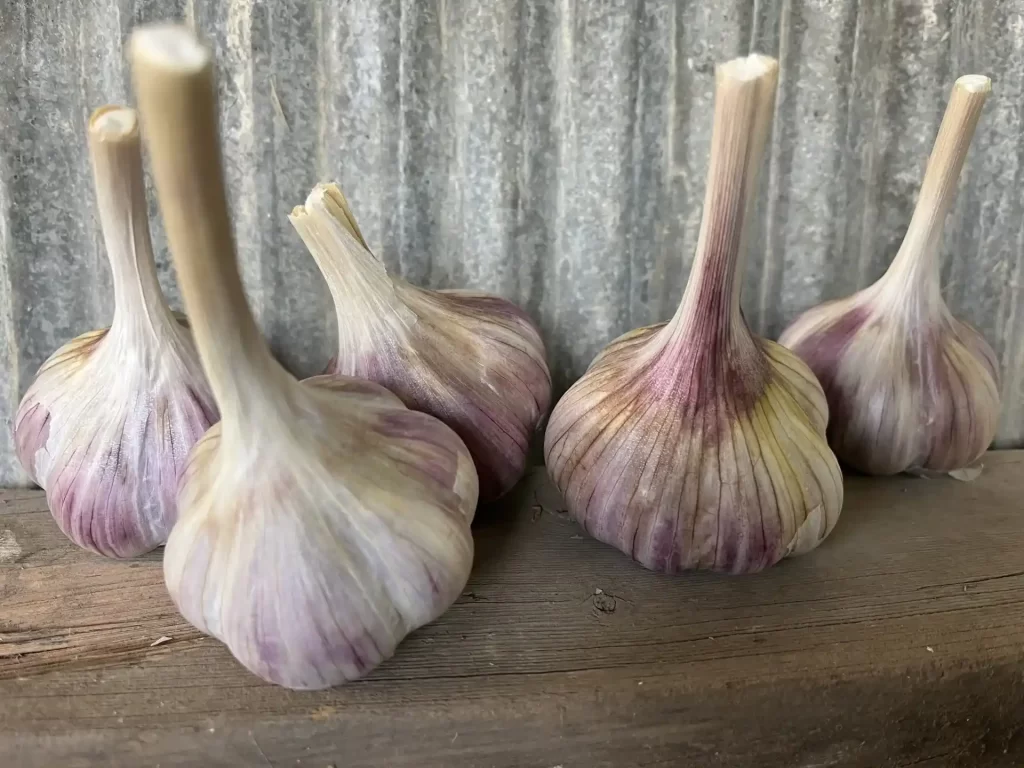
Members of the allium family, like garlic and chives, release sulfur compounds that naturally repel a wide range of pests. Garlic is particularly effective against red spider mites, while chives discourage aphids and Japanese beetles. Garlic has mild antifungal properties, which can help reduce soil-borne diseases near your tomatoes.
Tomato Companion Plants to Attract Beneficial Insects
9. Parsley
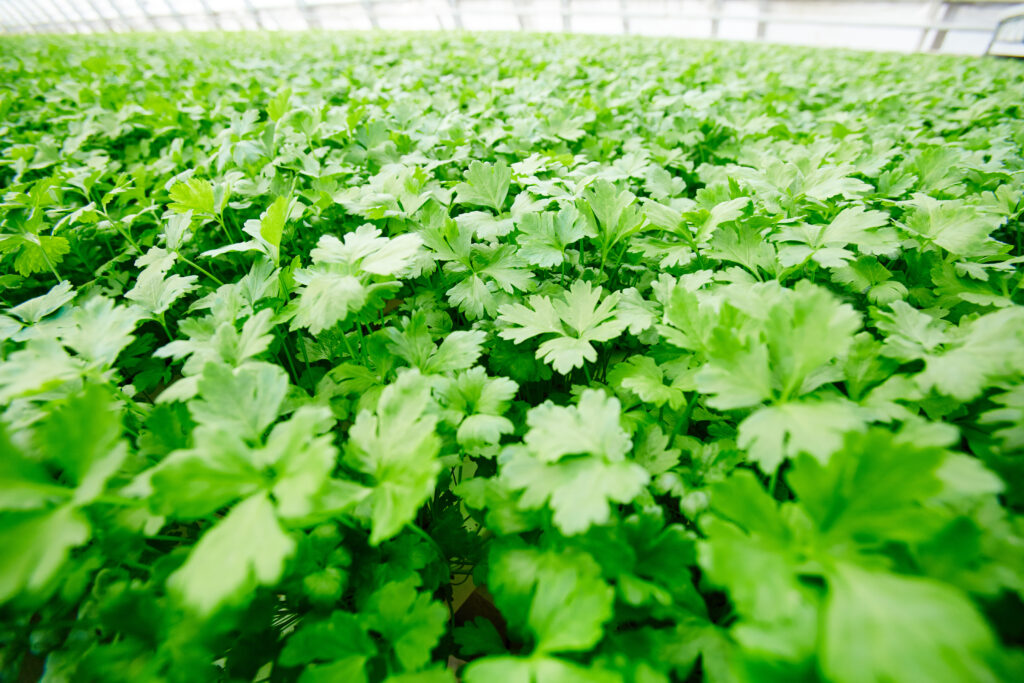
Parsley attracts ladybugs and hoverflies, both of which feast on aphids, hornworm eggs, and other soft-bodied pests. This makes parsley an excellent companion plant for tomatoes, especially in organic gardens.
Pro tip: Allow some parsley to flower to maximize its pest-control benefits.
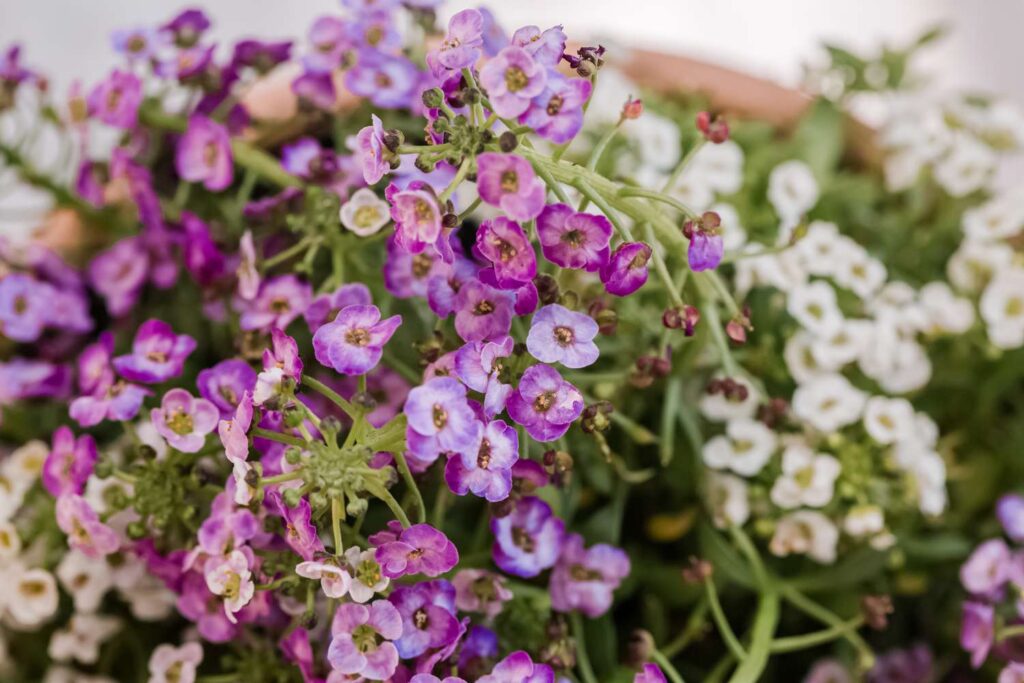
10. Sweet Alyssum
Sweet alyssum’s tiny flowers are irresistible to beneficial insects like lacewings and parasitic wasps. It also acts as a living mulch, keeping soil cool and moist around tomato plants.
Best practice: Use sweet alyssum in container gardens or at the base of tomato plants to suppress weeds and improve soil moisture.
11. Dill
Dill is a double-edged sword when it comes to companion planting for tomatoes. In its early growth stage, it attracts beneficial insects like predatory wasps and ladybugs. However, once mature, dill can stunt tomato growth due to root secretions. Plant dill near tomatoes early in the season for its pest-attracting benefits. Harvest or relocate it before it reaches maturity to avoid negative effects on tomato growth.

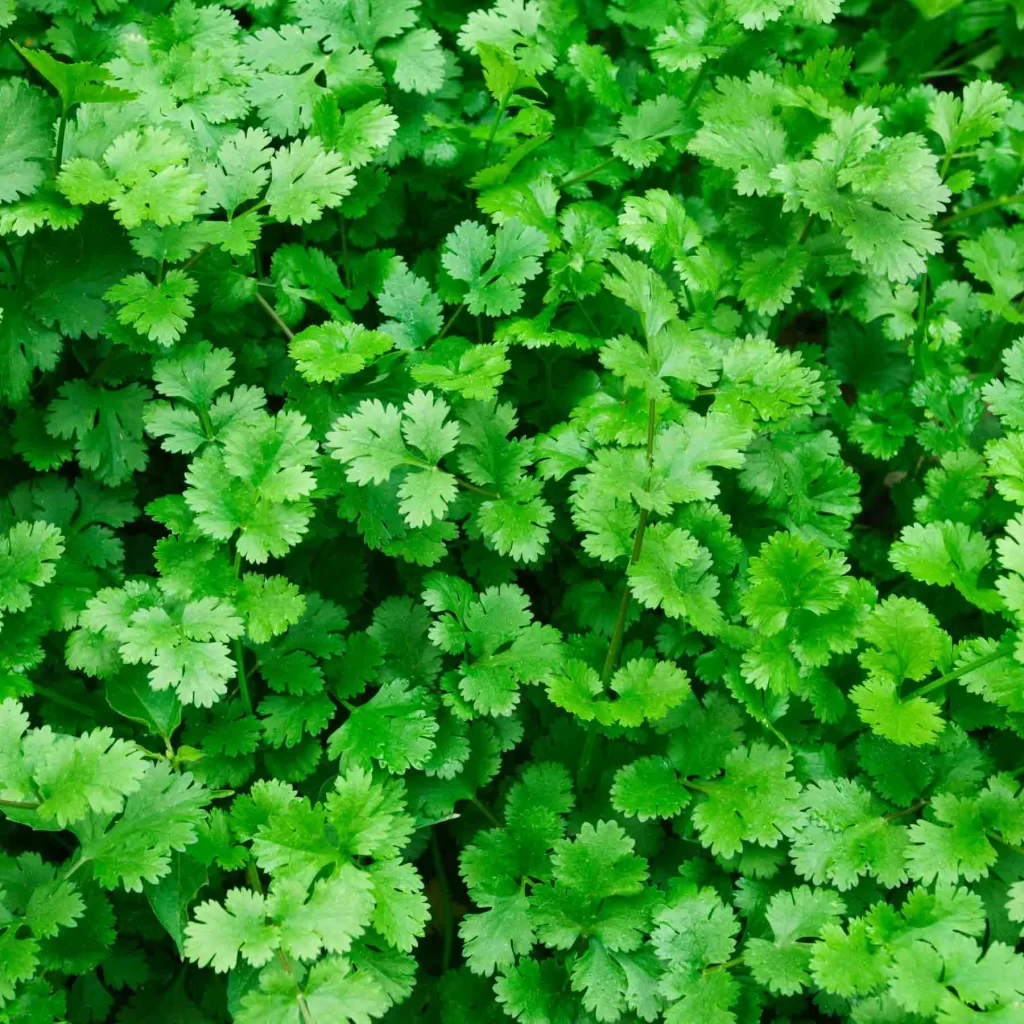
12. Cilantro
Cilantro flowers are excellent nectar sources for hoverflies, parasitic wasps, and predatory beetles. These insects play a significant role in controlling aphids, cutworms, and tomato hornworms. Cilantro’s small, delicate flowers are particularly attractive to tiny beneficial insects that larger flowers might not lure.
Best Tomato Companion Plants to Increase Pollination
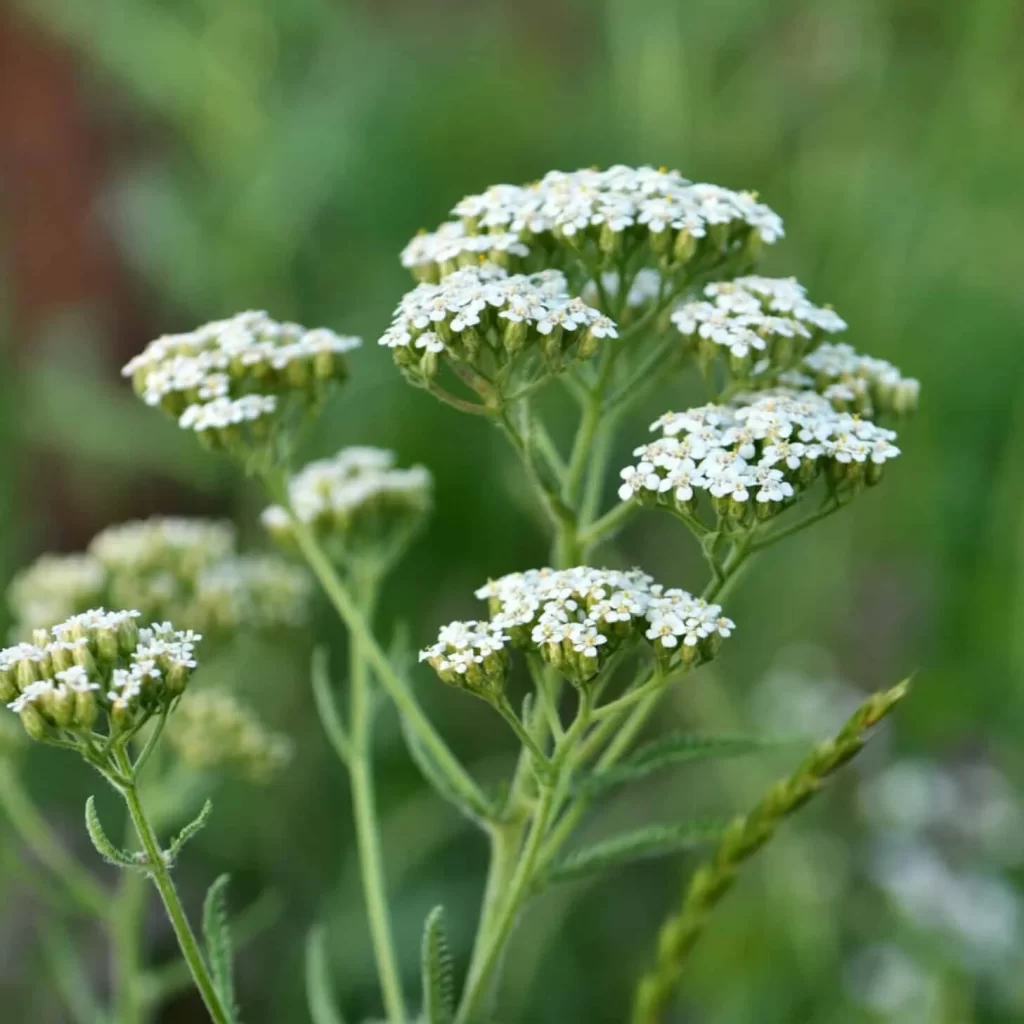
13. Yarrow
Yarrow is a powerhouse pollinator attractor and a top-performing tomato plant companion. Its flat-topped flowers provide easy landing pads for beneficial insects like lacewings, hoverflies, and parasitic wasps. Plant yarrow in clusters near your tomato beds for maximum visibility to pollinators.
14. Borage
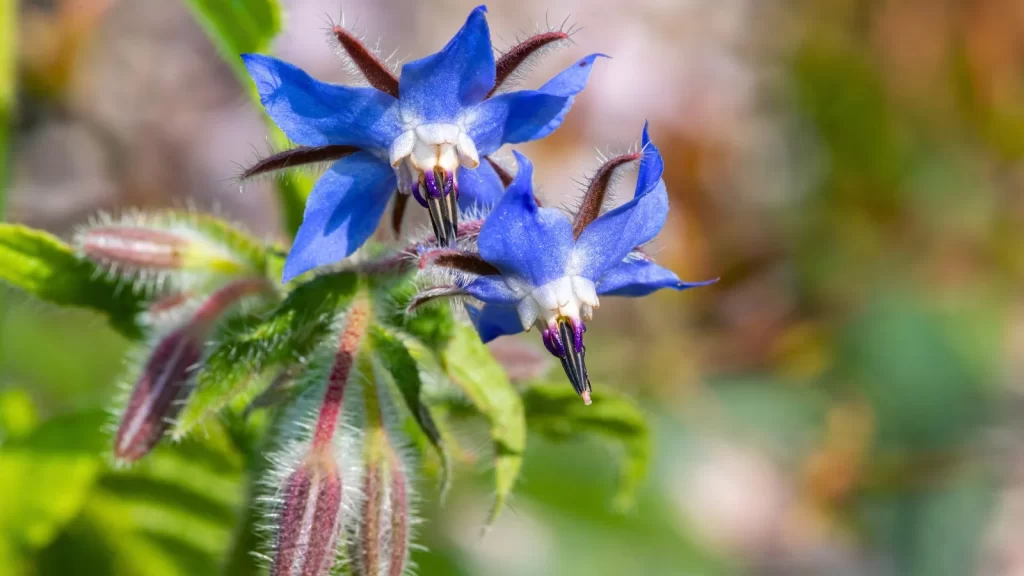
Borage is a powerhouse in companion planting for tomatoes. Its vibrant blue, star-shaped flowers are highly attractive to bees and other pollinators. Borage not only improves pollination but also deters tomato hornworms and enriches the soil by bringing up trace minerals through its deep taproot. The constant flowering cycle of borage ensures a steady stream of pollinators throughout the growing season.
15. Sunflowers
Sunflowers are tall, vibrant plants that act like beacons for pollinators. Bees are especially attracted to sunflowers, and once they’re in your garden, they’re more likely to visit nearby tomato blossoms as well. Sunflowers can also serve as a natural trellis for climbing plants like beans, which themselves benefit tomatoes by fixing nitrogen in the soil.

16. Lavender
Lavender’s strong fragrance and nectar-rich blooms make it a favorite for bees and butterflies. When planted near tomatoes, lavender brings a steady influx of pollinators, ensuring higher fruit set rates. It also serves as a mild deterrent for certain pests. Lavender’s aromatic oils may help mask the scent of tomatoes, confusing some pest insects like moths that lay tomato hornworm eggs.

Best Tomato Companion Plants for Weed Control
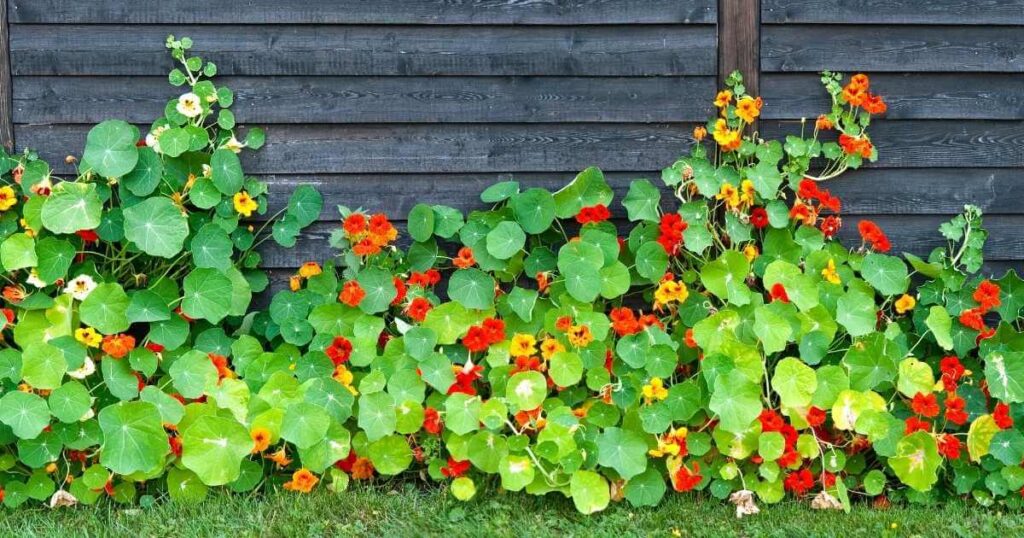
17. Nasturtiums
Nasturtiums are fast-growing flowering plants that spread quickly, shading the soil and suppressing weeds. In addition to their weed control abilities, they act as a trap crop, attracting aphids and other pests away from your tomatoes. Use nasturtiums as a border crop around your tomato bed. This helps prevent weeds and pests from reaching your tomatoes directly.
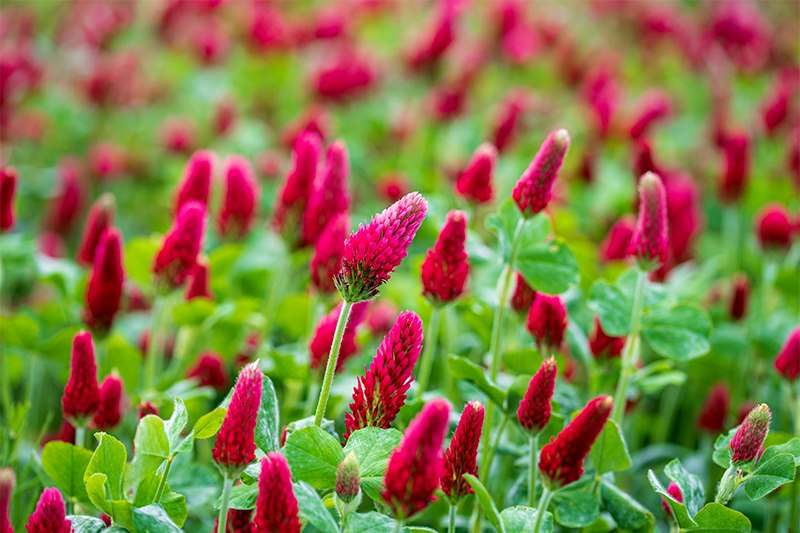
18. Crimson clover
Crimson clover is one of the most effective companion plants for tomatoes when it comes to weed control and overall soil health. This vibrant, fast-growing cover crop creates a dense ground cover that naturally suppresses weeds by blocking sunlight and preventing unwanted seeds from germinating. Unlike chemical weed control methods, crimson clover offers an organic, sustainable solution for gardeners practicing companion planting for tomatoes.
Best Tomato Companion Plants to Grow in Containers
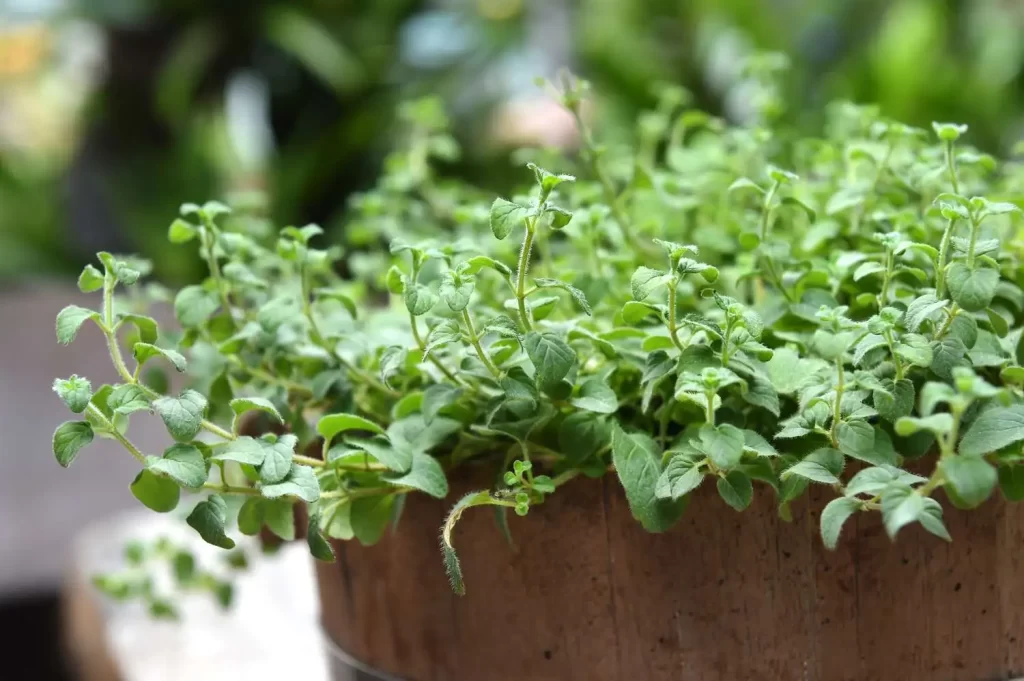
19. Oregano and Thyme
These Mediterranean herbs are excellent companion plants for tomatoes, especially in container gardens. Their strong aroma deters pests while enhancing the flavor of homegrown tomatoes in your kitchen recipes. These herbs thrive in well-drained soil and can be planted around the edges of tomato containers.
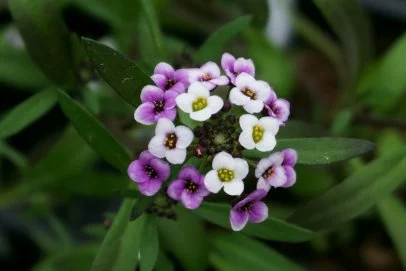
20. Sweet Alyssum
Sweet alyssum is a low-growing flower that provides ground cover, keeping soil cool and moist in container gardens. It also attracts beneficial insects like lacewings and parasitic wasps that feed on tomato pests.
Container tip: Plant sweet alyssum at the base of your tomato container for maximum benefits.
The Worst Tomato Companion Plants
While good companions can boost your harvest, some plants are bad neighbors that you should never grow near your tomatoes. These plants may compete for resources, spread diseases, or attract destructive pests.
- Brassicas (Cabbage Family)
- Members of the cabbage family—like broccoli, cauliflower, kale, and Brussels sprouts—are heavy feeders that compete directly with tomatoes for nutrients. This competition can stunt tomato growth and reduce yields.
- Why avoid them: Both crops require lots of nitrogen and space, making them poor planting partners.
- Potatoes and Eggplants
- Potatoes, eggplants, and tomatoes are all part of the nightshade family (Solanaceae). This means they share similar diseases, like blight, and attract the same pests.
- Risk factor: If one plant becomes infected, it can quickly spread to the others, devastating your garden.
- Cucumbers: Some gardeners find that cucumbers compete with tomatoes for nutrients and space. Cucumber mosaic virus and phytophthora blight affect both cucumbers and tomatoes and can spread from one crop to another.
- Fennel and Dill: Fennel releases chemicals that inhibit tomato growth, making it one of the worst tomatoes companion plants you can choose. Dill starts as a good companion by attracting pollinators, but once it matures, it can also stunt tomato growth.
- Corn: Corn and tomatoes share a common enemy: the corn earworm, also known as the tomato fruitworm. Growing these two together can create a perfect breeding ground for this destructive pest.
Practical Tips for Successful Companion Planting Tomatoes
Knowing which plants to pair with your tomatoes is just the first step. For maximum success, follow these practical strategies:
- Plan Your Layout Carefully
Group compatible plants together and provide enough space to avoid overcrowding. Tomatoes need plenty of airflow to prevent fungal diseases. - Use Containers for Flexibility
If you have limited space, grow herbs like basil or parsley in containers near your tomato plants. This allows you to move them as needed. - Rotate Crops Annually
Avoid planting tomatoes or their relatives in the same spot year after year. Crop rotation prevents disease buildup and nutrient depletion. - Start Small and Experiment
Every garden has unique conditions. Try a few companion planting combinations each season and keep notes on what works best. - Combine with Organic Pest Control
Companion planting works best alongside other sustainable practices, like using mulch, introducing beneficial insects, and applying organic sprays when needed.
Choosing the right tomato companion plants can transform your garden into a thriving ecosystem. From pest control to improved soil health, these natural partnerships reduce the need for chemicals and create a healthier environment for your plants. By combining plants like borage, crimson clover, carrots, and leafy greens, you not only strengthen your tomato plants but also create a more resilient garden ecosystem. Over time, this approach leads to healthier plants, higher yields, and a more enjoyable gardening experience without relying heavily on chemical fertilizers or pesticides. Companion planting is as much an art as it is a science—observe, experiment, and adjust to find the perfect balance for your unique garden.
FAQ
What are good companion plants for tomatoes?
Good companion plants for tomatoes include basil, marigolds, carrots, onions, garlic, lettuce, parsley, chives, nasturtiums, and borage. These help boost growth, deter pests, and improve flavor.
Are peppers and tomatoes companion plants?
Yes, peppers and tomatoes grow well together since they have similar soil, water, and sunlight needs. However, monitor closely for shared pests like aphids or hornworms.
Are beans and tomatoes companion plants?
Yes, beans and tomatoes are considered companion plants, meaning they thrive when grown together and can offer mutual benefits in the garden.
Why is basil a good companion plant for tomatoes?
Basil repels pests like aphids, whiteflies, and tomato hornworms while enhancing tomato flavor and encouraging healthy growth.