Table of Contents
What is Subsurface Irrigation?
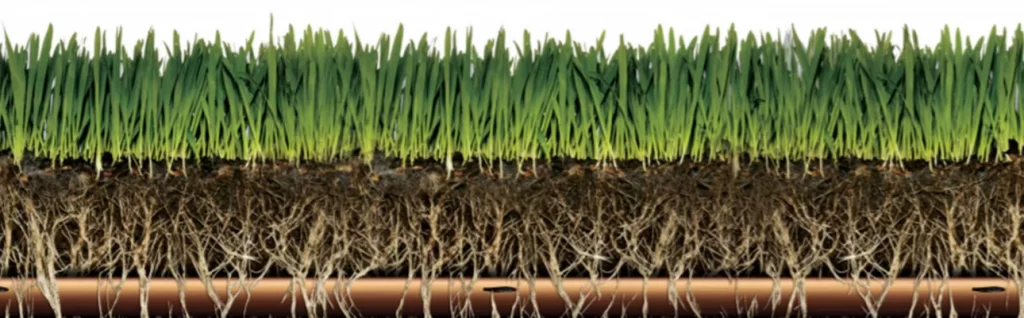
Subsurface irrigation is any method that delivers water beneath the soil surface so moisture moves through the soil profile to the root zone. Unlike surface irrigation – where water flows over the soil – or overhead sprinklers – where water is applied from above – subsurface systems bury the water delivery lines or use structures that raise or control the water table. The common goal is efficient, uniform wetting of the active root zone while leaving the surface relatively dry. Subsurface irrigation can last over 20 years with proper maintenance. The depth and spacing of the emitters will depend on the specific plants or crops being grown in your yard.
The practical benefits are easy to imagine: lower evaporation, fewer foliar diseases, and less surface runoff. There are tradeoffs, which we cover below, but the basic idea is simple and effective.
How does subsurface irrigation work?
A few soil physics principles explain why subsurface irrigation works:
- Water moves through soil by capillary action and gradients in moisture potential. If you place water below the surface, roots can access it directly and the surrounding soil becomes a localized wet zone.
- Keeping the surface drier reduces evaporation losses and discourages shallow-rooted weeds.
- Delivering water slowly and directly to roots improves uptake and reduces nutrient leaching.
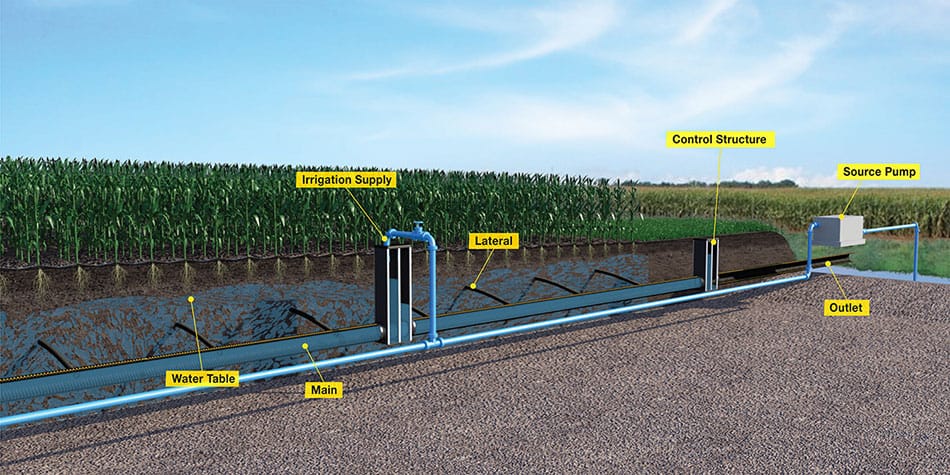
Most practical subsurface systems consist of buried pipes or tubing with emitters or porous walls, plus a filtration and control package at the head. The depth and spacing of the lines depend on crop rooting depth, soil texture, and the irrigation goal.
Main types of subsurface irrigation
There are several approaches you can use under the umbrella of subsurface irrigation. Each has a role. Below I break them down into the types you are most likely to consider.
1. Subsurface Drip Irrigation (SDI)
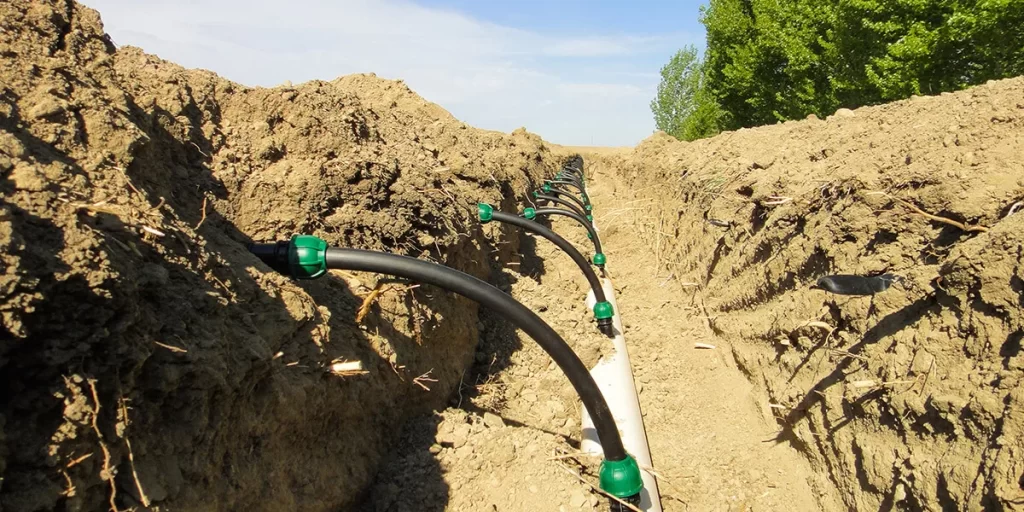
This is the most widely used and versatile subsurface method. SDI uses drip tubing buried at a chosen depth, typically in rows. The tubing has emitters or a porous wall that release water slowly into the surrounding soil. Because the tubing is below ground, the surface stays clear and evaporation losses are minimized. Water exits emitters under low pressure and spreads outward through the soil via capillary movement. The goal is to create overlapping wetting zones between laterals so roots always have access to moisture without saturating the soil. Unlike surface drip, SDI operates invisibly. Once installed, the system becomes part of the soil profile.
Best uses
- Row crops, vegetables, orchards, and high-value field crops.
- Places where you want precise water and fertilizer placement.
Key design choices
- Burial depth: shallow for vegetables, deeper for row crops; align with root zone.
- Lateral spacing: determined by soil texture and plant spacing.
- Filtration and fertigation equipment are essential to prevent clogging and to feed nutrients through the system.
Practical note: SDI allows fertigation – injecting fertilizer through the irrigation system – which can make nutrient management more efficient
2. Subirrigation or Water Table Control
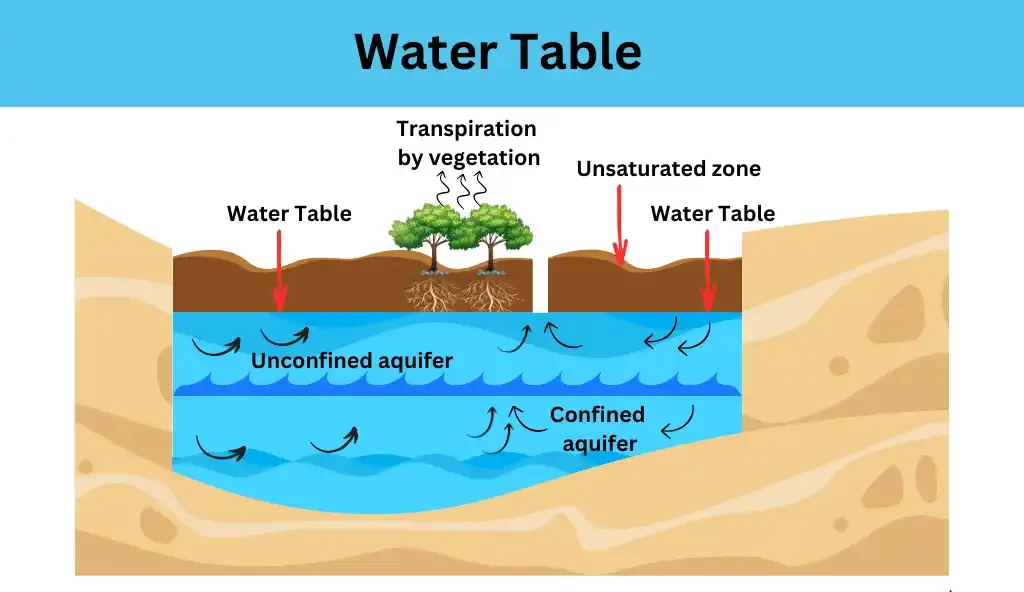
Instead of distributing water in buried lines, subirrigation controls the local water table so roots draw moisture upward. This is common in controlled environments like greenhouses and in fields with naturally shallow water tables. Perforated drains or controlled water-bearing layers are used to raise the water table to a desired depth. Perforated pipes or drainage channels are installed below the field. Instead of draining excess water away, the system holds water at a target depth. Roots absorb moisture as needed, pulling water upward naturally. Think of it as irrigation by availability, not delivery.
Best uses
- Greenhouses, certain low-lying fields, and peat or organic soils with shallow water tables.
- Crops that tolerate or prefer capillary rise from below.
Practical note: this method requires careful water table monitoring and is not suitable for sandy soils that drain quickly.
3. Porous Pipes and Trench Systems
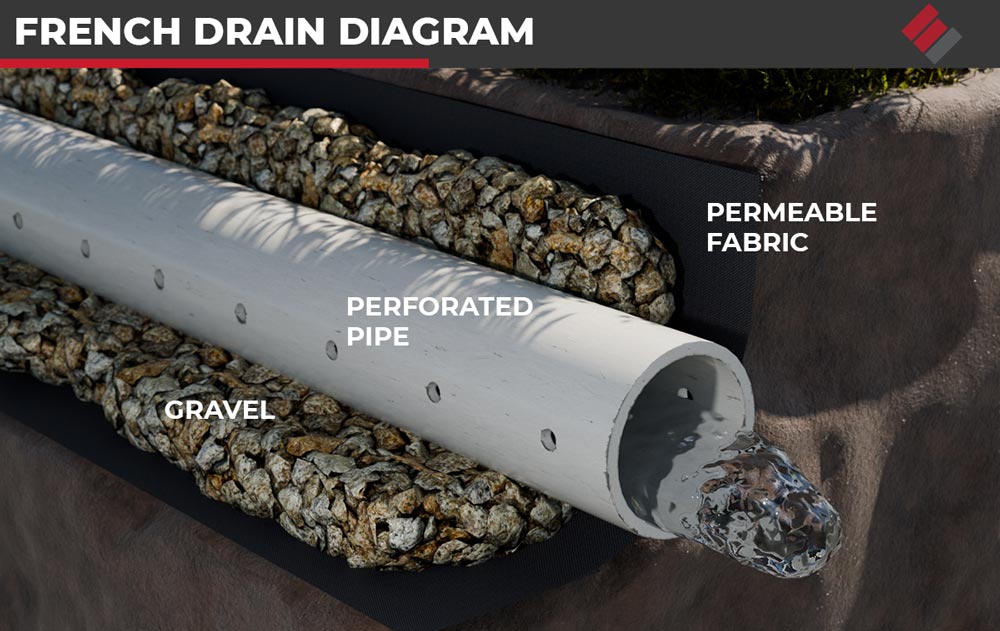
Older but still relevant, this technique uses porous clay or concrete pipes, or perforated plastic pipes inside trenches to distribute water below the surface. Water seeps out of the pipe and wets the surrounding profile. These systems represent earlier subsurface irrigation approaches and are still used in niche situations. Water is delivered through porous or perforated pipes laid in trenches, allowing slow seepage into the surrounding soil. Water seeps out continuously along the pipe length. There are no discrete emitters, so flow control is less precise. Wetting patterns depend strongly on soil texture and installation quality.
Best uses
- Speciality sites or retrofits where a simple buried porous pipe is cost-effective.
- Where maintenance and replacement costs are manageable.
Limitations: porous materials can clog or deteriorate, and performance is more variable than modern SDI.
4. Capillary-Based Subsurface Irrigation (Passive Systems)
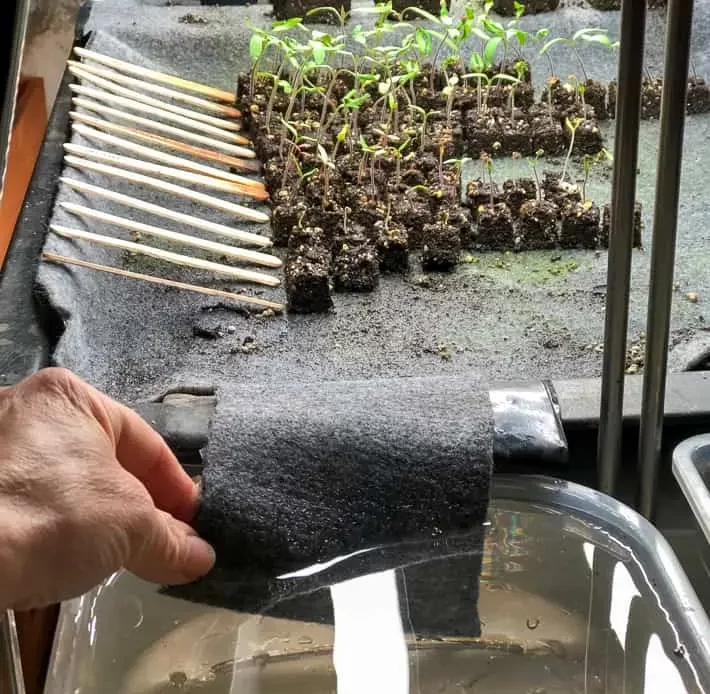
Capillary systems rely entirely on passive water movement through wicks, mats, or moisture reservoirs. They are common in container production and protected cultivation. Water is stored below the growing medium. Roots draw moisture upward as needed, maintaining relatively stable moisture levels without active control.
Typical applications
- Seedling trays
- Potted plants
- Vertical farming modules
- Greenhouses
Pros & Cons of Subsurface Irrigation
- Exceptional water use efficiency: Water is applied directly to the root zone, not the soil surface. This sharply reduces evaporation, runoff, and wind losses. In water-limited regions, this alone can justify the system.
- Reduced evaporation and surface losses: Because the soil surface stays mostly dry, evaporation losses are minimal compared to surface or sprinkler irrigation.
- Lower weed pressure: Most weed seeds germinate near the soil surface. Keeping the surface dry suppresses weed emergence.
- Improved nutrient efficiency: Subsurface systems, especially subsurface drip irrigation, pair extremely well with fertigation. Nutrients are delivered exactly where roots are active.
- Reduced foliar disease risk: No overhead wetting means leaves remain dry. This reduces conditions favorable for fungal and bacterial diseases.
- Uniform and consistent moisture supply: Roots experience less moisture stress compared to surface irrigation systems that rely on periodic flooding or spraying.
- High initial installation cost: Subsurface irrigation systems cost more upfront due to specialised installation equipment, High-quality drip lines, Filtration, and control systems.
- Difficult detection and repair of leaks: When something goes wrong underground, you cannot see it immediately.
- Clogging risk is real: Emitters are underground and unforgiving. Poor filtration or low water quality can clog emitters silently.
- Requires skilled design and management: Subsurface irrigation is not forgiving of guesswork. Poor design can permanently limit system performance.
- Root intrusion potential: Roots naturally seek moisture. If irrigation scheduling is inconsistent, roots may grow into emitters.
- Limited flexibility for crop rotation and deep tillage: Deep plowing or aggressive tillage can damage buried lines.
- Soil-specific performance: Subsurface irrigation does not perform equally in all soils.
How to choose the right subsurface system for your situation?
There’s no “best” subsurface irrigation system in general. There’s only the system that fits your crops, your soil, and your reality on the ground. The easiest way to choose is to ask a few honest questions before you look at equipment or prices.
1. What are you actually growing?
Start with the crop, not the technology.
If you’re growing deep-rooted crops like orchards, vineyards, or long-season field crops, subsurface drip irrigation usually makes a lot of sense. These plants benefit from consistent moisture deeper in the soil, and SDI delivers exactly that. If you’re growing short-season vegetables, the story changes a bit. Their roots stay shallow, so irrigation lines need to be buried closer to the surface and spaced more tightly. That affects both cost and layout. The system still works, but it must be designed differently.
In short: root depth should always guide irrigation depth.
2. What kind of soil are you working with?
Soil decides how water moves. Ignore this, and even the best system underperforms.
In lighter, sandy soils, water tends to move downward faster than sideways. That means you need irrigation lines closer together to avoid dry gaps between rows. In heavier soils with more clay, water spreads sideways more easily. You can space lines wider and still get good coverage in the root zone. The takeaway is simple: the same system layout will behave very differently in different soils. Design must follow soil behavior, not assumptions.
3. How clean is your water?
This question is less exciting, but it’s critical.
If your water contains sediment, algae, or dissolved minerals, subsurface drip systems demand better filtration and more attention. Underground emitters don’t forgive neglect. Once clogged, problems show up in crop stress, not puddles on the surface. Good water makes life easier. Challenging water means you budget more for filters, flushing, and monitoring. There’s no workaround here.
4. What can you realistically invest and maintain?
Subsurface irrigation is not cheap upfront. There’s no sugarcoating that. But it often pays back through water savings, fertilizer efficiency, and reduced labor. The real question isn’t “Is it expensive?” It’s “Can I maintain it properly?” If you’re willing to invest once and manage it well, subsurface systems reward discipline. If regular maintenance feels like a burden, simpler systems may be a better fit.