Table of Contents
In the age of smart technology and data-driven decisions, the agricultural sector is undergoing a transformative shift. Precision agriculture—also known as precision farming or smart farming—is transforming the way crops are grown, resources are managed, and sustainability goals are achieved.
This in-depth guide breaks down what precision agriculture truly means, the technologies that power it, the real-world benefits it brings, and how farmers worldwide are implementing it. Whether you’re a farmer, agri-entrepreneur, student, or policymaker, understanding this trend is essential to keeping pace with the future of food production.
What is Precision Agriculture?
At its core, precision agriculture refers to the use of advanced technologies and data analytics to monitor, measure, and respond to intra-field variations in crops. Unlike conventional farming—which often applies the same inputs uniformly across an entire field—precision farming aims to optimize input use by tailoring decisions to specific areas, plants, or animals.
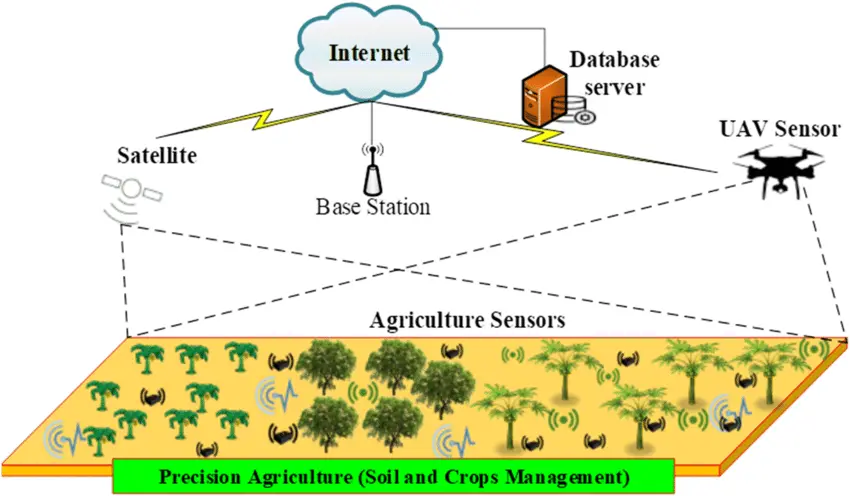
This approach leverages GPS mapping, sensors, remote sensing, drones, IoT devices, AI-powered analytics, and more to gather real-time information. Farmers then use this data to make informed decisions that improve yields, reduce waste, and enhance profitability.

In essence, precision agriculture allows farmers to answer critical questions like:
- Where should I irrigate more or less?
- Which areas of the field need more fertilizer?
- Where are pests or diseases likely to emerge?
Instead of one-size-fits-all practices, precision agriculture offers site-specific and even plant-specific strategies.
How Precision Agriculture Works
The process of precision farming can be divided into several steps, each enabled by specific technologies. Here’s how it unfolds:
1. Data Collection
Using GPS-guided machinery, IoT sensors, satellites, drones, and mobile devices, farmers collect massive amounts of data, including:
- Soil moisture and nutrient levels
- Air and soil temperature
- Plant health and growth rates
- Pest and disease presence
- Historical yield performance
2. Data Analysis
Once collected, the raw data is sent to cloud-based platforms or farm management software, where it’s analyzed using algorithms, artificial intelligence, and predictive models. For instance, AI tools can forecast how much fertilizer a certain section of the field needs or predict when a disease might spread based on current humidity and temperature levels.
3. Decision-Making
Based on data insights, farmers can make better decisions about when to irrigate, fertilize, plant, or treat. These decisions are made with incredible precision—down to the square meter or individual plant.
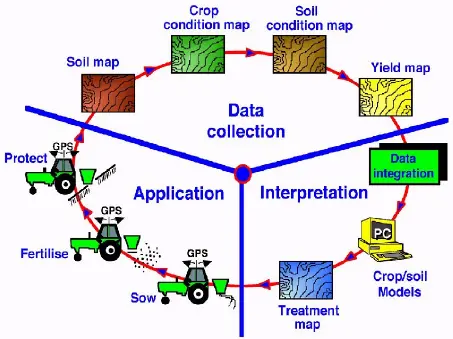
4. Implementation
With the help of Variable Rate Technology (VRT), precision applicators adjust input levels (seeds, water, pesticides) in real time as the machine moves across the field.
5. Feedback and Monitoring
After implementation, continuous monitoring helps determine the effectiveness of the action taken. This feedback loop ensures consistent optimization and improvement. This system turns farms into intelligent ecosystems, where every resource is tracked, optimized, and aligned with sustainability and profit goals.
Key Benefits of Precision Agriculture
The impact of precision agriculture is profound and wide-ranging. From environmental benefits to economic gains, here’s how it’s revolutionizing farming:
1. Increased Crop Yields
By ensuring that every plant gets precisely what it needs—no more, no less—farmers often see significant yield increases. For instance, smart irrigation systems supply water exactly where and when it’s needed, avoiding both under- and over-watering. Case studies from the U.S. and Europe report yield improvements of up to 20–25% after adopting precision farming practices.
2. Resource Efficiency
Precision tools reduce the unnecessary use of:
- Water (through drip or targeted irrigation)
- Fertilizers (based on soil testing and VRT)
- Pesticides (targeted spraying based on pest mapping)
This not only saves costs but also helps conserve non-renewable resources and protects surrounding ecosystems.
3. Reduced Environmental Impact
Excessive fertilizer and pesticide use often leads to runoff, polluting water bodies and harming biodiversity. Precision agriculture limits such overuse, contributing to:
- Lower greenhouse gas emissions
- Reduced water contamination
- Healthier soil
- Sustainable land use
4. Cost Savings and Higher ROI
While the initial investment in precision technologies can be high, the long-term financial benefits are compelling. Farmers save money through:
- Less input waste
- Lower labor costs (automation)
- Efficient machinery usage
- Better crop prices due to higher quality
Return on investment (ROI) typically improves within 2–3 seasons, depending on the scale of adoption.
5. Better Pest and Disease Management
Sensors and aerial imaging can detect the early signs of pests or diseases before visible symptoms emerge. This allows farmers to take immediate, localized action, minimizing crop loss and chemical use.
6. Real-Time Monitoring and Decision Making
With the ability to monitor farms 24/7 via smartphone or dashboard, farmers gain complete control and flexibility. This real-time insight is invaluable, especially in large-scale operations or unpredictable climates.
Essential Tools and Technologies in Precision Agriculture
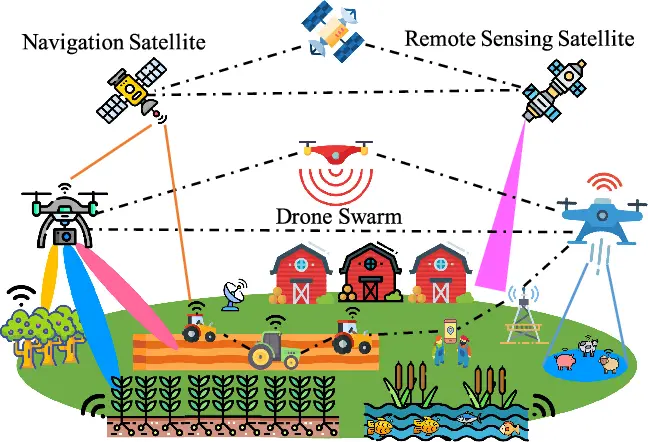
Let’s break down the primary tools driving the precision agriculture revolution:
1. GPS and GNSS Technology
- Enables real-time location tracking for tractors and machines.
- Facilitates accurate field mapping and grid sampling.
- Supports autonomous machinery navigation for planting, spraying, and harvesting.
2. Drones and UAVs (Unmanned Aerial Vehicles)
- Capture high-resolution aerial images to assess crop health.
- Identify problem areas such as water stress or pest zones.
- Aid in mapping fields, planning irrigation, and monitoring seasonal changes.
3. Remote Sensing and Satellite Imagery
- Monitors vegetation indices (e.g., NDVI) for early stress detection.
- Tracks soil conditions, crop maturity, and weather events from space.
- Integrates with analytics platforms for predictive modelling.
4. IoT Sensors (Internet of Things)
- Soil moisture and temperature sensors inform irrigation timing.
- Environmental sensors monitor humidity, light intensity, and rainfall.
- Livestock sensors track animal movement, health, and behavior.
5. Variable Rate Technology (VRT)
- Allows different rates of seeds, fertilizers, and chemicals to be applied across a field.
- Works with GPS and prescription maps.
- Maximise efficiency and minimise waste.
6. Farm Management Software (FMS)
- Collects, stores, and analyzes farm data in one place.
- Assists with planning, budgeting, forecasting, and reporting.
- Examples: Trimble Ag, Granular, Ag Leader, Climate FieldView.
7. Artificial Intelligence and Machine Learning
- Powers predictive analytics for yield forecasting and disease outbreak prediction.
- Automates decision-making for irrigation, spraying, or harvesting.
- Continually improves accuracy with more data.
Real-World Applications of Precision Agriculture
Precision farming isn’t a theoretical concept—it’s already being applied across various farming systems globally.

- Precision Irrigation: Drip systems combined with moisture sensors ensure water is only used where necessary. Farmers in arid regions like California and Rajasthan use this technique to combat water scarcity.
- Precision Fertilization: Farmers use grid sampling and nutrient mapping to apply fertilizers only where required. In Brazil, VRT-based fertilizer application is common in soy farms.
- Pest and Disease Detection: AI-driven apps and drones spot patterns indicating pest infestations before they spread, allowing for early treatment.
- Crop Health Monitoring: NDVI imaging helps farmers identify underperforming zones within a field. This enables them to diagnose nutrient deficiency, poor drainage, or pest stress.
- Livestock Management: Wearable sensors monitor animal vitals, detect illness, and track feeding behavior, improving animal welfare and productivity.
Challenges and Limitations
Despite its advantages, precision agriculture also comes with challenges:
- High Initial Investment: Equipment like drones, IoT devices, and farm software can be expensive, making it difficult for small-scale farmers to adopt.
- Digital Divide: In many rural areas, there’s limited internet connectivity and digital infrastructure, restricting access to cloud-based platforms and data transfer.
- Skill Gap and Training: Farmers may lack the technical knowledge to operate and maintain advanced tools. Ongoing training and user-friendly interfaces are essential.
- Data Privacy and Security: As data becomes central to operations, concerns arise over ownership, misuse, and cyber risks.
- Resistance to Change: Traditional mindsets and fear of technology can slow adoption, especially in developing regions.
The Future of Precision Agriculture
As technology continues to evolve, the possibilities for precision farming are limitless. Key trends shaping the future include:
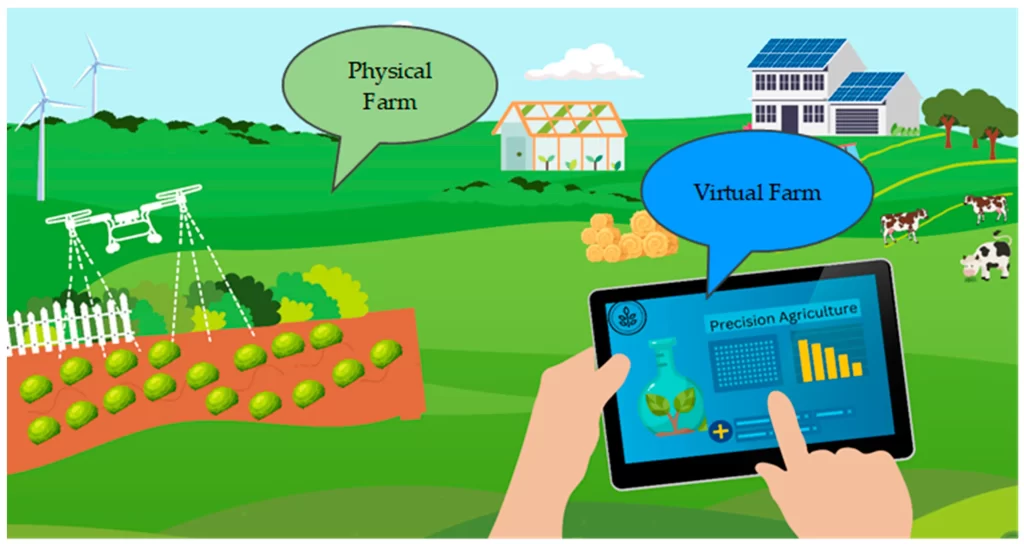
- – AI and Machine Vision: Computer vision is enabling real-time weed recognition, yield estimation, and autonomous machinery guidance.
- – Blockchain for Food Traceability: Ensures transparent supply chains by recording every step—from farm to fork.
- – Climate-Smart Agriculture: Precision agriculture is being integrated into climate resilience strategies, helping farmers adapt to extreme weather.
- – Robotics and Automation: Driverless tractors, robotic weeders, and automated harvesters are already in field trials.
- – Government Initiatives: Countries like the USA (USDA tech grants) and India (Digital Agriculture Mission) are promoting precision agriculture through funding and training.
Precision agriculture is not just a trend—it’s a paradigm shift. It combines data science, engineering, and agronomy to make farming smarter, more sustainable, and more profitable. From drones mapping crop stress to AI recommending fertilizer doses, the landscape of agriculture is changing rapidly. While challenges exist, the benefits—both environmental and economic—are too significant to ignore. For farmers worldwide, embracing precision agriculture is no longer optional; it’s the path forward.