Table of Contents
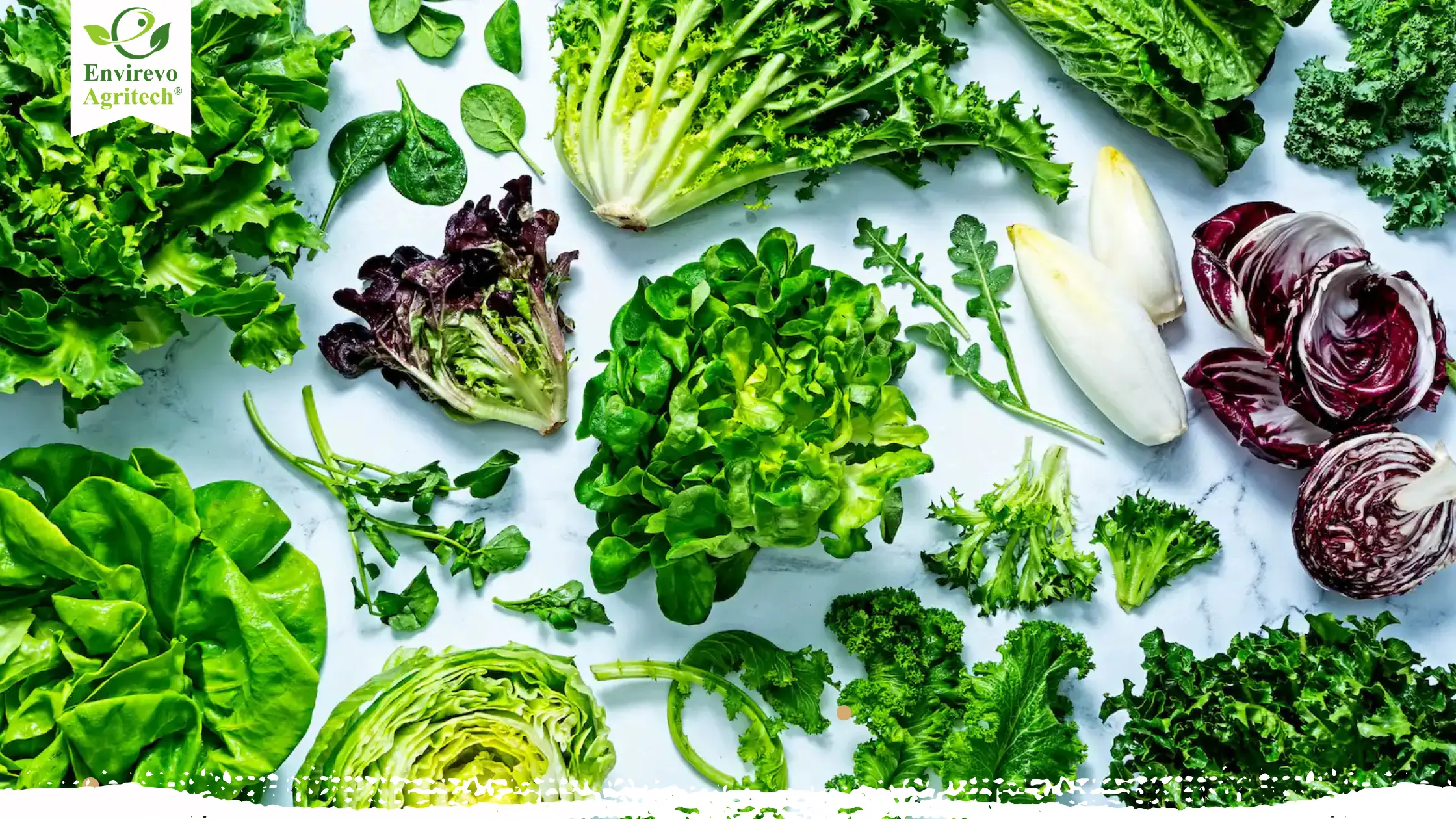
The world of greens used in salad is far wider than iceberg lettuce alone, with a truly immense range of flavors, textures, and nutritional content. They are mostly members of three botanical families: Asteraceae (lettuces and chicories), Brassicaceae (broccoli greens such as arugula and mustard greens), and Amaranthaceae (spinach and chard). Each group has its own unique qualities that make it a great addition to any salad collection.
Modern salad culture celebrates this diversity through mesclun mixes, which traditionally combine bitter, sweet, tangy, crunchy, and tender elements to create complex flavor profiles. Understanding these different types of salad greens allows home cooks and gardeners to create balanced, nutritious, and visually appealing salads throughout the growing season. One note on all of these greens: store them in the crisper drawer, which maintains optimal moisture. If you can adjust humidity, set it high to protect the greens.
Types of Salad Greens and How to Use Them Best
1. Arugula (Rocket)
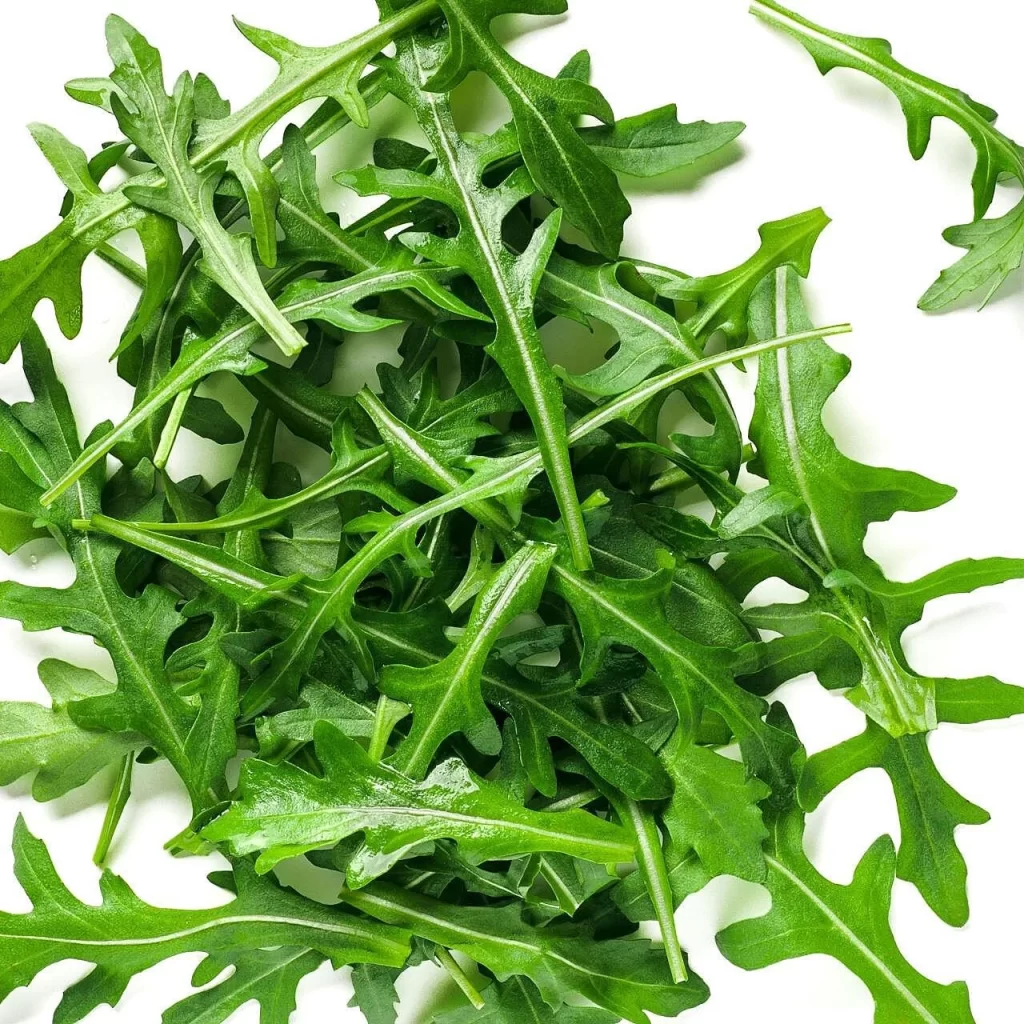
Arugula stands out among types of greens for salad with its distinctive peppery, nutty flavor that adds sophistication to any dish. This member of the Brassicaceae family, also known as rocket in many countries, provides a complex flavor profile that intensifies as the leaves mature. Baby arugula offers a milder taste, making it ideal for those new to its bold character.
- Culinary Appeal: Raw arugula excels in salads, where its peppery bite complements sweet elements like fruits, nuts, and mild cheeses. It pairs exceptionally well with citrus fruits, pears, and berries in composed salads. When cooked, arugula’s sharp edge mellows considerably, making it suitable for pasta dishes, pizzas, and sautéed preparations.
- Suggested Salad Recipes:
2. Spinach
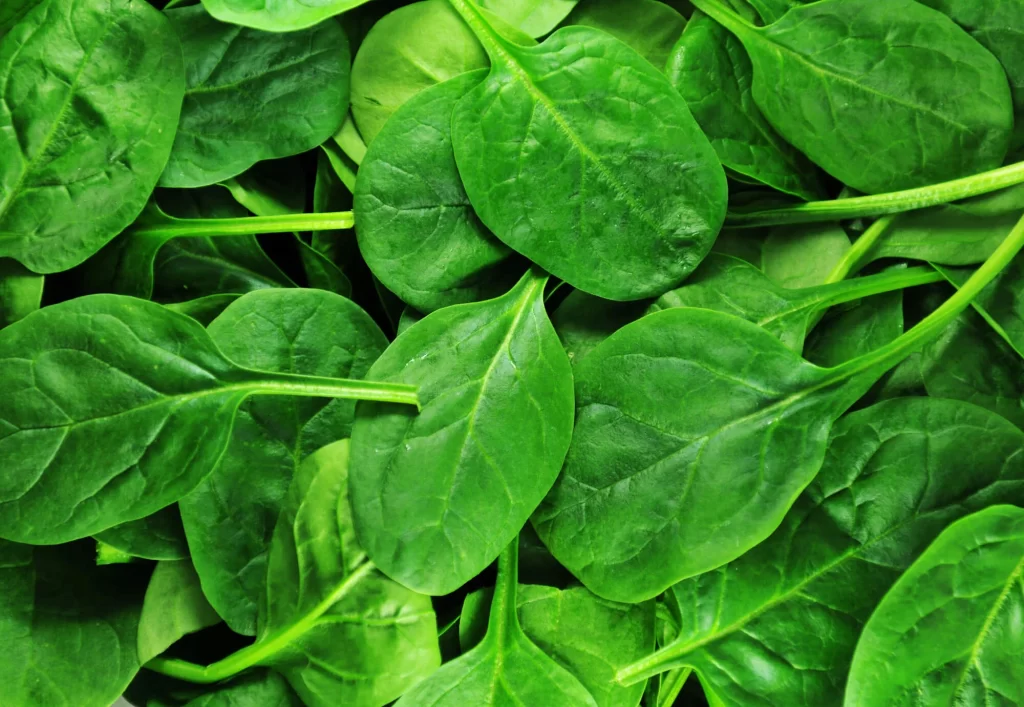
Spinach represents one of the most versatile and nutritious types of salad greens available, offering exceptional nutritional density with a mild, pleasing flavor. This dark leafy green provides 121% of the daily value for vitamin K, 16% for vitamin A, and 12% for manganese in just one cup of raw leaves. Its high folate content makes it particularly valuable for pregnant women and those seeking to support cardiovascular health.
- Culinary Appeal: Fresh spinach serves as an excellent base for salads, particularly when combined with fruits, nuts, and creamy dressings that complement its mild earthiness. It pairs beautifully with strawberries, goat cheese, and balsamic vinaigrette, or with warm bacon dressing in traditional wilted spinach preparations. Spinach’s ability to wilt quickly makes it perfect for last-minute additions to soups, pasta dishes, and stir-fries.
- Suggested Salad Recipes:
3. Romaine Lettuce
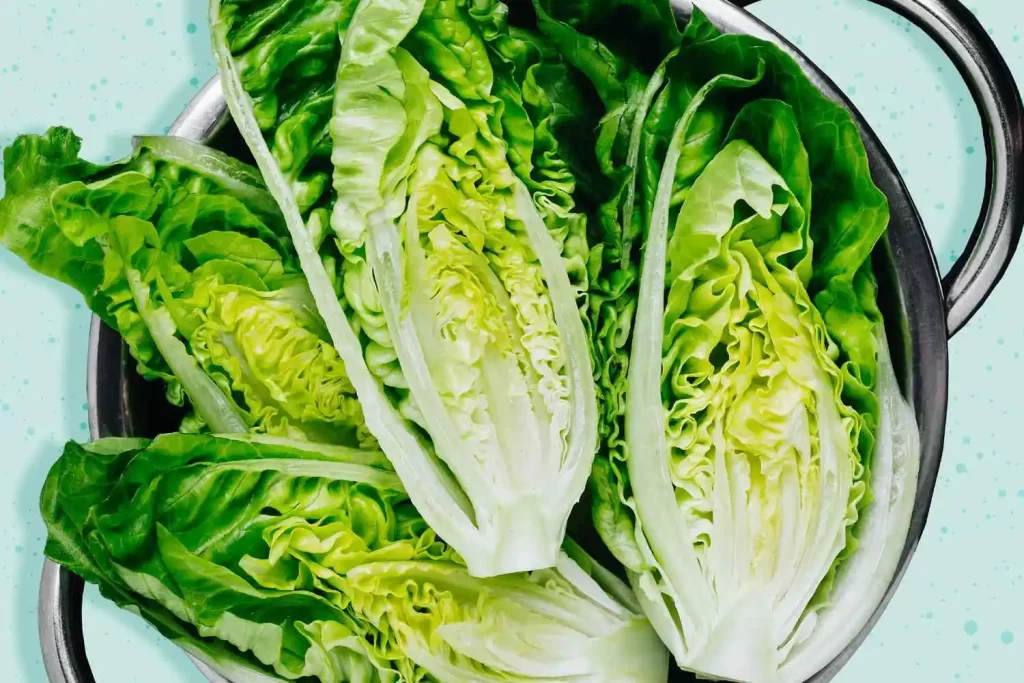
Romaine lettuce stands as the cornerstone of different types of salad greens, most famously as the essential component of Caesar salad. This sturdy, upright lettuce variety offers crisp texture and mild, slightly sweet flavor that makes it universally appealing. Its robust structure allows it to hold substantial dressings and toppings without wilting, making it ideal for hearty salads.
- Culinary Appeal: Its cup-shaped leaves work excellently as wraps for various fillings, providing a low-carbohydrate alternative to bread or tortillas. The thick ribs can be removed and added to soups or stews, where they provide subtle flavor and nutrients.
- Suggested Salad Recipes:
4. Butter Lettuce (Boston and Bibb)

Butter Lettuce earned its name from its silky, almost buttery texture that seems to melt in your mouth. The mild, slightly sweet flavor makes them perfect for delicate salads and elegant presentations.
- Culinary Appeal: It works beautifully in composed salads where its delicate texture won’t compete with other ingredients. They pair exceptionally well with light vinaigrettes, citrus-based dressings, and gentle preparations that won’t overwhelm their subtle character.
- Suggested Salad Recipes:
5. Kale
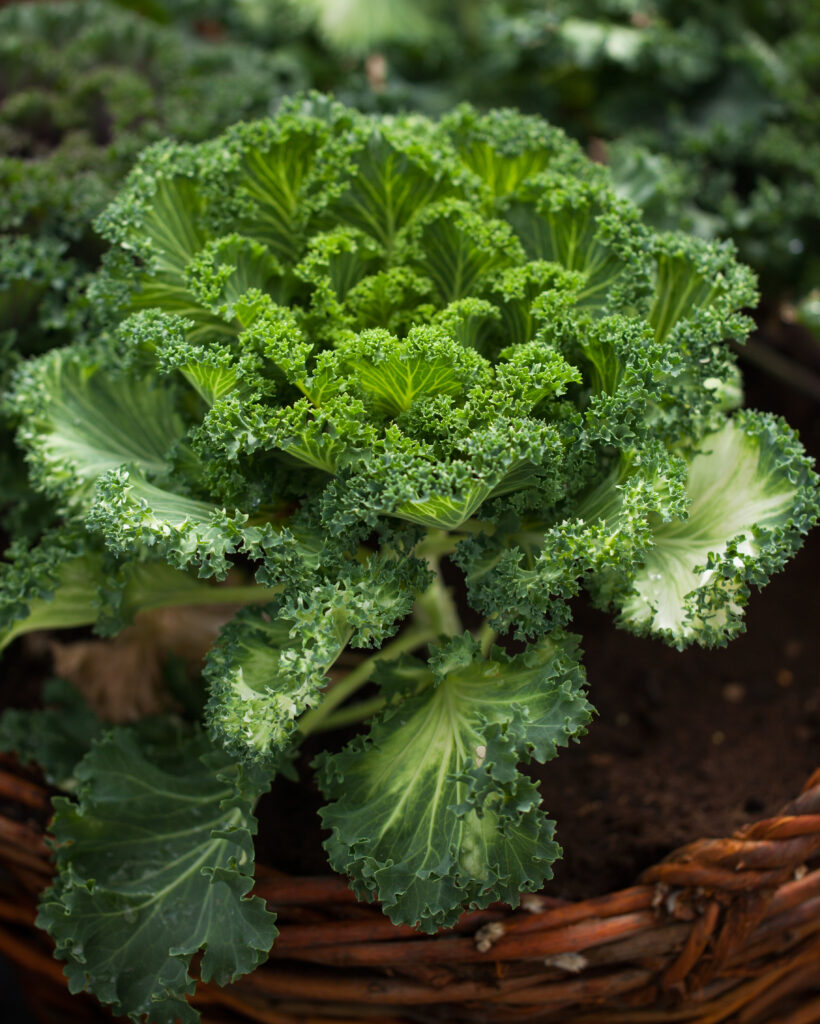
Kale has emerged as a superstar among types of salad greens, earning recognition for its exceptional nutritional density and versatility. This hardy member of the Brassica family provides more than 900% of daily vitamin K needs and over 600% of vitamin A requirements in a single serving, along with more vitamin C than an orange.
- Culinary Appeal: Massaged kale serves as an excellent base for hearty salads that can withstand robust dressings and substantial toppings. It pairs beautifully with nuts, dried fruits, hard cheeses, and grain-based additions. The sturdy leaves won’t wilt under heavy dressings, making kale salads perfect for meal prep and potluck situations.
- Suggested Salad Recipes:
6. Mixed Greens and Mesclun
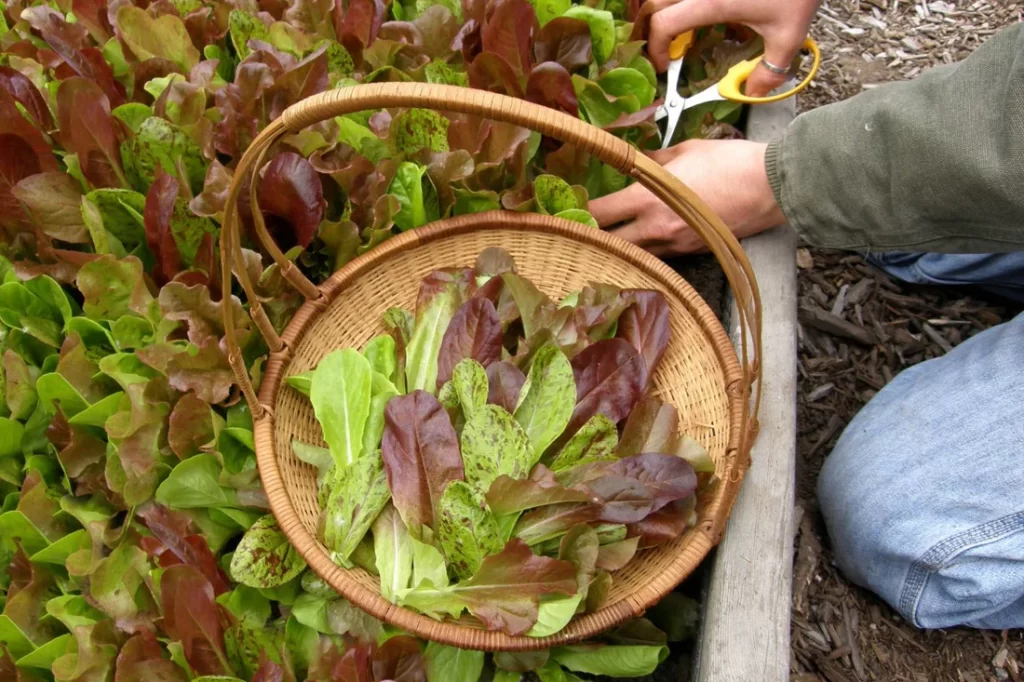
Traditional mesclun, originating from the Provence region of France, combines diverse flavors, textures, and colors to create complex salad experiences. The name derives from “mescla,” meaning “to mix,” reflecting the intentional diversity that makes these combinations so appealing. Authentic mesclun typically includes chervil, arugula, leafy lettuces, and endive, creating a balance of bitter, sweet, tangy, and mild flavors.
- Culinary Appeal: Massaged kale serves as an excellent base for hearty salads that can withstand robust dressings and substantial toppings. It pairs beautifully with nuts, dried fruits, hard cheeses, and grain-based additions. The sturdy leaves won’t wilt under heavy dressings, making kale salads perfect for meal prep and potluck situations.
- Suggested Salad Recipes:
7. Watercress
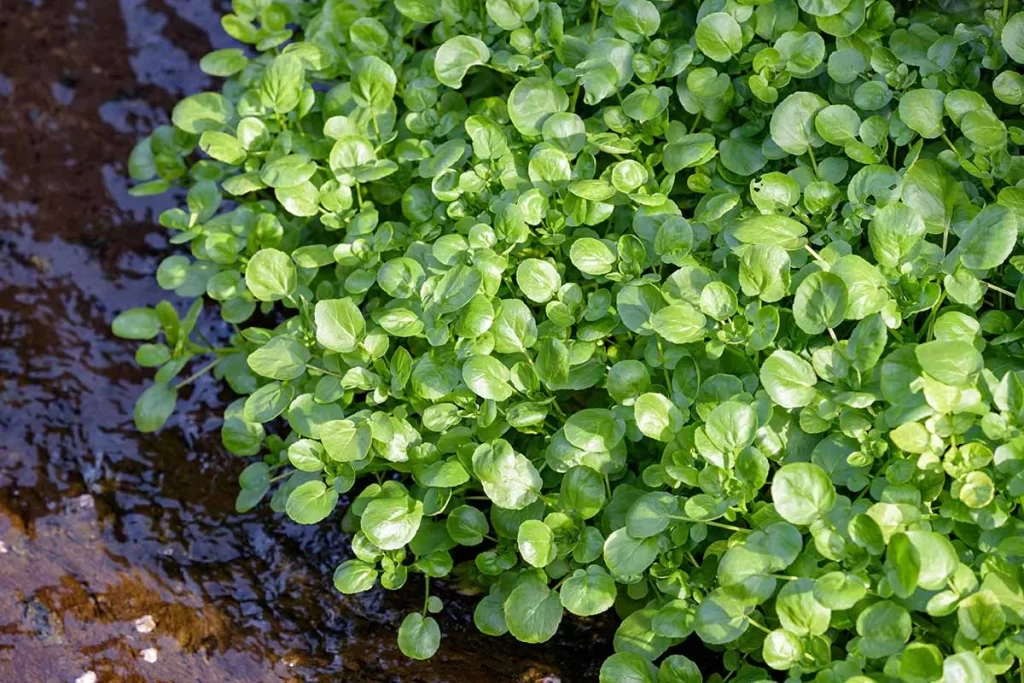
Watercress offers a peppery, slightly bitter taste with bright, clean notes. This aquatic plant, scientifically known as Nasturtium officinale, grows naturally in streams and springs, requiring constant moisture to thrive.
- Culinary Appeal: Fresh watercress excels in salads where its peppery bite adds complexity and sophistication. It pairs beautifully with milder greens to provide contrast, and works exceptionally well with citrus-based dressings that complement its bright flavor.
- Suggested Salad Recipes:
8. Endive, Escarole, and Frisée

These closely related vegetables, endive, escarole, and frisée, each offer unique characteristics while sharing the distinctive bitter flavor profile that makes them valuable in salad compositions.
- Culinary Appeal: All three varieties work excellently in mixed salads where their bitterness provides balance to sweeter elements. They pair beautifully with fruits, nuts, and creamy dressings that offset their intensity.
- Suggested Salad Recipes:
- Trio of Chicories Salad with Olive Vinaigrette
- Warm Frisée Mushroom Medley
- Lyonnaise Frisée Poached Egg Salad
- Citrus Escarole & Parmesan Crunch
9. Collard Greens
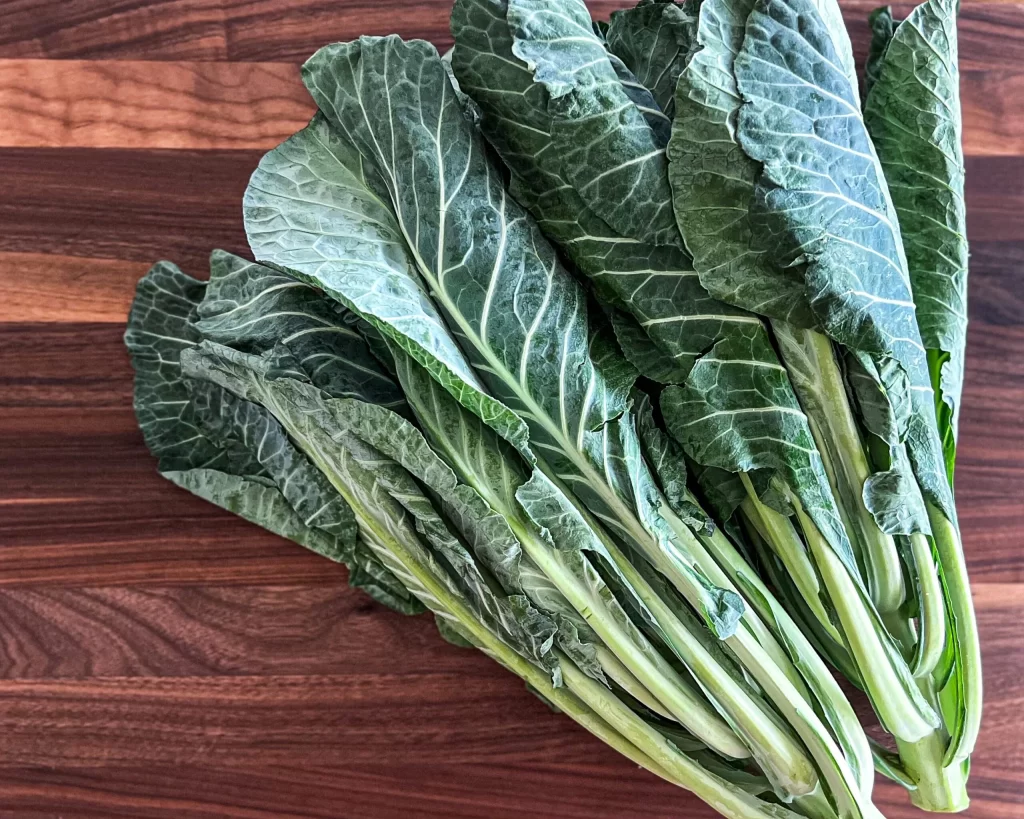
They’re more commonly associated with cooked preparations. Their high antioxidant content and glucosinolate compounds offer potential health benefits, including anti-inflammatory and anti-cancer properties.
- Culinary Appeal: Young collard green leaves can be used raw in salads when properly prepared. Traditional methods involve cooking them with aromatics like onions, garlic, and often smoked meats, creating rich, deeply flavored dishes that showcase the greens’ natural character.
- Suggested Salad Recipes:
10. Mustard Greens
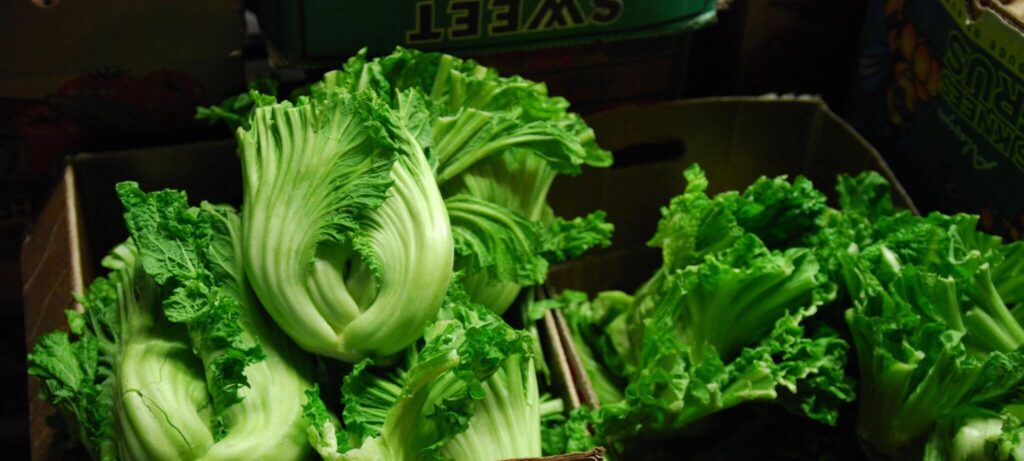
Mustard greens bring bold, spicy flavor to types of greens in salad, offering a peppery bite that intensifies with maturity.
- Culinary Appeal: They pair well with sweet elements like fruits and mild cheeses that balance their intensity. Asian varieties are particularly prized for their tender texture and balanced heat.
- Suggested Salad Recipes:
- Maple-Mustard Brunch Salad with Glazed Turnips
- Spicy Mustard Greens Chickpea Medley
- Mustard Green & Avocado Citrus Splash
11. Turnip Greens
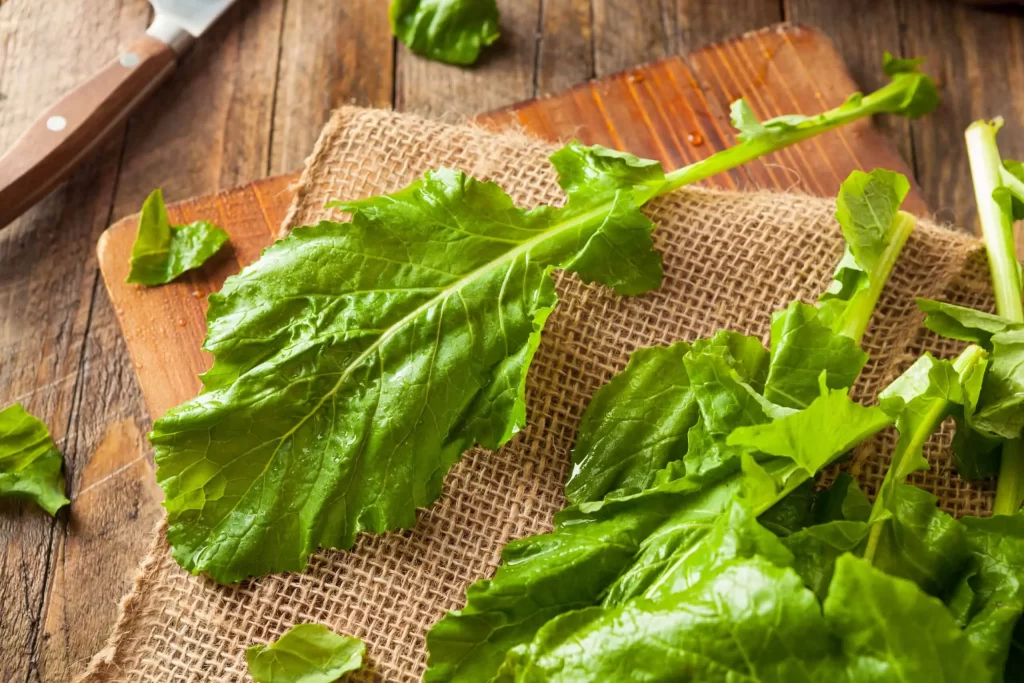
Another excellent option among types of salad greens, providing mild, slightly peppery flavor with tender texture when harvested young. These often-overlooked greens surpass their root vegetables in nutritional density, offering substantial amounts of vitamins A, C, and K along with important minerals.
12. Swiss Chard
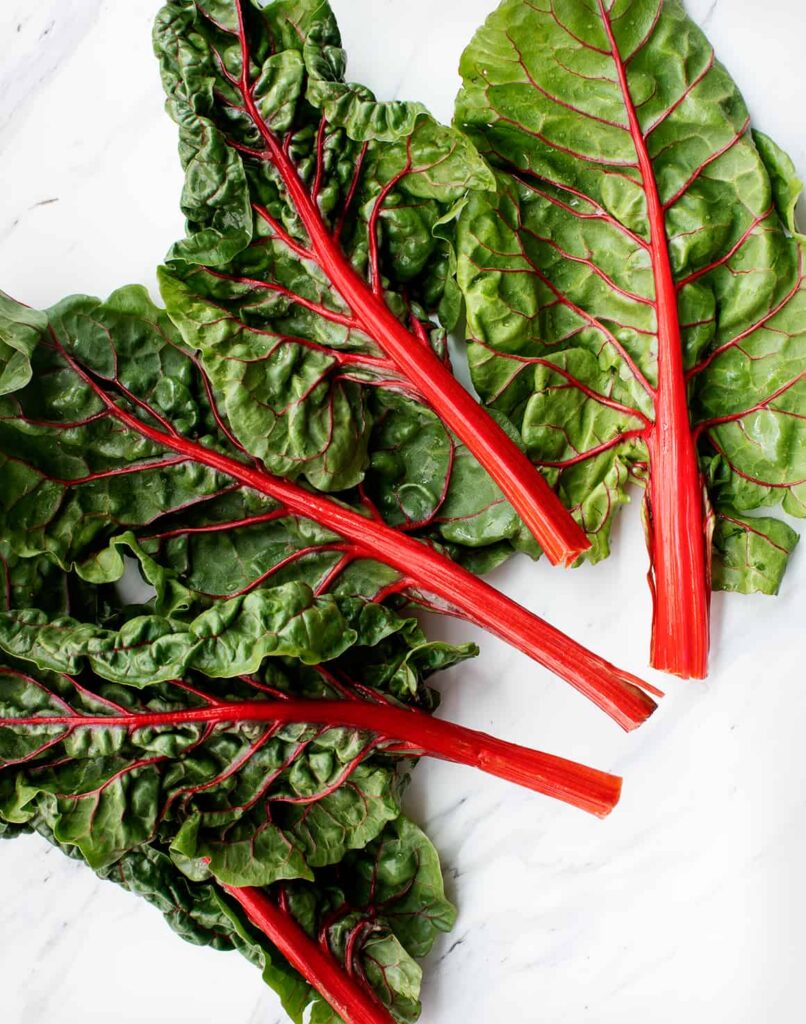
Vibrant color and mild flavor to types of salad greens, with their colourful stems and large, tender leaves offering both visual appeal and nutritional benefits.
- Culinary Appeal: Young Swiss chard leaves work well raw in salads, offering mild, slightly earthy flavor without bitterness. The stems require longer cooking but provide sweet, celery-like flavor that complements the leaves beautifully.
- Suggested Salad Recipes:
- Rainbow Swiss Chard Citrus Fusion
- Chard, Chickpea & Lemon Vinaigrette Bowl
- Swiss Chard Walnut Maple Wonder
13. Oak Leaf Lettuce

Oak leaf lettuce comes in both green and red varieties, with the red types offering additional antioxidants through their colorful pigments. The leaves form loose rosettes that can be harvested continuously by picking outer leaves while allowing the center to continue growing.
- Culinary Appeal: The tender, mild nature of oak leaf lettuce makes it excellent for mixed salads where it provides bulk without strong flavor competition. It works particularly well with delicate dressings and subtle flavor combinations that might be overwhelmed by more assertive greens.
- Suggested Salad Recipes:
- Oak Leaf & Pear Walnut Symphony
- Red Oak Leaf Balsamic Crunch
- French Country Oak Leaf Medley
- Oak Leaf & Fig Summer Savor
14. Radicchio
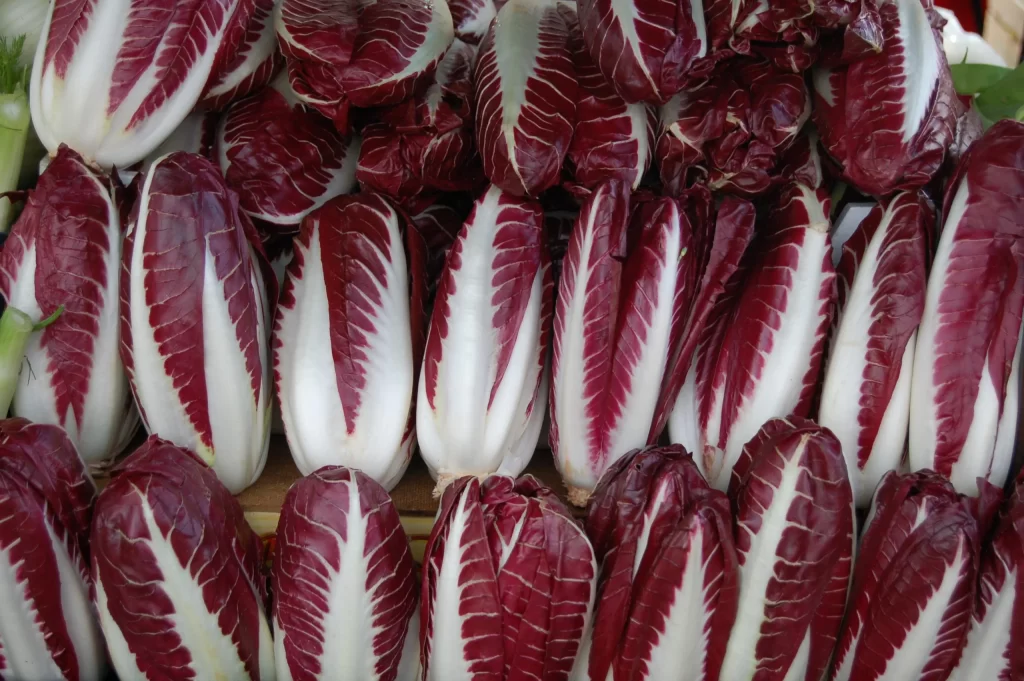
The bitter flavor of radicchio mellows significantly with cooking, transforming from sharp and assertive to sweet and complex. This versatility allows it to function both as a raw salad component and as a cooked vegetable.
- Culinary Appeal: Raw radicchio works best in small quantities in mixed salads. Grilling or roasting radicchio caramelizes its natural sugars while maintaining its attractive color, creating sophisticated side dishes and salad components.
- Suggested Salad Recipes:
- Radicchio Orange Pecan Twist
- Grilled Radicchio and Herb Salad
- Italian Radicchio & White Bean Bowl
- Radicchio Fig and Hazelnut Crunch
15. Microgreens
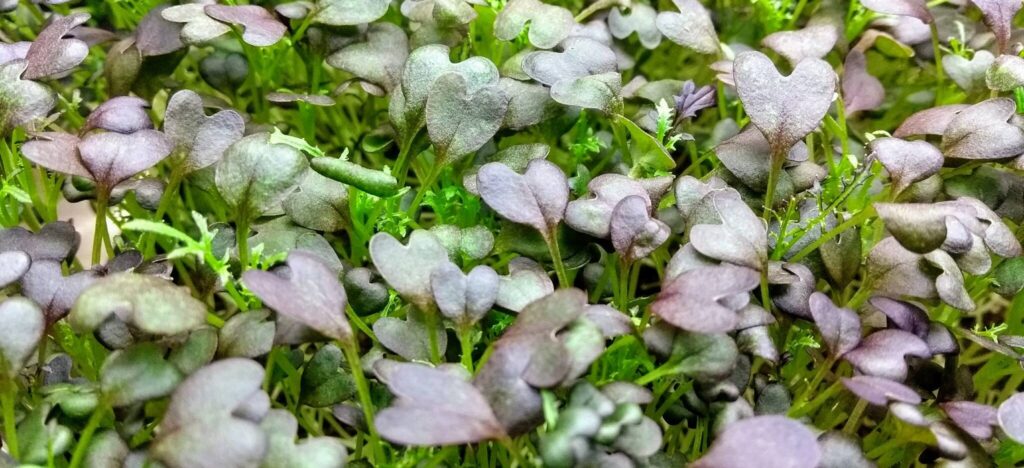
Microgreens excel as both primary salad components and finishing garnishes. Their tender texture requires no cooking, and their intense flavors mean a little goes a long way. Due to their delicate nature, microgreens require gentle handling and should be consumed within a few days of harvest for optimal texture and nutrition.
The key to exceptional salads lies in combining complementary varieties that balance flavors, textures, and colors while maximizing nutritional benefits. Whether growing your own greens or selecting from market offerings, choosing diverse types of salad greens creates more interesting, satisfying, and healthful eating experiences. The investment in understanding and utilizing various types of salad greens pays dividends in improved health outcomes, enhanced culinary creativity, and greater appreciation for the remarkable diversity that nature provides in these essential vegetables.