Table of Contents
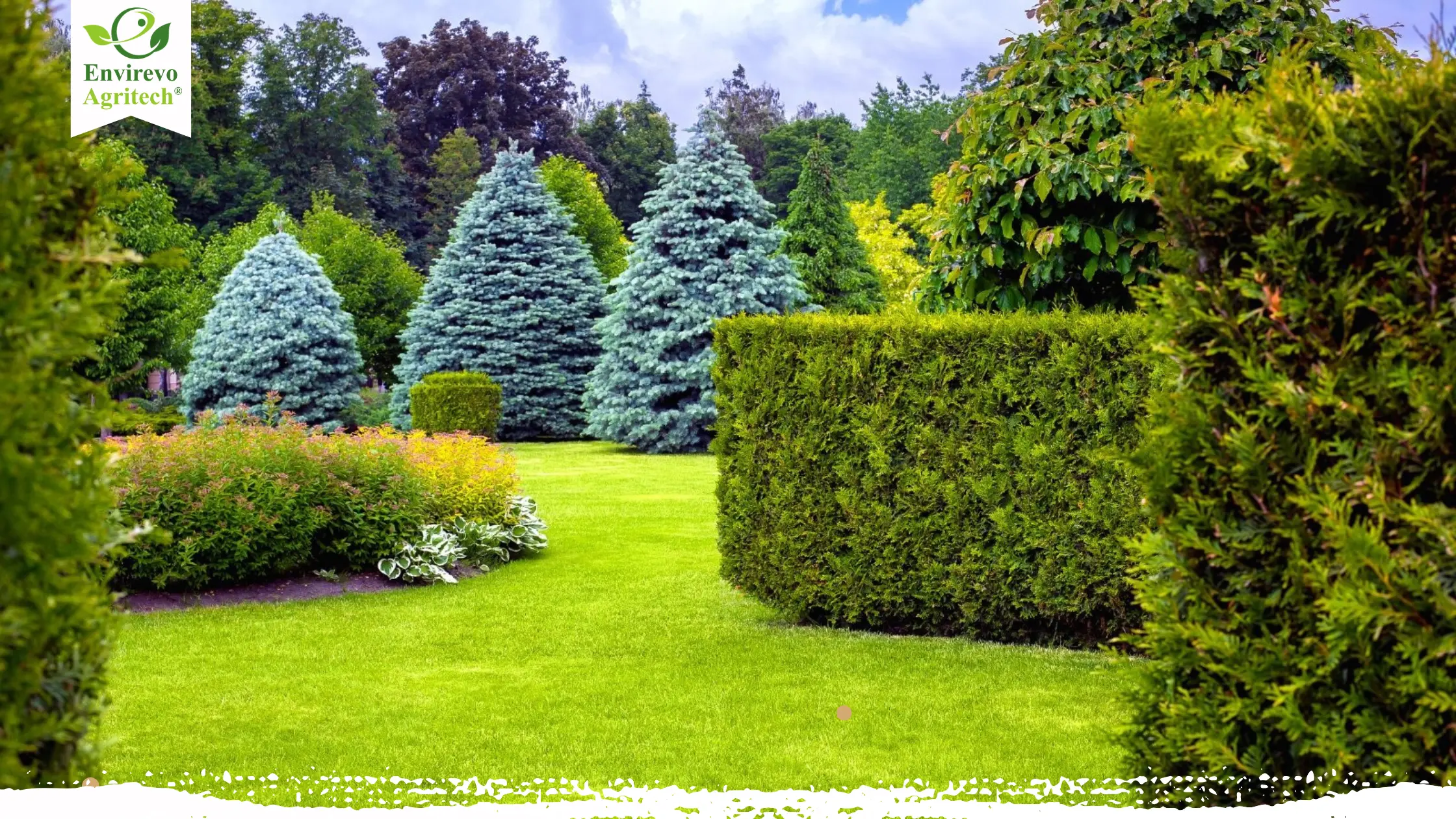
A well-designed garden is a source of joy throughout the year, but many plants fade with the changing seasons, leaving your yard looking dull during winter. That’s where small evergreen garden plants come in. These plants stay lush and green year-round, providing constant structure, color, and life to your outdoor space. Whether you have a sprawling backyard, a compact urban garden, or just a patio with a few containers, the small evergreen garden plants can transform your space into a vibrant, low-maintenance haven.
In this guide, we’ll explore why evergreens are so valuable, factors to consider before choosing one, and a curated list of Top 10 small evergreen shrubs and plants that will keep your garden looking stunning in every season.
Top 10 Small Evergreen Shrubs and Plants
Below are the best small evergreen garden plants, each with character, versatility, and long-lasting appeal. For every selection, you’ll find practical planting information, care tips, and ways to use them in your design.
1. Boxwood (Buxus sempervirens)
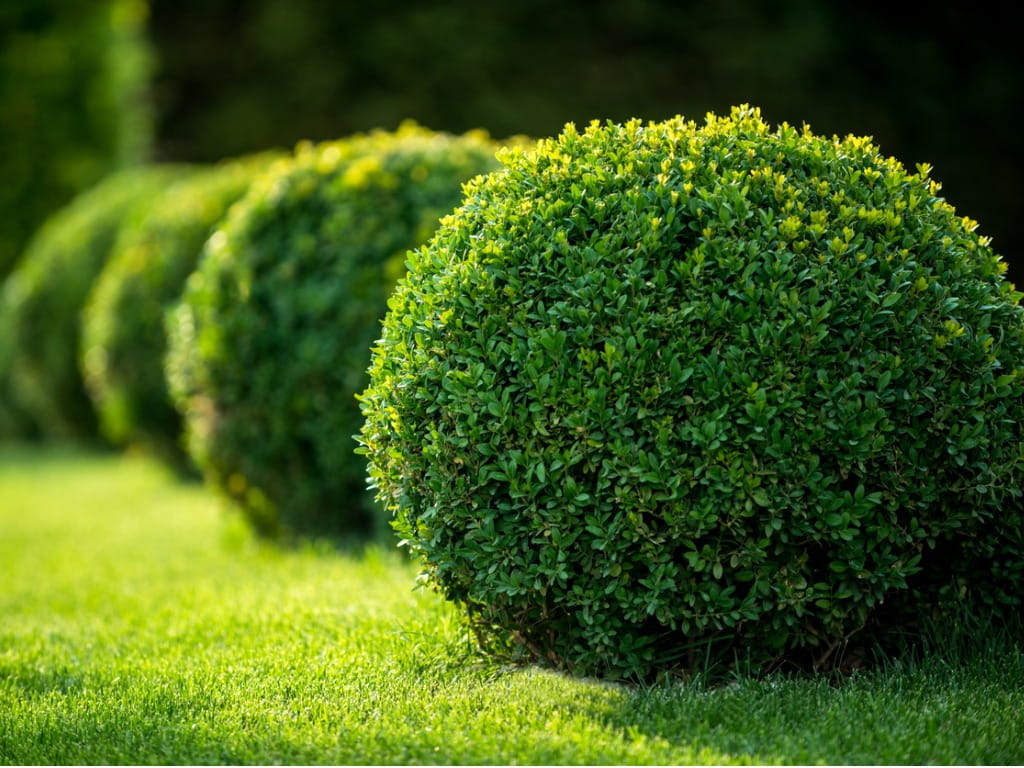
- Why it’s great: This classic evergreen is prized for its rich green color and dense growth habit—perfect for formal borders, knot gardens, or sculpted topiary.
- Height/Spread: 2–3 ft tall and wide
- Zones: 5–9
- Design tip: Try as a clipped hedge or spherical accent in containers.
- Care: Full sun to partial shade, average soil, prune for shape.
2. Dwarf Alberta Spruce (Picea glauca ‘Conica’)
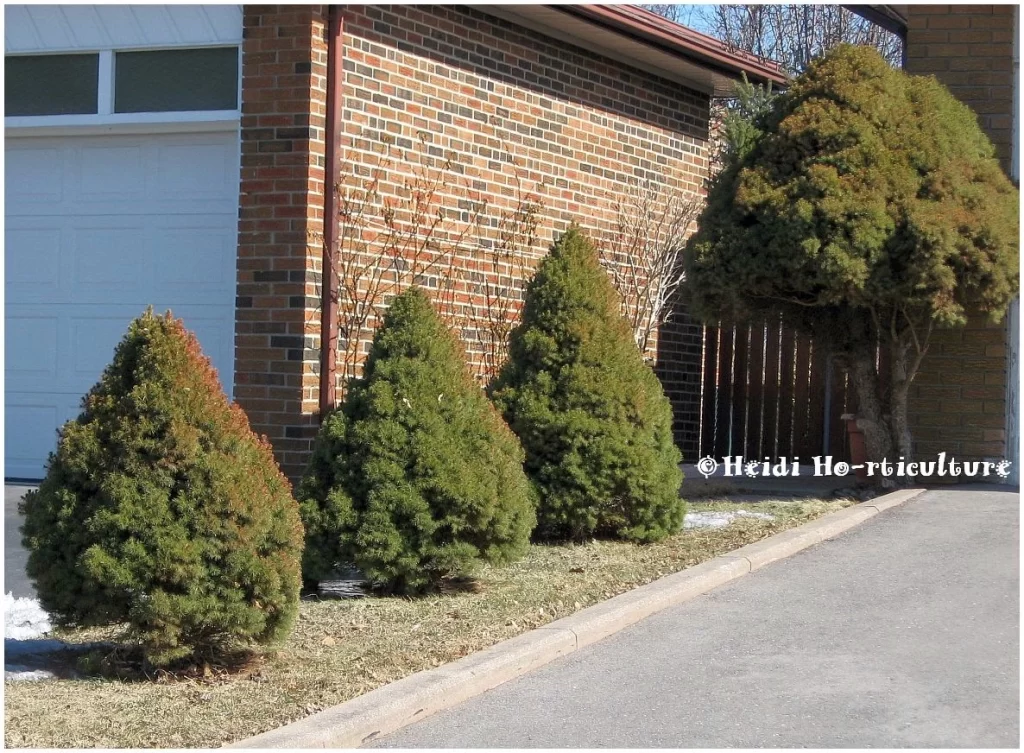
A slow-growing conifer offering a neat, conical shape naturally. Its soft texture and fresh green color fit classic and modern gardens alike.
- Height/Spread: 2–6 ft high; 2–4 ft wide
- Zones: 2–6
- Design tip: Use as a living Christmas tree for patios or create symmetry at gateways.
- Care: Full sun, well-drained soil, protect from harsh winter winds.
3. Hebe (Hebe spp.)
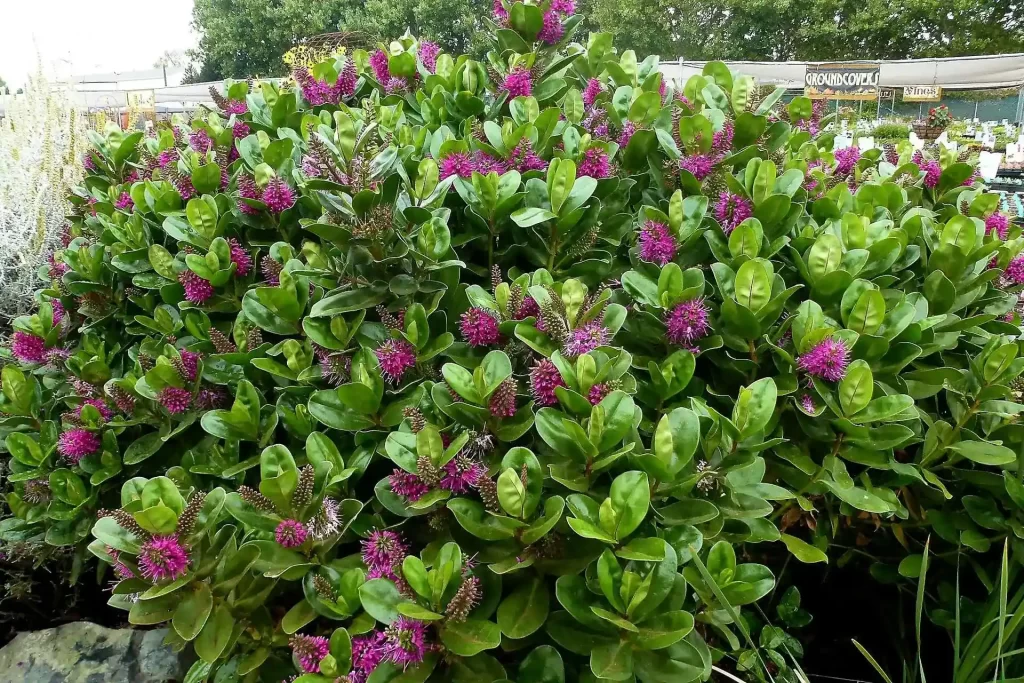
Compact, colorful, and often blooming in late summer. Many varieties offer purple, white, or pink flower spikes on contrasting foliage.
4. Pieris japonica ‘Little Heath’
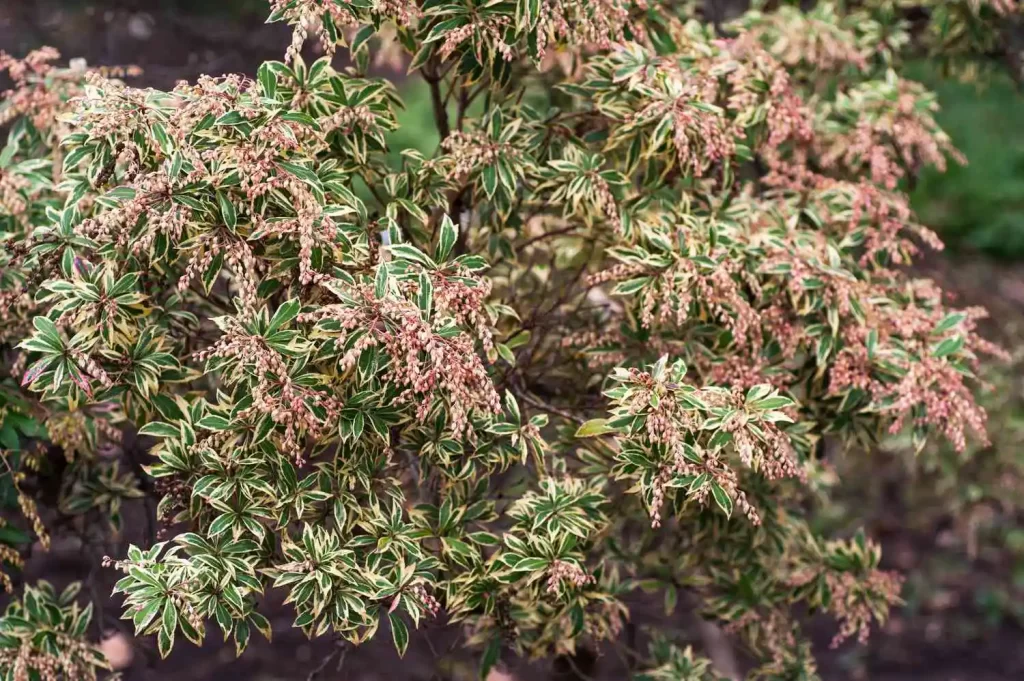
A compact, variegated shrub, “Little Heath” is beloved for its year-round interest—colorful new shoots and delicate bell-shaped spring flowers.
- Height/Spread: 2–3 ft
- Zones: 5–8
- Design tip: Plant near entryways or patios where the blooms and colored foliage can be enjoyed up close.
- Care: Partial shade and acid soil, mulch annually for best growth.
5. Tater Tot Arborvitae (Thuja occidentalis ‘Tater Tot’)
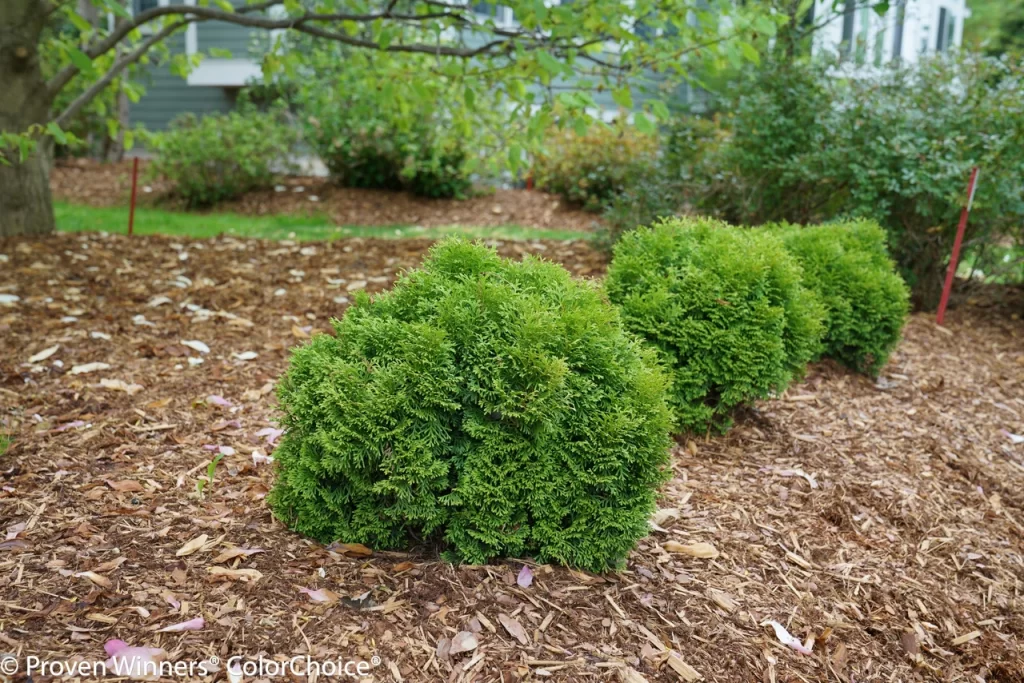
6. Adam’s Needle (Yucca filamentosa)
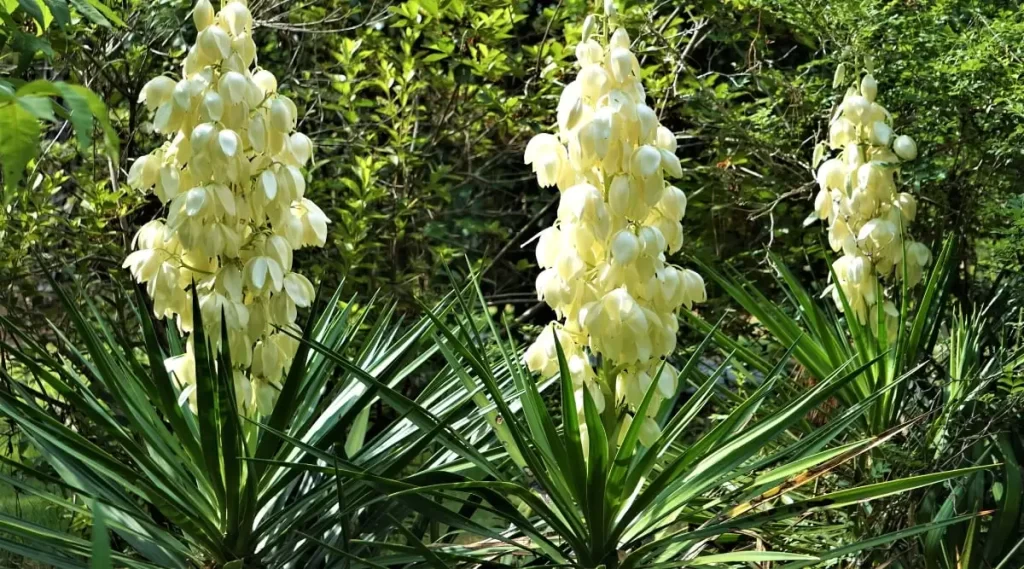
Architectural and evergreen, with spear-shaped leaves and a summer spike of creamy flowers. Adam’s Needle is both drought-tolerant and striking.
- Height/Spread: 2–3 ft (foliage); 4 ft flower spikes
- Zones: 4–10
- Design tip: Use in xeriscapes or alongside rocks for bold contrast.
- Care: Full sun, sandy or poor soils, minimal water once established.
7. Sweet Box (Sarcococca hookeriana var. humilis)
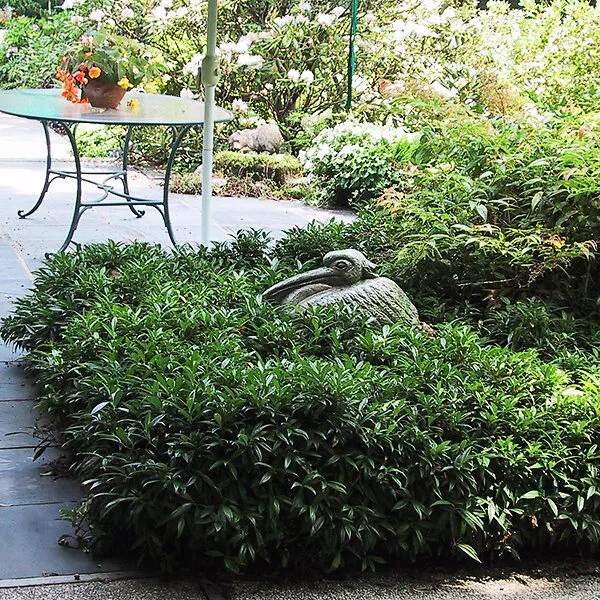
Fragrant winter flowers make this shade-loving evergreen a staple for north-facing beds and walkways.
- Height/Spread: 1–2 ft tall; 3–5 ft wide
- Zones: 6–9
- Design tip: Use along paths for fragrant winter interest.
- Care: Partial to deep shade; thrives in moist, well-amended soil.
8. Creeping Juniper (Juniperus squamata ‘Blue Star’)
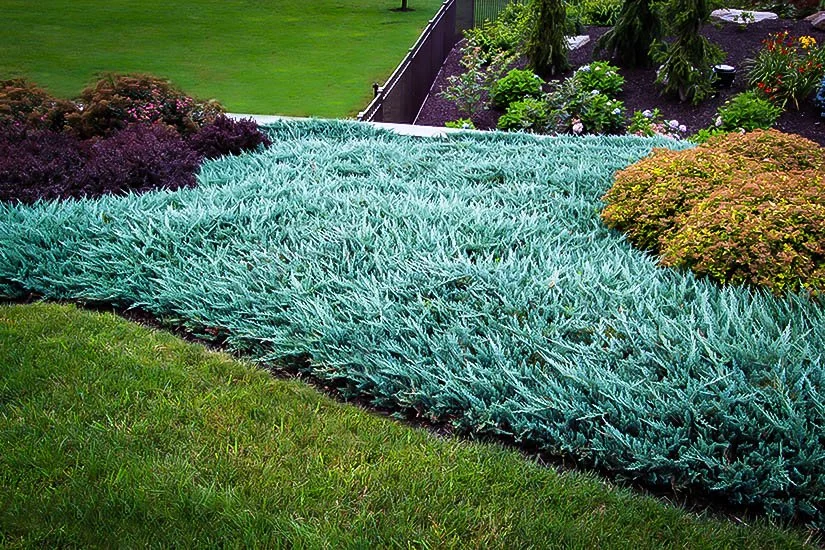
Silvery-blue needles and a dense, mounding form make this small evergreen plant for garden beds a favorite for low borders and slopes.
- Height/Spread: 1–2 ft high, spreads up to 4 ft
- Zones: 4–8
- Design tip: Use as groundcover on slopes or cascading over retaining walls.
- Care: Full sun, tolerates poor soil, drought-tolerant when established.
9. Little Ollie Dwarf Olive (Olea europaea ‘Little Ollie’)
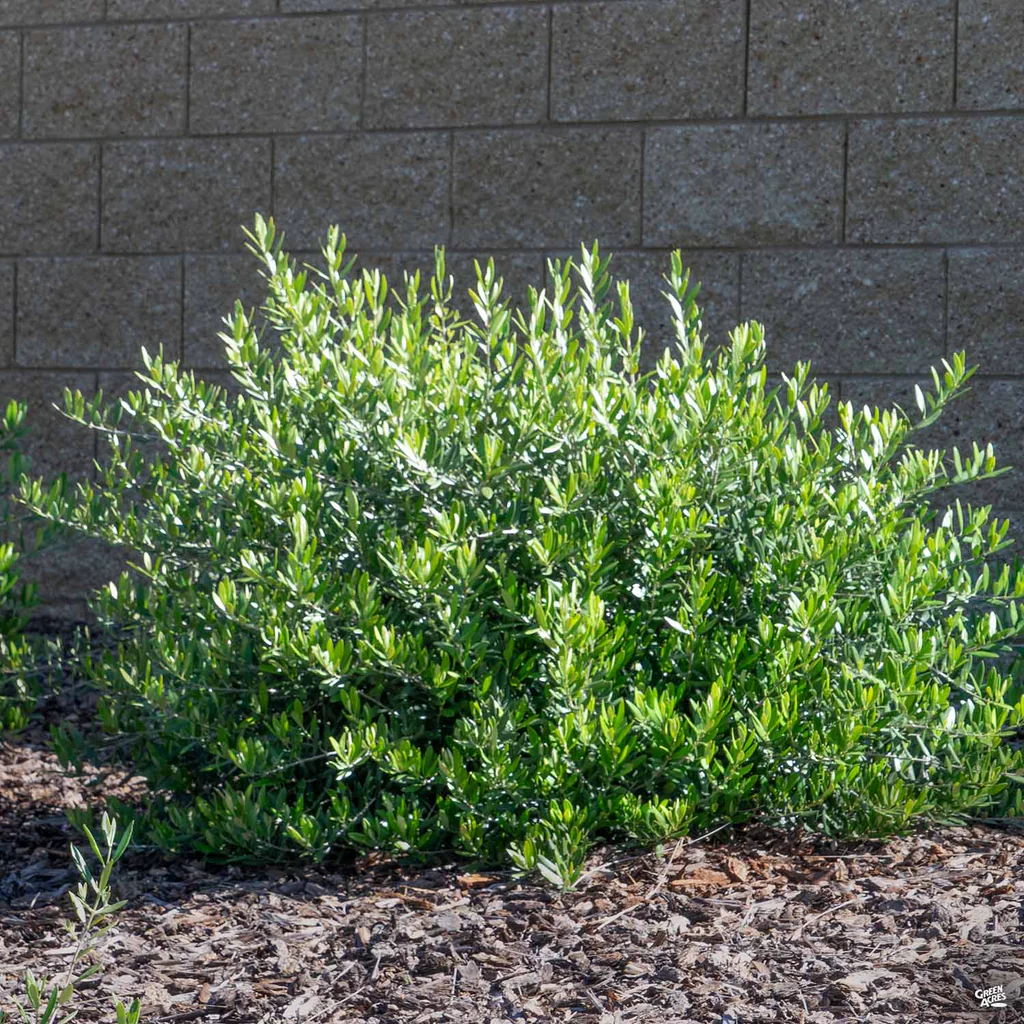
With neat, silvery foliage and a tight growth habit, this evergreen shrub offers Mediterranean style plus drought tolerance.
- Height/Spread: 3–4 ft tall and wide
- Zones: 8–11
- Design tip: Great for container gardening or dry borders.
- Care: Full sun, well-drained soil, prune to shape.
10. Loropetalum chinense
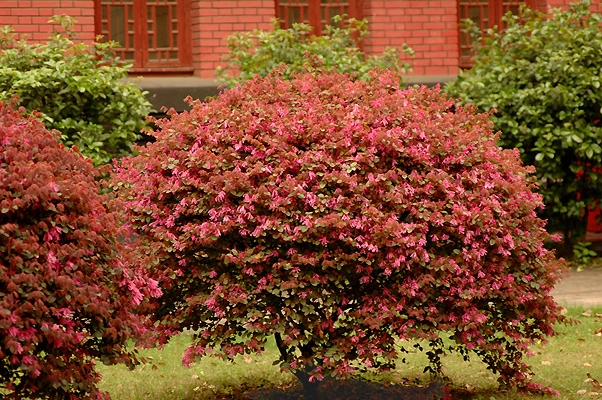
Showcases deep purple foliage and hot-pink spring flowers. Easy, compact, and a true all-season spectacle.
- Height/Spread: 1–3 ft tall, up to 3–5 ft spread (dwarf forms)
- Zones: 7b–9
- Design tip: Try in foundation plantings or large decorative pots.
- Care: Sun to partial shade, well-drained acidic soil, little pruning required.
Design Ideas for Small Evergreen Plants
- Borders and Pathways: Line pathways with dwarf boxwoods or lavender to create structure and guide movement.
- Rock Gardens and Containers: Use low-growing varieties like Winter Heath and Dwarf Mugo Pine for rock gardens or decorative pots.
- Mixed Plantings for Year-Round Color: Combine evergreens with perennials like hostas, daylilies, or ornamental grasses for dynamic, seasonal interest.
- Living sculptures: Topiary and clipped balls of boxwood or thuja add formal flair with minimal effort.
- Wildlife-friendly gardens: Incorporate berrying species for birds and fragrant blossom varieties for pollinators.
Pro Tip: Plant taller evergreens at the back and low-growing varieties in front to create depth.
That’s It!
Choosing the best small evergreen garden plants brings structure, beauty, and life to the garden through every season. Whether dotting a border, creating a formal knot garden, or dressing up a patio, these top 10 small evergreen shrubs and companions are design staples that work hard—so gardeners can enjoy more, with less work.
For enduring shape, color, and character, evergreen plants for a small garden are unmatched. Their versatility and low-maintenance resilience make them a practical choice for gardens of every type, size, and style. Start with the varieties above, and transform garden spaces into stunning, year-round displays that draw admiration and joy in every single month.
FAQ: Small Evergreen Garden Plants
What is the easiest small evergreen plant to grow?
Boxwood and dwarf yews are among the easiest, requiring minimal care once established.
Can I grow evergreen plants in pots?
Absolutely! Most of the top 10 small evergreen shrubs listed above are perfect for container gardening. Just be sure to water and feed regularly and re-pot as needed to avoid root binding.
Which small evergreens are best for shade?
Japanese Skimmia and dwarf yews do well in partial to full shade.
How often should I prune my evergreens?
Once or twice a year is usually enough, depending on the plant and desired shape.
Do evergreen plants need special fertilizer?
A balanced, slow-release fertilizer in spring works well for most evergreens.
Are small evergreens pet safe?
Check each plant before purchasing. Boxwood and some other evergreens are mildly toxic if ingested.