Table of Contents
Potatoes are a staple food around the world, but purple potatoes are in a league of their own. Their striking deep violet color, rich taste, and impressive health benefits make them more than just a pretty side dish. Whether you’ve seen them at a farmers’ market or on a restaurant menu, you might have wondered: What makes these colorful spuds so special?
In this guide, we’ll explore everything about purple potatoes — from their history and nutrition to their health benefits, growing tips, and mouthwatering recipes. By the end, you’ll know exactly why these colorful tubers deserve a place in your kitchen and maybe even your garden.
What Are Purple Potatoes?
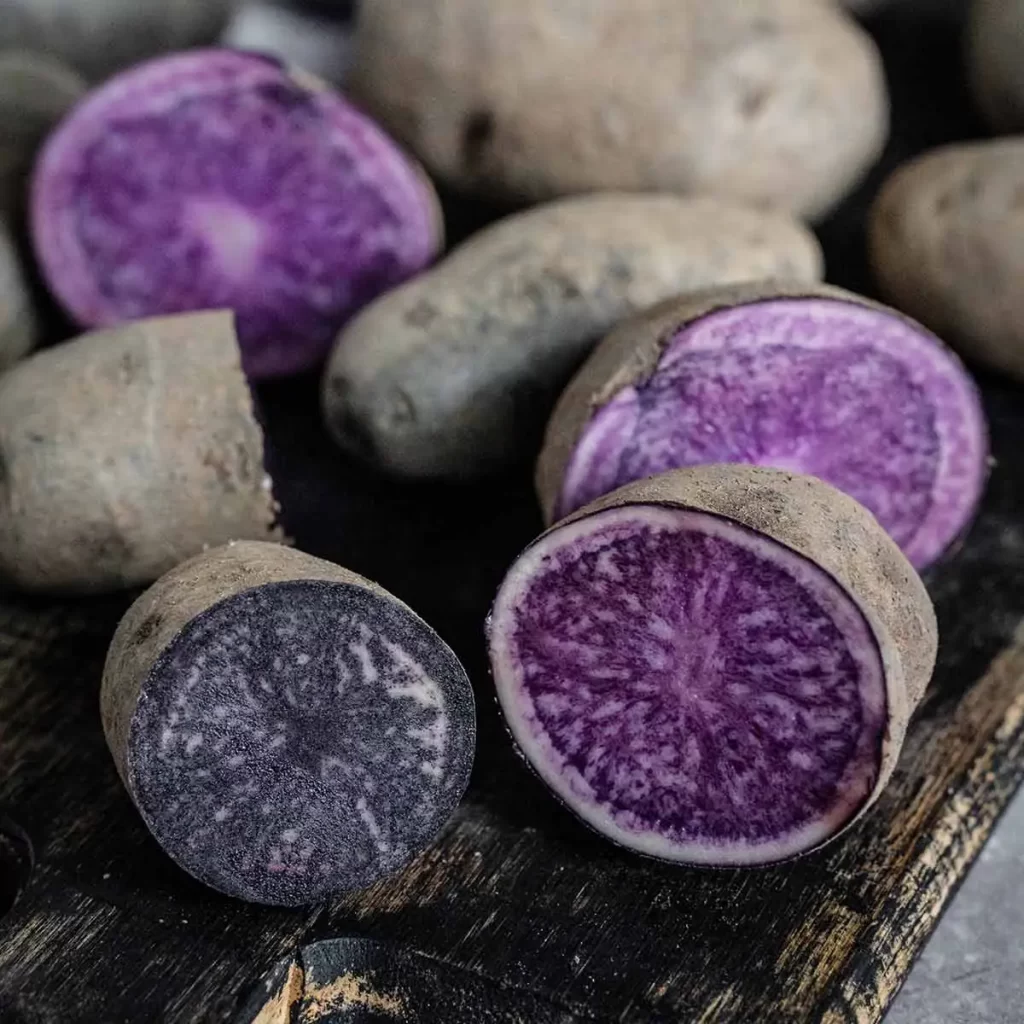
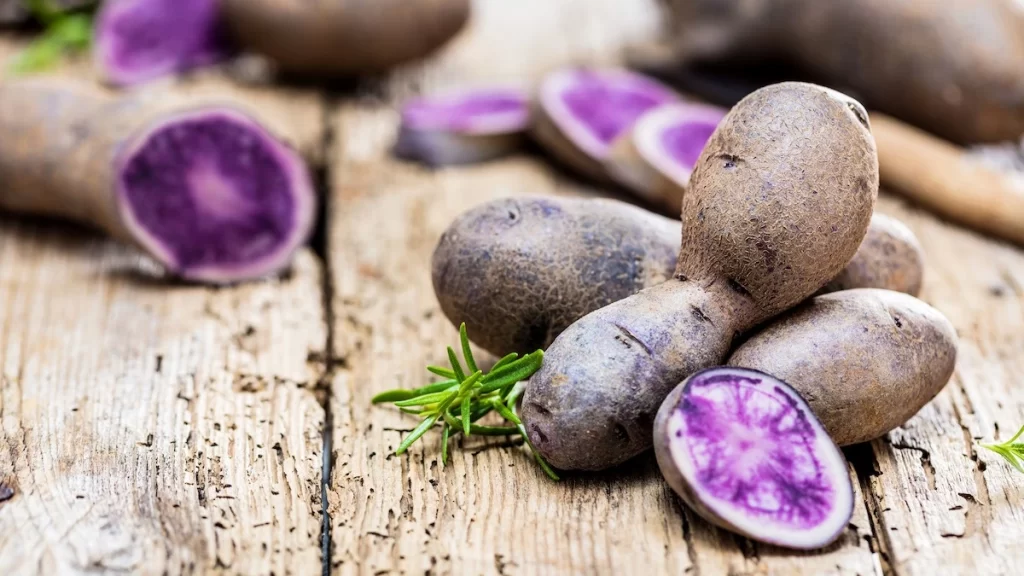
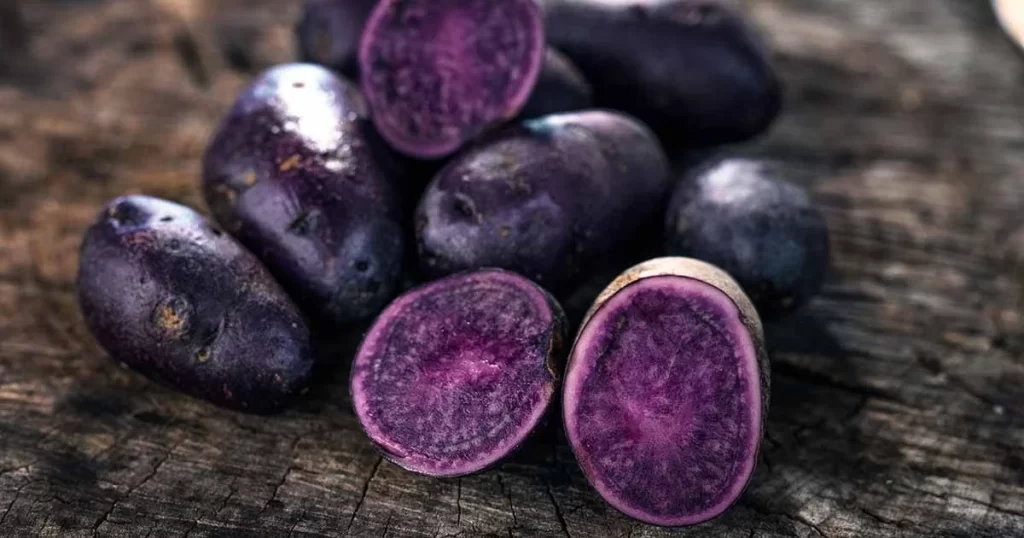
Purple potatoes are a vibrant variety of regular potatoes (Solanum tuberosum) that feature deep purple skin and flesh, making them one of nature’s most visually striking vegetables. These aren’t genetically modified – they’re actually an ancient heirloom variety with roots dating back thousands of years.
Purple potatoes are small, typically golf ball-sized when sold commercially, though they can grow to larger oblong shapes when left to reach full maturity. The most common varieties you’ll find in stores include Purple Majesty, Purple Peruvian, Purple Viking, and All Blue potatoes. Unlike their regular counterparts, purple potatoes have a distinctly earthy, nutty flavor that’s slightly different from white or yellow potatoes. They’re classified as waxy potatoes, similar to fingerlings or red potatoes, meaning they’re lower in moisture and starch than russets, making them perfect for roasting and holding their shape during cooking.
The Ancient History and Origins of Purple Potatoes
Purple potatoes boast an incredibly rich history that spans millennia. Archaeological evidence shows that potatoes were first domesticated in the Andes Mountains around Lake Titicaca, along the border of Peru and Bolivia, approximately 7,000 to 10,000 years ago. The earliest archaeologically verified potato remains were found at the coastal site of Ancón in central Peru, dating back to 2500 BC.
These colorful tubers were a dietary staple among indigenous South American populations long before the Common Era. The wild ancestors of potatoes had been naturally growing in the region since ancient times, and early Andean peoples developed sophisticated techniques to cultivate and process them.
In the 16th century, Spanish conquistadors discovered these remarkable vegetables and brought them back to Europe, where they were initially met with skepticism but eventually became accepted as a crucial food source. Purple potatoes didn’t make their way to the United States until the mid-1980s, where they first gained popularity in Los Angeles for their versatility, health benefits, and vibrant appearance. [2]
Varieties of Purple Potatoes
Understanding the different types of purple potatoes helps you choose the right variety for your needs:
| Variety | Skin Color | Flesh Color | Best Uses |
| Purple Majesty | Dark purple | Deep purple | Roasting, mashing |
| All Blue | Bluish-purple | Marbled blue and white | Salads, roasting |
| Adirondack Blue | Bluish-purple | Blue to violet | Steaming, salads |
| Purple Viking | Deep purple with pink splashes | Bright white | Baking or mashing |
| Vitelotte | Almost black | Deep violet | Gourmet dishes |
| Purple Peruvian | Dark purple | Dark purple | Braising, mashing, grilling, frying |
| Magic Molly | Dark purple | Purple | Baking, soups |
Note: Purple potatoes are different from purple sweet potatoes (like Stokes Purple® or Okinawan varieties). Although they share a similar color, they belong to different plant families and have different flavor profiles. Purple potatoes are true potatoes (Solanum tuberosum), while sweet potatoes are from the morning glory family.
Purple Potatoes Nutrition
Nutritional Profile
Purple potatoes pack an impressive nutritional punch that rivals and often exceeds that of regular potatoes. Here’s what you get in a typical serving:
Macronutrients (per 3.5-ounce/100-gram serving cooked with skin): [3]
- Calories: 87
- Protein: 2 grams
- Carbohydrates: 20 grams
- Fiber: 3.3 grams
- Fat: Less than 1 gram
Key Vitamins and Minerals:
- Vitamin C: 14% of Daily Value (6.5mg per half cup)
- Vitamin B6: 18% of Daily Value
- Potassium: 8-10% of Daily Value (more than bananas!)
- Copper: 21% of Daily Value
- Manganese: 6% of Daily Value
- Iron: 2% of Daily Value
- Phosphorus: 5% of Daily Value
What sets purple potatoes apart nutritionally is their significantly lower glycemic index compared to white potatoes, making them better for blood sugar control. They’re also naturally low in sodium and provide a good source of dietary fiber.
Comparison with Other Potatoes
| Feature | White Potato | Red Potato | Purple Potato |
| Calories | Similar | Similar | Similar |
| Potassium | High | High | Very High |
| Antioxidants | Moderate | Good | Excellent |
| Color retention when cooked | White | Red | Vibrant purple |
Benefits of Purple Potatoes
Antioxidant Properties
The deep purple color that makes these potatoes so striking is actually their nutritional superpower. Purple potatoes contain 2-3 times more antioxidant activity than white or yellow potatoes, with some studies showing they have up to 20 times more antioxidants than white varieties. The vibrant color comes from anthocyanins, the same antioxidant compounds found in blueberries and blackberries. These powerful pigments provide numerous health benefits.
Health Benefits
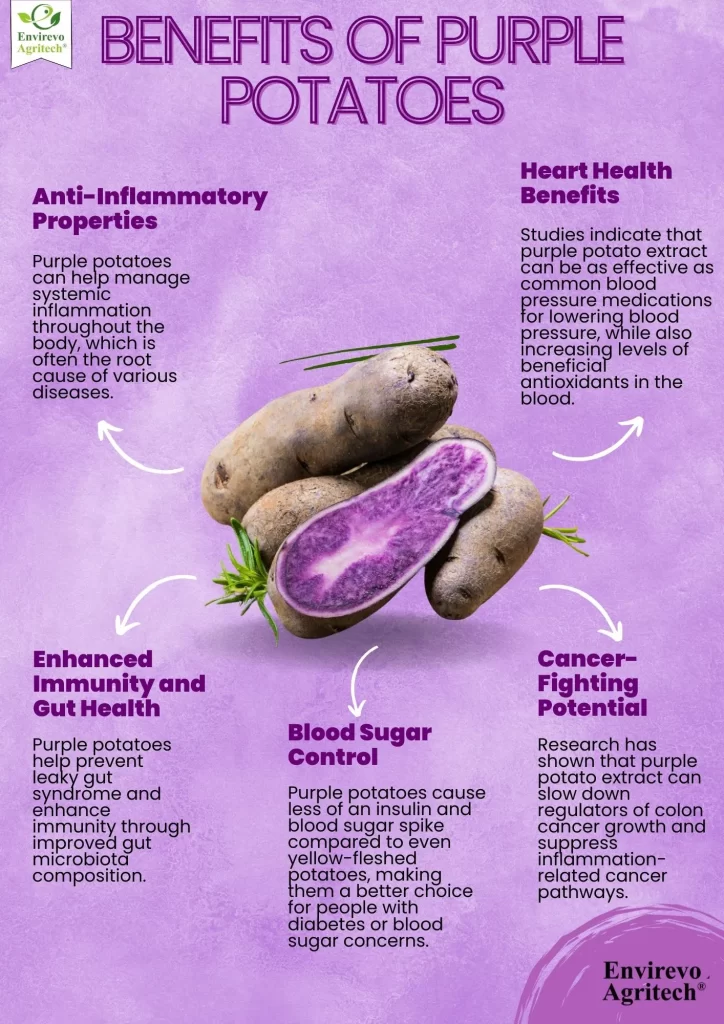
- Anti-Inflammatory Properties: Research shows that consuming one purple potato daily for six weeks significantly decreased inflammation markers, something neither white nor yellow potatoes could accomplish. Purple potatoes can help manage systemic inflammation throughout the body, which is often the root cause of various diseases.
- Heart Health Benefits: Studies indicate that purple potato extract can be as effective as common blood pressure medications for lowering blood pressure, while also increasing levels of beneficial antioxidants in the blood. The anthocyanins are linked to healthier cholesterol levels and reduced risk of heart disease.
- Blood Sugar Control: Purple potatoes cause less of an insulin and blood sugar spike compared to even yellow-fleshed potatoes, making them a better choice for people with diabetes or blood sugar concerns.
- Cancer-Fighting Potential: Research has shown that purple potato extract can slow down regulators of colon cancer growth and suppress inflammation-related cancer pathways. Studies have also found promising results for targeting bladder cancer cells.
- Enhanced Immunity and Gut Health: Purple potatoes help prevent leaky gut syndrome and enhance immunity through improved gut microbiota composition. The minimum effective dose is equivalent to about 3 potatoes per week.
Are Purple Potatoes Good for You?
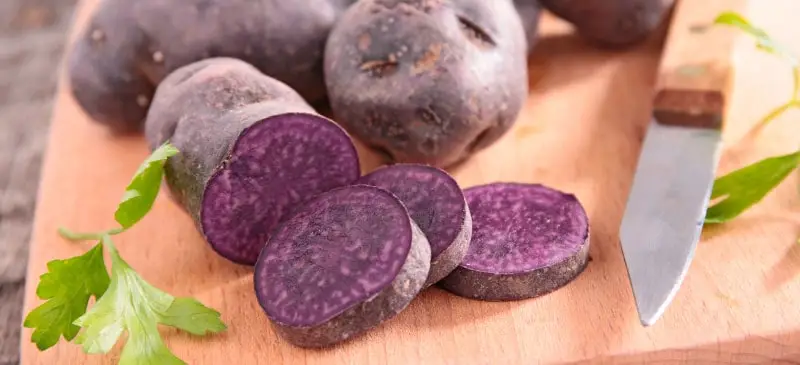
Absolutely! With their unique combination of antioxidants, vitamins, minerals, and fiber, purple potatoes are a highly nutritious food. When prepared in healthy ways such as steaming, baking, or roasting, they can be a beneficial part of almost any diet.
How to grow Purple Potatoes?
Growing purple potatoes is straightforward, making them an excellent choice for both beginner and experienced gardeners. The main requirements are good soil, disease-free seed potatoes, and regular attention to hilling and watering.
Step-by-Step Guide to Growing Purple Potatoes
Choose and Prepare Seed Potatoes
- Select healthy, sprouted “seed potatoes” (these are simply mature purple potatoes with eyes starting to grow).
- Only plant potatoes that are firm and free of rot or blemishes.
- If large, cut seed potatoes into chunks, each with 1–3 eyes, and let them sit overnight to dry and avoid disease.
Soil and Location Requirements
- Use well-drained, slightly acidic soil (pH 5.0–6.5).
- Amend soil with compost, bone meal, or organic matter to ensure nutrients.
- Choose a spot with at least 6 hours of full sun each day.
Planting
- Dig holes or trenches 10–15 cm deep and space seed potatoes 30 cm apart; rows should be about 60 cm apart.
- Plant chunks with eyes facing up.
- Cover with soil or a layer of compost; add wood ash to disinfect and enrich.
- Ideally, plant in raised beds, containers, or fabric grow bags for better drainage.
Care and Maintenance
- Water well, especially after planting, then keep soil consistently moist (not soggy) until flowering.
- “Hill” the soil (mound dirt or mulch) around growing stems as they reach 15 cm tall, repeating until tubers are protected from sunlight (to prevent greening/toxicity).
- Add compost or all-purpose fertilizer if needed as plants grow.
- Watch for pests like rust or Colorado beetles, spraying neem oil if necessary.
Harvesting
- Once leaves wilt (usually about 120 days from planting), gently dig up potatoes—each plant yields 5–6 tubers on average.
- Store harvested potatoes in a cool, dry place if not using immediately.
Quick Tips
- Avoid planting in clay or waterlogged soil.
- Never eat potatoes with green skin or sprouts—they contain toxic solanine.
- For a faster start, encourage sprouting in a warm place before planting.
- Purple potatoes grow equally well in containers, bags, or traditional garden beds.
Purple potatoes are highly rewarding, yielding vibrant, nutrition-packed tubers in less than four months.
Preparing Purple Potatoes
How to Prepare Purple Potatoes
- Wash thoroughly: Purple potatoes have thin skins, so scrub them gently under running water.
- Peeling: The skin contains valuable nutrients and antioxidants, so leave it on whenever possible.
- Cut evenly: Uniform pieces cook more evenly and look more appealing.
Cooking Methods
The best cooking methods preserve both nutrients and color:
| Method | Why It Works |
| Steaming | Retains vibrant color and nutrients. |
| Microwaving | Quick and nutrient-preserving. |
| Roasting | Brings out nutty flavor with crispy edges. |
| Baking | Ideal for whole potatoes. |
| Boiling | Works for mashing, but may cause some color loss. |
Tip: If boiling, use minimal water and avoid overcooking to keep the potatoes firm and colorful.
Tips for Cooking with Purple Potatoes
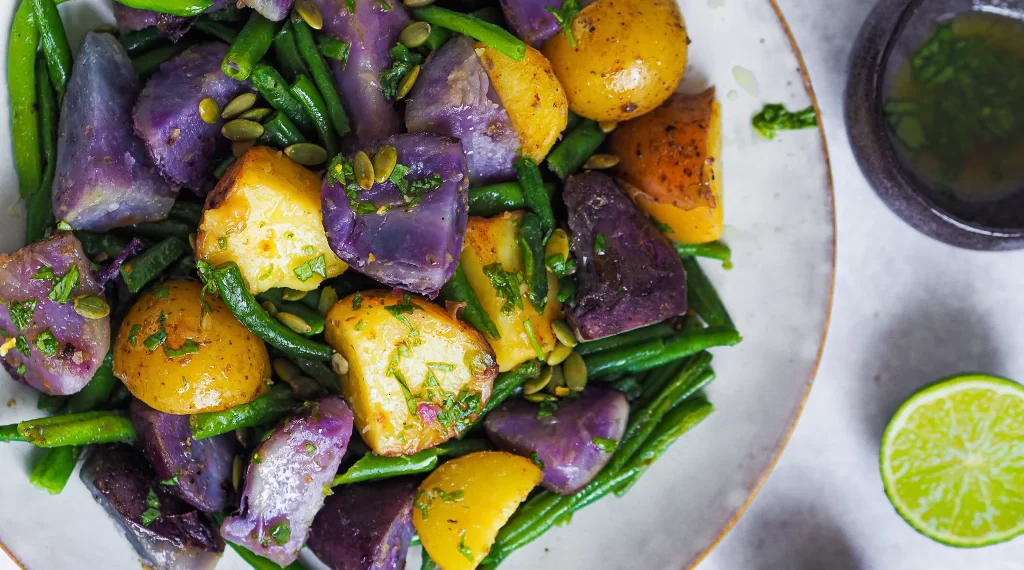
- Pair them with bright vegetables like carrots, corn, or green beans for visual contrast.
- Season lightly with olive oil, garlic, and herbs to enhance their natural flavor.
- Avoid heavy creams or sauces that can overpower their unique taste.
Pro Tip: For extra crispy results, preheat your baking sheet with oil in the oven, then add seasoned potatoes to the hot pan.
- Frying and Air-Frying: Interestingly, air-frying increases available antioxidants by 31% actually, while traditional frying reduces them by about 60%.
- Color Retention: While purple potatoes maintain most of their color when cooked, the vibrant purple may fade to a lighter lavender during the cooking process, especially with longer cooking times.
Purple Potatoes Recipe Ideas
Simple Purple Potato Dishes
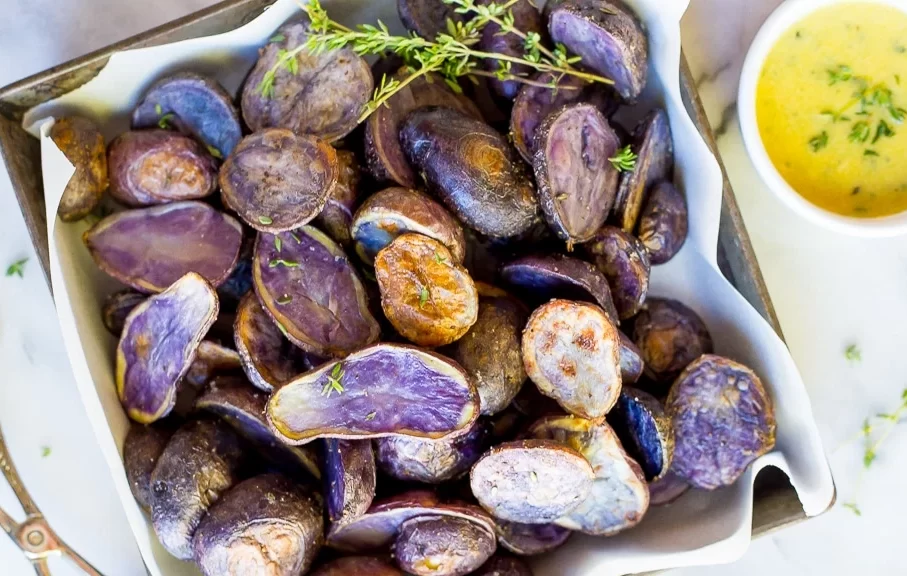
- Roasted Purple Potatoes: Toss with olive oil, salt, pepper, and rosemary, then roast until crispy.
- Mashed Purple Potatoes: Mash with a splash of milk, butter, and garlic for a colorful twist on a classic.
- Purple Potato Salad: Combine boiled purple potatoes with Greek yogurt, dill, and mustard for a healthy, vibrant side dish.
Creative Recipe Ideas
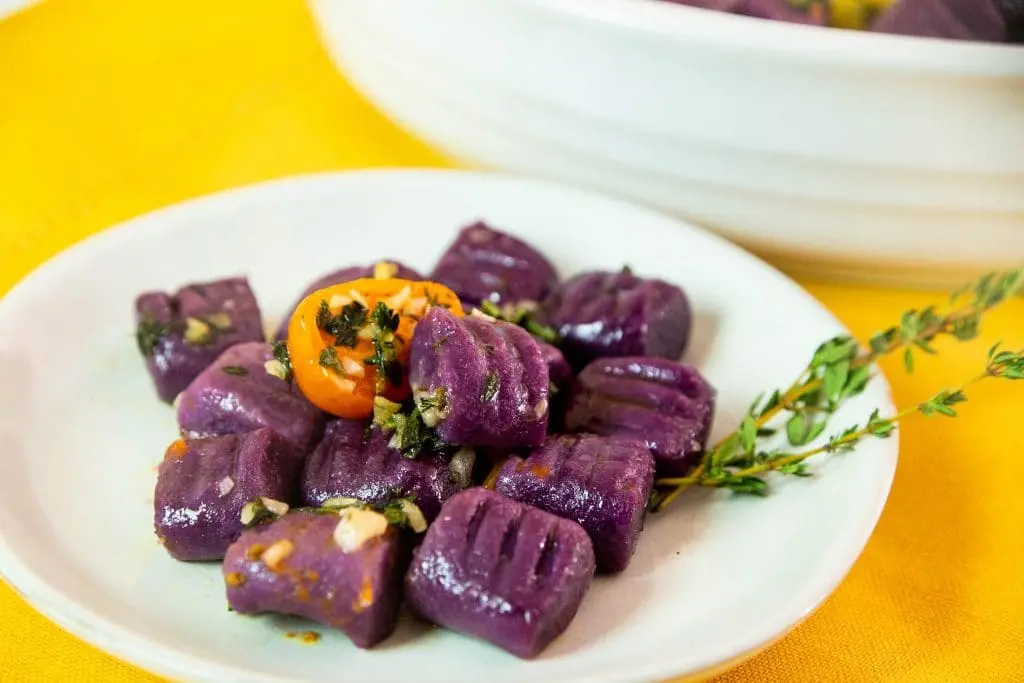
- Purple Potato Gnocchi: Homemade gnocchi with a colorful twist.
- Purple Potato Chips: Thinly slice and bake or air fry for a healthy snack.
- Purple Potato Soup: Smooth and creamy, perfect for chilly evenings.
- Purple Potato Skewers: Alternate with grilled vegetables for summer BBQs.
Side Dishes and Main Courses
- Main dish pairing: Serve roasted purple potatoes alongside grilled salmon or roasted chicken.
- Breakfast hash: Combine diced purple potatoes with onions, peppers, and eggs.
- Vegan bowl: Mix roasted purple potatoes with quinoa, chickpeas, and a tahini dressing.
Common Misconceptions About Purple Potatoes
Despite their growing popularity, there are a few misconceptions about purple potatoes worth clearing up:
- “The color comes from dye.”
The purple color is 100% natural, caused by anthocyanins — no artificial coloring involved. - “Only the skin is nutritious.”
The flesh itself is packed with antioxidants and nutrients, so don’t peel them unless necessary. - “Purple sweet potatoes and purple potatoes are the same.”
They’re completely different plants with distinct flavors and textures. - “Purple potatoes taste bitter.”
In reality, their flavor is earthy and nutty — less bitter than some people expect.
Purple potatoes are more than a trendy ingredient. They’re deeply rooted in history, brimming with health benefits, and versatile in the kitchen. From lowering blood pressure to adding vibrant color to your meals, these unique tubers deserve a spot on your table. Whether you grow them in your garden, roast them for dinner, or mash them into a creamy side dish, purple potatoes offer a blend of beauty, nutrition, and flavor that few other foods can match.
So next time you’re at the market, pick up a bag of these striking spuds — your body, taste buds, and dinner guests will thank you.
Frequently Asked Questions
Are purple potatoes good for you?
Yes, they’re rich in antioxidants, fiber, and potassium, making them a nutritious choice for heart and overall health.
Where can i buy purple potatoes?
You can find them at farmers’ markets, specialty grocery stores, or online produce retailers.
What do purple potatoes taste like?
They have a mildly nutty, earthy flavor with a slightly sweet undertone.
Should I peel purple potatoes?
Not always. The skin is thin and packed with nutrients, so leave it on when possible.
Can purple potatoes be eaten raw?
It’s not recommended, as raw potatoes contain compounds that can cause digestive discomfort.