Table of Contents
Beauty and danger often go hand in hand in nature, and nowhere is this more evident than in the world of flowering plants. While many flowers are admired for their stunning appearance and delicate fragrances, some hide a deadly secret—they are toxic to humans and animals. These poisonous flowers are commonly found in gardens, wild landscapes, and even floral arrangements, posing risks that many gardeners and plant lovers overlook. In this guide, we will explore a comprehensive list of beautiful but deadly blooms, identify their toxic parts, explain the dangers they present, and provide essential safety tips to protect yourself, your family, and your pets.
From the garden staples like Daffodils to exotic beauties like Angel’s Trumpet, these flowers may add charm and elegance to your space but can also cause symptoms ranging from skin irritation to life-threatening reactions. Whether you’re a home gardener, a pet parent, or simply someone who loves plants, understanding the potential hazards of poisonous flowers is crucial. Let’s take a closer look at these floral threats and learn how to enjoy their beauty safely.
Poisonous Flowers List (With Pictures)
Below is a detailed list of poisonous flowers that are both visually stunning and deceptively dangerous. For each entry, we provide the common and scientific names, toxicity details, and tips for safe handling.
🌸 Oleander – Nerium oleander
- Hardiness Zone: 8–10
- Seasons: Spring to Fall
- Toxic Parts: All parts (leaves, stems, flowers, and sap)
- Toxic To: Humans, dogs, cats, horses
- Symptoms: Nausea, vomiting, irregular heartbeat, tremors, death in severe cases
- Common Use: Ornamental hedging and landscaping plant in warm climates
- Caution Tip: Avoid burning oleander; the smoke is toxic. Wear gloves when pruning or handling.
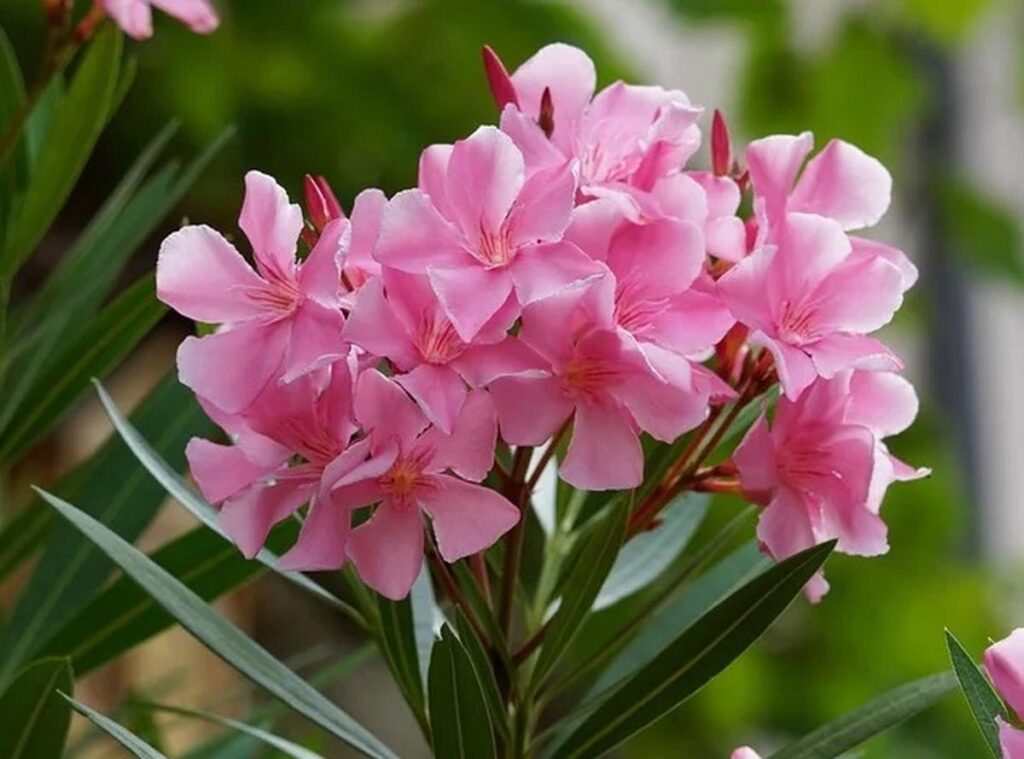
Oleander is one of the most toxic garden plants known. Despite its lovely trumpet-shaped blossoms in shades of white, pink, and red, it contains powerful cardiac glycosides. Even a small amount ingested can lead to serious health issues. Its toxicity is so severe that even water from a vase of cut oleander can be dangerous. Children and pets are particularly at risk, making it a poor choice for family-friendly landscapes.
🌸 Lily of the Valley – Convallaria majalis
- Hardiness Zone: 2–9
- Seasons: Mid to late spring
- Toxic Parts: All parts, especially berries
- Toxic To: Humans, dogs, cats
- Symptoms: Nausea, diarrhea, heart arrhythmias, hallucinations
- Common Use: Shade gardens and ground cover
- Caution Tip: Do not plant near children’s play areas; the sweet scent can attract them.
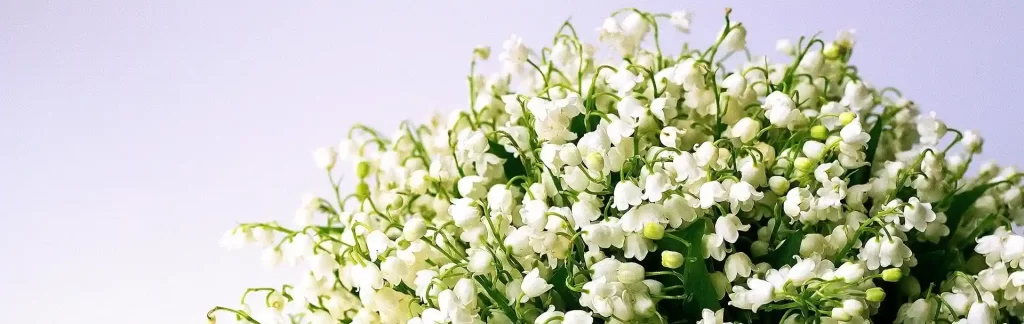
These dainty bell-shaped white flowers may look innocent, but they are laced with cardiac glycosides. Lily of the Valley has a long history of use in perfumery, yet every part of the plant is toxic. Ingestion can rapidly affect the cardiovascular system, leading to potentially fatal consequences if not treated quickly. The plant’s red berries are especially tempting to children and should be strictly avoided.
🌸 Foxglove – Digitalis purpurea
- Hardiness Zone: 4–10
- Seasons: Late spring to mid-summer
- Toxic Parts: Leaves, flowers, seeds
- Toxic To: Humans, pets
- Symptoms: Irregular heartbeat, visual disturbances, vomiting, confusion
- Common Use: Cottage gardens and woodland settings
- Caution Tip: Handle with care and wash hands after contact.
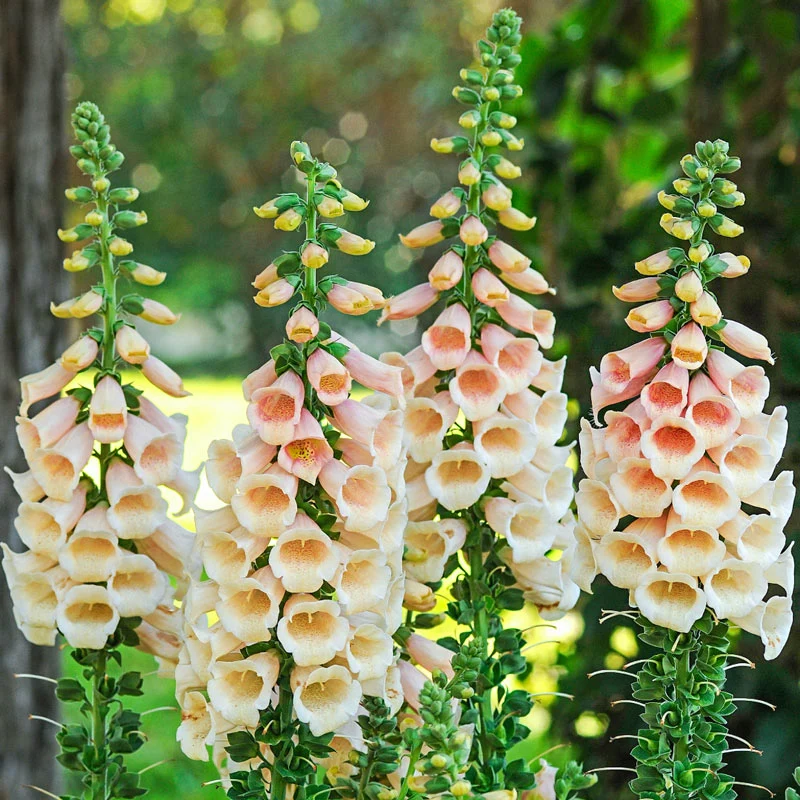
Foxglove is an iconic garden flower with tall spikes of tubular blossoms in purples, pinks, and whites. However, it contains digoxin and related compounds that are used medically in regulated doses but can be fatal when consumed accidentally. Foxglove toxicity is particularly insidious because symptoms may be delayed and then rapidly escalate.
🌸 Monkshood – Aconitum napellus
- Hardiness Zone: 3–7
- Seasons: Late summer to fall
- Toxic Parts: All parts, especially roots and sap
- Toxic To: Humans, dogs, livestock
- Symptoms: Tingling, numbness, paralysis, cardiac arrest
- Common Use: Border plant for cooler climates
- Caution Tip: Use gloves and never ingest any part. Keep away from compost.
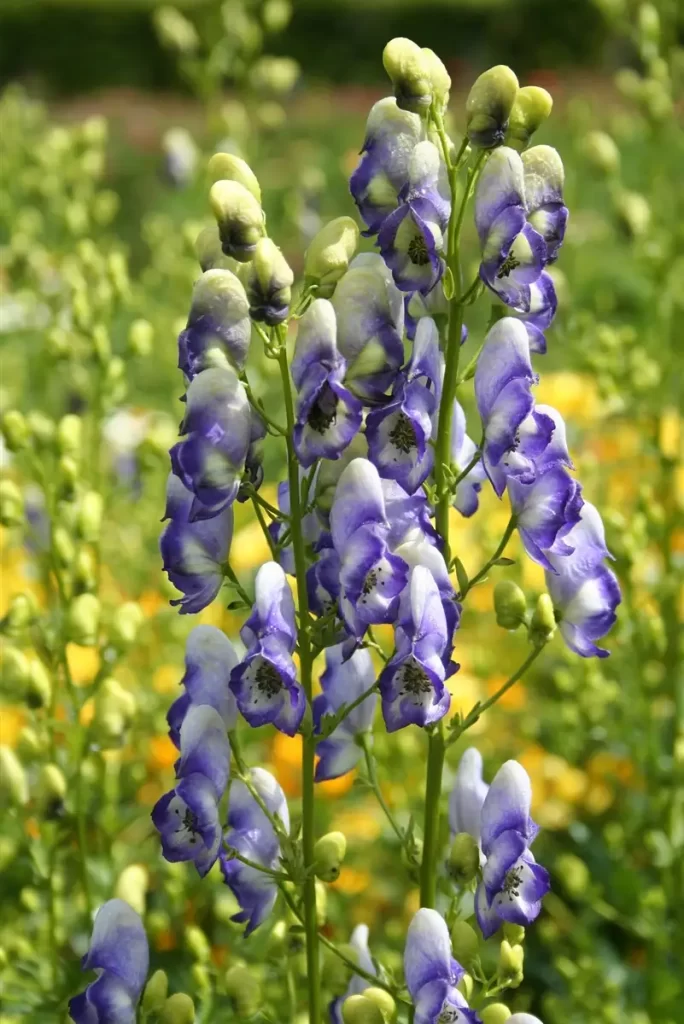
Known as “the queen of poisons,” Monkshood’s deep blue hooded flowers conceal some of the most potent natural toxins. Even skin contact with the sap can cause tingling and numbness. Its alkaloids can disrupt nerve function, leading to muscle paralysis and death. Historically used in warfare and assassination, Monkshood demands the utmost caution.
🌸 Autumn Crocus – Colchicum autumnale
- Hardiness Zone: 4–9
- Seasons: Fall
- Toxic Parts: All parts, particularly the bulb
- Toxic To: Humans, pets
- Symptoms: Vomiting, organ failure, respiratory distress
- Common Use: Naturalizing in meadows and rock gardens
- Caution Tip: Never confuse with edible spring crocus.

Autumn Crocus, often mistaken for true crocuses, contains colchicine—a substance toxic even in small amounts. The plant causes severe gastrointestinal distress, kidney and liver failure, and death in extreme cases. While it brings vibrant color to fall landscapes, it should be handled and planted with great care.
🌸 Daffodil – Narcissus spp.
- Hardiness Zone: 3–9
- Seasons: Early to mid-spring
- Toxic Parts: Bulbs, stems, leaves
- Toxic To: Humans, dogs, cats
- Symptoms: Vomiting, abdominal pain, convulsions
- Common Use: Borders, spring displays, mass plantings
- Caution Tip: Avoid planting near vegetable gardens to prevent accidental ingestion.
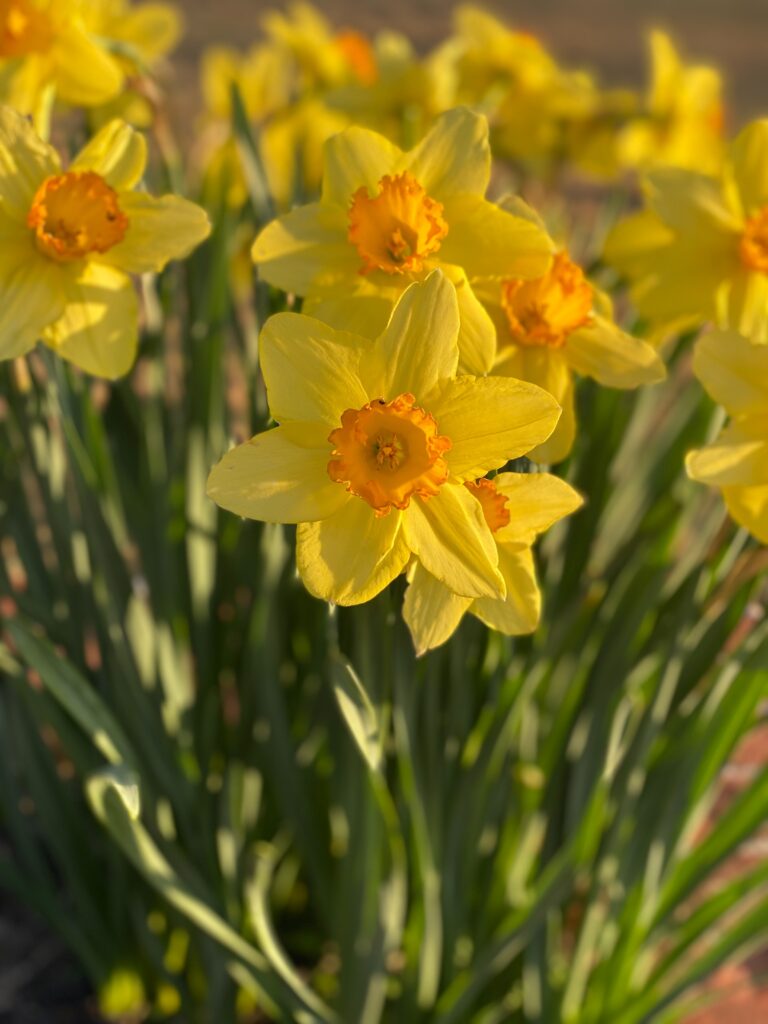
While widely beloved for their bright yellow blossoms, daffodils contain lycorine, especially concentrated in their bulbs. Ingesting a bulb can lead to severe nausea, vomiting, and convulsions. Even handling the bulbs may cause skin irritation, so gloves are advised during planting.
🌸 Hydrangea – Hydrangea spp.
- Hardiness Zone: 3–9
- Seasons: Summer to early fall
- Toxic Parts: Leaves, flowers
- Toxic To: Humans, dogs, cats
- Symptoms: Nausea, vomiting, diarrhea, lethargy
- Common Use: Ornamental shrubs in foundation plantings
- Caution Tip: Do not allow pets to chew on branches or leaves.
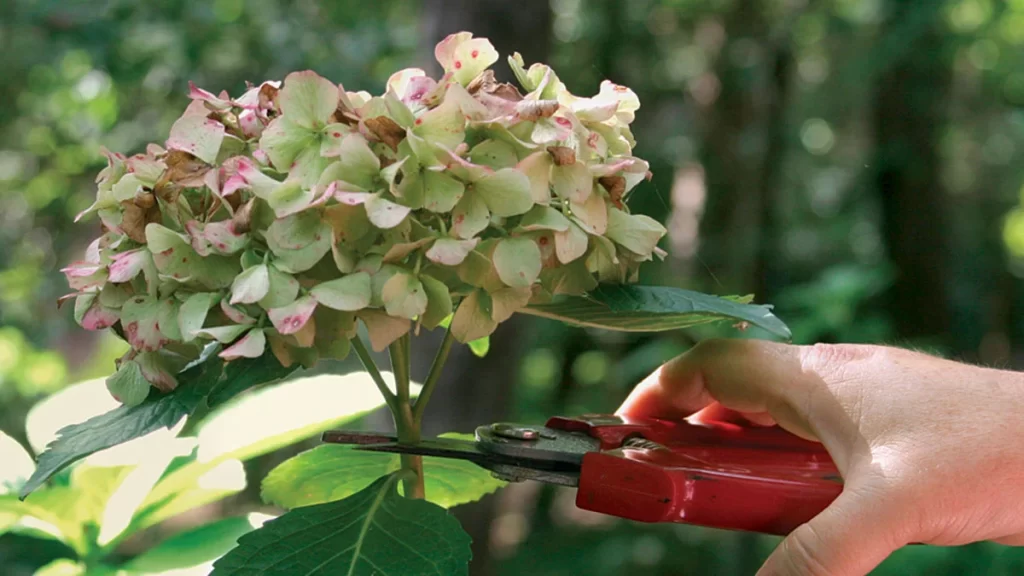
Hydrangeas are garden favorites with their oversized floral heads in shades of blue, pink, and white. However, the plant contains cyanogenic glycosides, which can release cyanide when chewed. While fatal poisoning is rare, symptoms like vomiting and weakness are common in pets that consume the foliage.
🌸 Angel’s Trumpet – Brugmansia spp.
- Hardiness Zone: 9–11
- Seasons: Summer to fall
- Toxic Parts: All parts, especially seeds and leaves
- Toxic To: Humans, dogs, cats
- Symptoms: Hallucinations, paralysis, confusion, dry mouth, death in high doses
- Common Use: Dramatic ornamental display in tropical and subtropical gardens
- Caution Tip: Never ingest any part; keep away from children and pets.
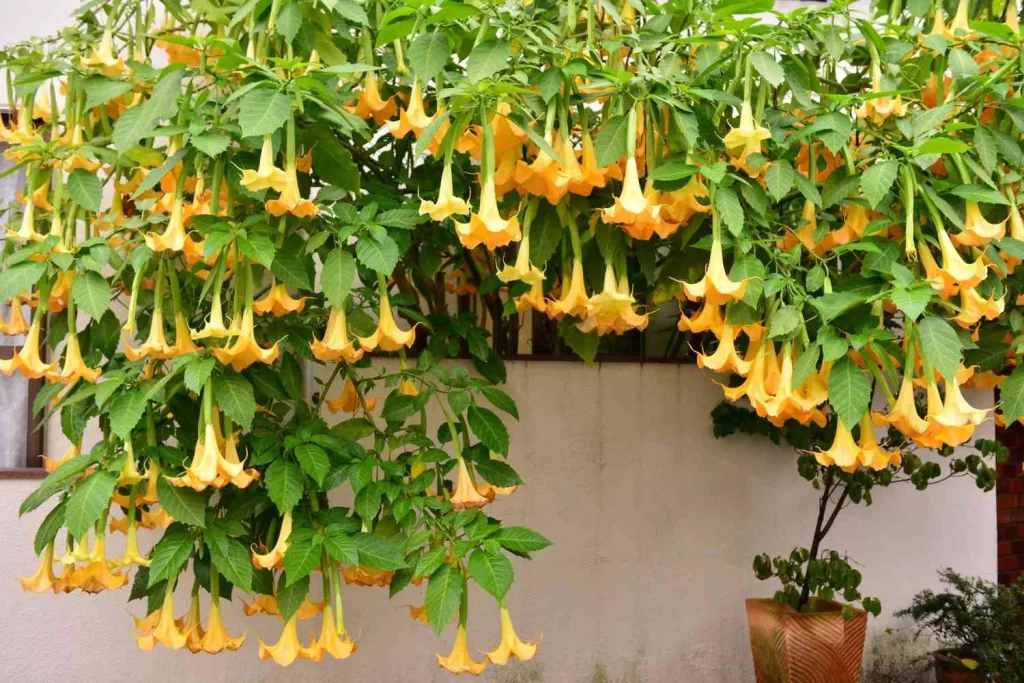
Angel’s Trumpet is a striking ornamental shrub or tree known for its large, pendulous, trumpet-shaped blooms. Often fragrant at night, its allure hides a potent cocktail of alkaloids such as scopolamine and atropine. Ingestion of even small amounts can result in delirium, muscle weakness, and in extreme cases, fatal respiratory paralysis. Its seeds are particularly dangerous and have been misused recreationally with tragic outcomes. Its beauty is best admired from a safe distance.
🌸 Calla Lily – Zantedeschia spp.
- Hardiness Zone: 8–10
- Seasons: Late spring to early summer
- Toxic Parts: All parts, especially the roots and leaves
- Toxic To: Humans, cats, dogs
- Symptoms: Oral irritation, difficulty swallowing, vomiting, drooling
- Common Use: Cut flower arrangements, border gardens
- Caution Tip: Handle with gloves; keep arrangements out of pet reach.
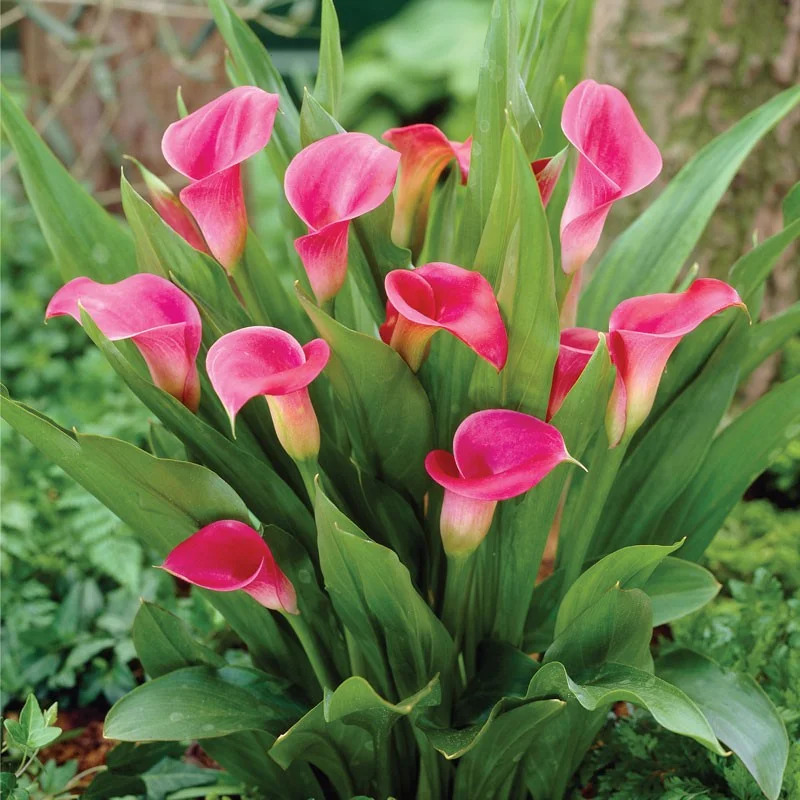
Elegant and often associated with weddings and funerals, Calla Lilies are popular for their sleek form and symbolic significance. However, they contain insoluble calcium oxalate crystals that can cause intense irritation when chewed. Pets that nibble on the leaves or blooms may show immediate signs of distress such as pawing at the mouth and vomiting. Though rarely life-threatening, exposure can be extremely uncomfortable and merits veterinary care.
🌸 Larkspur – Delphinium spp.
- Hardiness Zone: 3–7
- Seasons: Early to mid-summer
- Toxic Parts: All parts, especially young plants and seeds
- Toxic To: Humans, livestock (especially cattle)
- Symptoms: Muscle tremors, paralysis, respiratory failure, death
- Common Use: Cottage and wildflower gardens
- Caution Tip: Avoid planting near pastures; extremely toxic to livestock.
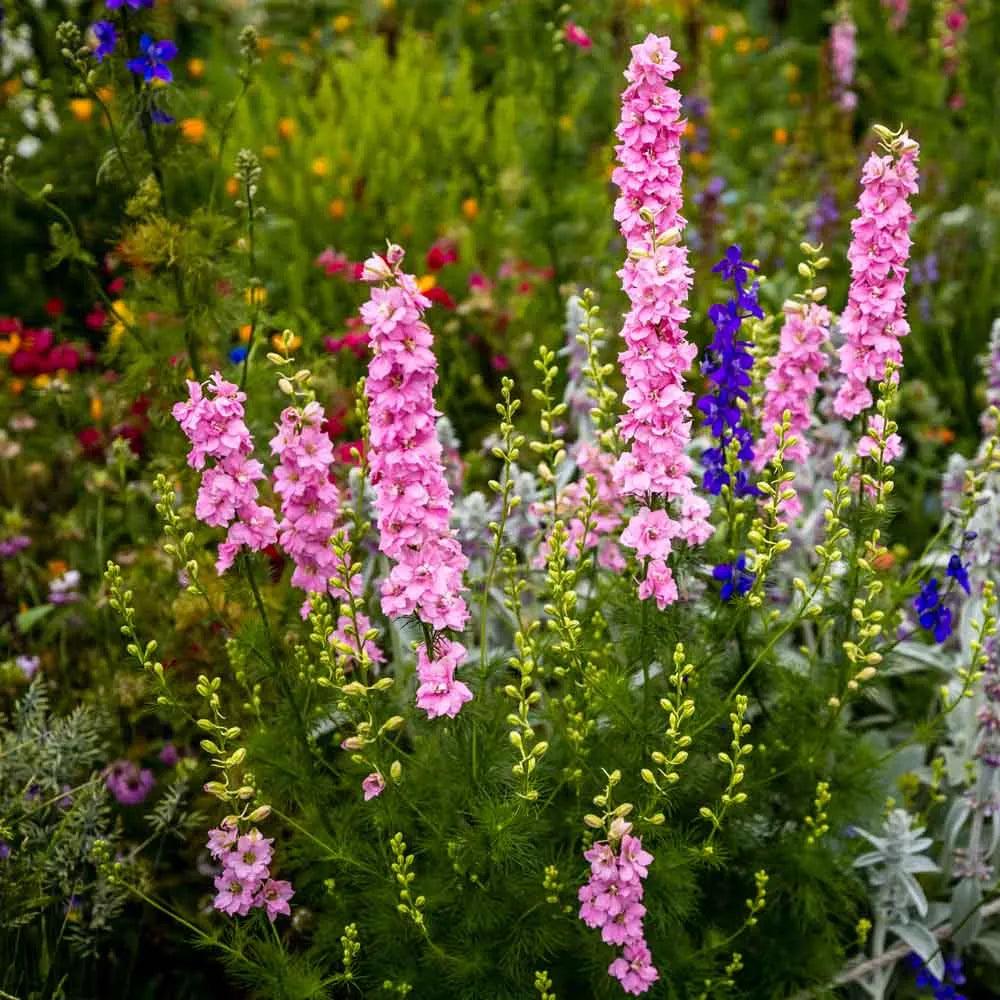
Larkspur’s tall spires of blue, purple, or white flowers add charm to gardens, but all parts of the plant contain diterpenoid alkaloids, which interfere with nerve function. Young seedlings and seeds are especially toxic and can cause fatal respiratory paralysis in livestock. Human poisoning is rare but can occur, particularly among children or gardeners unaware of its toxic nature. Prompt action is necessary in the case of ingestion.
🌸 Bleeding Heart – Dicentra spectabilis
- Hardiness Zone: 3–9
- Seasons: Spring
- Toxic Parts: Roots and foliage
- Toxic To: Humans, pets
- Symptoms: Nausea, tremors, convulsions, skin irritation
- Common Use: Shade gardens, woodland settings
- Caution Tip: Wear gloves when pruning; do not allow pets to dig near roots.
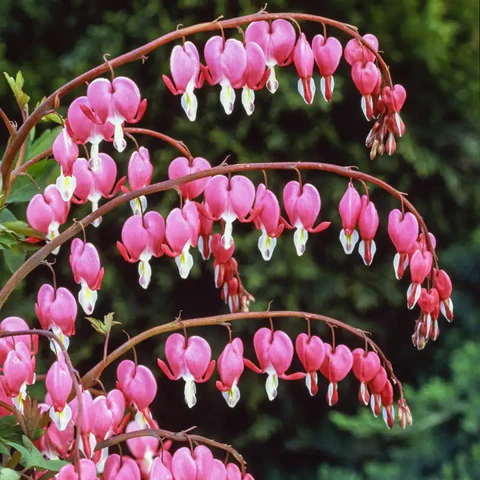
The Bleeding Heart is admired for its unique, heart-shaped flowers that dangle gracefully from arching stems. Despite its romantic appearance, it contains isoquinoline alkaloids that can affect the nervous system. While mild skin contact may cause dermatitis in sensitive individuals, ingestion can lead to nausea and tremors. Pets that dig near the roots or chew on leaves are especially at risk.
🌸 Azaleas – Rhododendron spp.
- Hardiness Zone: 6–9
- Seasons: Spring
- Toxic Parts: Leaves, nectar, and flowers
- Toxic To: Humans, dogs, cats, horses
- Symptoms: Drooling, vomiting, diarrhea, weakness, cardiac failure
- Common Use: Landscaping, foundation shrubs, woodland borders
- Caution Tip: Never allow pets to chew on branches; remove fallen flowers.

Azaleas, part of the rhododendron family, are prized for their vibrant blooms and evergreen foliage. However, all parts of the plant are toxic, with grayanotoxins that disrupt sodium channels in cells. Ingestion can cause severe gastrointestinal issues and even cardiac failure. The nectar is also toxic and has historically led to “mad honey poisoning” in areas where bees collect azalea nectar. These shrubs are best planted with strong boundaries or away from high-traffic areas.

Tips to Stay Safe Around Poisonous Flowers
The presence of poisonous flowers in a garden doesn’t mean you have to rip everything out. With proper precautions, you can still enjoy these plants without risking your health or your loved ones’. Start by educating yourself and those around you about which flowers are dangerous and the symptoms they may cause. Here are some essential safety tips:
- Wear gloves when planting, pruning, or handling unfamiliar or known toxic flowers. Many poisonous flowers have sap that can irritate the skin or be absorbed into the bloodstream through cuts.
- Label your plants clearly, especially if you’re growing varieties with toxic potential. This helps guests, children, and even babysitters or house-sitters avoid mishaps.
- Avoid planting poisonous flowers near edible gardens or play areas. This reduces the risk of accidental ingestion.
- Keep cut flowers out of reach from pets and small children, particularly flowers like lilies and oleander, which can leach toxins into water.
- Supervise children and pets outdoors, especially in the garden. Many toxic flowers are brightly colored and smell pleasant, making them attractive to curious mouths.
- Never burn trimmings from toxic plants, as some, like oleander, release toxic fumes that can be fatal when inhaled.
By following these simple steps, you can reduce your risk while still appreciating the beauty of your garden.
Steps to Take After Exposure to Poisonous Flowers
If exposure to a poisonous flower occurs, prompt action can prevent serious harm. The type of exposure—ingestion, skin contact, eye exposure, or inhalation—determines the appropriate response.
- Ingestion: Remove any plant material from the mouth and rinse thoroughly. Do not induce vomiting unless instructed by a poison control center. Call emergency services or poison control immediately.
- Skin Contact: Wash the affected area with soap and water. Watch for signs of rash, swelling, or pain. If symptoms persist or worsen, seek medical attention.
- Eye Exposure: Rinse eyes with clean water for at least 15 minutes. Avoid rubbing. Get medical help if irritation continues.
- Inhalation: Move to fresh air immediately. If symptoms such as coughing, dizziness, or difficulty breathing occur, contact emergency services.
- Identification: Take a sample or photo of the plant involved. This helps medical professionals or poison control identify the toxin and recommend appropriate treatment.
Knowing these steps can save lives and mitigate harm in emergencies involving poisonous flowers.
Final Thoughts
Poisonous flowers are nature’s paradox—captivating to the eye yet potentially harmful or even deadly. Understanding which flowers in your garden or home are toxic empowers you to take informed precautions without sacrificing beauty. From Oleander’s vivid petals to the dainty charm of Lily of the Valley, the dual nature of these plants demands respect.
Gardening safely means knowing what you’re planting, educating those around you, and practicing good handling habits. The flowers listed in this guide are just a glimpse of nature’s toxic beauty, and being aware of their risks can protect your family, pets, and visitors from accidental harm.
Let your garden remain a place of joy—not danger. Share this post with fellow gardeners, download a printable identification chart, and explore more on pet-safe alternatives or low-toxicity landscaping tips.
Bonus: Free Printable Poisonous Flowers Chart
For your convenience, we’ve created a Poisonous Flowers Identification Chart that you can print and keep in your garden shed, greenhouse, or kitchen. Use it to quickly recognize toxic plants and educate others in your household. Great for schools, garden clubs, and pet shelters too!
[Download Poisonous Flowers Chart PDF]
Frequently Asked Questions
Are all poisonous flowers deadly?
No. While some, like Oleander and Monkshood, can be fatal, others may cause only mild irritation or gastrointestinal upset. It depends on the type of flower, the part ingested, and the amount.
Can I touch poisonous flowers without getting sick?
Generally, most poisonous flowers are safe to touch, but some can cause skin irritation or be absorbed through wounds. Always wear gloves as a precaution.
What should I do if my pet eats a toxic flower?
Contact your veterinarian or animal poison control immediately. Do not try to induce vomiting unless directed to do so.
Do poisonous flowers lose their toxicity when dried?
Some toxins degrade, but many poisonous flowers remain dangerous when dried. Avoid using toxic flowers in potpourri or crafts accessible to children or pets.
Are tulips child safe?
Tulips are mildly toxic. Their bulbs can cause stomach upset if eaten. Keep them out of reach of small children.