Table of Contents
Hydroponics isn’t just a modern farming trend anymore — it’s a proven system reshaping how we grow food. With limited land, rising input costs, and climate uncertainty, hydroponic farming offers something traditional soil farming rarely does: control, consistency, and profit predictability.
For farmers and entrepreneurs looking to maximize returns, the question isn’t “Should I start hydroponic farming?” but “Which hydroponic crops offer the highest profits?” In this article, we’ll dive deep into the Top 10 Most Profitable Hydroponic Crops to Grow in 2025 (High Returns Guaranteed!), explaining why they’re lucrative, how much you can expect to earn, and why this model is ideal for India’s changing agricultural landscape.
Why Profitability in Hydroponics Matters More Than Ever
Hydroponics eliminates soil, but it doesn’t eliminate costs. You invest in systems, lights, nutrients, and climate control. That means the choice of crop directly affects your return on investment (ROI).
Profitability in hydroponics depends on several variables:
- Crop cycle duration: Shorter cycles mean more harvests per year.
- Yield per square meter: Compact crops with dense yields are ideal.
- Market price and demand: Specialty produce often earns premium rates.
- Resource efficiency: Some crops demand more light, nutrients, or space.
For India, where fresh herbs, leafy greens, and exotic vegetables are in growing demand (especially in urban markets and hotels), hydroponics provides year-round production and consistent quality — something traditional farming struggles with.
Now, let’s get into what you came for: the top money-making crops you can grow hydroponically in 2025.
Most Profitable Hydroponic Crops to Grow
1. Bell Peppers (Capsicum) – Colorful and Lucrative
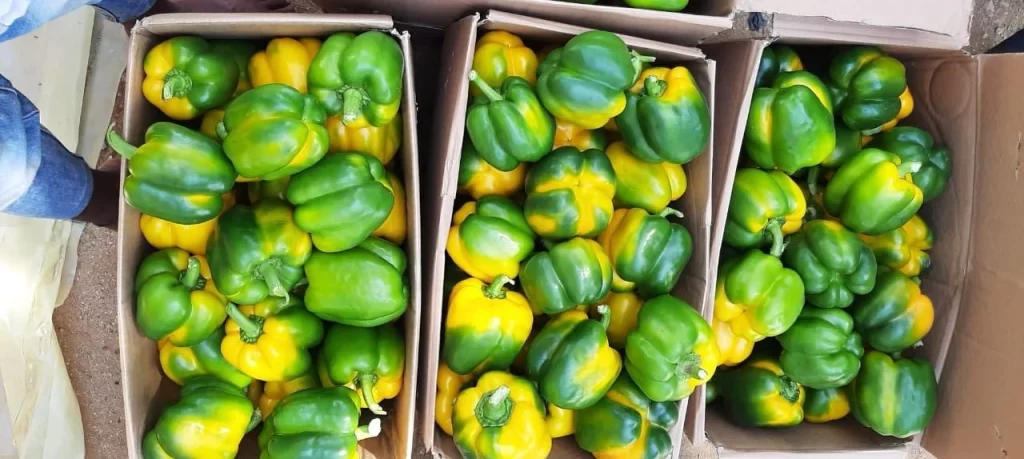
- Scientific Name: Capsicum annuum
- Growth Cycle: 90–120 days
- Yield Per Plant: Each bell pepper plant typically yields between 8 to 10 kg per crop cycle under normal cultivation practices.
- Average market value: ₹120-300/kg depending on color and grade.
- Why It’s Profitable: Consistent export and local demand for red, yellow, and green varieties.
- Yield Potential: 5-8 kg/plant per season.
- Profit Insight: High ROI with premium buyers such as supermarkets and hotels.
Hydroponic bell peppers are visually appealing, disease-resistant, and have high demand in both domestic and export markets. The colored varieties (red, yellow, orange) command higher prices than green ones. They perform best in greenhouse hydroponic systems using hydroton and cocopeat or perlite substrate. Once established, each plant can produce continuously for 8–10 months.
Profit Tip: Maintain stable temperature (22–26°C) and humidity. Market your produce as “pesticide-free” to target urban premium buyers.
2. Tomatoes – The Commercial Powerhouse

- Scientific Name: Solanum lycopersicum
- Growth Cycle: 90–100 days
- Average market value: ₹60–₹120 per kg, depending on variety
- Why It’s Profitable: Continuous fruiting, high yield, and strong demand across seasons.
- Yield Potential: 12–15 kg/plant per cycle under controlled conditions.
- Profit Insight: While the setup cost is higher, the yield and price premium offset it quickly.
- Pro Tip: Focus on indeterminate cherry tomato varieties; they offer higher turnover and longer production cycles.
Hydroponic tomatoes are one of the most popular crops in commercial greenhouses worldwide. They grow well in Dutch bucket systems, producing uniform, pesticide-free fruits ideal for high-end retail and export. In India, cherry tomatoes, especially colorful heirloom varieties, have huge urban demand. Hydroponic setups can yield 30–40 kg per plant per season with proper pruning and nutrient balance.
Profit Tip: Focus on cherry and cocktail types for premium markets. Use drip systems and CO₂ enrichment to maximize yield.
3. Cucumbers – Fast-Growing and Reliable
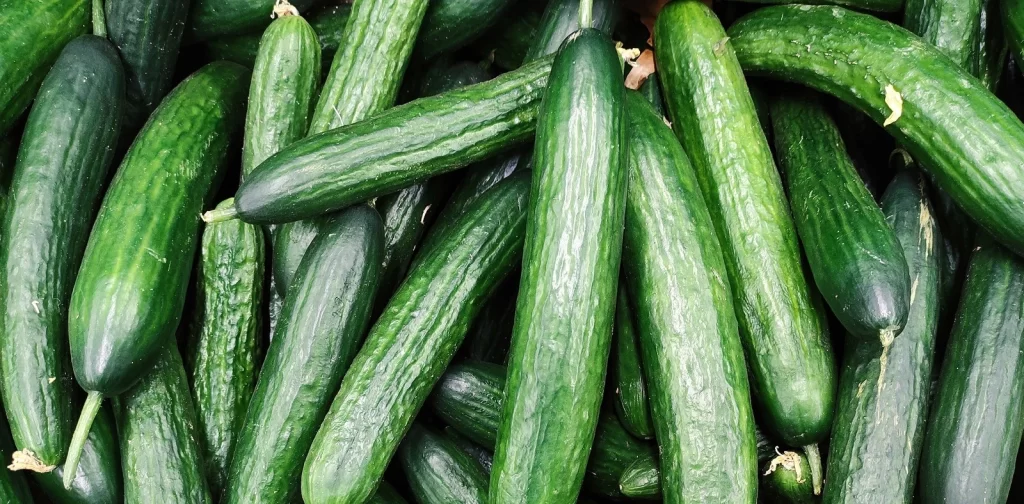
- Scientific Name: Cucumis sativus
- Growth Cycle: 45–60 days
- Average market value: ₹50–100/kg depending on quality and type (English or mini cucumbers fetch more).
- Why It’s Profitable: Steady year-round demand in cities, especially for seedless varieties.
- Yield Potential: 10–12 kg/plant per season.
- Profit Insight: Quick harvest cycles and high yields make cucumbers a favorite for small commercial growers.
- Pro Tip: Maintain consistent EC and humidity to boost yield and fruit uniformity.
Cucumbers are perfect for hydroponic systems, especially Dutch bucket or Grow Bag setups. They’re high-yielding, quick to mature, and a stable market performer. Hydroponic cucumbers are uniform, tender, and free from soil-borne diseases, making them ideal for supermarkets and hotels. They also require less maintenance once trellised properly.
Profit Tip: Choose parthenocarpic (self-pollinating) hybrid varieties for consistent yields. Maintain good air circulation to prevent powdery mildew.
4. Microgreens – Fast Turnover, High Returns
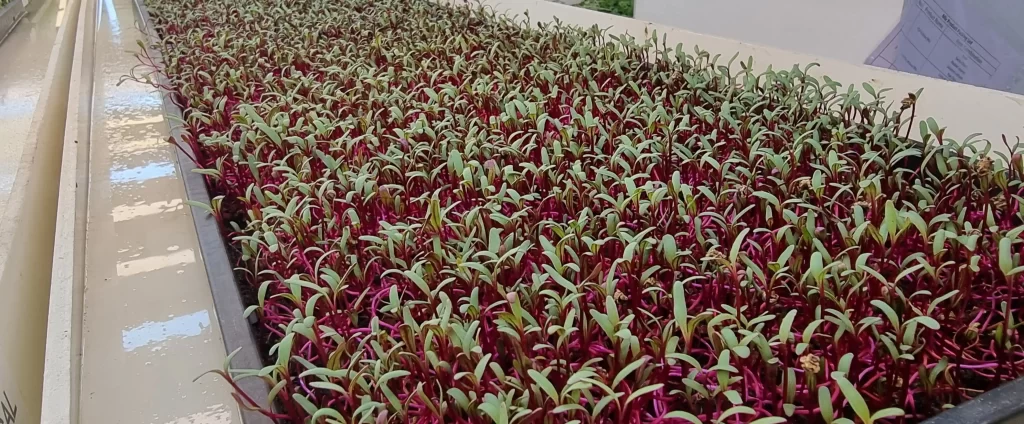
- Scientific Name: Varies by variety (e.g., Brassica oleracea, Raphanus sativus)
- Growth Cycle: 7–14 days
- Average market value: ₹800 to ₹1,500 per kg, depending on variety.
- Why It’s Profitable: Shortest growth cycle (7–14 days) and extremely high value per gram.
- Yield Potential: 1–1.5 kg/m² per cycle.
- Profit Insight: Minimal space, lighting, and water needs — ideal for urban hydroponic setups.
- Pro Tip: Grow radish, sunflower, mustard, or beet microgreens for the best market response.
Microgreens are tiny but mighty when it comes to profit margins. They grow fast, require minimal space, and don’t need heavy equipment or deep nutrient tanks. Crops like radish, mustard, broccoli, sunflower, and pea shoots are in high demand among chefs and health-focused customers. In India’s tier-1 cities, the market for microgreens has exploded, thanks to juice bars, meal kits, and organic stores.
Profit Tip: Sell microgreens in live trays or small boxes directly to customers or restaurants — you can double margins by bypassing middlemen.
5. Basil – The Premium Culinary Herb
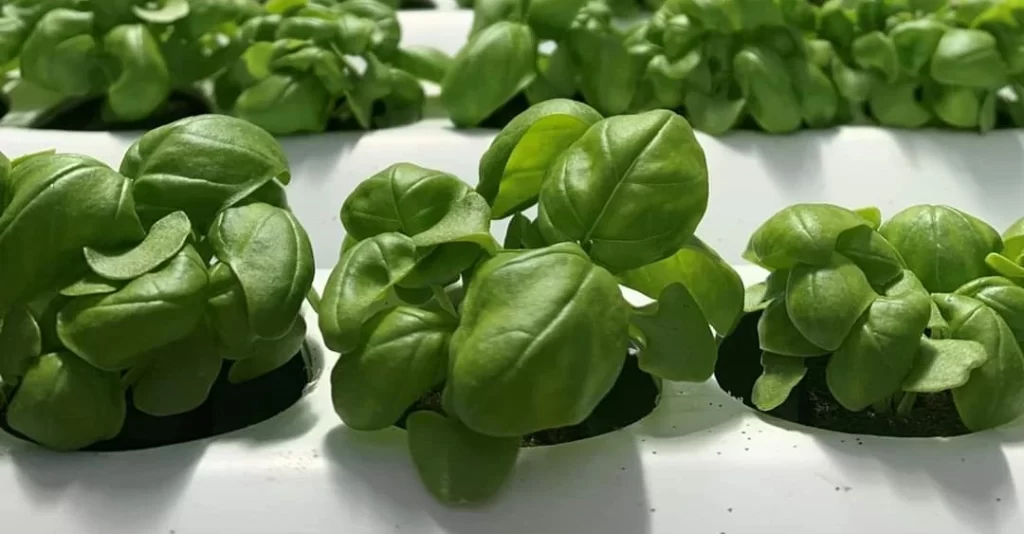
- Scientific Name: Ocimum basilicum
- Growth Cycle: 28 to 45 days (first harvest), continuous clipping up to 6 months
- Market Price: ₹200–400/kg depending on variety (sweet, Thai, or holy basil).
- Why It’s Profitable: A favourite among restaurants, pizzerias, and export buyers.
- Yield Potential: The total annual yield per plant can reach around 1 to 2 kg.
- Profit Insight: High-value herb with low weight and long shelf life — ideal for compact setups.
- Pro Tip: Use deep water culture (DWC) or NFT systems for the best aroma and oil concentration.
Basil is among the most profitable hydroponic herbs thanks to its constant demand in culinary, pharmaceutical, and essential oil markets. Chefs, especially in Italian and fusion restaurants, pay a premium for fresh basil leaves. Hydroponic systems produce lush, aromatic leaves with strong flavor — a key factor for buyers. It’s ideal for small-scale and large farms alike.
Profit Tip: Use vertical NFT setups to increase yield density and keep humidity moderate to avoid fungal issues.
6. Strawberries – The Luxury Crop

- Scientific Name: Fragaria × ananassa
- Growth Cycle: 90–120 days
- Market Price: ₹200-400/kg
- Why It’s Profitable: Hydroponic strawberries command premium pricing in both domestic and export markets.
- Yield Potential: 0.6–1.2 kg/plant per season.
- Profit Insight: With proper climate control, strawberries can be grown year-round and sold directly to high-end buyers.
- Pro Tip: Use vertical NFT or Dutch bucket systems to maximize density per square meter.
Few fruits can compete with strawberries when it comes to hydroponic profitability. Grown vertically in stacked towers, they save space and deliver consistent yields. In India, hydroponic strawberry cultivation has picked up in Maharashtra, Himachal Pradesh, and near metro cities where controlled-environment farming is feasible. Demand peaks during winter and festive seasons when prices soar.
Profit Tip: Use everbearing varieties like Seascape or Albion. Maintain a 16-hour light cycle and consistent pollination to ensure high yields.
7. Kale – The Superfood with Super Margins
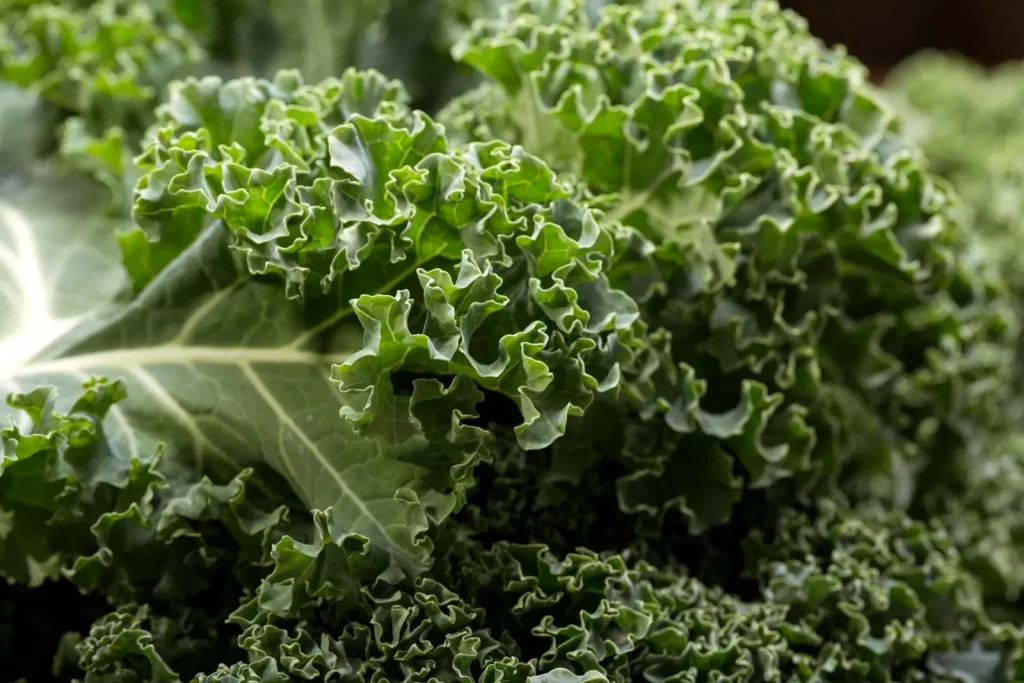
- Scientific Name: Brassica oleracea var. sabellica
- Growth Cycle: 45–60 days
- Market Price: ₹150–300/kg for curly or Tuscan kale.
- Why It’s Profitable: Rapidly growing health food demand in India and globally.
- Yield Potential: A single healthy hydroponic kale plant can yield approximately 0.5 kg to 1 kg of fresh leaves per harvest cycle with 8–10 harvests annually.
- Profit Insight: A niche, premium leafy green that appeals to gyms, cafés, and organic stores.
- Pro Tip: Combine kale with basil and lettuce for a diversified, profitable leafy mix.
Kale is a trendy superfood globally and it’s catching on fast in Indian cities. Hydroponically grown kale is crisp, nutrient-rich, and pesticide-free, making it ideal for health-conscious consumers. It grows well in NFT or raft systems and tolerates cooler conditions. Its durability also means longer shelf life, reducing post-harvest losses.
Profit Tip: Sell kale in mixed salad packs or ready-to-cook bundles. Add value through branding (“locally grown supergreens”) to attract high-end buyers.
8. Paprika (Sweet Pepper) – The Premium Greenhouse Performer
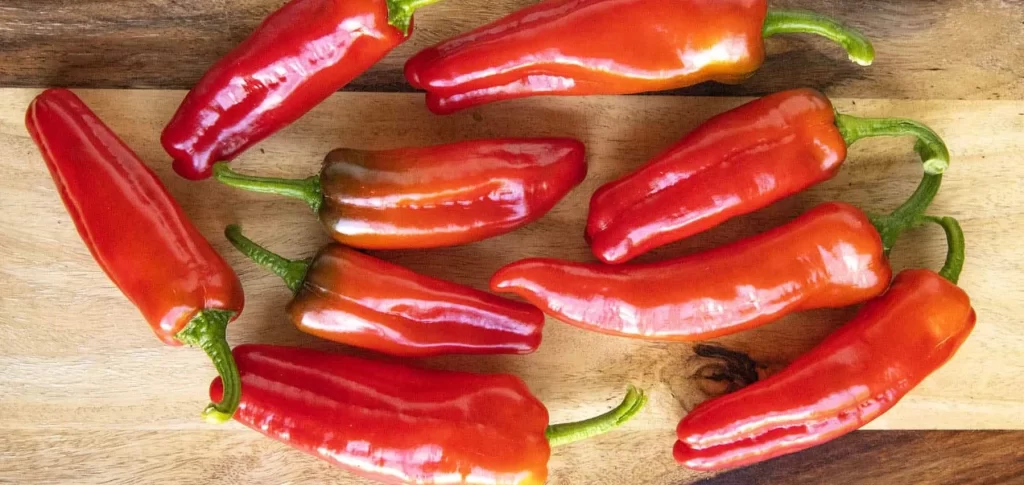
- Scientific Name: Capsicum annuum
- Growth Cycle: 90 to 150 days
- Market Price: ₹150–300/kg for red and yellow varieties in Indian metro markets.
- Why It’s Profitable: Paprika or sweet peppers (colored capsicums) fetch a high price because they’re considered gourmet produce. With hydroponics, you can grow them year-round and achieve near-perfect fruit quality and shape — something soil farming can’t guarantee.
- Yield Potential: 5–8 kg per plant per season under controlled conditions.
- Profit Insight: One of the most commercially viable hydroponic crops globally. Even mid-sized farms (1 Acre) can generate high margins if they focus on premium markets, hotels, and direct retail tie-ups.
- Pro Tip: Maintain temperatures around 22–28°C and use drip or Dutch bucket systems for precise nutrient delivery.
Paprika (Sweet Pepper) is one of the most profitable hydroponic crops you can grow in 2025. Known for its vibrant red, yellow, and orange colors, paprika thrives in controlled environments where temperature, humidity, and nutrients can be finely tuned. In hydroponic systems like Dutch buckets or coco peat grow bags, plants produce uniform, glossy fruits with thick walls and excellent flavor — ideal for restaurants, supermarkets, and export markets.
9. Arugula (Rocket Leaves)
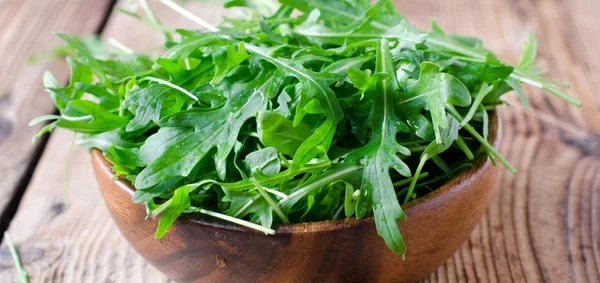
- Scientific Name: Eruca sativa
- Growth Cycle: 30-40 days
- Market Price: ₹200-₹400 per kg depending on quality and location.
- Why It’s Profitable: Arugula is now a staple in salads and restaurant menus. It’s a fast-growing leafy green with strong demand from cafés, health-conscious consumers, and premium retail chains.
- Yield Potential: Each plant yields about 0.05 to 0.1 kg
- Profit Insight: Requires little space, quick turnaround, and fetches much higher prices than lettuce or spinach.
- Pro Tip: Harvest young leaves every 10–15 days for continuous yield and better peppery flavor.
Arugula is a favorite in salads, sandwiches, and gourmet dishes. It thrives exceptionally well in hydroponic systems like NFT or DWC, delivering crisp, tender leaves with minimal input.
10. Bok Choy (Pak Choi)
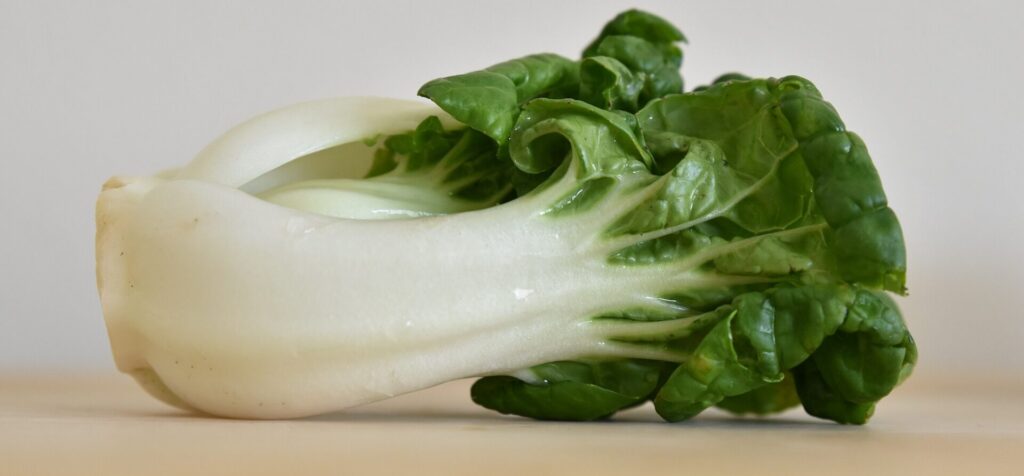
- Scientific Name: Brassica rapa subsp. chinensis
- Growth Cycle: 45-60 days
- Market Price: ₹180–300/kg in Indian metros; higher in export supply.
- Why It’s Profitable: With rising Asian cuisine demand, bok choy is now a steady seller in urban India. Hydroponic cultivation ensures tender leaves and perfect heads ideal for restaurants and export.
- Yield Potential: average yield of about 0.25-0.5 kg per plant
- Profit Insight: One of the easiest high-value Asian greens for hydroponics; grows fast and tolerates short photoperiods.
- Pro Tip: Maintain cool water temperatures (18–22°C) and consistent pH (5.8–6.2) for compact, crisp growth.
Bok Choy (Pak Choi) is a fast-growing Asian leafy vegetable that thrives in hydroponic systems, making it a another choice for commercial and small-scale growers. Belonging to the Brassica family, it produces crisp white stalks and tender green leaves with a mild, slightly peppery flavor.
3 Key Factors That Drive Profit in Hydroponic Farming
Even the most profitable hydroponic crops can fail to perform if your system isn’t managed correctly. Here’s what determines true success:
1. Market Alignment
Choose crops that have consistent local demand or fetch premium prices in your area. Selling directly to restaurants, online stores, or through subscription models increases profitability.
2. Efficiency and Cycle Planning
Shorter crop cycles mean higher yearly turnover. Plan staggered planting schedules to maintain cash flow and prevent downtime between harvests.
3. Quality and Branding
Urban consumers care about how their food is grown. Label your produce as “freshly harvested, pesticide-free, and locally grown” to stand out from conventional suppliers.
Hydroponics in India: Where the Real Opportunity Lies
Hydroponics is evolving fast in India. As urbanization expands, people are becoming more aware of the food they eat. High-end restaurants, modern retail chains, and direct-to-consumer brands are creating demand for clean, consistent, and exotic produce — exactly what hydroponic farms deliver.
States like Maharashtra, Karnataka, Tamil Nadu, and Telangana are already seeing hydroponic clusters emerging near metro areas like Mumbai, Bengaluru, and Hyderabad. With access to reliable logistics and online marketplaces, small and medium-scale farmers can now sell premium hydroponic produce profitably.
For 2025, the best strategy is diversification — grow a mix of fast-turnover greens (like lettuce and spinach) along with high-value crops like colored capsicum to balance cash flow and profit margins.
If you’re ready to turn your hydroponic journey into a profitable venture, Enviro Agritech can help you every step of the way. From designing and building fully automated hydroponic systems to offering complete training and technical support, we make commercial hydroponic farming both achievable and profitable. Whether you’re planning a small setup or a large-scale commercial farm, our experts will guide you with customized solutions that fit your goals and local conditions. To get started, visit our Contact Us page and speak directly with our team.
Final Thoughts!
The future of hydroponic farming in India — and globally — is bright. With the right system, knowledge, and marketing approach, even small-scale setups can become highly profitable agribusinesses. Whether you’re a beginner looking to start small or a commercial farmer expanding operations, the key is to focus on market demand, system efficiency, and consistent quality. In 2025, profit in hydroponics won’t belong to the biggest farms — it’ll belong to the smartest ones.