Table of Contents
Insecticidal soap for plants is one of those rare garden tools that looks almost too simple to be effective. No scary labels. No complex chemistry. No long waiting periods. Just soap, water, and timing. Yet when used correctly, it solves real pest problems that wipe out yields, weaken plants, and push gardeners toward stronger chemicals than they actually need. The problem is not the tool. The problem is how casually it’s explained.
Most articles tell you what to mix but skip why it works, when it fails, and how people quietly damage their plants while thinking they’re being organic and safe. This guide fixes that. We’ll break down insecticidal soap for plants as a precision tool, not a folk remedy. You’ll learn how it works, which pests it actually controls, how to make a reliable DIY spray, and when to stop using it.
What Is Insecticidal Soap for Plants?
Insecticidal soap is a contact insecticide made from potassium salts of fatty acids. That sounds technical, but the idea is simple. These fatty acids dissolve the protective outer membranes of certain insects. Once that barrier breaks, the insect loses water rapidly and dies. There’s no poisoning. No nervous system disruption. No residual toxicity. That’s why insecticidal soap for plants works fast but leaves no lasting residue behind.
How Insecticidal Soap Actually Works
Insecticidal soap for plants works by direct contact. If the spray does not touch the insect, nothing happens later.
There is:
- No systemic action
- No residual killing effect
- No “protective layer” left behind
Once the spray dries, it’s done.
What This Means in Practice
- Coverage matters more than concentration
- Timing matters more than frequency
- Undersides of leaves are non-negotiable
This is why some gardeners swear it “does nothing” while others clear infestations in days. They’re using the same spray but not the same technique.
What Pests Does Insecticidal Soap Control?
Insecticidal soap for plants is highly effective against soft-bodied insects.
These include:
- Aphids
- Spider mites
- Whiteflies
- Thrips (especially larvae)
- Mealybugs
- Scale insects (crawler stage only)
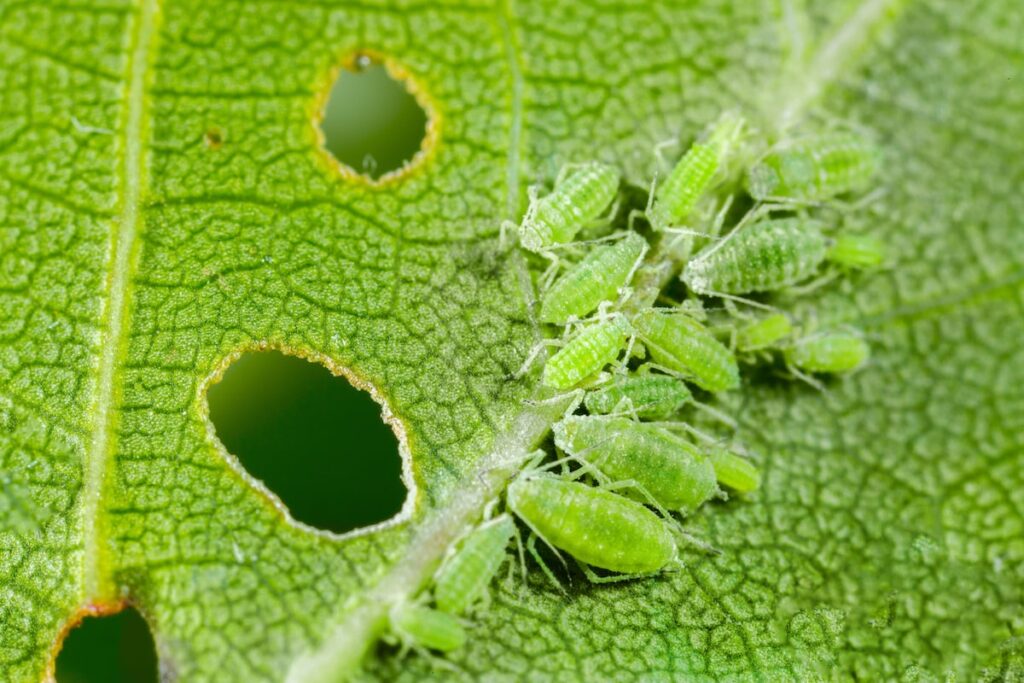
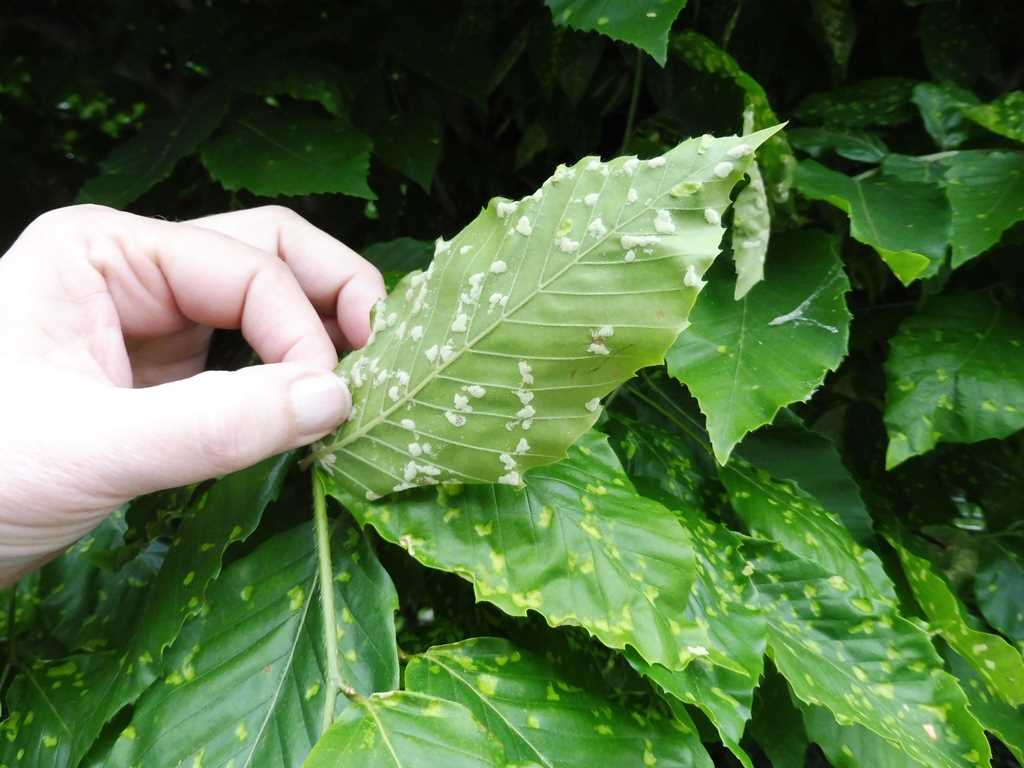
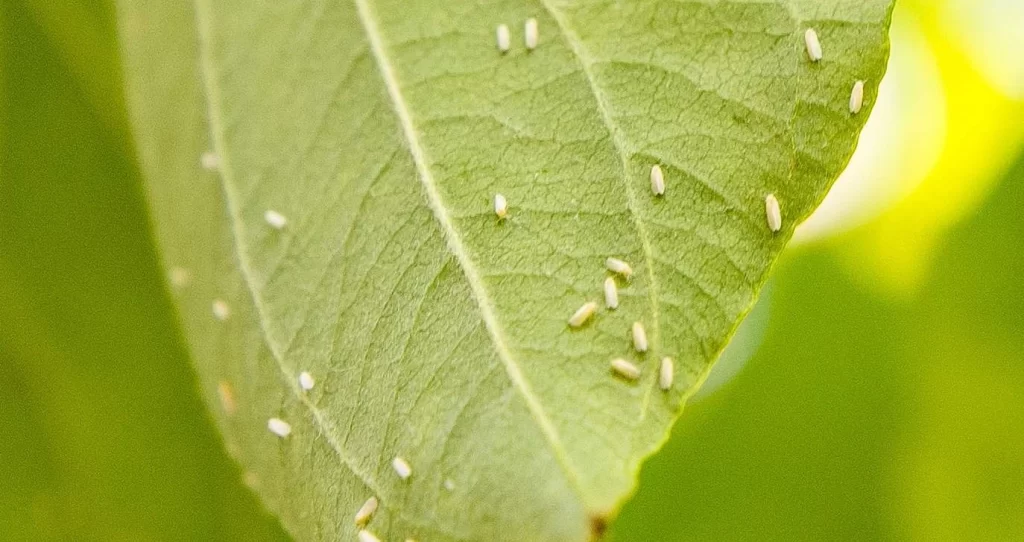
These pests share one weakness: thin outer membranes.
Pests It Does Not Control
This is where expectations often break.
Insecticidal soap does not control:
- Caterpillars
- Beetles
- Grasshoppers
- Leaf miners
- Soil pests
- Adult scale insects with hard shells
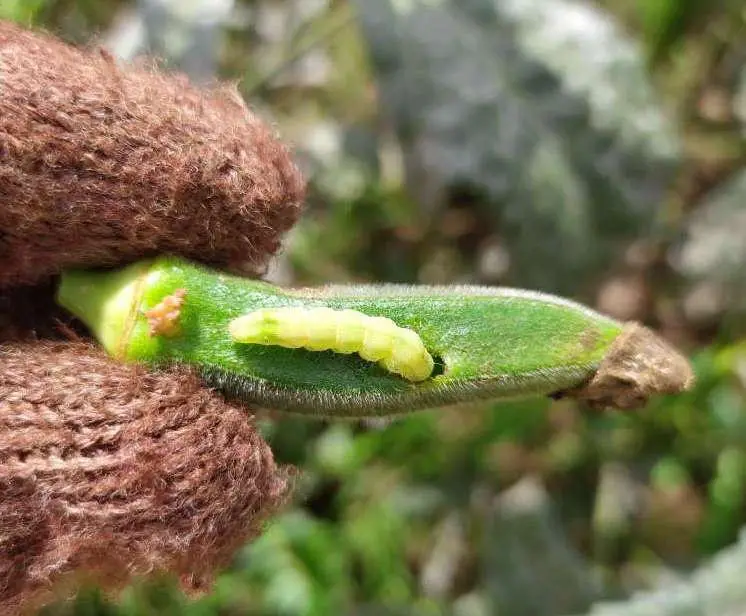
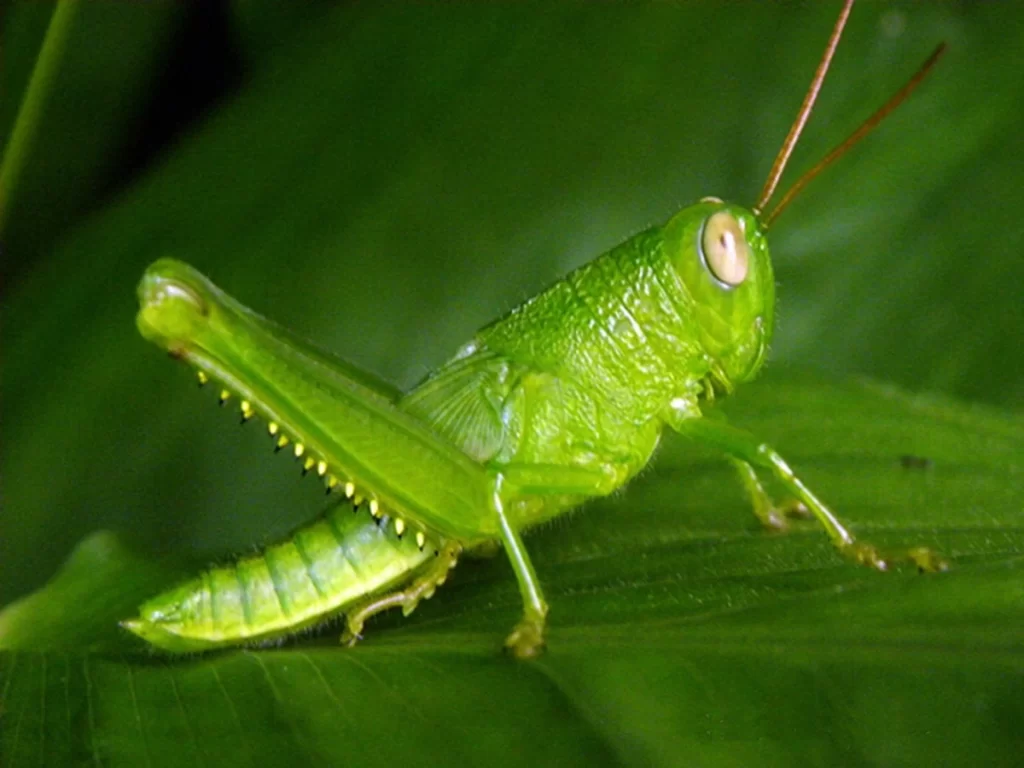
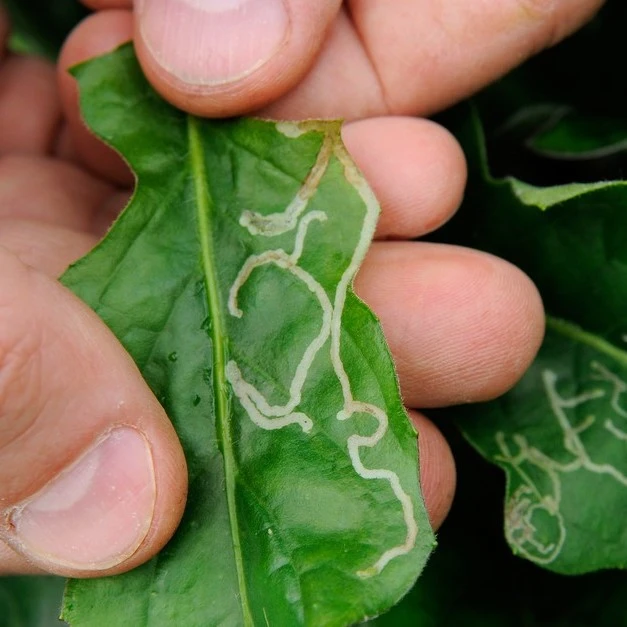
If it has a thick exoskeleton or lives inside plant tissue, soap won’t reach it. Using insecticidal soap against the wrong pest doesn’t make it ineffective. It makes it irrelevant.
Why Use Insecticidal Soap Instead of Chemical Insecticides?
Chemical insecticides often work. That’s not the question. The real question is what else they do while working. Insecticidal soap for plants stands out because:
- It breaks down rapidly
- It leaves no toxic residue
- It doesn’t contaminate soil or water
- It doesn’t build resistance in pests
Used properly, it fits perfectly into integrated pest management rather than replacing observation with aggression. This matters even more in edible gardens, greenhouses, and indoor plants where repeated spraying compounds risk.
Is Insecticidal Soap Safe for All Plants?
No. And anyone who says otherwise is oversimplifying. Some plants have sensitive leaf cuticles that react badly to fatty acids. Damage doesn’t always show immediately, which makes this tricky. Commonly sensitive plants include:
- Ferns
- Begonias
- African violets
- Calatheas
- Certain succulents
- Very young seedlings
Leaf texture matters more than species. Thin, fuzzy, or waxy leaves are more vulnerable.
Always Do a Patch Test
This is not optional. Spray a small section of one leaf. Wait 24 hours. Look for:
- Browning
- Wilting
- Spotting
- Burned edges
If nothing happens, proceed. Skipping this step saves five minutes and risks the whole plant.
How to Make Insecticidal Soap for Plants (DIY Recipe)
This is where most guides get sloppy.
Ingredients You Actually Need
- Pure liquid soap
- No degreasers
- No fragrances
- No antibacterial additives
- Clean water
- Soft water preferred
- Avoid very hard or chlorinated water
Basic DIY Formula
- 1 teaspoon pure liquid soap per 1 liter of water
Or - 1 tablespoon per 4 liters (1 gallon)
Stronger is not better. Higher concentrations increase leaf burn without increasing pest control.
Mixing Instructions
- Add water first
- Add soap slowly
- Stir gently, don’t shake aggressively
- Use immediately if possible
Do not add vinegar, baking soda, alcohol, or random “boosters.” That turns pest control into plant damage.
How to Apply Insecticidal Soap Correctly
Best Time to Spray
- Early morning or late evening
- Never in direct midday sun
- Avoid temperatures above 30°C
Heat increases leaf burn and reduces effectiveness.
Coverage Rules
- Spray until wet, not dripping
- Focus on undersides of leaves
- Hit visible insects directly
- Don’t rush
This is controlled targeting, not fogging.
How Often Should You Spray?
- Every 4–7 days during active infestation
- Repeat until no live insects remain
- Stop once control is achieved
Soap does not prevent future infestations. It solves current ones.
Can You Combine Insecticidal Soap with Other Treatments?
Sometimes. Carefully.
Soap + Neem Oil
This is popular and risky.
It can work if:
- Used at low concentrations
- Tested first
- Applied in cool conditions
It often fails because:
- Both disrupt leaf surfaces
- Combined stress burns plants
- Dosage errors stack damage
Soap + Biological Controls
This works well when done in sequence.
- Use soap first to reduce population
- Introduce beneficial insects later
Never spray soap after releasing predators.
Storage, Shelf Life, and Stability
Homemade insecticidal soap:
- Separates quickly
- Degrades within days
- Should be mixed fresh
If it smells odd or looks cloudy, discard it. Commercial products last longer because they’re stabilized. DIY mixes are not.
Insecticidal soap for plants is not a miracle cure, and that’s exactly why it works so well when used correctly. It doesn’t promise long-term protection, instant prevention, or total pest eradication. What it offers is control, clarity, and restraint. When you understand the pest you’re dealing with, target it at the right life stage, and apply the soap with intention, insecticidal soap becomes one of the most reliable tools in a low-impact garden. It solves problems without creating new ones in the soil, on your food, or in the wider ecosystem.
The key is to treat it as a precision instrument, not a routine spray. Identify first. Spray only where needed. Watch the plant respond. Then stop. Overuse adds stress without adding results, and stronger mixtures only burn leaves, not pests. Used this way, insecticidal soap for plants fits naturally into a smarter, more observant approach to gardening. One where you intervene just enough to protect plant health, while letting balance do the rest of the work.