Table of Contents
The Colorado Potato Beetle (Leptinotarsa decemlineata) is one of the most destructive insect pests affecting potatoes, eggplants, tomatoes, and other nightshade crops. Despite decades of control efforts, these beetles continue to wreak havoc on home gardens and commercial fields alike—thanks to their rapid reproduction, ability to defoliate plants within days, and growing resistance to many insecticides.
As we move into 2025, controlling these beetles requires a modern, multi-faceted approach that combines scientific understanding, organic techniques, and smart chemical use. In this article, we’ll walk you through everything you need to know to stop Colorado Potato Beetles (CPB) from destroying your crops—backed by proven research and expert strategies.
What Are Colorado Potato Beetles?
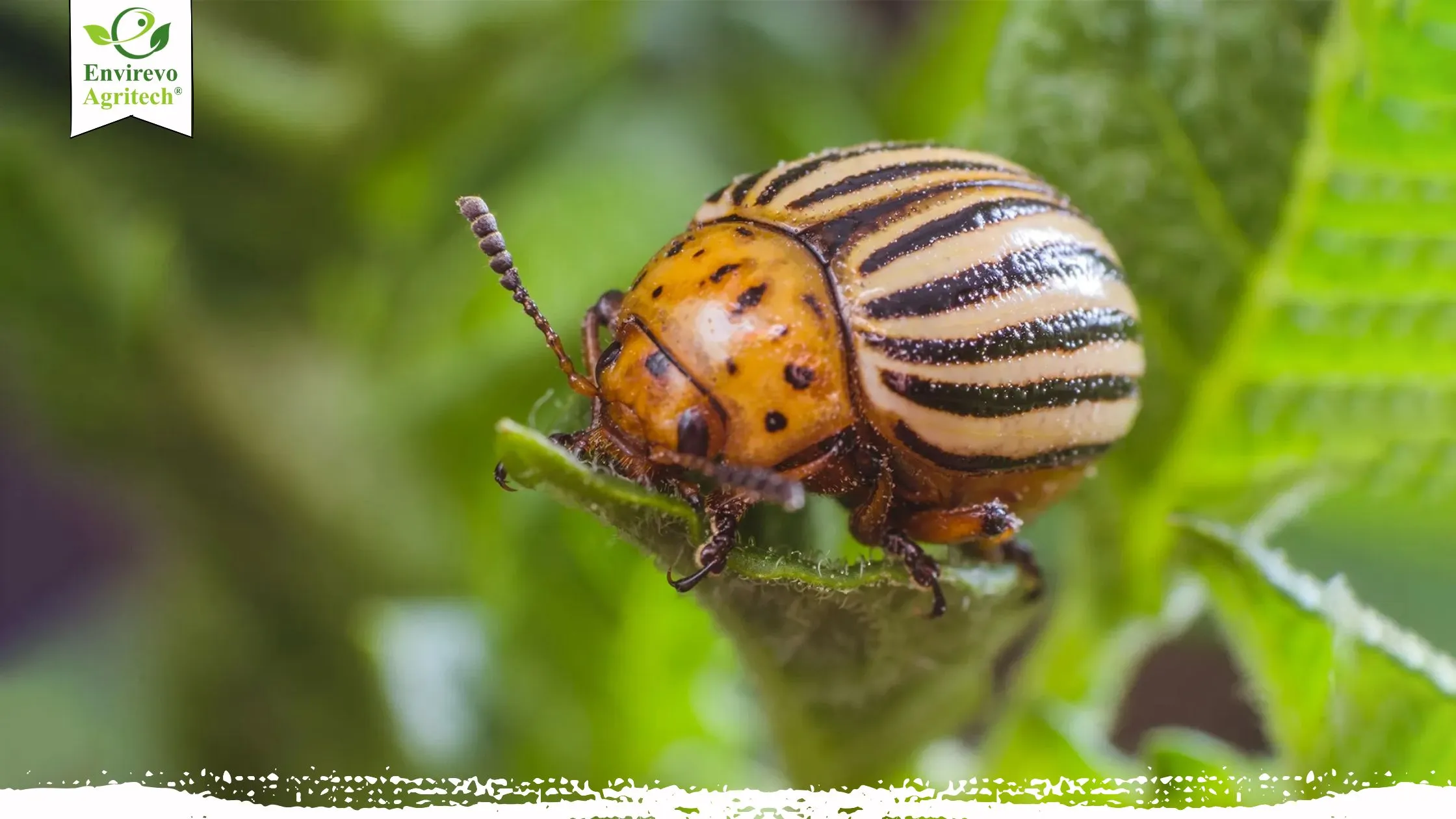
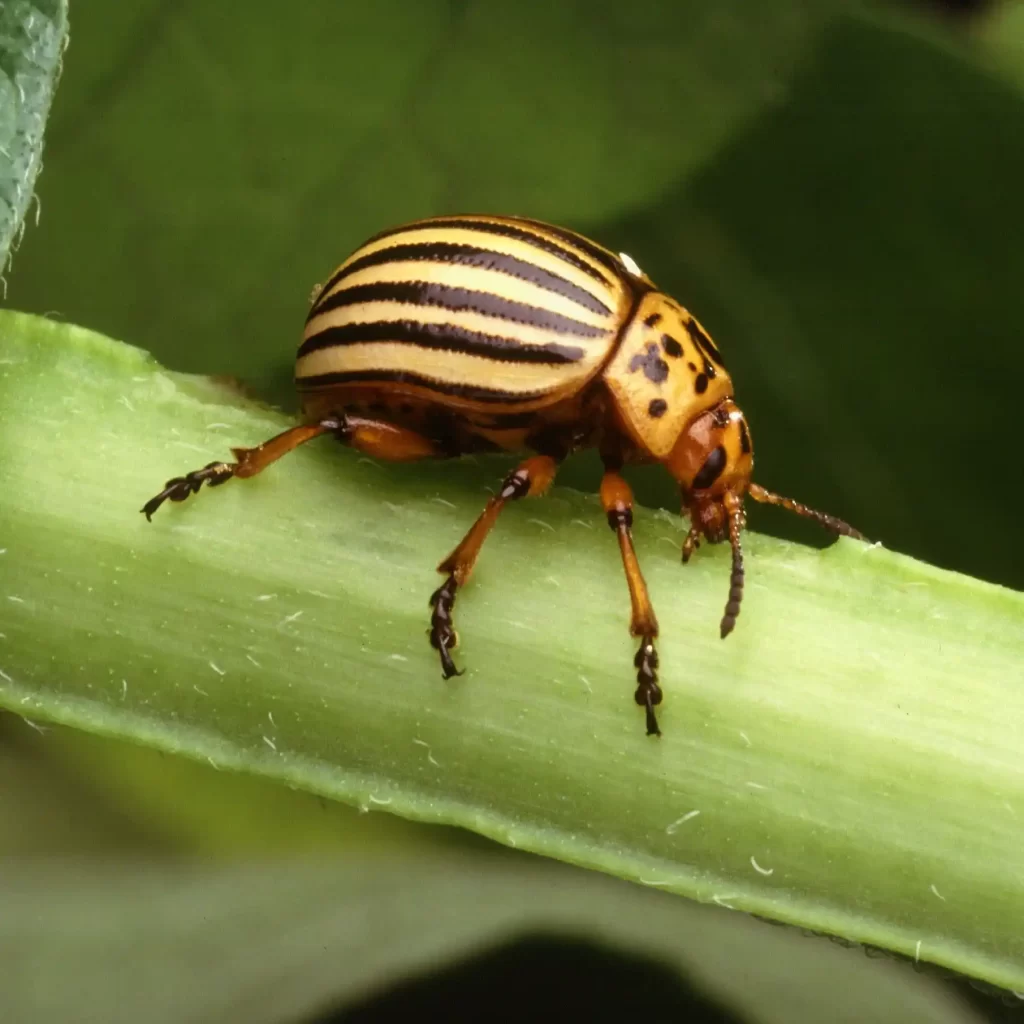
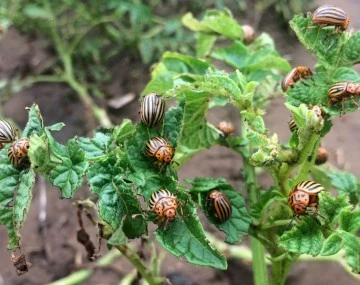
The Colorado Potato Beetle is a small, hard-shelled insect best known for its distinct black and yellow-striped wings. Native to the Rocky Mountains, this beetle has now spread across most of North America, Europe, and parts of Asia, adapting to various climates with ease.
🔍 Identification
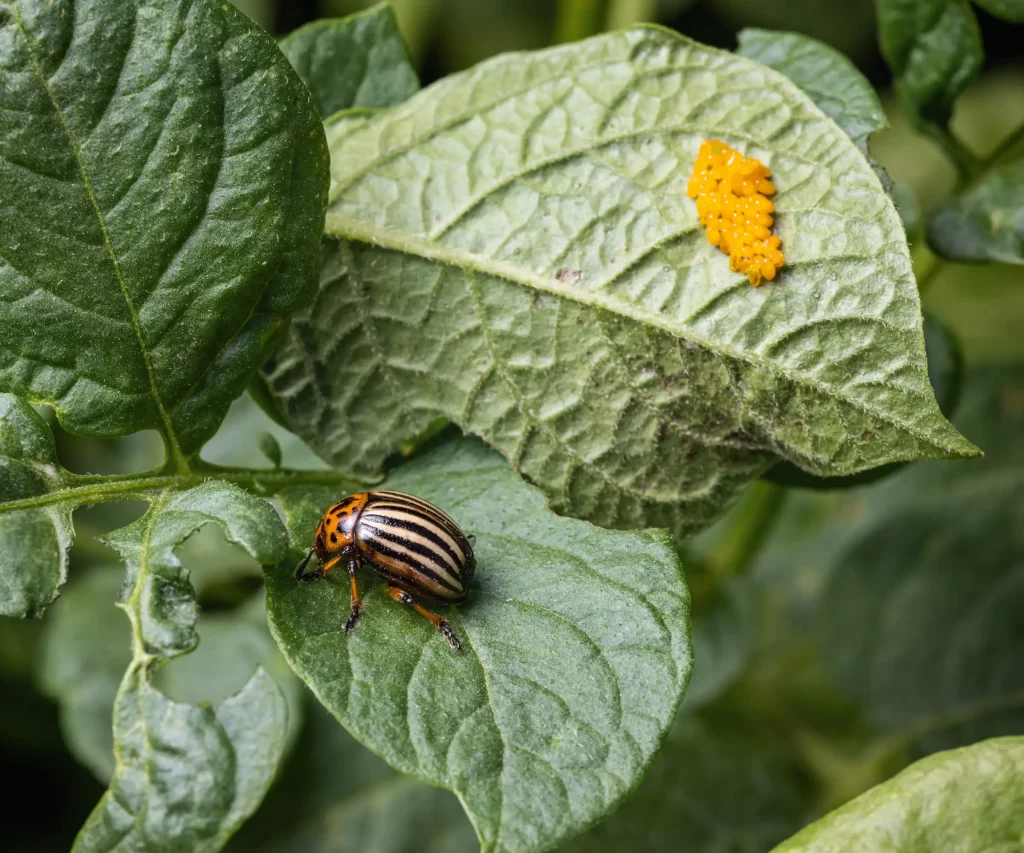
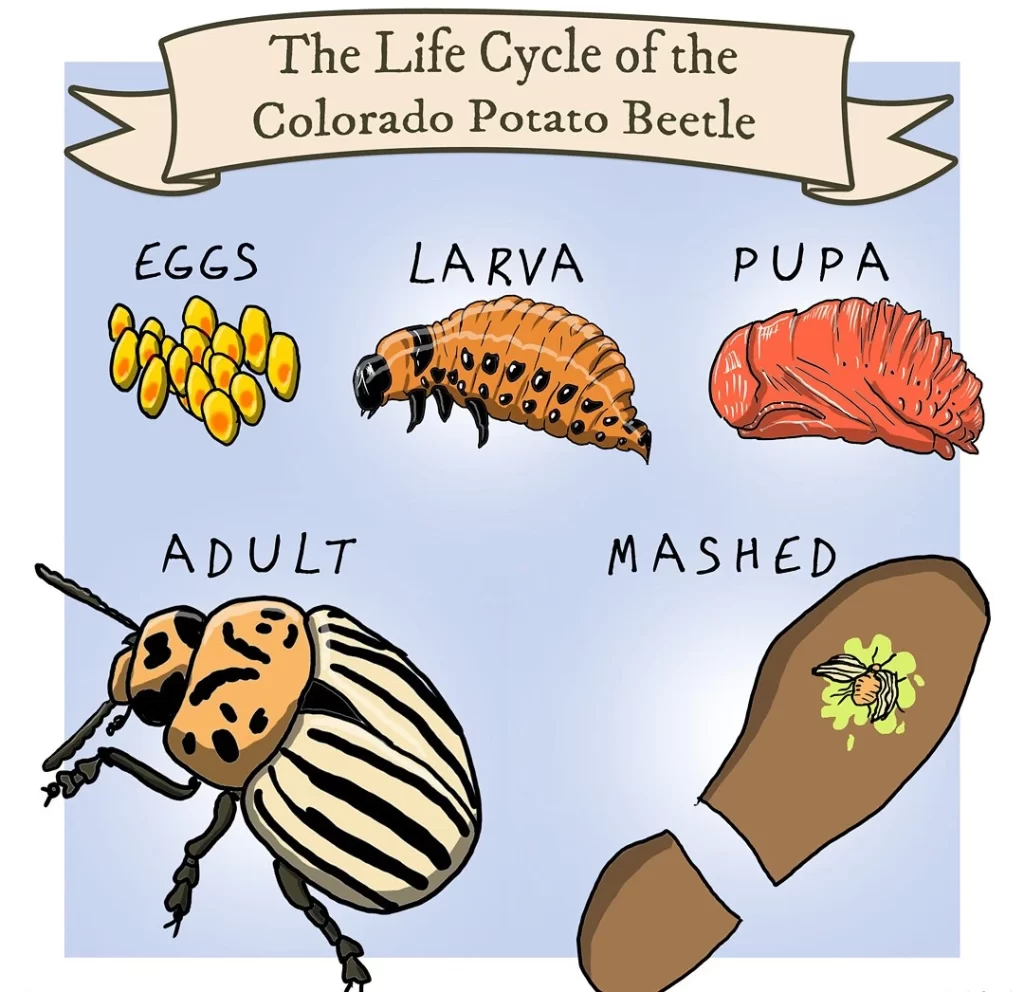
- Adults: 3/8-inch long with yellow-orange bodies and 10 black stripes down the back.
- Eggs: Laid in clusters of 15–35, bright yellow-orange, typically found under leaves.
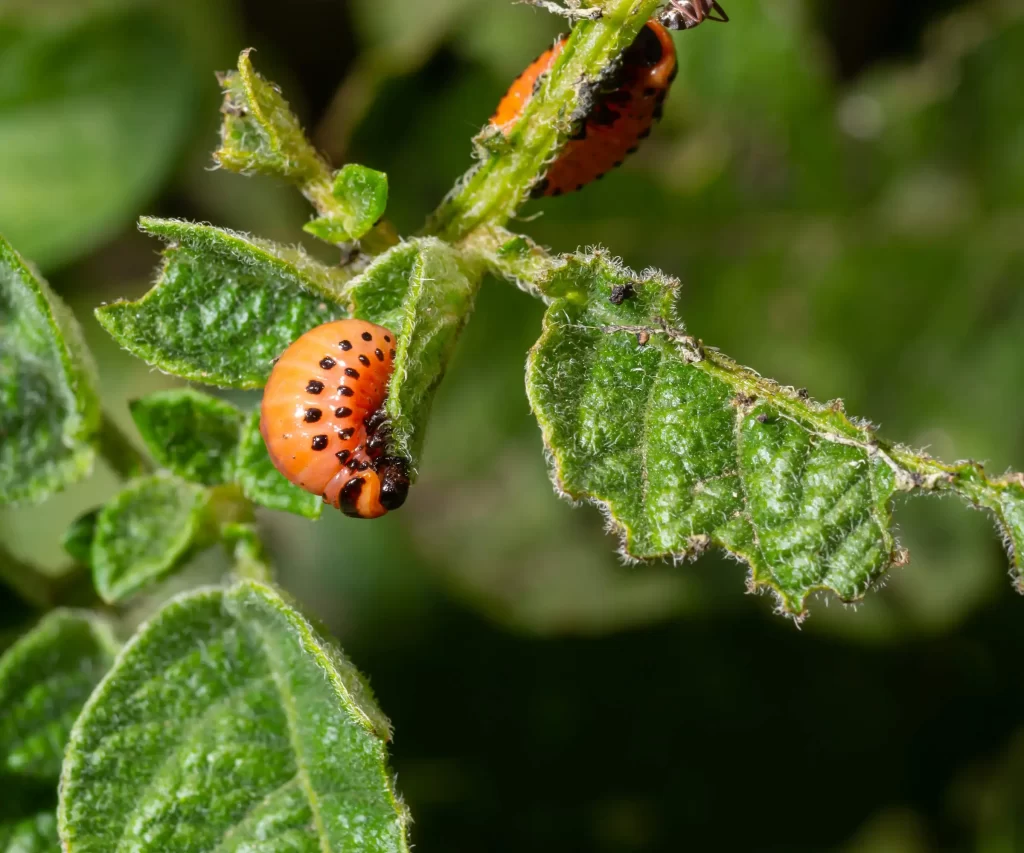
- Larvae: Initially reddish with black heads, growing plumper and more salmon-colored as they molt through four instars. Black spots line their sides.
- Pupae: Orange-colored, formed in the soil.
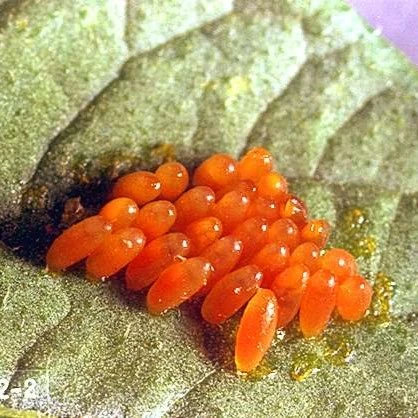
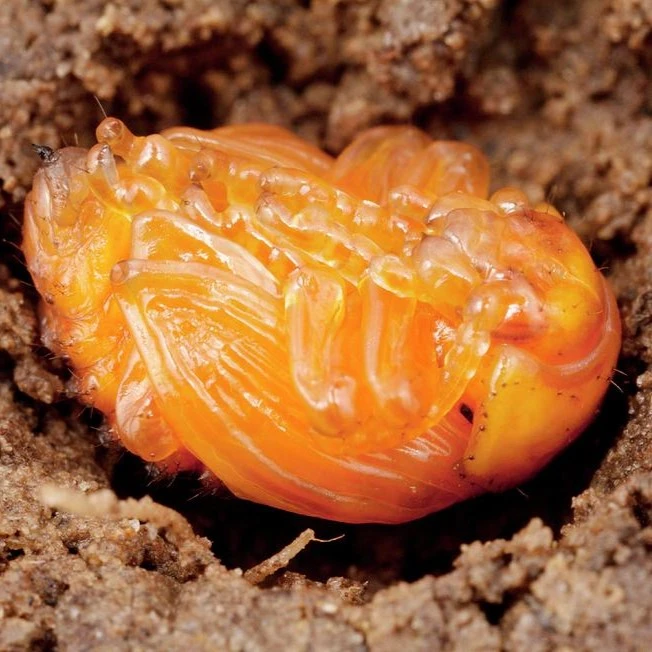
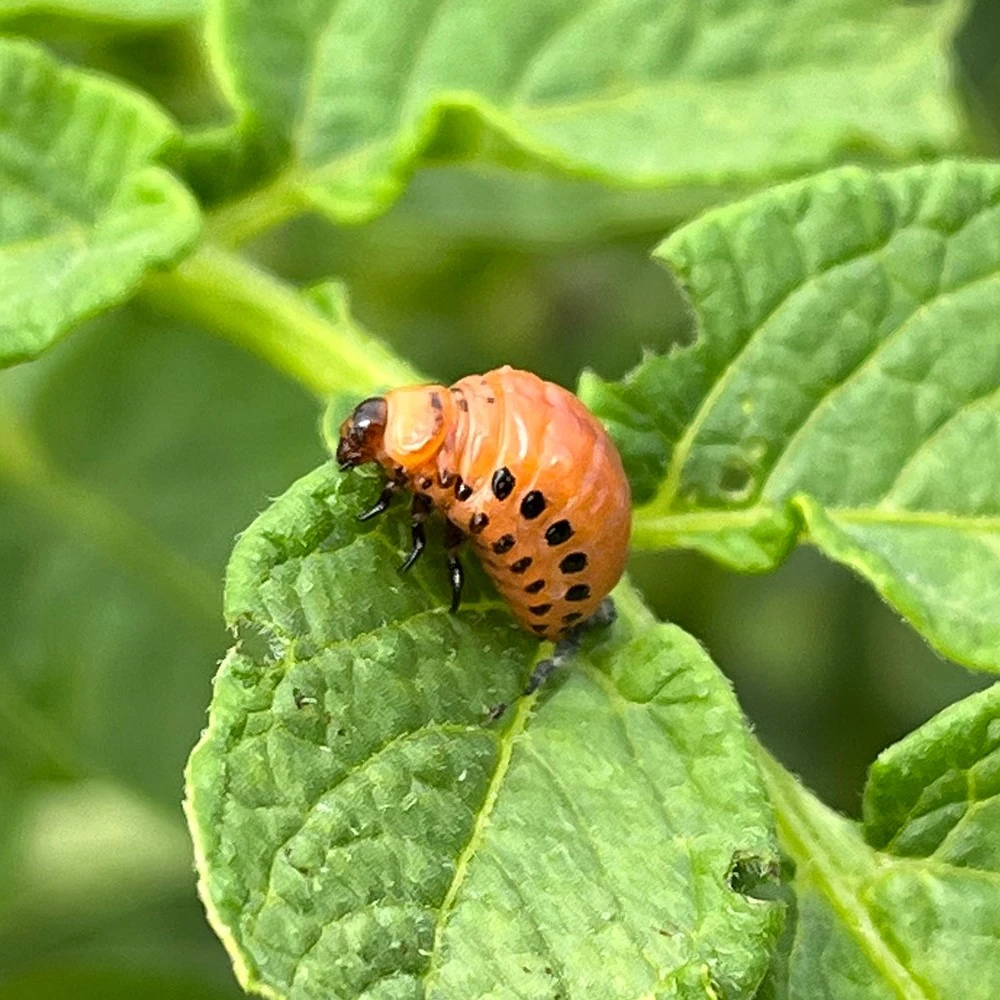
Colorado Potato Beetles are most active from late spring through summer and can complete multiple generations per season, especially in warmer regions.
Symptoms of a Colorado Potato Beetle Infestation
An infestation can move fast and result in devastating crop loss if not addressed early. Here’s what to look for:
- Skeletonized leaves: Larvae consume leaf tissue, leaving only the veins.
- Yellowing and browning foliage: Especially during heavy feeding periods.
- Egg clusters: Usually located under leaves; check new growth.
- Visible beetles and larvae: Both adults and larvae feed voraciously.
- Reduced tuber size and yield: Severe defoliation weakens plants.
🎯 Economic Thresholds for Action:
- Defoliation levels: 30% during vegetative growth or 10% during tuber bulking.
- Population counts: >1.5 large larvae or 4 small larvae per plant or 25 adults per 50 plants.
Understanding these thresholds ensures you take action before irreversible damage occurs.
Life Cycle of the Colorado Potato Beetle
Knowing when and how these pests reproduce is critical to beating them. Colorado potato beetles typically overwinter as adults 2–8 inches below the soil and emerge when the ground warms to about 55–60°F (13–15°C).
Key Stages:
- Overwintered Adults emerge in spring and begin feeding on early growth.
- Egg-laying begins shortly after feeding.
- Larvae hatch within 4–15 days and go through four stages over 2–3 weeks.
- Pupation occurs in soil; adults may emerge to start a second generation.
- Second-generation larvae appear midsummer; sometimes a third if the season is long.
These beetles synchronize their lifecycle with potato plant growth, making timing a critical factor in control.
Why Are Colorado Potato Beetles Attracted to Your Garden?
You may unknowingly be creating a beetle paradise. Here are some reasons they love your garden:
- Monoculture planting: Growing only potatoes or nightshades in one area increases attraction.
- Poor rotation: Planting potatoes in the same spot every year supports overwintered beetles.
- Nightshade weeds nearby: Plants like horsenettle or ground cherry serve as off-season hosts.
- Warm soil and early planting: Promotes early emergence and fast reproduction.
- Lack of predators: A pesticide-heavy environment kills off beneficial insects that prey on Colorado Potato Beetles.
Scouting and Monitoring: Your First Line of Defence
Successful CPB control begins with vigilant scouting. Start as soon as plants emerge in spring.
- Inspect 50 plants every 3–4 days for beetles, larvae, and eggs.
- Check the undersides of leaves—especially on new growth.
- Record and track numbers to determine if thresholds are met.
- Use sticky traps or yellow buckets to monitor beetle movement.
Catch infestations early, and you’ll reduce the need for more aggressive interventions later.
Organic & Natural Methods to Control CPB in 2025
With rising chemical resistance, many gardeners prefer to use non-toxic, sustainable methods. Here are the most effective organic techniques:
1. Handpicking
- Best for small gardens and light infestations.
- Remove adults, larvae, and eggs and drop them into soapy water.
- Do this daily during peak emergence for best results.
2. Mulching and Physical Barriers
- Thick straw mulch around plants can reduce beetle movement.
- Floating row covers prevent beetles from reaching plants—ideal early in the season.
- Plastic-lined trench traps can stop migrating beetles at the garden edge.
3. Crop Rotation and Companion Planting
- Rotate crops to areas where Colorado Potato Beetles didn’t overwinter.
- Avoid planting nightshades in the same location for at least 2 years.
- Interplant with repellent herbs like catnip, tansy, or nasturtium.
4. Biological Controls
- Predators: Ground beetles, ladybugs, parasitic wasps, and stink bugs prey on CPBs.
- Pathogens:
- Beauveria bassiana (fungus that kills larvae and adults)
- Bacillus thuringiensis var. tenebrionis (Bt) targets young larvae effectively.
Apply biological products early and during cool, moist conditions for optimal effect.
Best Insecticides for Colorado Potato Beetle Control in 2025
If thresholds are exceeded, insecticides can be used—but with caution to prevent resistance.
🚫 Warning: Resistance is widespread!
The Colorado Potato Beetle is resistant to over 50 insecticide active ingredients. That means rotating modes of action is critical.
🔹 Top Organic/Biorational Products
| Product | Active Ingredient | Best Target Stage | Resistance Risk |
|---|---|---|---|
| Spinosad (e.g., Monterey Garden Insect Spray) | Spinosyns | Larvae | Moderate |
| Bt var. tenebrionis | Bacterial protein | Early instar larvae | Low |
| Neem Oil | Azadirachtin | Eggs and larvae | Low |
| Beauveria bassiana | Entomopathogenic fungus | Adults + larvae | Low |
🔹 Conventional Insecticides
| Product | Class | Application Notes |
|---|---|---|
| Imidacloprid | Neonicotinoid | Systemic; apply at planting only |
| Cypermethrin | Pyrethroid | Use as foliar spray; rotate with other classes |
| Chlorantraniliprole | Diamide | Target larvae; safer for pollinators |
Apply chemical controls in the early morning or late evening to protect pollinators,
Note that many products available for Colorado Potato Beetle are restricted-use products and will require a certified pesticide applicator license.
CAUTION: Mention of a pesticide or use of a pesticide label is for educational purposes only. Always follow the pesticide label directions attached to the pesticide container you are using. Be sure that the plant you wish to treat is listed on the label of the pesticide you intend to use. And observe the number of days between pesticide application and when you can harvest your crop. Remember, the label is the law.
Preventive Measures to Stop CPB Before It Starts
Prevention is always better than cure. Incorporate these proactive steps into your gardening routine:
- Clean up plant debris in fall to prevent overwintering.
- Till soil deeply after harvest to disrupt pupation.
- Control weeds, especially nightshades, around garden perimeters.
- Avoid continuous potato planting in the same beds.
- If the infestation is particularly nasty, consider taking a year off from growing potatoes. The adults will emerge and fly off to find a new food source. If your neighbor is growing potatoes on the next lot over, this may not work.
- Use certified, disease- and pest-free seed potatoes.
These steps can reduce your CPB pressure dramatically, especially when combined with early-season barriers.
What’s New in 2025: Resistance Trends & Innovations
In 2025, research continues to show an alarming trend—more CPBs are resistant to neonicotinoids, pyrethroids, and even some spinosyns. This means one-size-fits-all spray programs no longer work.
Innovations:
- New insecticides in development include RNA-interference products that target specific CPB genes.
- Genetically selected potato varieties now show moderate resistance to CPB feeding.
- Precision farming tools allow growers to map beetle hotspots for localized spraying.
As resistance increases, the future of CPB management will lean heavily on technology and integrated approaches.
When to Call a Professional
You may need expert help if:
- Your infestation exceeds manageable thresholds.
- You are managing a large-scale farm or certified organic operation.
- Your previous insecticide programs have failed.
- You need access to restricted-use pesticides.
Certified crop advisors and pest control specialists can design a targeted, resistance-aware management program tailored to your land.
The Colorado Potato Beetle remains a formidable pest, but with vigilance, diverse tactics, and a science-backed strategy, you can protect your garden or farm in 2025 and beyond. From handpicking to crop rotation, biological sprays to strategic insecticide use, the key lies in combining methods, not relying on just one. Stay alert, rotate your defences, and keep ahead of resistance trends.