Table of Contents
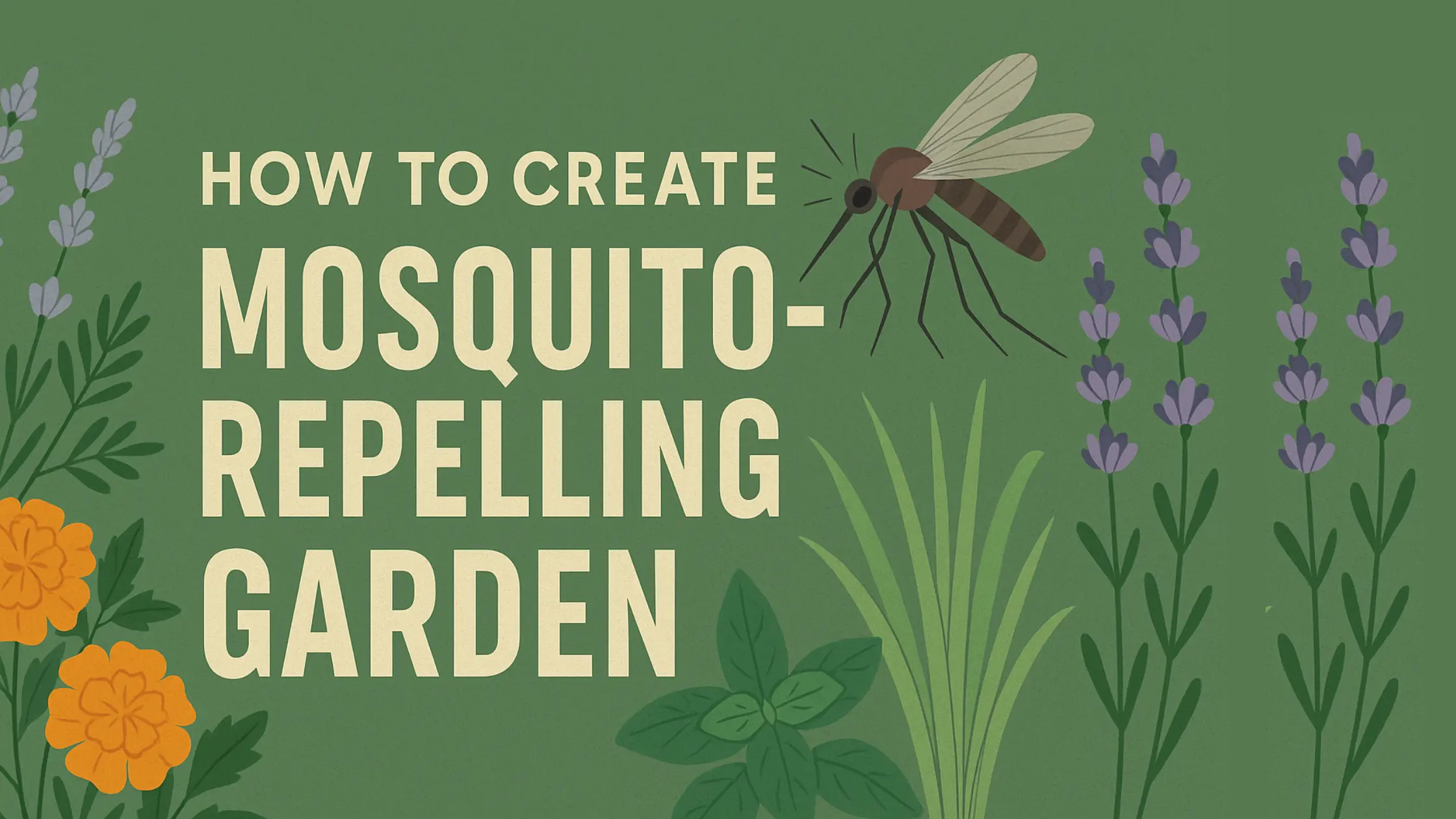
Mosquitoes are a universal summer nuisance. They disrupt outdoor evenings, leave itchy bites behind, and in many regions they carry diseases. Most people respond with chemical sprays, coils, or electric diffusers, yet those solutions only offer short bursts of relief. A Mosquito Repelling Garden works differently. Instead of masking your presence with synthetic fragrances, you create an environment that mosquitoes find confusing, unattractive, or actively hostile.
The idea sounds simple, but when you design it well, a mosquito-repelling garden becomes one of the most reliable and sustainable forms of natural pest control. You reduce mosquito pressure by combining scent-driven plants, layout strategies, airflow management, biological predators, and smart water control. In this guide, you’ll learn how to bring all these moving parts together in a practical, real-world way.
How Mosquito-Repelling Plants Actually Work
Before choosing plants, it helps to know why some species repel mosquitoes in the first place. Mosquitoes rely heavily on scent to locate hosts. They detect carbon dioxide, lactic acid, body heat, and even certain bacteria on the skin. Strongly aromatic plants disrupt this process.
Plants like lavender, citronella, lemongrass, thyme, catnip, and marigolds release essential oils that overwhelm the sensory receptors mosquitoes depend on. Compounds such as citronellal, linalool, geraniol, thymol, and camphor interfere with their navigation and landing response. The plant doesn’t kill the mosquito; it simply makes the area “unreadable” to them.
This is why a Mosquito Repelling Garden works best when layered. One plant may help, but combining herbs, flowers, and shrubs creates overlapping scent zones that force mosquitoes to stay away. Healthy plants release stronger aromas, so soil, water, and light conditions matter just as much as plant choice.
Best Plants to Build a Strong Mosquito Repelling Garden
Citronella
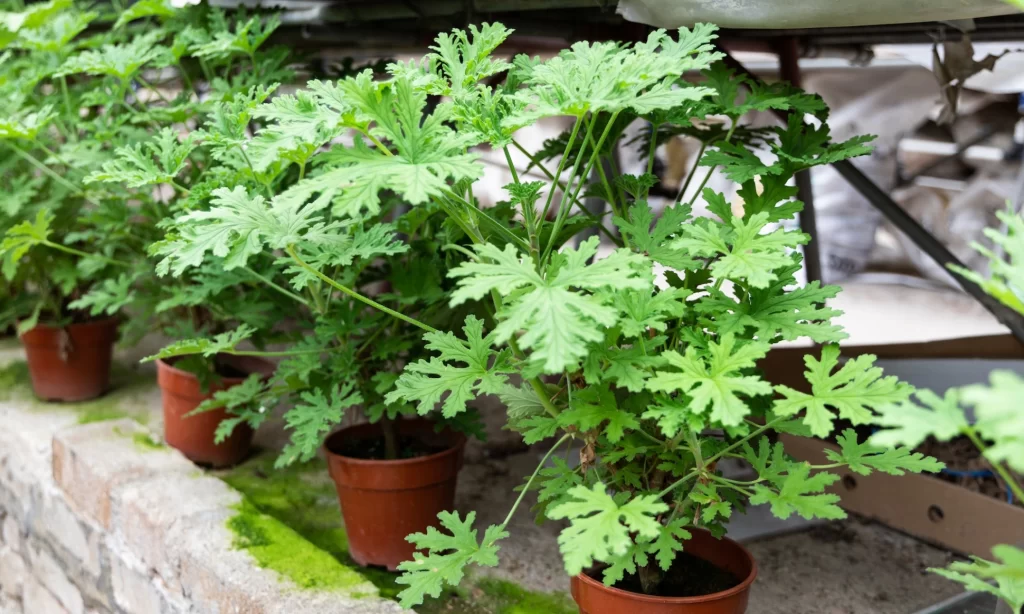
When people think of mosquito-repelling plants, citronella is usually the first name that comes to mind. True citronella plants (Cymbopogon nardus or Cymbopogon winterianus) release a lemony aroma that disrupts mosquito tracking. They need consistent sunlight, good drainage, and warmth. Plant them near patios or walkways where movement releases more scent.
Lemongrass
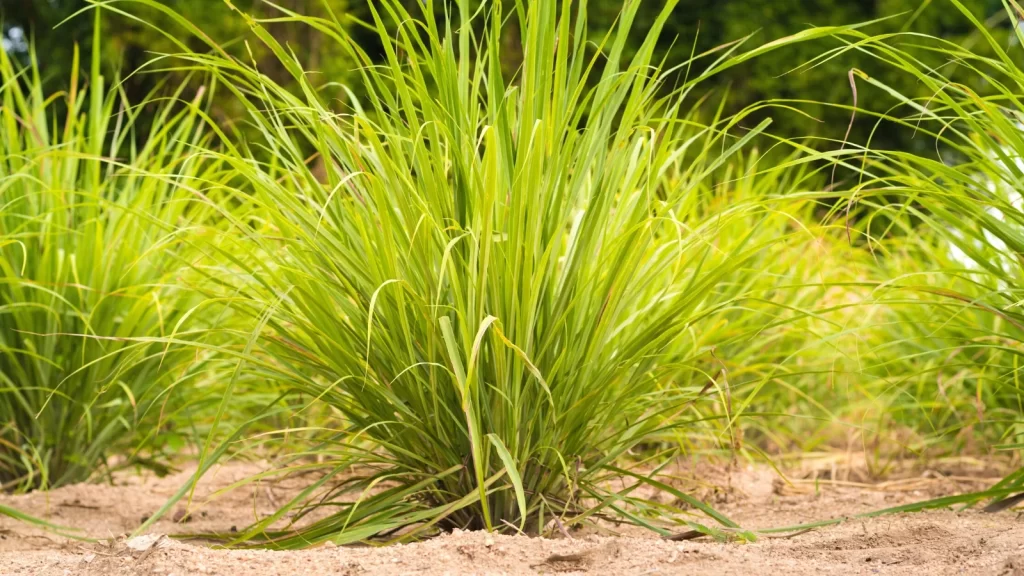
Lemongrass looks similar to citronella but has a stronger culinary value and a slightly different aroma profile. It contains citronellal and geraniol, both of which repel mosquitoes. It grows tall, making it a natural border plant for sitting areas.
Lavender
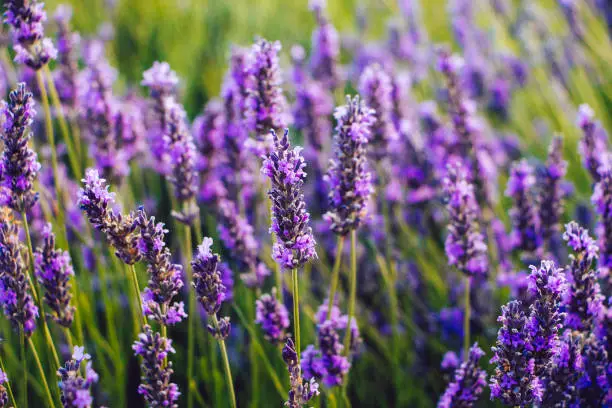
Lavender doesn’t just calm humans; it irritates mosquitoes. Linalool, the main aromatic compound, works as a natural deterrent. Plant lavender along garden edges or near windows so breezes carry the scent indoors. It prefers dry soil and full sun.
Marigolds
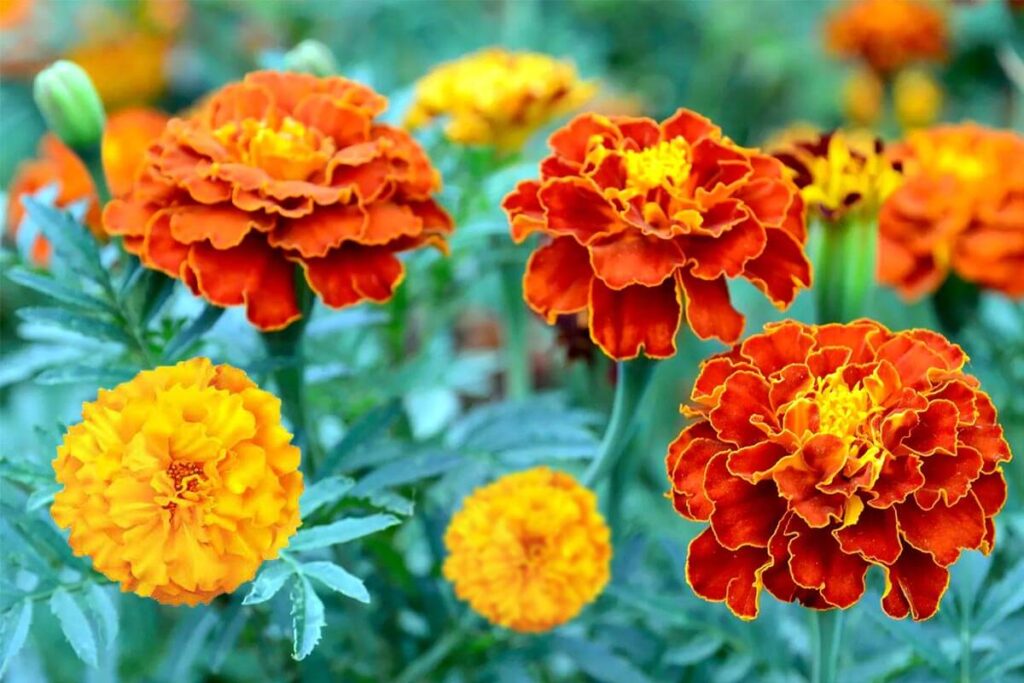
Marigolds contain pyrethrum, the same ingredient used in many natural mosquito repellents. Their bright colors also attract beneficial insects. Place them at garden entrances, near walkways, or anywhere you want a dense aroma presence.
Catnip
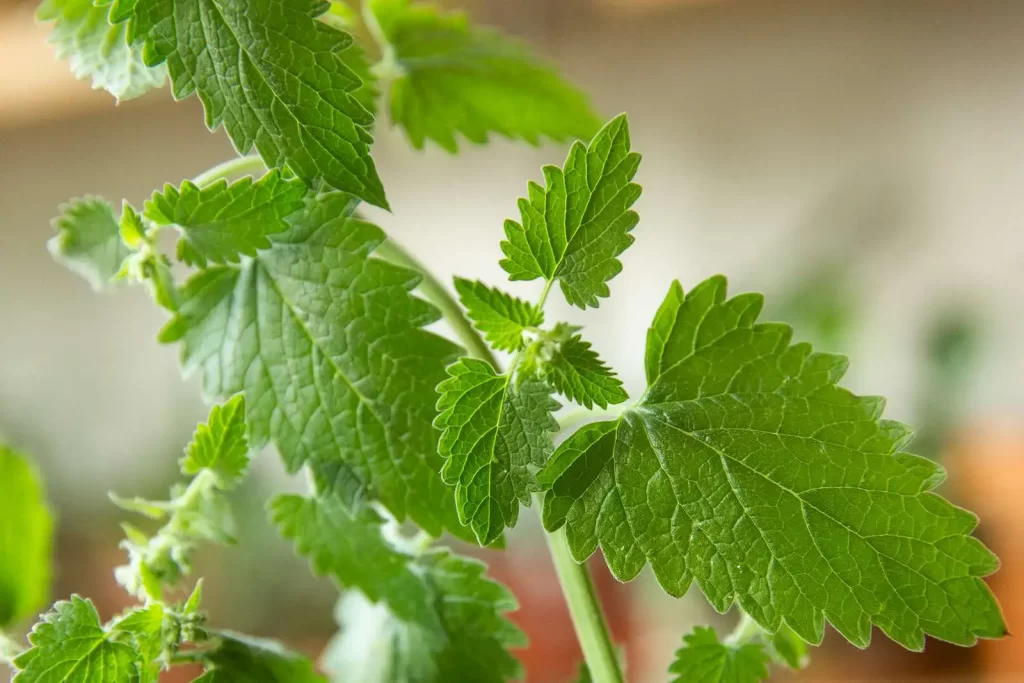
Catnip contains nepetalactone, which research suggests may be more effective than DEET in certain conditions. Be prepared for enthusiastic cats if you plant a lot of it. Catnip thrives in poor soil and spreads quickly, making it a good perimeter plant.
Basil
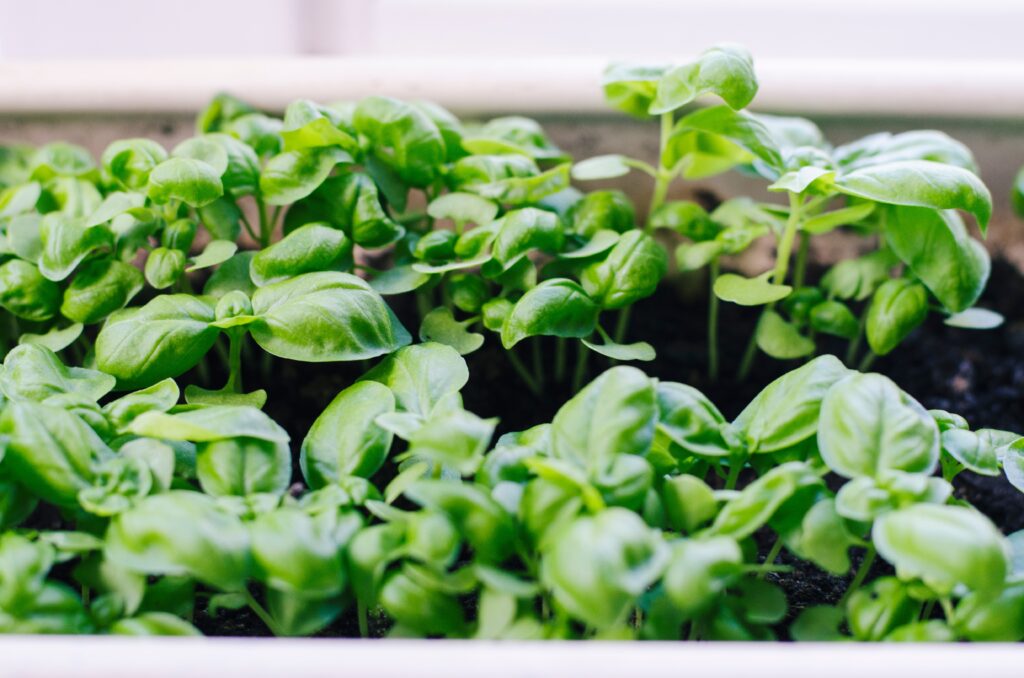
Lemon basil and cinnamon basil are especially effective varieties. They release a strong scent when brushed, which makes them perfect near outdoor dining tables where movement is frequent.
Shade-Friendly Plants for Less Sunny Spaces
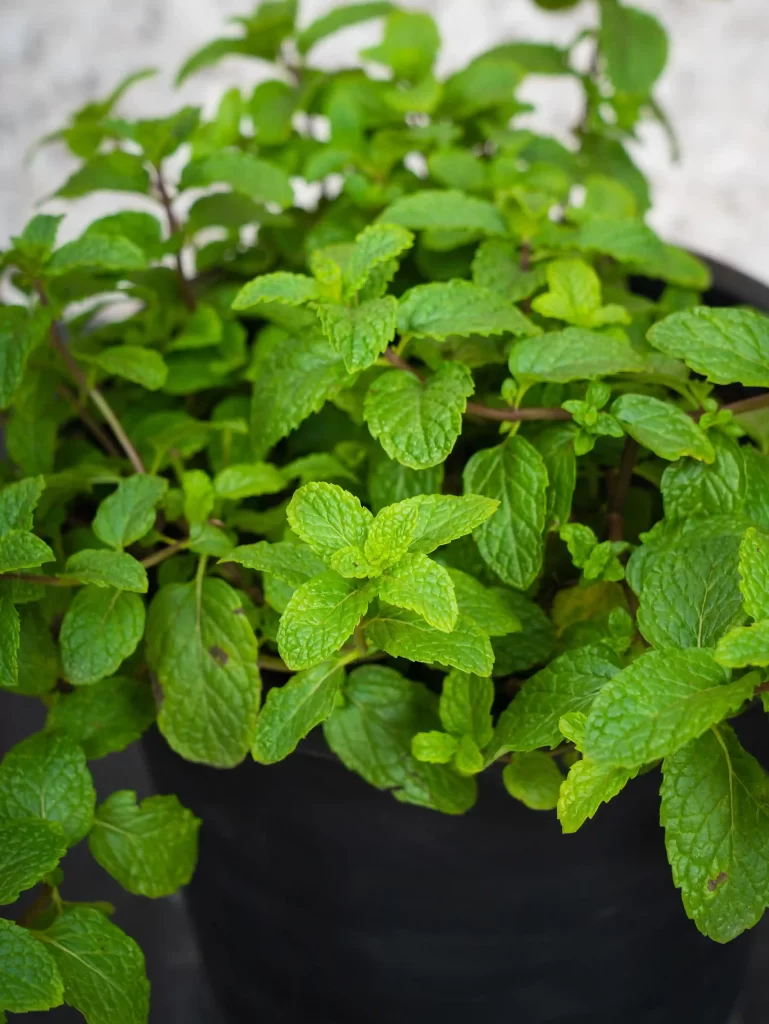
- Mint: Mint spreads aggressively and produces a sharp, refreshing scent that mosquitoes avoid. Keep it contained in pots unless you want it to take over your garden beds.
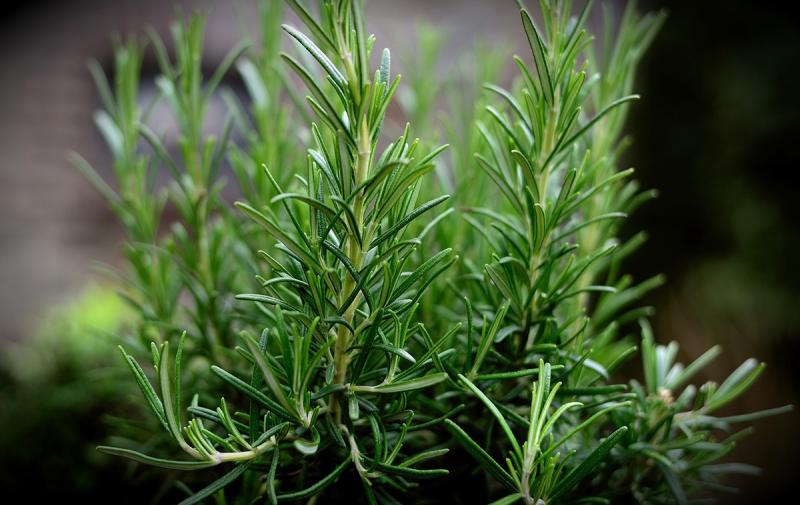
- Rosemary: Rosemary prefers sun but handles partial shade reasonably well. Its woody stems and aromatic oils help deter mosquitoes. It also handles heat and drought better than many herbs.
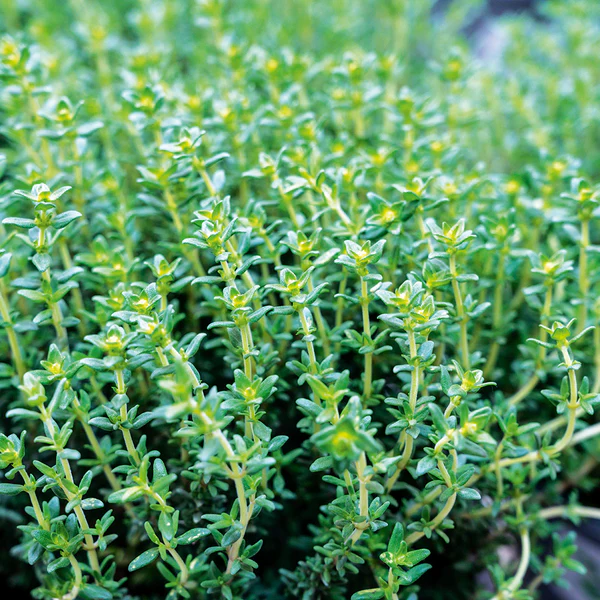
- Thyme: Thyme is low-growing and thrives in rocky or dry soil. When stepped on or warmed by sunlight, it releases a burst of aroma that repels insects naturally.
- Patchouli: Patchouli is not as commonly used in modern gardens, but mosquitoes dislike its strong, earthy scent. It grows well in shaded conditions and adds a unique texture.
Flowering Plants That Add Color and Repel Mosquitoes
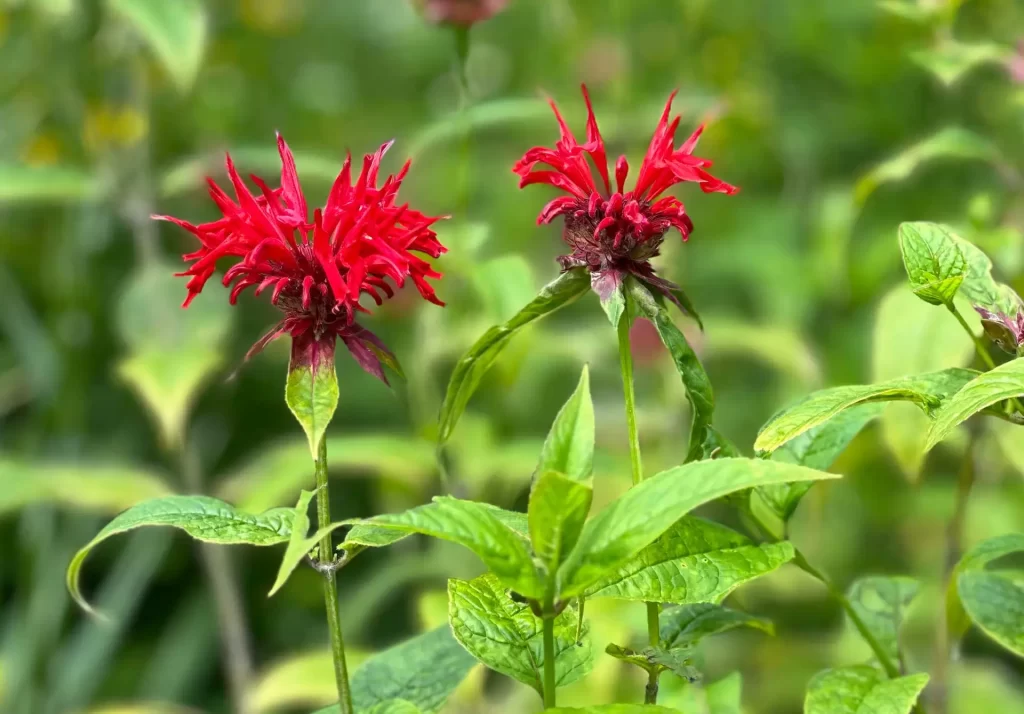
- Bee Balm: Bee balm attracts pollinators but drives away mosquitoes thanks to its high thymol content. The flowers are bold and add height to flower beds.
- Geraniums (Lemon-scented varieties): These are popular in container gardens because their scent strengthens when leaves are crushed or brushed.
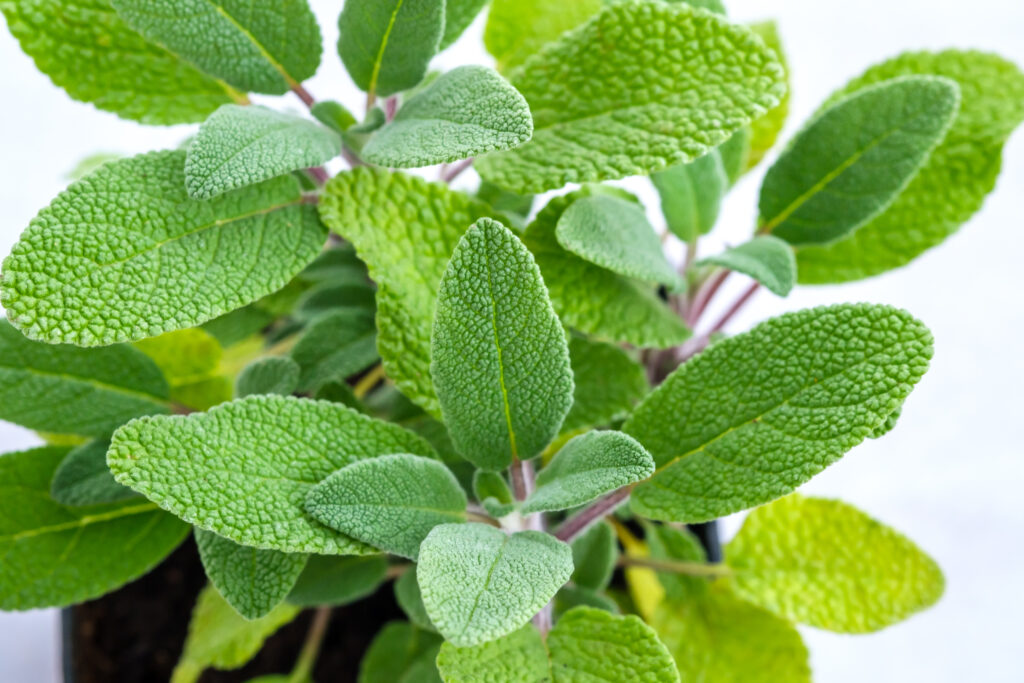
- Sage: Burning sage leaves can help clear mosquitoes from sitting areas, and even the living plant creates a mild repellent effect.
- Pennyroyal: A classic mosquito-repelling plant, but it should be handled carefully because it is toxic to pets if ingested. Still, it remains a powerful aromatic repellent.
Trees and Shrubs for Long-Term Mosquito Reduction
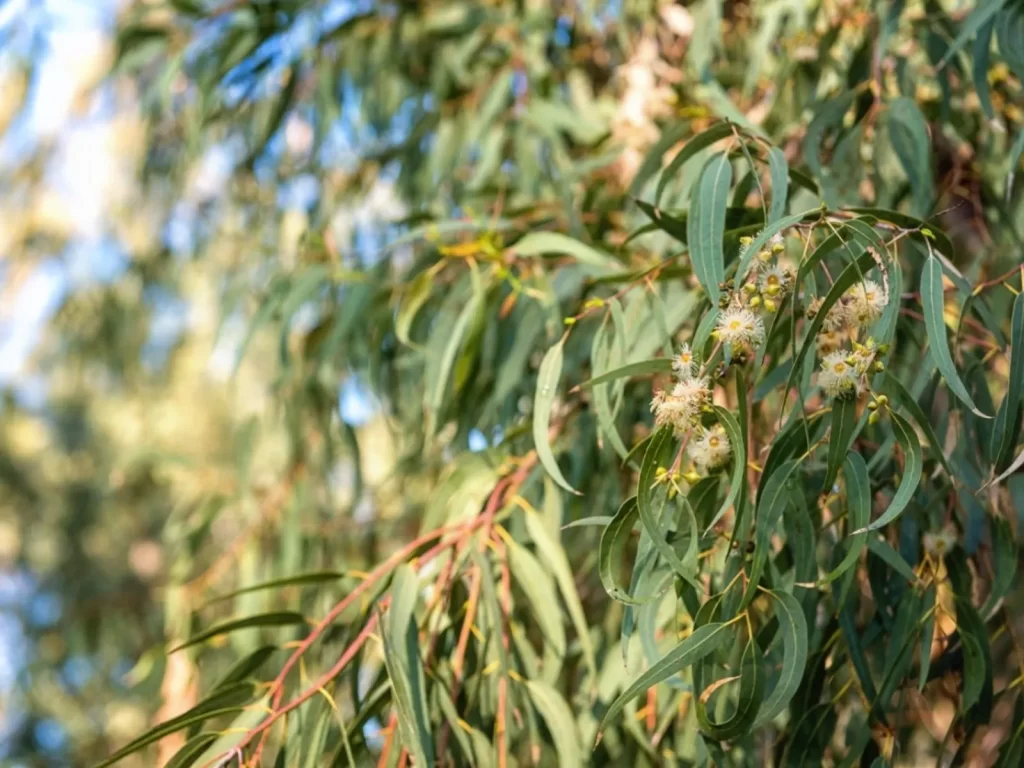
- Eucalyptus: Eucalyptus leaves emit a strong aroma containing eucalyptol, which mosquitoes avoid. It grows fast and provides shade as well.
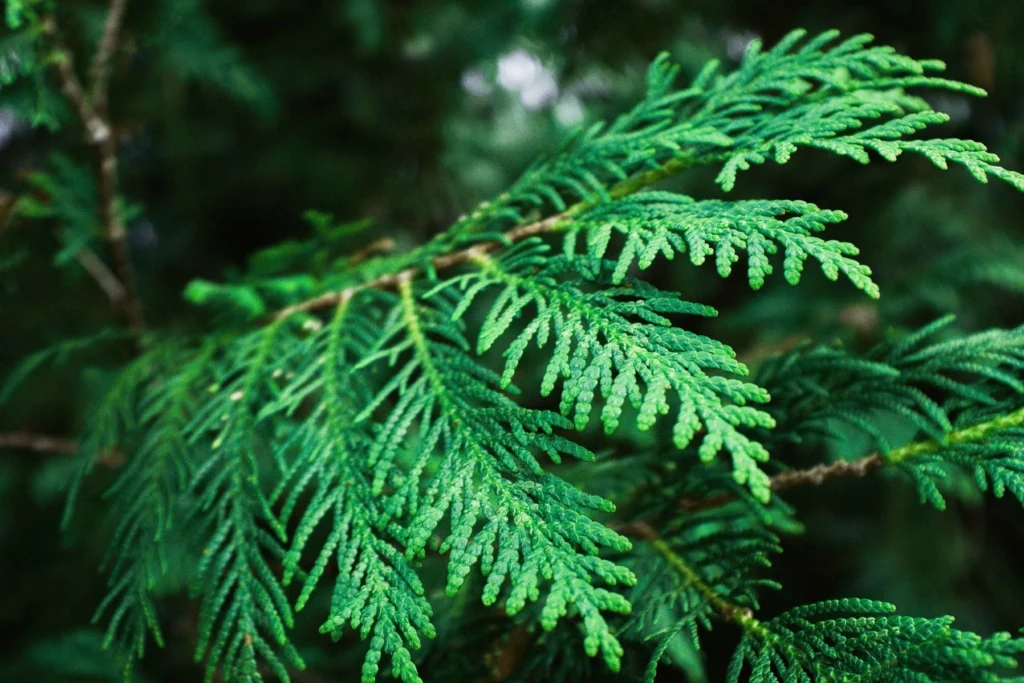
- Cedar: Cedarwood chips are famous for repelling moths and mosquitoes. A cedar hedge or small cedar tree reinforces scent zones naturally.
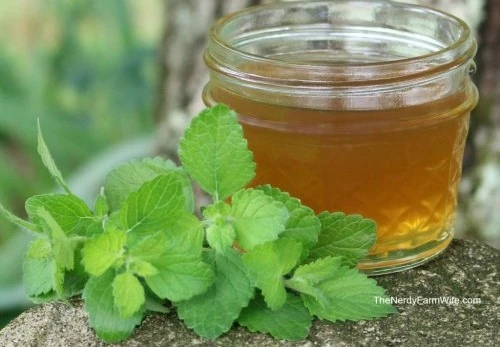
- Lemon Balm Shrubs: Lemon balm grows into a bushy shrub and releases a lemony scent that masks human odors.
A well-designed mosquito-repelling garden isn’t a quick fix, but it offers something better: sustainable, natural, and chemical-free relief. You build it once and then improve it season by season. Over time, your outdoor space becomes a place mosquitoes avoid while remaining beautiful and practical for you.
If you combine the right plants, manage water sources, encourage natural predators, and support aroma production, your Mosquito Repelling Garden becomes one of the most reliable defences you can deploy. It’s a simple idea, but when executed thoughtfully, it transforms your outdoor experience.