Table of Contents
Backyard chicken keeping has evolved far beyond tossing kitchen scraps into the coop. Today’s flock owners pay closer attention to nutrition, natural health boosters, and enriching their birds’ environment. One of the most common questions that comes up in this context is simple: Can chickens eat cilantro? Since many people grow herbs at home or buy them often, it’s natural to wonder if you can share them with your flock.
The short answer is yes, but the long answer is where the real value lies. Cilantro offers impressive nutritional perks, but moderation, proper preparation, and feeding strategy all matter. And cilantro is just the beginning. Once you understand how to evaluate safe plants and herbs, your flock’s diet becomes far more interesting and diverse.
Can Chickens Eat Cilantro?
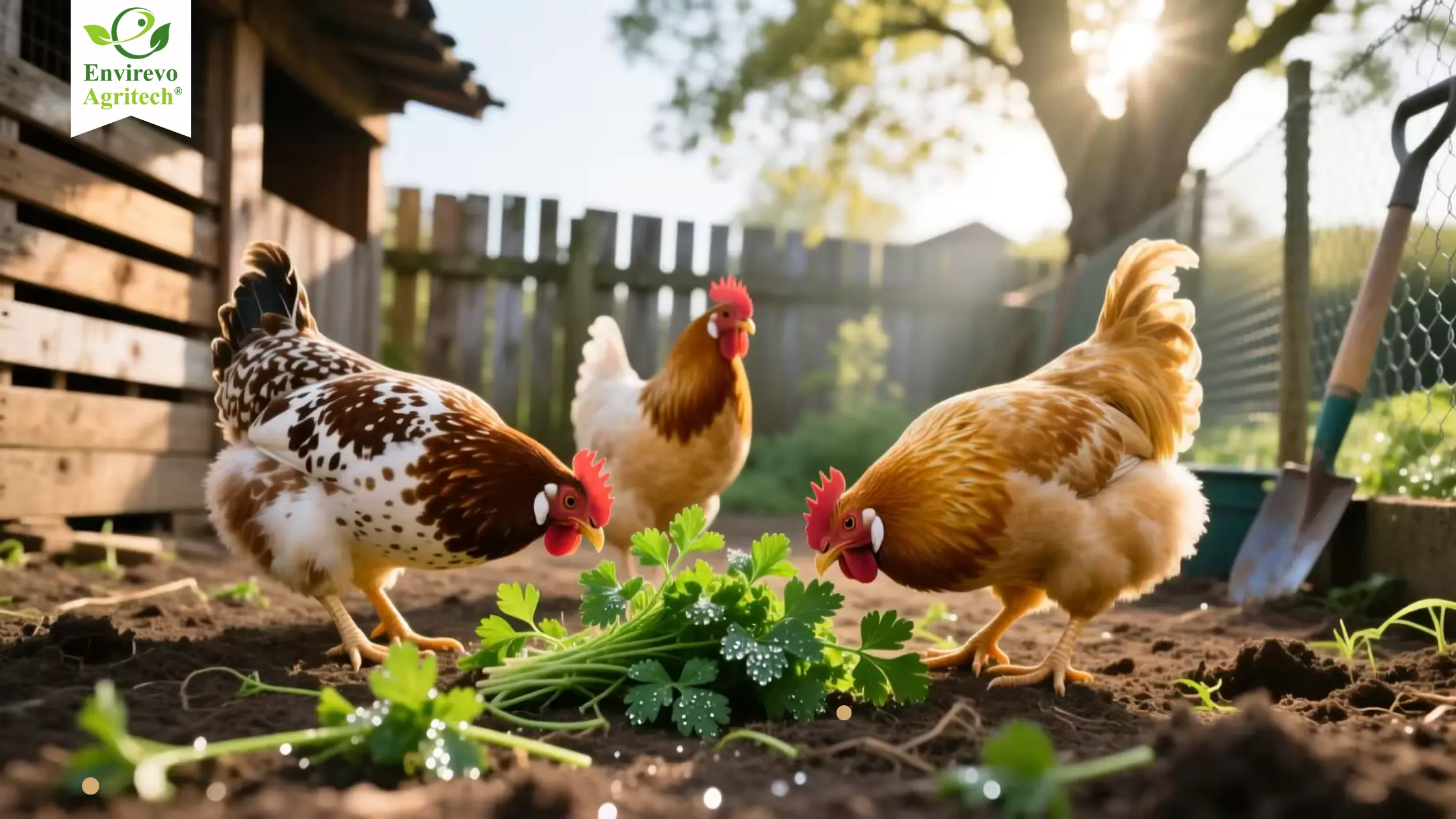
Yes—chickens can safely eat cilantro. They enjoy the leaves, stems, soft stalks, and even the aromatic seeds (coriander). Cilantro is not only safe but genuinely useful as a nutrient-dense green that supports digestion, immunity, and egg production. Where most people get confused is in how much to offer and how to work it into a balanced feeding routine. Cilantro is not a replacement for commercial feed or a consistent source of protein, but as a supplement, it fits beautifully into a varied diet.
How Much Cilantro Can Chickens Eat?
Even though cilantro is safe, moderation is key. Herbs can’t replace a balanced feed, and offering too many leafy greens can dilute the flock’s nutrient intake.
A simple guideline:
- Adult chickens: A handful of chopped cilantro per 6–8 birds is enough for one session.
- Chicks: Offer tiny amounts only after two weeks of age, and chop it very finely.
You can safely offer cilantro two to three times per week. If your birds free-range and nibble herbs naturally, you don’t need to measure as closely.
9 Plants Your Chickens Can Enjoy
Once you’ve introduced cilantro successfully, it’s worth exploring other safe herbs and plants that support a healthier flock. These eight options are nutrient-rich, easy to grow, and well-loved by chickens.
1. Parsley
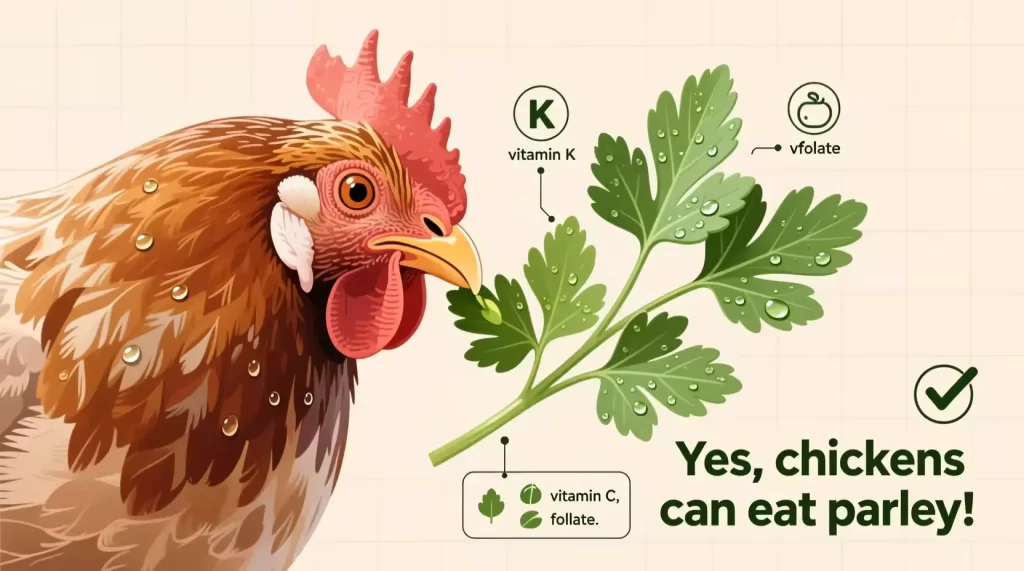
Parsley is one of the most nutrient-dense herbs you can feed your flock. Parsley is richer in micronutrients than most common greens. It supports strong egg production, improves circulation, and helps maintain healthy bone development. It provides vitamin A, C, K, folate, iron, and antioxidants. Many backyard keepers prefer parsley as a natural tonic herb.
- How to feed it: Chop it finely or hang whole sprigs. It blends well with mash and fermented feed.
- Tip: Avoid very large amounts during breeding season because parsley may influence egg formation if fed excessively.
2. Mint
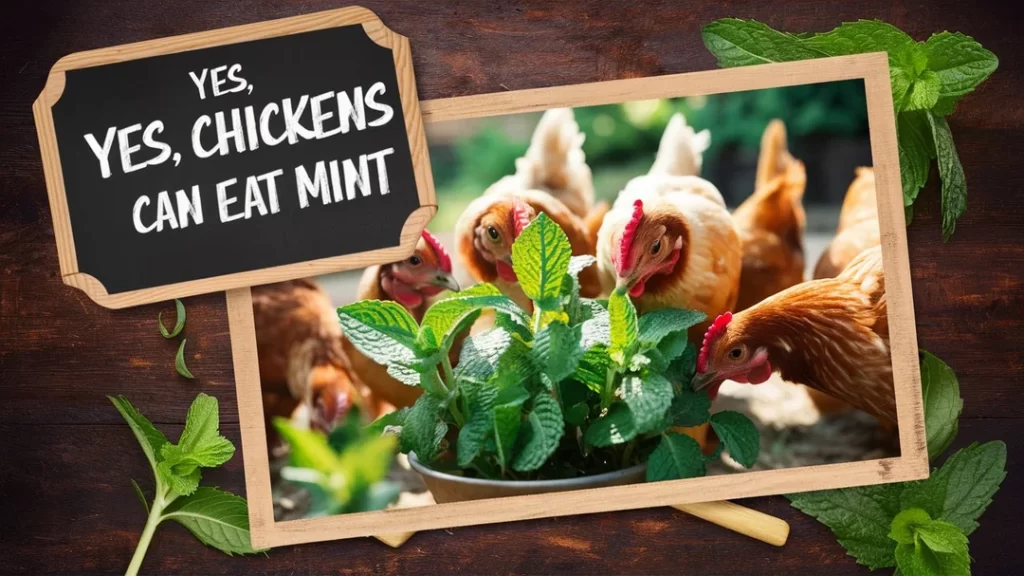
Mint has cooling properties that help chickens stay comfortable during hot weather. It also supports digestion and reduces odors inside the coop.
- Benefits:
- Natural breath freshener
- Soothes digestive discomfort
- Repels some insects when grown near the run
- Serving idea: Mix fresh mint into drinking water for a gentle flavor and cooling sensation. Just avoid giving wilted leaves from moldy soil.
3. Basil
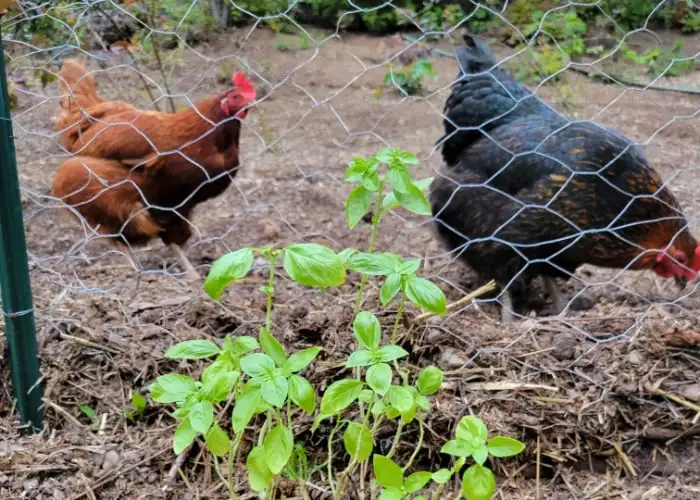
Basil is soft, aromatic, and packed with antioxidants. It may support immune health, especially during seasonal changes when birds experience stress. Many flock owners rely on basil as a natural immune booster.
- Why chickens love it: It’s soft, tender, and aromatic. Birds enjoy both the leaves and the tender stems. Safe in all forms.
- Safety: Do not feed wilted basil from humid storage.
- Growing advantage: Basil grows abundantly in warm climates and can be harvested many times through the season.
4. Oregano
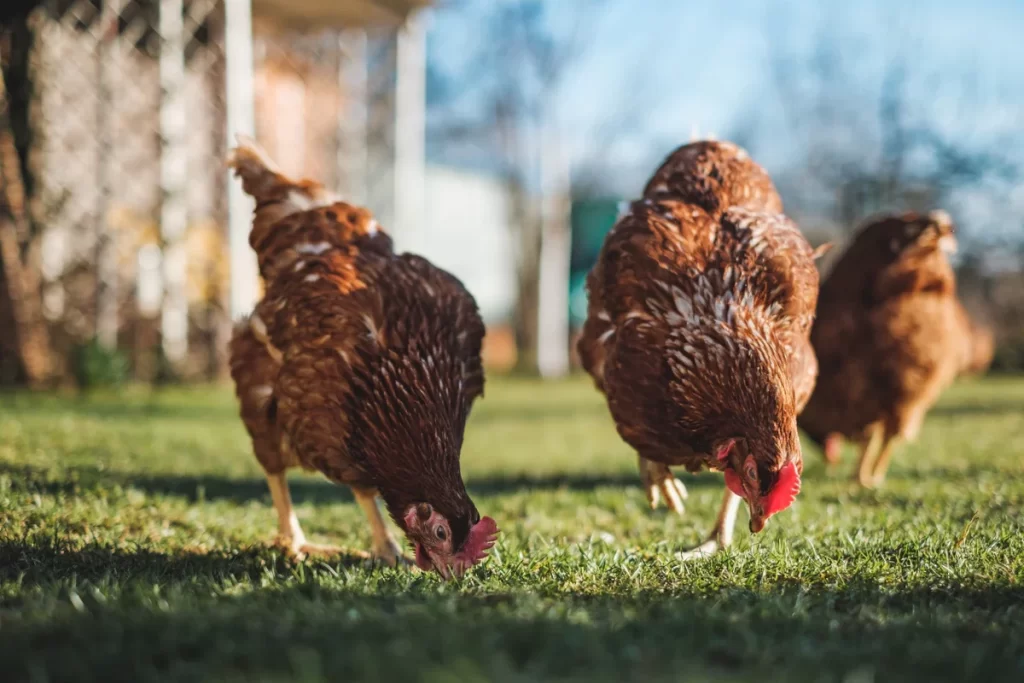
Oregano is the most respected herb in the poultry community. Many commercial poultry farms use oregano extracts to support flock immunity.
- Potential benefits:
- Supports digestive health
- Encourages strong immune function
- Provides antioxidants
- May reduce stress-related illness
- Safety: Very safe. Oregano is potent, so small amounts provide plenty of benefit.
Fresh oregano is softer and more palatable than dried flakes, but both forms are safe.
5. Lettuce (Romaine, Green Leaf, Red Leaf)
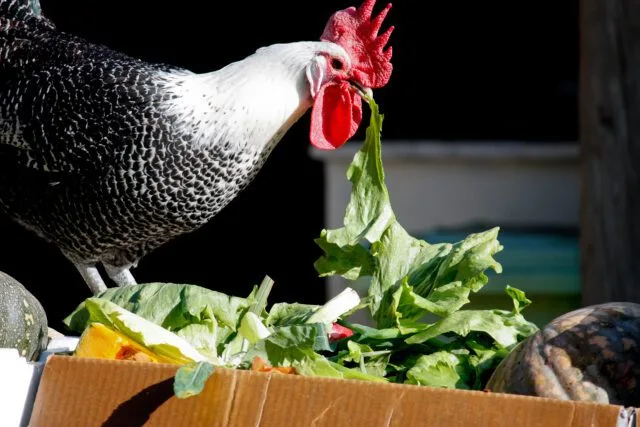
Lettuce is a hydrating, low-calorie treat. Chickens enjoy pecking at large leaves and crisp texture.
- Important note: Avoid iceberg lettuce because it contains very little nutrition and too much water. Leafy varieties are better choices.
- Serving tip: Tie a few romaine leaves to a coop wall to create a hanging treat. Offer during hot afternoons as a cooling snack.
6. Spinach
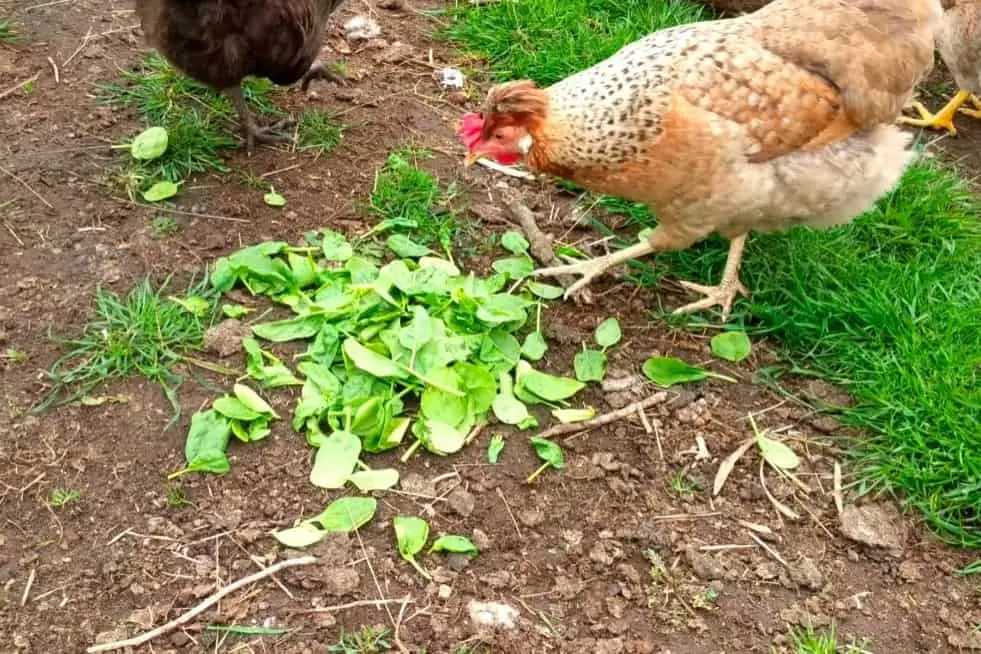
Spinach is nutrient-dense and rich in vitamins A and C. However, it contains oxalic acid, which can tie up calcium.
- Feeding Tips:
- Serve in small portions for variety.
- Combine with calcium-rich feed (layer pellets) to balance oxalic acid.
- Great mixed into warm mash on cold mornings.
- How to use it safely: Feed spinach only once or twice a week, and combine it with calcium-rich feed. Avoid giving spinach to hens that are already laying soft-shelled eggs.
7. Kale
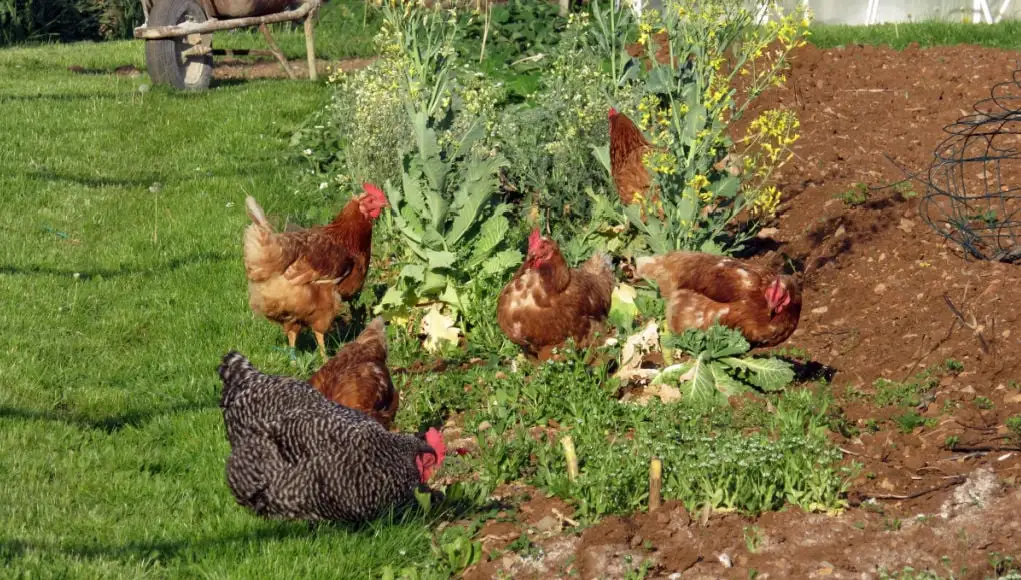
Kale handles all seasons well and remains one of the healthiest greens you can offer.
- Benefits:
- High in vitamin K, A, and antioxidants
- Improves overall vitality and feather quality
- Excellent winter green
- Safety: Completely safe. Too much at once can be difficult to digest, so mix with other greens.
8. Dandelion Greens
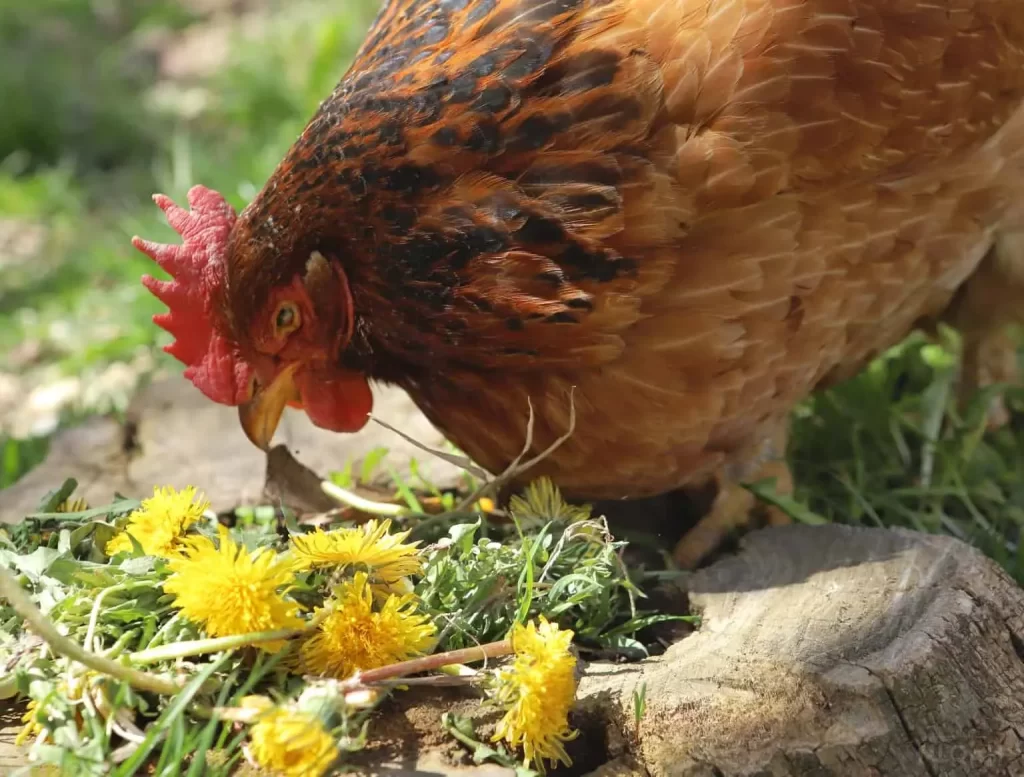
Now that we have answered the question, can chickens eat cilantro? Can they eat Dandelions? Dandelions are natural, abundant, and highly nutritious. Chickens naturally forage for them when free-ranging.
- Why they’re valuable:
- High in calcium and iron
- Support liver function
- Stimulate healthy digestion
- Safety: Safe in all parts. Avoid roadside dandelions exposed to pollutants.
9. Broccoli Leaves & Stems
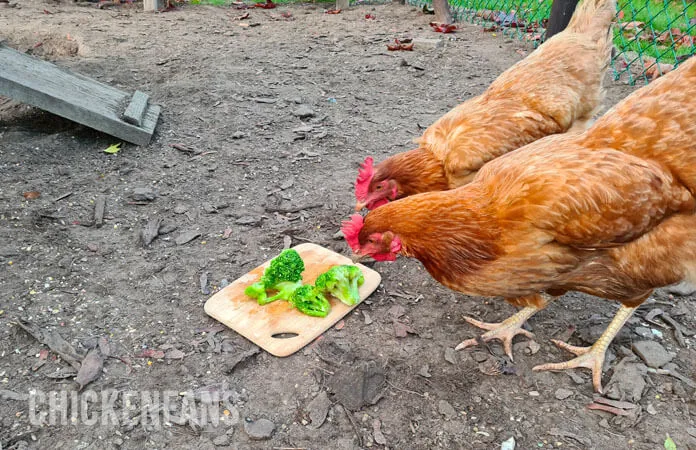
Broccoli Leaves & Stems are a healthy and nutritious treat for them. Both parts are safe for chickens, so you can feed them the entire plant, not just the florets. It contains Vitamin C, Vitamin A, Calcium, Sulforaphane.
- Feeding tips: Offer raw florets or steamed stems. Broccoli leaves are especially beneficial.
- Safety: Limit large quantities to avoid gas buildup.
Plants Chickens Should Avoid
While many greens are safe, a few common plants are dangerous. This section helps readers avoid accidental poisoning or digestive problems.
Toxic plants to keep away from your flock
- Avocado (especially skins and pits)
- Raw or undercooked beans
- Green potato skins
- Rhubarb leaves
- Onion in large amounts
- Foxglove
- Oleander
- Nightshade plants
- Chocolate, caffeine, and alcohol
Many of these contain compounds that disrupt the nervous system or heart function. Make sure these plants are kept out of the coop and run.
Final Thoughts
So, can chickens eat cilantro? Absolutely. It’s a safe, refreshing herb with several nutritional benefits. When offered in moderation, cilantro supports digestive health, boosts immunity, and enriches your flock’s diet. The real advantage, though, comes from expanding beyond cilantro into other safe plants that give your chickens a well-rounded nutritional profile.
Parsley, mint, basil, oregano, lettuce, spinach, kale, and dandelion greens all fit easily into a chicken-friendly environment. Growing them yourself keeps everything fresh, affordable, and free from chemical residues. When you pair balanced feed with a sensible herb rotation, your flock becomes more vibrant, active, and productive—and you enjoy a cleaner, more dynamic homestead ecosystem.
Frequently Asked Questions
Can chicks eat cilantro?
Yes, but only small amounts and always finely chopped. Offer after two weeks of age.
Can chickens eat cilantro stems and roots?
Yes. The stems are soft enough for adult chickens. Roots are safe but less commonly offered.
Does cilantro change the taste of eggs?
Not in any noticeable way. Feeding herbs may slightly influence aroma, but cilantro does not usually create off-flavors.
Can chickens eat dried cilantro?
Yes, but dried herbs are less nutritious. Fresh herbs offer more moisture and micronutrients.