Table of Contents
Yarrow is a plant that has played a role in human history for thousands of years. Ancient warriors used it to treat their wounds on battlefields. Today, modern herbalists mix it into calming teas. This simple wildflower has earned a reputation for being both useful and powerful. With its feathery leaves and clusters of tiny white flowers, yarrow is more than just a pretty plant; it is a versatile herb with a long history of healing.
In this article, we will discover what yarrow is. We will examine its cultural importance, look closely at the science behind its health effects, and provide a practical guide to understanding the benefits of yarrow for the mind, body, and more.
What Is Yarrow?
Scientifically known as Achillea millefolium, yarrow is a hardy perennial herb from the Asteraceae family. This family includes daisies and sunflowers. Yarrow grows abundantly across the Northern Hemisphere. You can find it in meadows, grasslands, roadsides, and gardens, where it naturalizes easily. Its common names [1]—soldier’s woundwort, milfoil, nosebleed plant, old man’s pepper—reflect its long history with healing, especially related to wounds and blood.
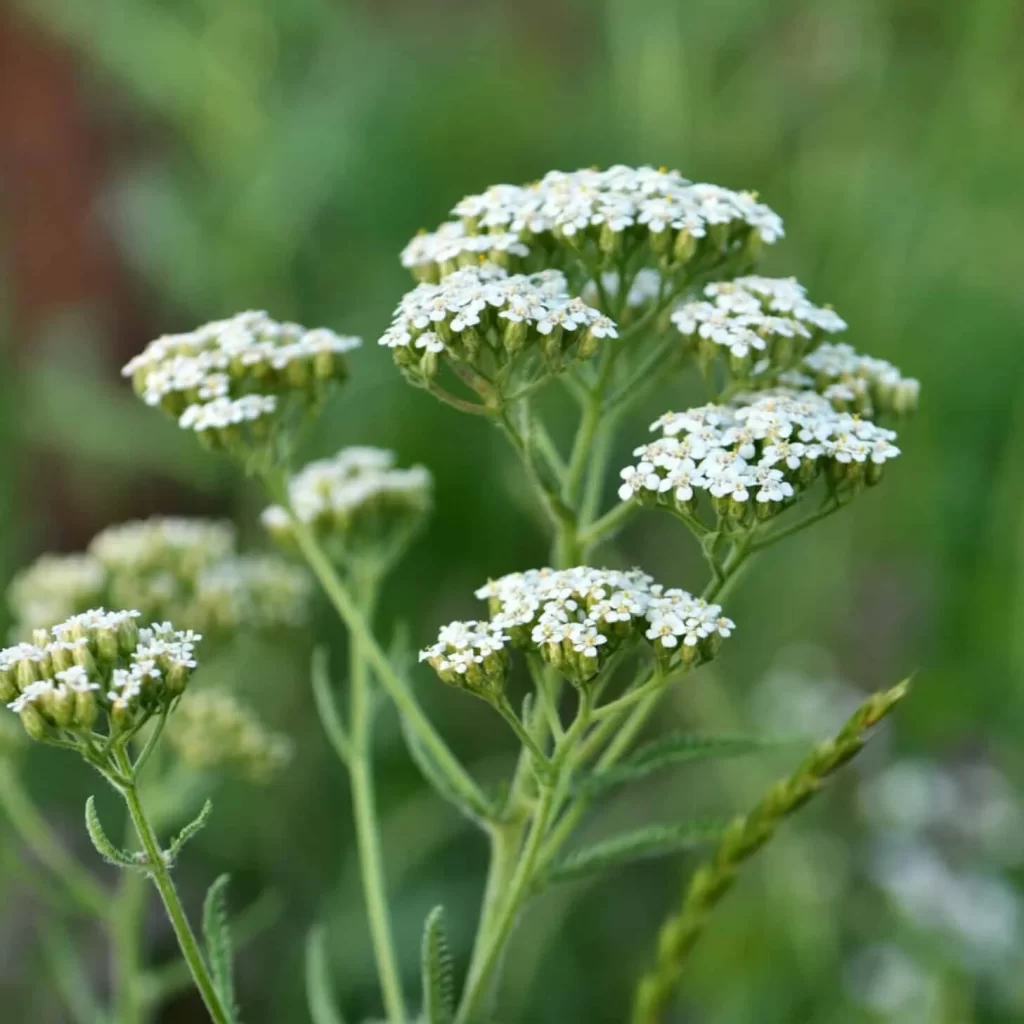
The name “Achillea” is believed to originate from the Greek hero Achilles, who reportedly used yarrow to treat the wounds of his soldiers. Its finely divided leaves look like a delicate fern, while its flowers bloom in dense clusters, usually white but sometimes tinged with pink or yellow. Beyond its beauty, yarrow is full of bioactive compounds, which give it a wide range of medicinal properties.
Traditional Wisdom and Cultural Uses
Yarrow has been used for thousands of years across different cultures and continents:
- Ancient Greece: According to legend, Achilles used yarrow to stop bleeding. Soldiers relied on it during battles, earning nicknames like “herbal first aid.”
- Native American medicine: Various tribes made yarrow tea to reduce fever, relieve toothaches, and treat colds. They also chewed it for stomach aches and applied it externally for wounds.
- Medieval Europe: Monasteries and folk medicine valued yarrow for digestive issues, wound healing, and as a protective charm. It was even used to flavor beer before hops became common.
- Folk traditions: In some cultures, yarrow was used in divination or love rituals. People tossed its stems to uncover answers about the future.
This mix of folklore and practical use shows why yarrow has stayed a respected plant in herbal traditions around the world.
Nutritional and Phytochemical Profile
What makes yarrow effective is not a single compound, but a cocktail of plant chemicals working together.
- Flavonoids like apigenin and luteolin act as antioxidants and anti-inflammatories.
- Alkaloids, especially achilleine, are known for their blood-clotting effects.
- Tannins contribute to astringent and antimicrobial actions.
- Volatile oils, including cineole, chamazulene, and borneol, provide antimicrobial and soothing qualities.
- Vitamins and minerals, particularly vitamin C, potassium, and magnesium, support immune and metabolic health.
This synergy of nutrients explains why yarrow can influence so many systems—from the skin to digestion, immunity, and circulation.
9 Amazing Benefits Of Yarrow
Yarrow is not just a single-purpose herb; it addresses multiple areas of health and wellness. Below are the most studied and traditionally recognized yarrow benefits, explained in detail.

1. Yarrow Benefits for Wound Healing and Bleeding
Perhaps the most famous benefit of yarrow is its ability to stop bleeding. The alkaloid achilleine is believed to accelerate clotting, while tannins create an astringent effect that contracts tissue. Historically, soldiers carried yarrow into battlefields to quickly treat injuries[2]—hence names like “soldier’s woundwort.”
Modern research supports this traditional wisdom. In one study, an ointment combining yarrow with St. John’s Wort improved wound healing after childbirth. Beyond stopping blood flow, its antimicrobial properties also reduce infection risk, making it useful in cuts, scrapes, and minor burns. Herbalists often recommend yarrow poultices or salves as a natural first-aid remedy.
2. Yarrow Benefits for Digestive Health
Another major role of yarrow is in digestion. Its bitter compounds stimulate bile flow, improving fat metabolism and supporting the liver. Yarrow tea has long been used to relieve bloating, cramps, indigestion, and loss of appetite. [3]
Animal studies suggest yarrow can protect against stomach ulcers by reducing oxidative stress and increasing mucus production in the stomach lining. For those with irritable bowel symptoms, yarrow may help reduce spasms thanks to its antispasmodic flavonoids. A warm cup of yarrow tea after a heavy meal is still a simple, effective tradition for easing discomfort.
3. Yarrow Benefits for Inflammation, Liver, and Brain
Inflammation lies at the root of many chronic diseases, and yarrow’s anti-inflammatory properties extend across different systems. Its compounds, like azulene and chamazulene, are similar to those found in chamomile, giving it both calming and soothing qualities.
Interestingly, early research suggests yarrow may benefit the brain and nervous system. Animal studies show protective effects in conditions like Alzheimer’s, multiple sclerosis, and stroke recovery. While human trials are limited, this hints at yarrow’s potential beyond traditional uses, possibly as a neuroprotective herb. Its liver-supportive effects are also notable, with evidence pointing to its role in detoxification and protecting the liver from oxidative stress.
4. Yarrow Benefits for Blood Sugar and Metabolism
A lesser-known benefit of yarrow is its effect on blood sugar regulation. Some animal studies show improved insulin sensitivity and reduced metabolic stress when yarrow extracts are consumed. Though still early research, it aligns with its traditional role as a metabolic tonic. For people with mild blood sugar fluctuations, incorporating yarrow tea could be supportive, though it should never replace medical treatment for diabetes.
5. Yarrow Benefits for Cold, Flu, Fever, and Immunity
When flu season hits, yarrow has historically been one of the go-to remedies. It’s considered a “diaphoretic,” meaning it promotes sweating, which can help break fevers naturally. Combined with herbs like elderflower and peppermint, yarrow tea is a classic cold and flu blend used by herbalists.
Its antimicrobial compounds support the immune system by fighting off bacteria and viruses. It’s also soothing to sore throats, coughs, and respiratory congestion. This makes yarrow one of those multi-tool herbs you can keep handy during winter months.
6. Yarrow Benefits for Skin and Hair
Applied topically, yarrow’s astringent and anti-inflammatory qualities make it a natural skin ally. It helps tone the skin, reduce excess oil, and ease acne breakouts. Traditionally, it was also used to soothe eczema, rashes, and insect bites. For hair, yarrow infusions are used as scalp rinses to reduce dandruff and improve overall scalp health. Its antimicrobial nature keeps the scalp clean, while its nutrient content strengthens hair follicles. Many natural skincare and haircare products today use yarrow extracts for these reasons.
7. Yarrow Benefits for Women’s Reproductive Health
Yarrow has been considered a “woman’s herb” for centuries. It helps regulate menstrual cycles, reduce heavy bleeding, and ease cramps. Its antispasmodic effects relax the uterus, while its astringent qualities reduce excess flow. Herbalists also use it to support menopausal symptoms and PMS. However, because yarrow can stimulate uterine activity, it is not safe for use during pregnancy. Still, when used appropriately, it can be an important herbal ally in women’s health.
8. Yarrow Benefits for Circulation and Heart Health
Yarrow supports circulation by strengthening blood vessels and improving tone in veins. Traditionally, it has been used for varicose veins and hemorrhoids. Some studies suggest it may have mild calcium-channel blocking effects, which could support healthy blood pressure. Its ability to both stop excessive bleeding and promote circulation is what makes yarrow fascinating—it balances rather than pushes the body in one direction. Herbalists often describe yarrow as a “harmonizer” of the blood.
9. Yarrow Benefits for Stress, Sleep, and Mental Health
Yarrow also plays a role in emotional balance. Animal studies indicate that yarrow extracts can reduce anxiety and promote relaxation in ways similar to diazepam, a common anti-anxiety drug. Its flavonoids and alkaloids may calm the nervous system, making it useful for stress relief and insomnia. This makes yarrow not only a physical healer but also a gentle emotional support herb. A cup of yarrow tea before bed, often blended with chamomile, is a soothing ritual for many herbal enthusiasts.
Lesser-Known and Traditional Benefits
Beyond health, yarrow has practical uses:
- Natural insect repellent: Its strong aroma deters mosquitoes and garden pests.
- Companion plant: Yarrow improves soil health, attracts pollinators, and repels harmful insects.
- Culinary uses: Young leaves were historically added to salads or soups, though their strong, bitter taste means they are best used sparingly.
- Folklore: Yarrow stems were used in divination practices in China’s I Ching and in European rituals for love and protection.
- In Ayurveda, yarrow is considered cooling and drying, balancing excess heat in the body and acting as a blood cleanser.
How to Use Yarrow Safely
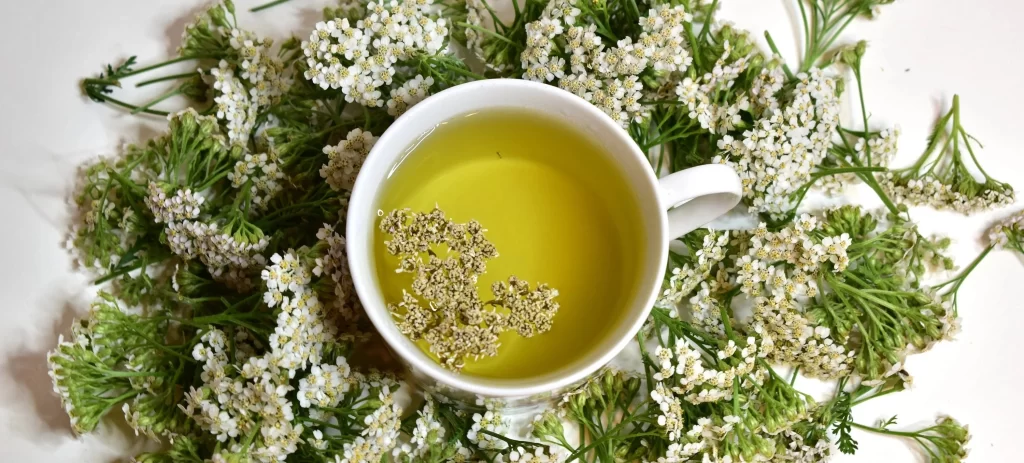
Yarrow is versatile and available in many forms:
- Tea: Made from dried leaves and flowers, often blended with other herbs.
- Tincture: A concentrated extract taken in small drops.
- Capsules: Convenient for daily supplementation.
- Topical preparations: Poultices, salves, and oils for wounds and skin issues.
- Essential oil: Highly concentrated and should be diluted before use.
Dosage guidelines:
- Traditional herbal practice suggests around 4–5 grams of dried herb daily, or 2–4 mL of tincture up to three times per day.
Safety considerations:
- Avoid use during pregnancy or while breastfeeding.
- People allergic to ragweed, daisies, or marigolds may also react to yarrow.
- Yarrow may interact with blood thinners, blood pressure medication, and sedatives.
- Avoid prolonged continuous use—cycles (such as 6 weeks on, 1–2 weeks off) are often recommended.
Yarrow has stood the test of time because of its remarkable versatility. From wound healing to digestion, women’s health, immunity, and even stress relief, the list of yarrow benefits is both long and well-documented. What makes yarrow unique is its balance—it doesn’t force the body but supports it, whether that’s calming the nervous system, soothing inflammation, or restoring circulation. With safe and informed use, yarrow can be a valuable addition to natural wellness routines.
This ancient herb, once carried by warriors into battle, now has a place in modern households as a gentle yet powerful healer. If you’ve ever wondered whether one humble plant could really make a difference, yarrow proves that the answer is yes.
FAQs About Yarrow Benefits
Can I drink yarrow tea daily?
Yes, but moderation is key. It’s best to take breaks to prevent overuse.
Does yarrow help with blood pressure?
Some evidence suggests it may, thanks to its circulatory support, but more studies are needed.
What does yarrow tea taste like?
It’s bitter, slightly aromatic, and earthy. Many prefer it blended with sweeter herbs.
How long until I notice benefits?
Topical effects can be quick, such as wound healing. Internal effects like digestion and circulation may take weeks of consistent use.
Is yarrow good for eczema?
Yes, yarrow can help with eczema. Its anti-inflammatory and wound-healing properties may soothe irritation, reduce redness, and support skin repair when applied topically.
Is yarrow good for your liver?
Yes, yarrow may support liver health. Studies suggest it can improve bile flow, aid detoxification, and protect the liver with its antioxidant compounds, though more human research is needed.
What does yarrow do to the skin?
Yarrow helps the skin by promoting wound healing, reducing inflammation, and tightening tissues. It’s often used in skincare for cuts, rashes, acne, and improving overall skin tone