Table of Contents
As water scarcity and food security become global concerns, many growers are turning to soil-free cultivation methods like hydroponics and aquaponics. These systems promise sustainable crop production with higher yields and lower resource consumption. But when it comes down to choosing between hydroponics and aquaponics, the key questions often boil down to: Which one saves more water? And more importantly for your bottom line, which one saves more money?
In this comprehensive guide, we’ll explore the ins and outs of both systems, compare their water and cost efficiency, and help you determine which method suits your goals, budget, and sustainability values.
What Is Hydroponics?
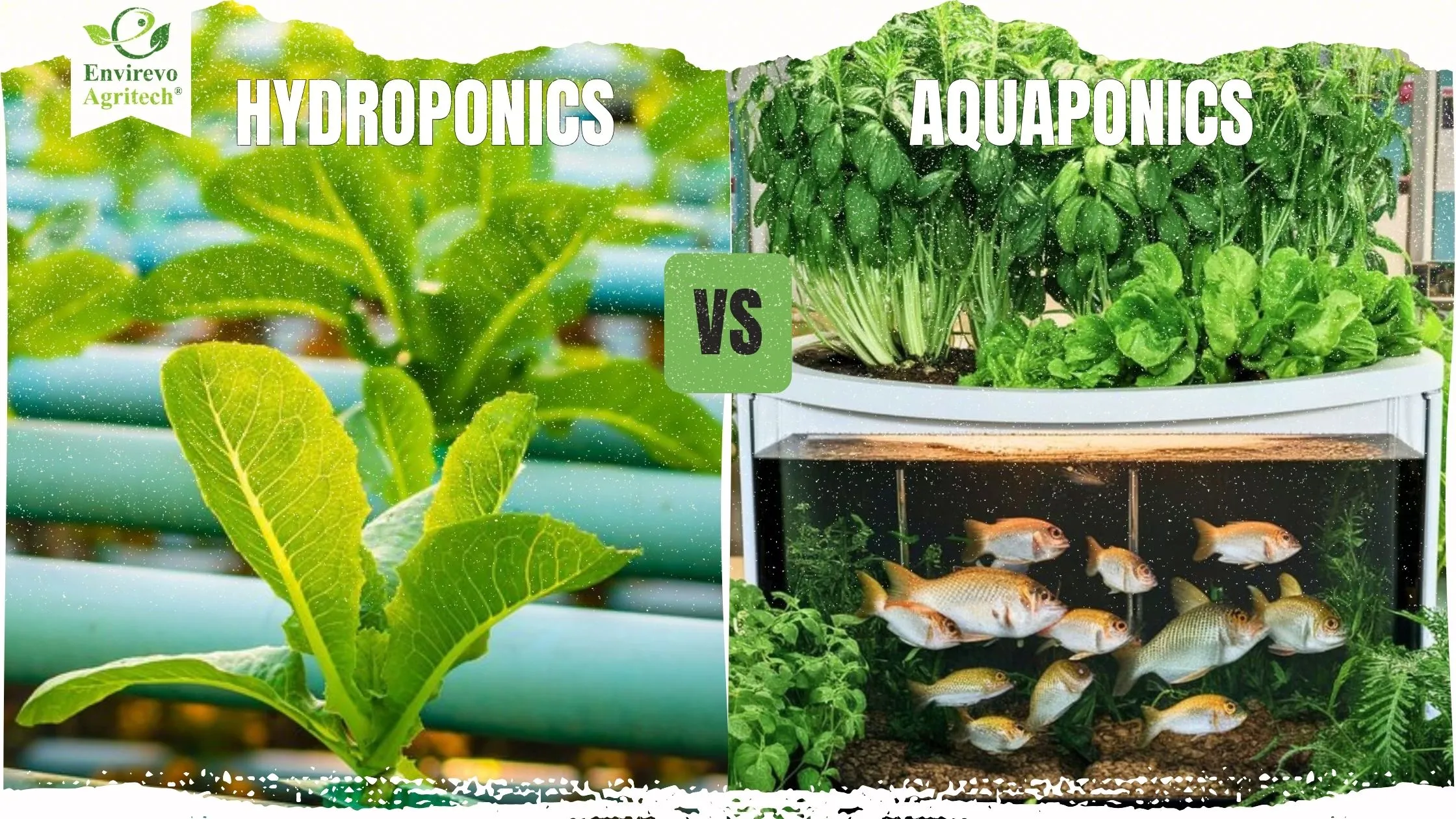
Hydroponics is a soilless farming method where plants grow in a nutrient-rich water solution. By eliminating soil, growers can precisely control pH, nutrients, and oxygen levels, promoting faster plant growth and higher yields.
There are various hydroponic systems, including:
- Nutrient Film Technique (NFT): A thin film of nutrient solution flows over the roots.
- Deep Water Culture (DWC): Plant roots are suspended in oxygenated nutrient water.
- Ebb and Flow: Water floods the grow bed periodically, then drains.
- Wick and Drip Systems: Passive or active delivery of nutrients to plant roots.
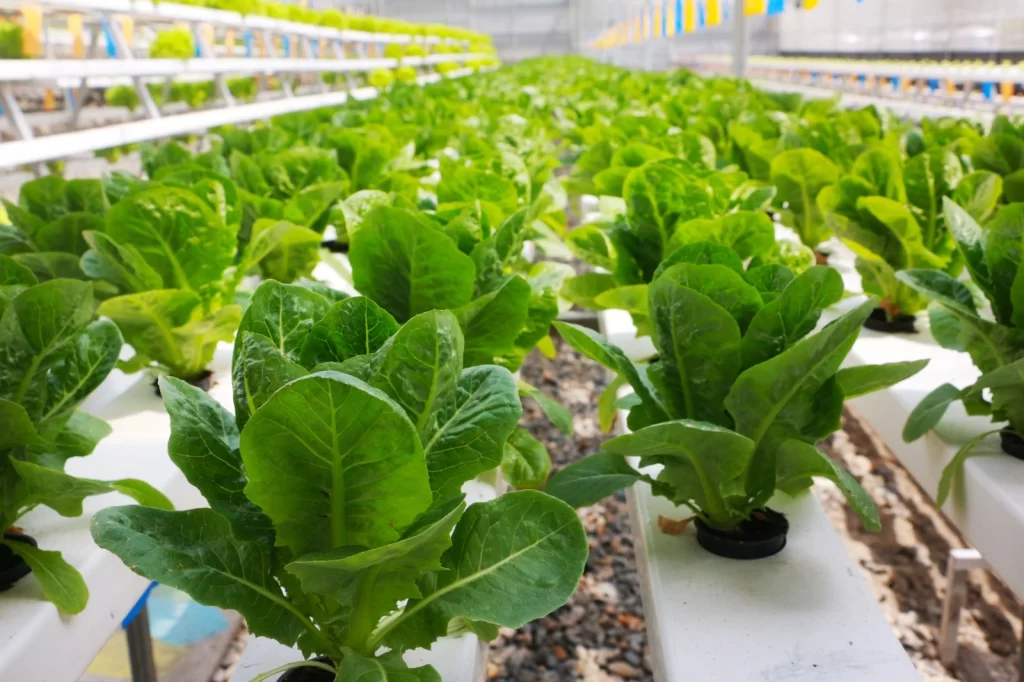
Hydroponics is popular in commercial greenhouses and urban vertical farms due to its scalability and predictable yields.
What Is Aquaponics?
Aquaponics is a hybrid system that combines hydroponics with aquaculture (fish farming). It creates a closed-loop ecosystem where fish waste provides natural nutrients for plants, and the plants, in turn, filter the water before it returns to the fish tank.
Key components of an aquaponic system include:
- Fish tank: Where fish like tilapia, catfish, or koi are raised.
- Biofilter: Converts fish waste (ammonia) into usable nitrates for plants.
- Grow bed: Houses the plants, typically in media like clay pellets or floating rafts.
- Sump tank/pump system: Ensures continuous water flow.
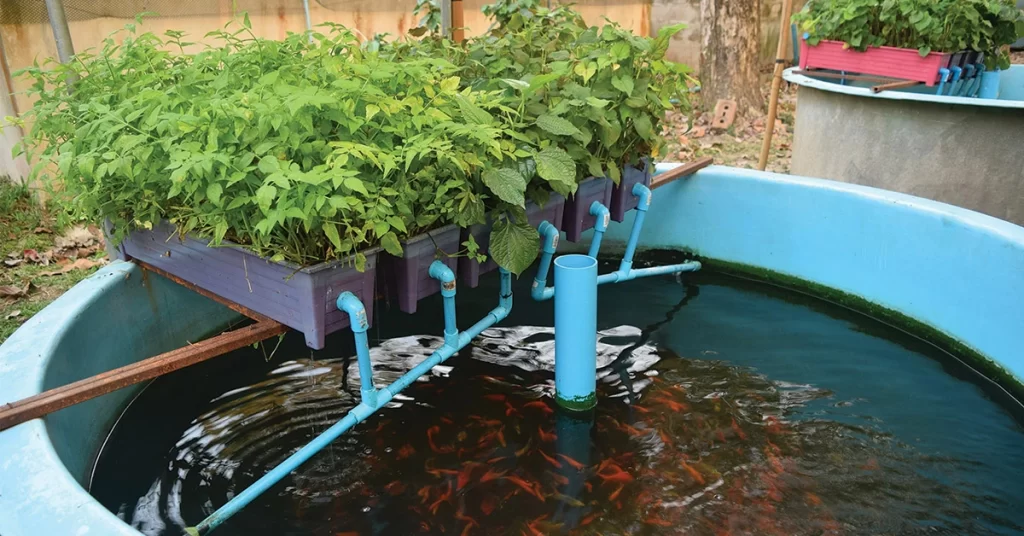
Aquaponics is ideal for growers seeking a sustainable, low-waste system that mimics nature’s balance. However, it’s more complex and requires careful monitoring of both plant and aquatic life.
Side-by-Side Comparison: Hydroponics vs Aquaponics
| Feature | Hydroponics | Aquaponics |
| Initial Setup Cost | Moderate to High | High |
| Water Usage | Low | Even Lower |
| Ongoing Costs | Nutrients + electricity | Fish feed + electricity |
| Maintenance Complexity | Moderate | High |
| Learning Curve | Easy to Moderate | Steep |
| Crop Yield Potential | High | High |
| Sustainability | Medium | High |
| Crop Variety | Broad | Limited (leafy greens best) |
| Time to Harvest | Fast | Moderate |
This table sets the stage for deeper discussions on water and financial savings. Let’s break down each aspect.
Water Usage: Which System Saves More?
Both hydroponics and aquaponics use dramatically less water than traditional soil farming. However, aquaponics typically has the edge in total water conservation.
In hydroponics, water is recirculated, and losses mainly occur through evaporation and transpiration. The closed-loop design drastically cuts down water usage—often using up to 90% less water than soil-based agriculture. Still, hydroponic systems need periodic flushing and replenishment due to salt buildup from synthetic nutrients.
Aquaponics takes water efficiency further. Since nutrients come from fish waste rather than chemical salts, the water stays biologically active and usable for longer periods. Aquaponic systems require minimal flushing, and when water is added, it’s usually only to compensate for evaporation. Plus, aquaponics eliminates the need for dumping unused nutrient solutions.
In one study by the University of Hawaii, aquaponic systems used 10-20% less water than hydroponics, mainly because nutrient solutions didn’t need regular replacement. Furthermore, aquaponics offers the advantage of dual productivity—water supports both plant growth and fish farming, making its usage even more efficient.
Winner: Aquaponics for long-term water conservation.
Cost Breakdown: Which One Saves More Money?
Initial Investment
Hydroponics can be relatively affordable for beginners. Basic DIY setups like Kratky or small NFT systems cost a few hundred dollars. Larger operations with automation, LED grow lights, and climate controls can cost several thousand dollars.
Aquaponics, on the other hand, has a steeper entry cost. You need to invest in:
- Fish tanks
- Biofilters
- Water heaters and aerators
- Testing equipment for pH, ammonia, nitrates, and nitrites
- Fish stock and ongoing feed supplies
A basic backyard aquaponic system may start at $1,000–$2,000, but commercial-scale systems can exceed $10,000. While these costs are significant, aquaponics includes fish as a second product, which can diversify income.
Setup Cost Winner: Hydroponics for affordability and lower complexity.
Operating Costs
Hydroponics requires constant monitoring of nutrient solution levels, pH, and EC (electrical conductivity). The recurring expenses include:
- Synthetic or organic nutrient mixes
- Water and power (especially for climate-controlled environments)
- Equipment repairs or replacements (pumps, timers, grow lights)
Aquaponics, while eliminating the need for costly nutrients, introduces new ongoing expenses:
- Fish feed (high-quality, protein-rich feed isn’t cheap)
- More frequent water testing for fish health
- Potential losses due to fish disease or imbalance in biofilters
Additionally, aquaponic systems are more sensitive to environmental changes. Temperature fluctuations, low oxygen levels, or poor water quality can affect both fish and plants, sometimes resulting in dual losses.
Operating Cost Winner: Hydroponics for predictable and manageable expenses
Yield and Profitability
Both systems support high-density planting and faster harvest cycles compared to traditional farming. Hydroponics allows growers to achieve high yields in small spaces and offers flexibility to grow a wide variety of crops, including:
- Leafy greens (lettuce, kale, spinach)
- Herbs (basil, mint, oregano)
- Fruit-bearing crops (tomatoes, strawberries, cucumbers)
Aquaponics yields are comparable, especially for leafy greens and herbs. However, it’s less suited for fruiting plants due to their high nutrient demands. But aquaponics includes an additional revenue stream—the fish.
Fish like tilapia, trout, or catfish can be harvested and sold for profit, giving aquaponic systems a unique edge in long-term profitability if managed well. This dual-output system increases economic resilience and ROI over time.
Profitability Winner: Tie – Hydroponics for single-output efficiency, aquaponics for multi-output sustainability.
Maintenance and Learning Curve
Hydroponic systems are often easier to learn and maintain. Once you understand how to balance nutrients, pH, and light exposure, the system becomes fairly self-sufficient. For small-scale growers, a basic system can run with minimal intervention beyond weekly checks.
Aquaponics requires a deeper understanding of biological systems. You must monitor:
- Ammonia, nitrite, and nitrate levels
- Dissolved oxygen for fish
- Water temperature stability
- Fish health and feeding schedules
Any imbalance can affect the entire ecosystem. For example, if fish fall sick and die, your plants lose their primary nutrient source. This adds complexity to system management, and many aquaponic operators need formal training or hands-on experience to run systems successfully.
Ease of Use Winner: Hydroponics for simplicity and scalability.
Environmental Impact and Sustainability
Hydroponics, though efficient, relies on manufactured nutrient salts, often derived from non-renewable sources. The disposal of spent nutrient solutions can also pose environmental hazards if not handled properly.
Aquaponics, by contrast, exemplifies circular farming. It:
- Eliminates chemical fertilizers
- Reduces nutrient runoff
- Converts waste into usable plant food
- Produces two sources of food (plants and fish)
Additionally, aquaponics can be run entirely off-grid with solar power and rainwater harvesting, making it highly sustainable. It’s increasingly being adopted in developing countries and urban areas focused on food security and resilience.
Sustainability Winner: Aquaponics
Which System Is Best for You?
Choose Hydroponics If:
- You’re a beginner grower
- You have limited space or capital
- You want fast-growing vegetables with simple maintenance
- You’re focused on maximizing plant yield only
Choose Aquaponics If:
- You want a sustainable, chemical-free system
- You’re interested in farming both plants and fish
- You can invest time in learning and system balancing
- You want to reduce your environmental footprint long-term
Conclusion
Hydroponics and aquaponics are two revolutionary farming systems helping to reshape the future of agriculture. When it comes to water savings, aquaponics takes the lead with its efficient closed-loop system and dual use of water for both fish and plants. In terms of money savings, hydroponics often proves more cost-effective upfront and easier to manage over time.
Ultimately, the right system depends on your goals, available resources, and long-term vision. Whether you’re a home grower aiming to save water or a commercial farmer seeking a profitable green solution, both hydroponics and aquaponics offer powerful alternatives to traditional farming.