Table of Contents
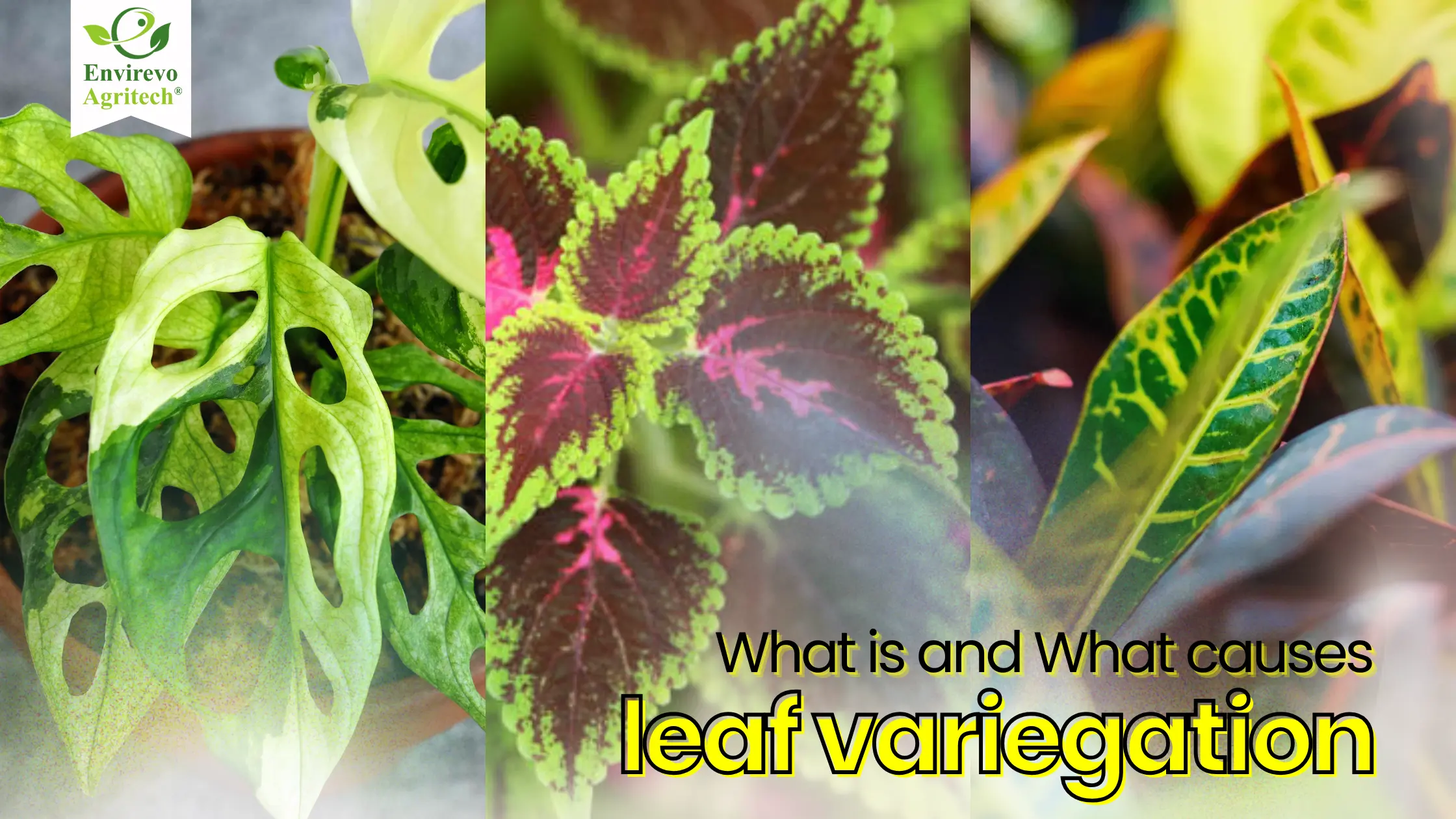
Leaf variegation is one of the most fascinating quirks in the plant world. A single plant can produce leaves streaked with cream, splashes of yellow, speckled marbling, or entire white sections that look almost painted. Gardeners love these plants for their decorative look, but variegation is more than artistry. It’s a biological story about pigments, cell layers, genetics, and even environmental stress.
What Is Leaf Variegation?
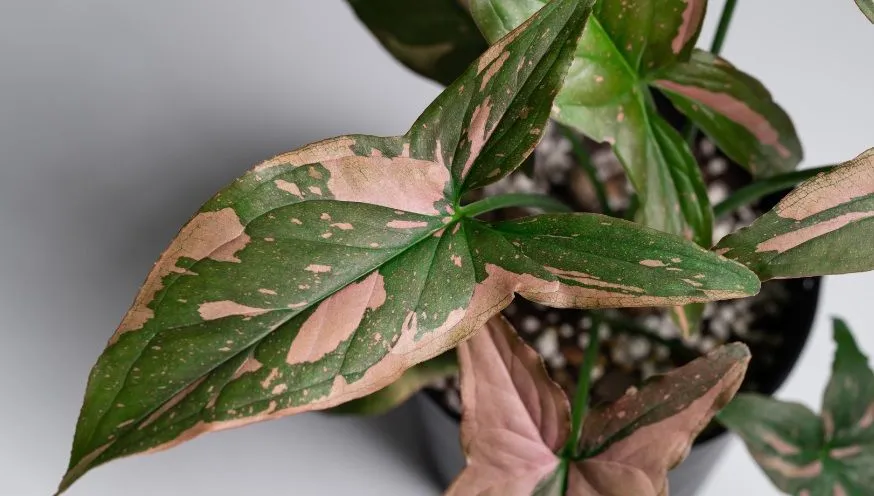
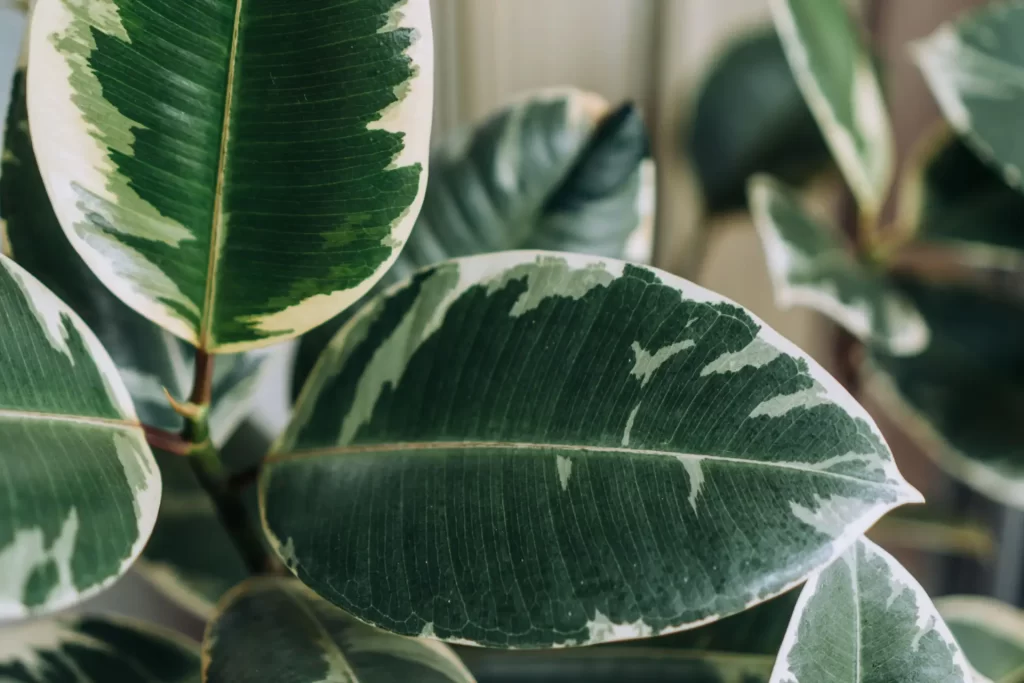
Leaf variegation refers to the appearance of different colors or patterns on a plant’s leaves caused by variations in pigments, cell structure, or genetic expression. Instead of uniform green, the leaf may show white, cream, yellow, pink, or even silver patterns. These patches can appear as spots, marbling, stripes, borders, or full sectors.
At the cellular level, variegation often occurs because some cells contain chlorophyll while others do not. Chlorophyll gives plants their green color and is responsible for photosynthesis. When portions of a leaf lack chlorophyll, those areas appear lighter or completely white. In other cases, variegation comes from different pigments such as anthocyanins, which can create pink or red patches. The patterns look decorative, but they’re rooted in real structural differences. That’s why two leaves from the same plant may never look identical. It occurs on a small scale in nature and does not pose any threat to plants or yields. However, some ornamental and garden plants are naturally variegated, and it is part of their beauty.
Symptoms of Leaf Variegation
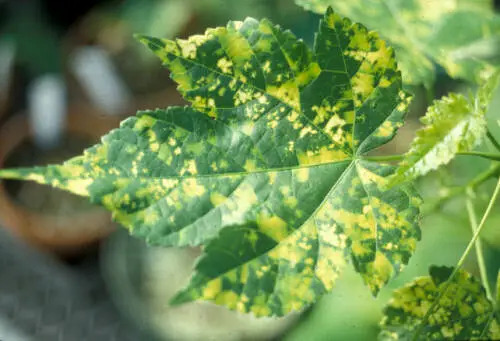
Leaf variegation shows as uneven white to yellow discoloration of portions of leaves and sometimes stems. Tissues with normal green color are adjacent, resulting in a distinct mosaic, patchy or linear pattern. Sometimes venal variegation occurs, that is, the veins are discolored while the rest of the leaf tissue is dark green. If large parts of the plant are affected, the lack of chlorophyll can lead to stunted affect yields. growth. However, in most cases the deficiency only affects a small percentage of a field and does not affect yields.[1]
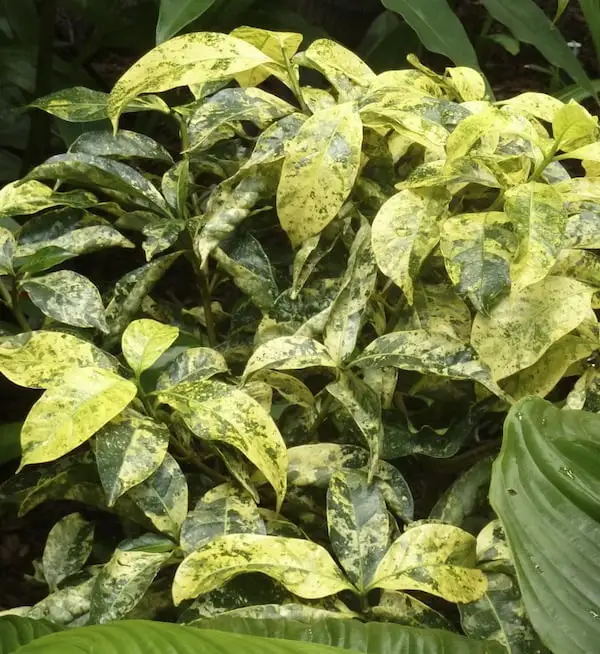
Types of Leaf Variegation in Plants
Pigment-Based Variegation (Chlorophyll-Related)
This is one of the most common forms. Uneven distribution of chlorophyll within the leaf leads to lighter patches. These areas are often white, cream, or yellow.
This type is usually stable and inherited genetically. Plants such as pothos, caladium, and many philodendrons fall into this category. It is also common in variegated trees and shrubs like variegated ficus or variegated euonymus.
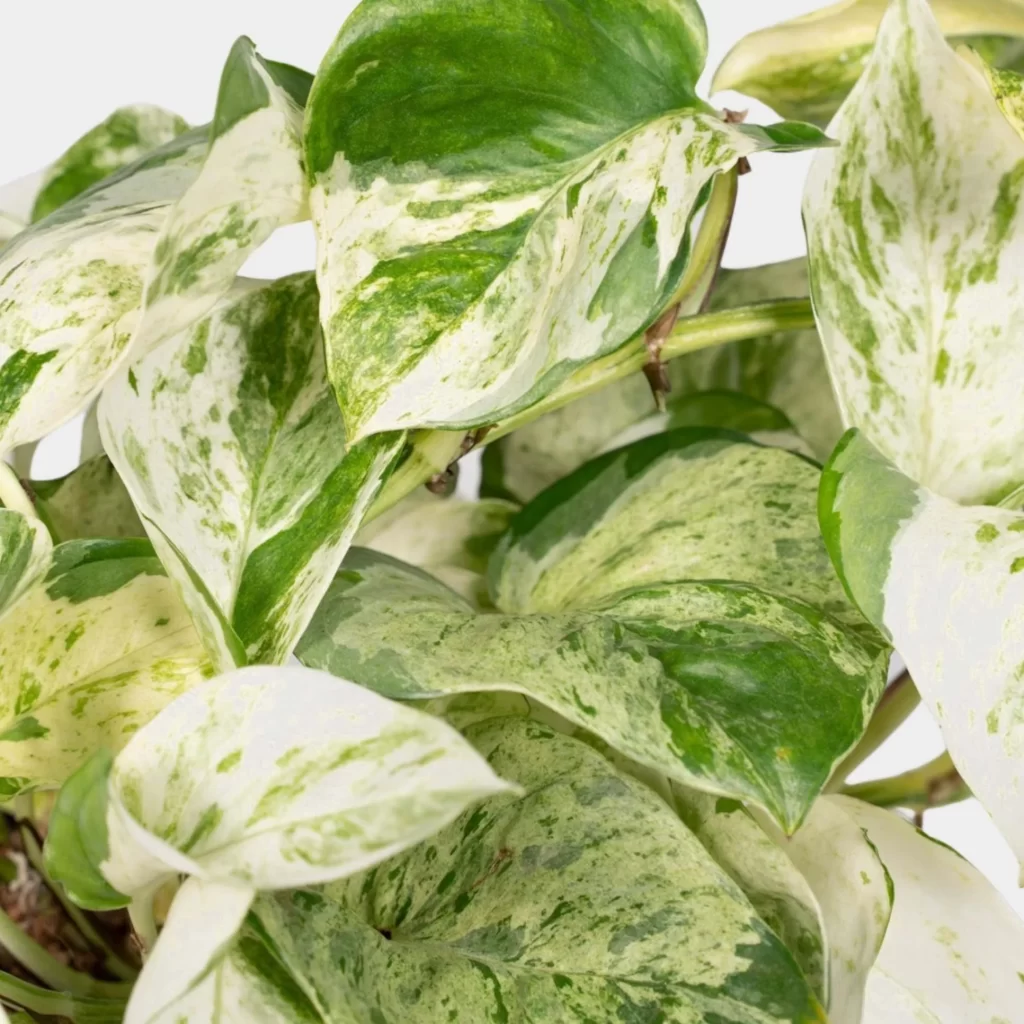
Pattern-Gene or Genetic Variegation
Some plants carry genes that control leaf patterns. These genes influence how pigments develop across the leaf surface.
Genetic variegation is stable because the pattern exists in every cell. Examples include spider plants, variegated sage, and many ornamental grasses. When you propagate these plants, the variegation continues reliably.
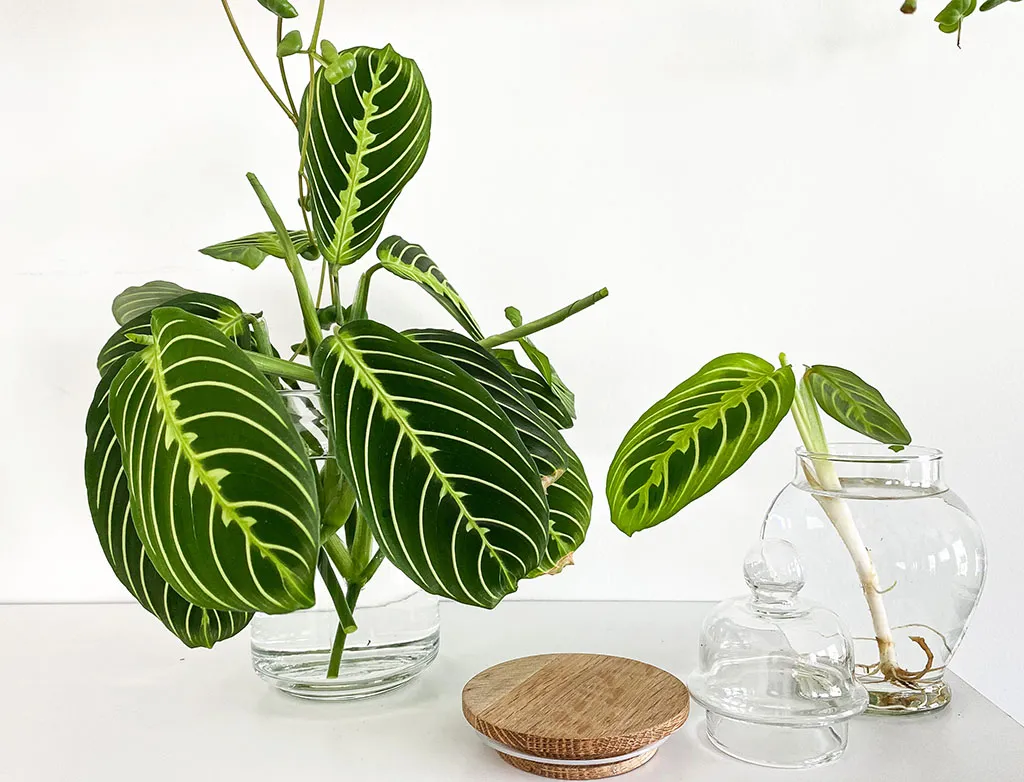
Chimeral Variegation
This is the most prized type among collectors. Chimeras occur when two genetically different tissues grow together within the same plant.
The three main forms are:
- Periclinal chimera – stable and long-lasting; responsible for many commercial variegated cultivars.
- Mericlinal chimera – less stable, usually appearing only on parts of the plant.
- Sectoral chimera – highly unstable; variegation appears in sectors or streaks.
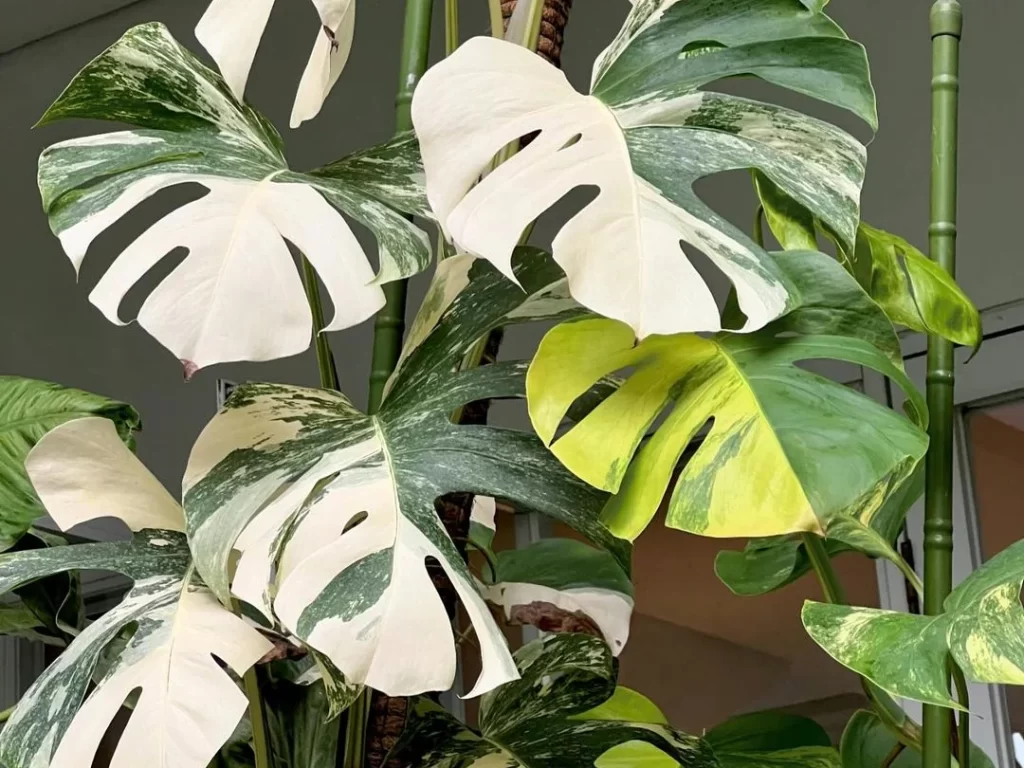
Plants like Monstera deliciosa ‘Albo’, Philodendron White Princess, and variegated rubber plants often show chimeral variegation. These plants can revert because the mutated tissue may stop producing new variegated cells.
Viral Variegation
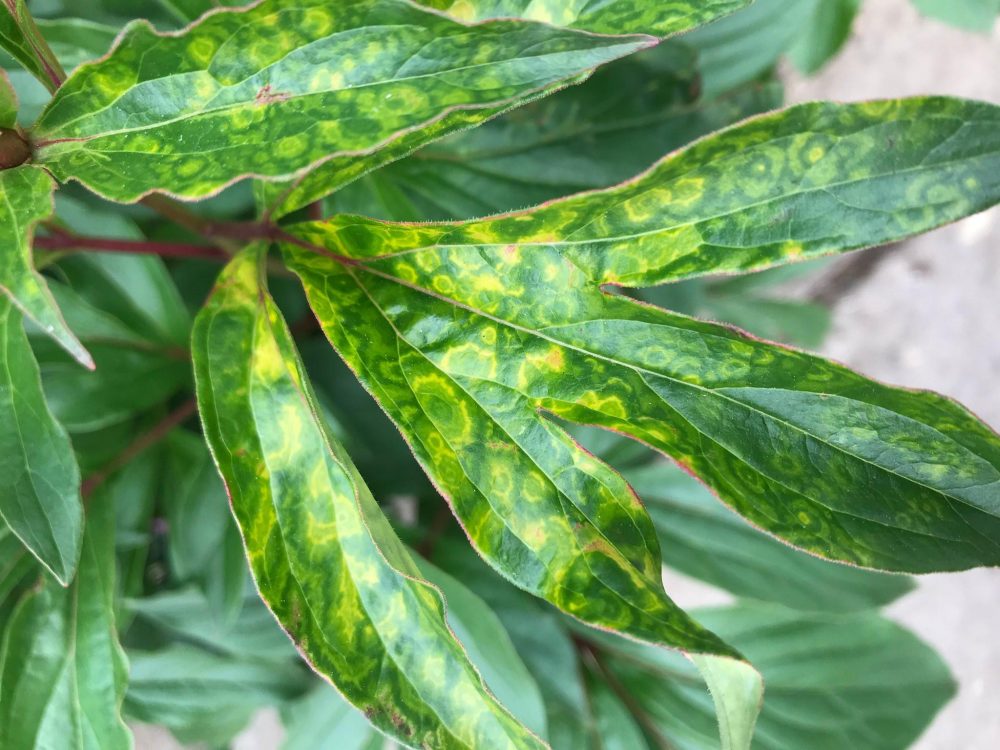
Some variegation comes from plant viruses, such as mosaic viruses. These create streaks or mottled patterns that may look attractive but signal an infection.
Viral variegation is not desirable for gardeners or farmers, as it weakens plants and can spread. Unlike genetic variegation, the patterns are inconsistent and often accompanied by stunted growth.
Environmental or Temporary Variegation
Environmental conditions such as extreme light, cold temperatures, or nutrient stress can affect pigment production.
For example, certain succulents turn variegated or adopt pink tints in intense sunlight. Other plants may develop pale streaks when exposed to cold.
This type of variegation is temporary. Once conditions return to normal, the plant usually regains its typical coloration.
What Causes Variegation in Plants?
Leaf variegation does not have a single cause. Multiple biological and environmental factors come together to create the patterns we see. Below are the most common triggers.
1. Genetic Mutations
Many variegated plants originate from a spontaneous mutation in a single cell. If that cell continues dividing, it creates a variegated sector.
These mutations can happen naturally in the wild or through selective breeding. Some mutations are stable and become permanent features of the plant. Others revert if the plant prioritizes green, chlorophyll-rich growth for energy. Genetic mutations are the foundation for many commercial variegated cultivars that you see in nurseries.
2. Cell Layer Mutations (Chimeras)
Chimeral variegation occurs when different genetic tissues form distinct cell layers in the growing tip of the plant. Since these layers divide differently, the variegated patterns often appear in streaks or blocks rather than small speckles. Chimeras are unpredictable. One stem may produce heavily variegated leaves, while another returns entirely green. Growers often propagate specific variegated nodes to retain the desired pattern.
3. Lack of Chlorophyll in Certain Cells
Chlorophyll is essential for photosynthesis, but when parts of a leaf fail to produce chlorophyll, those areas appear white or pale yellow.
This can happen due to genetic factors, environmental stress, or the structure of the leaf’s cells. Variegated plants with white sectors grow slower because those regions cannot perform photosynthesis. This explains why plants like variegated monstera or variegated hoya take longer to mature and produce smaller leaves.
4. Viral Infections
Plant viruses disrupt pigment production, leading to mosaic patterns. While the leaf may look variegated, viral variegation is harmful.
Common symptoms include:
- Irregular blotches
- Distorted leaves
- Stunted growth
- Necrotic patches
True ornamental variegation stays consistent across new growth. Viral variegation does not.
5. Environmental Stressors
Environmental triggers can temporarily change pigmentation. Common stressors include:
- Cold temperatures that inhibit chlorophyll formation
- High light that breaks down pigments
- Drought stress
- Nutrient deficiency (especially nitrogen, magnesium, and iron)
While these changes mimic variegation, they usually disappear once the plant recovers.
6. Cultivation and Breeding Practices
Growers often use selective propagation to stabilize a mutation they find interesting.
Tissue culture can also create or amplify variegation. Sometimes, stress during tissue culture induces pigment mutations, leading to new variegated cultivars. These practices allow rare patterns to become commercially available but require careful selection to maintain stability.
How Leaf Variegation Affects Plant Health
- Reduced Photosynthesis: White or cream sections lack chlorophyll. Less chlorophyll means less energy production.
- Variegated plants Grow slower
- Produce smaller leaves
- Require more light to maintain their patterns
- Higher Light Requirements: Green plants adapt well to lower light, but variegated plants need additional intensity to compensate for reduced photosynthesis. Without enough light, they may revert or lose contrast.
- Greater Risk of Leaf Burn: White tissue is more sensitive to sunlight because it absorbs heat differently. Bright but indirect light works better for most variegated species.
- Lower Vigor in General: Variegated plants are often weaker than their fully green counterparts. This isn’t a flaw, just a physiological limitation.
Frequently Asked Questions About Leaf Variegation
Why does my variegated plant revert?
Reversion happens when the plant produces all-green tissue, which grows faster and competes for dominance. This is common in chimeral plants. Remove reverted shoots immediately.
Do variegated plants need more light?
Yes. Because they have less chlorophyll, they require brighter conditions to maintain healthy growth.
Is variegation rare?
Stable, naturally occurring variegation is rare. Many valuable cultivars come from unique genetic mutations that must be maintained carefully.
Why are the white areas of my plant burning?
White tissue lacks protective pigments and scorches easily under direct sun. Provide bright but indirect light.
Can nutrient deficiency create variegation?
No. True leaf variegation comes from genetics or structural changes. Nutrient deficiencies may cause yellowing or mottling, but this is not the same as variegation.