Table of Contents
If you love growing peppers, you already know they can be a bit picky. Whether you’re growing bell peppers, jalapeños, or fiery habaneros, these vibrant plants need the right balance of sunlight, nutrients, and pest control to thrive. What if I told you there’s a natural way to boost your pepper plants’ growth, deter pests, and even improve flavor—all without spending extra money on chemicals or complicated solutions? That’s where companion planting for peppers comes in.
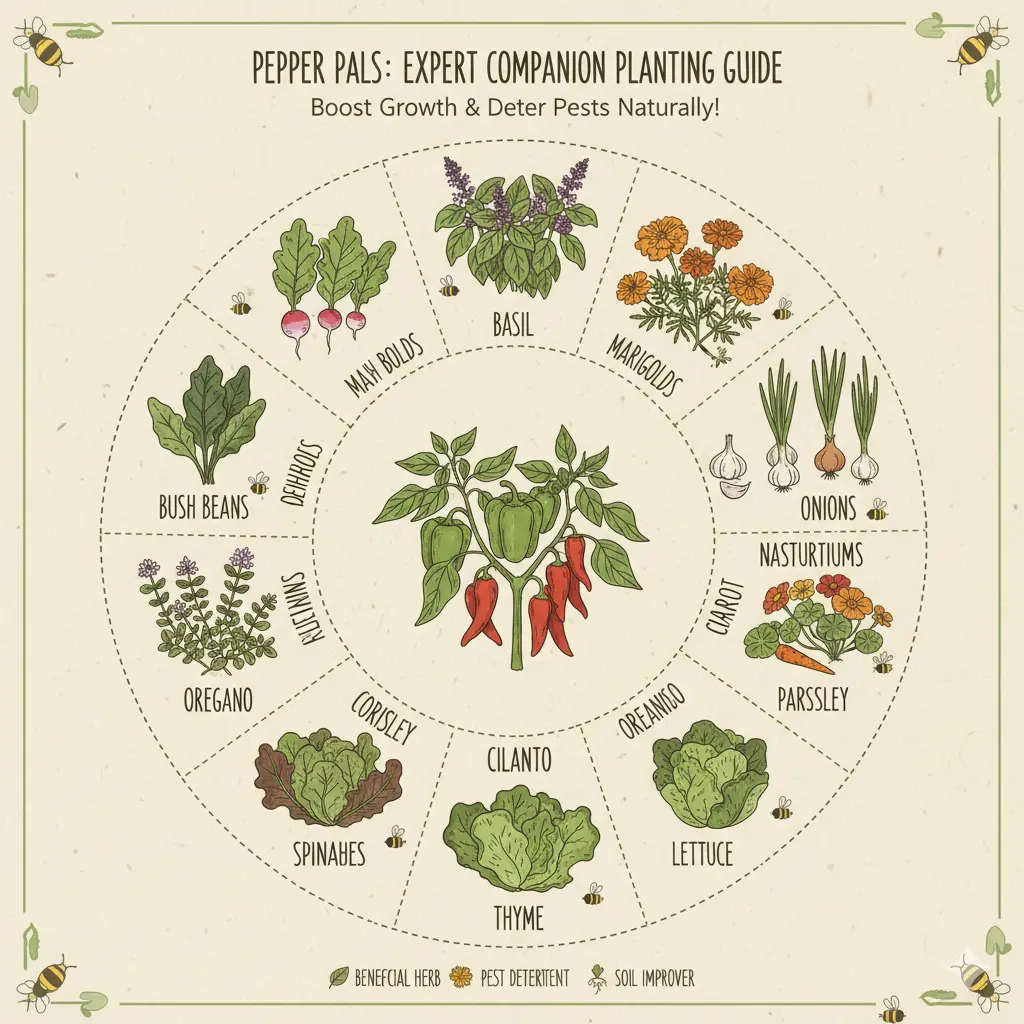
In this guide, you’ll discover the 10 best companion plants for peppers and 3 plants you should never grow nearby. I’ll also walk you through spacing tips, layout ideas, and common companion planting myths so you can design a thriving garden this season.
Best Companion Plants for Peppers
1. Basil
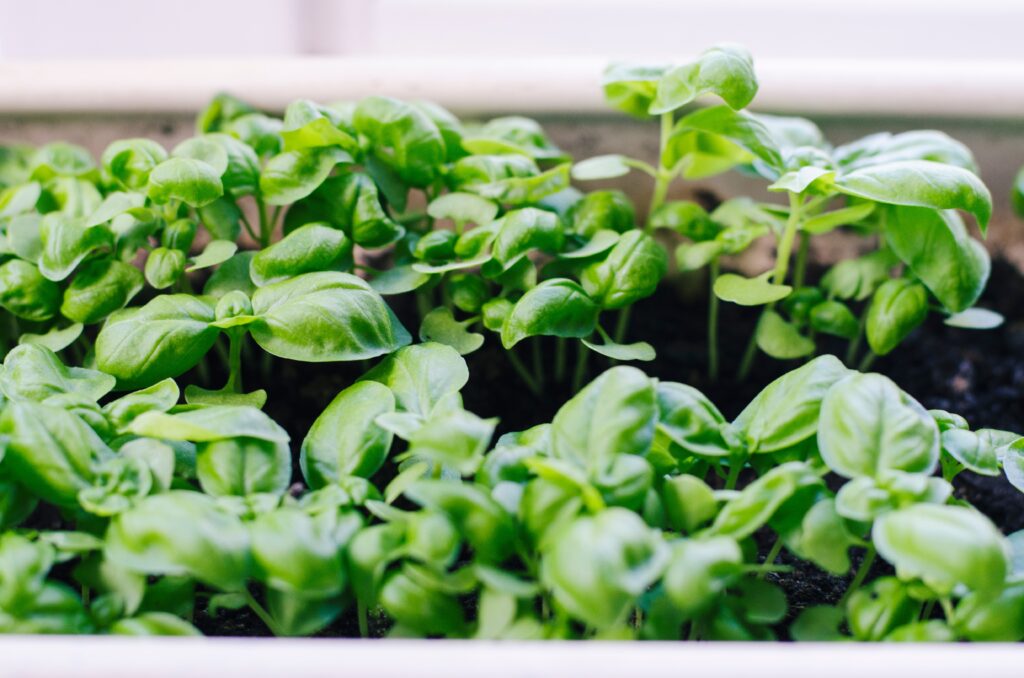
Basil stands as the gold standard among companion plants for peppers, offering multiple benefits that make this pairing irresistible. This aromatic herb repels aphids, whiteflies, spider mites, and thrips through its strong essential oils, creating a natural pest barrier around your pepper plants. Many experienced gardeners report that basil actually improves pepper flavor when grown nearby, though this benefit remains anecdotal. Plant basil 12-18 inches from pepper plants to maximize pest-repelling benefits without competition.
2. Marigolds
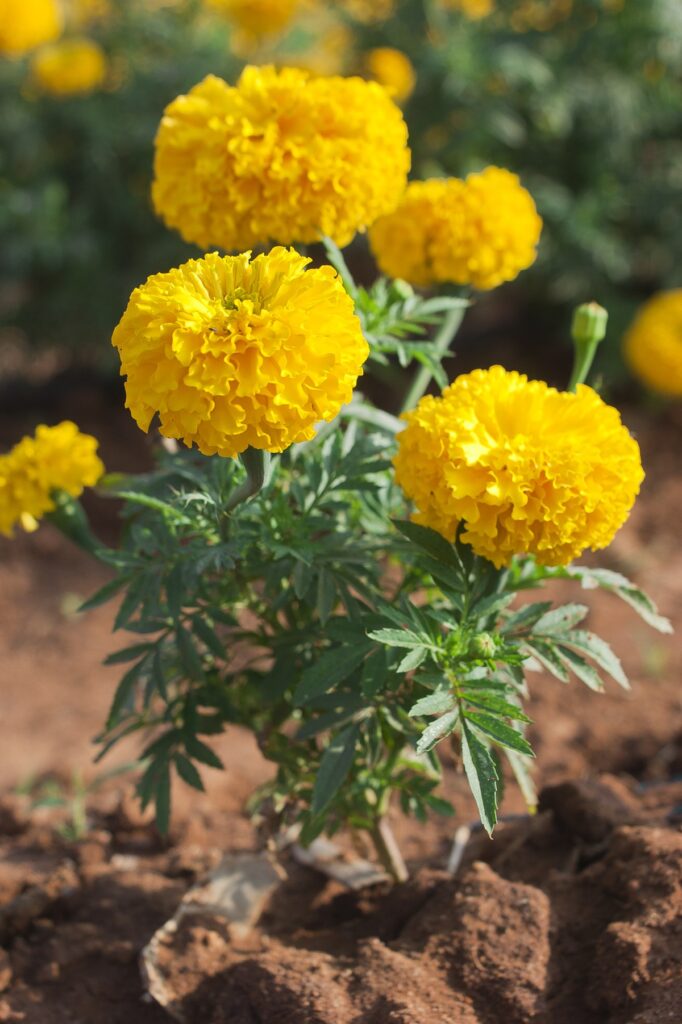
Marigolds earn their reputation as essential good companion plants for peppers through their remarkable pest-fighting abilities. These vibrant flowers release pyrethrum compounds that repel pepper moths, whose larvae become destructive hornworms. Additionally, marigolds control root-knot nematodes in soil and attract beneficial insects like ladybugs and parasitic wasps that prey on pepper pests. French marigolds work particularly well for nematode control, while African marigolds excel at attracting beneficial insects.
3. Onions and Garlic
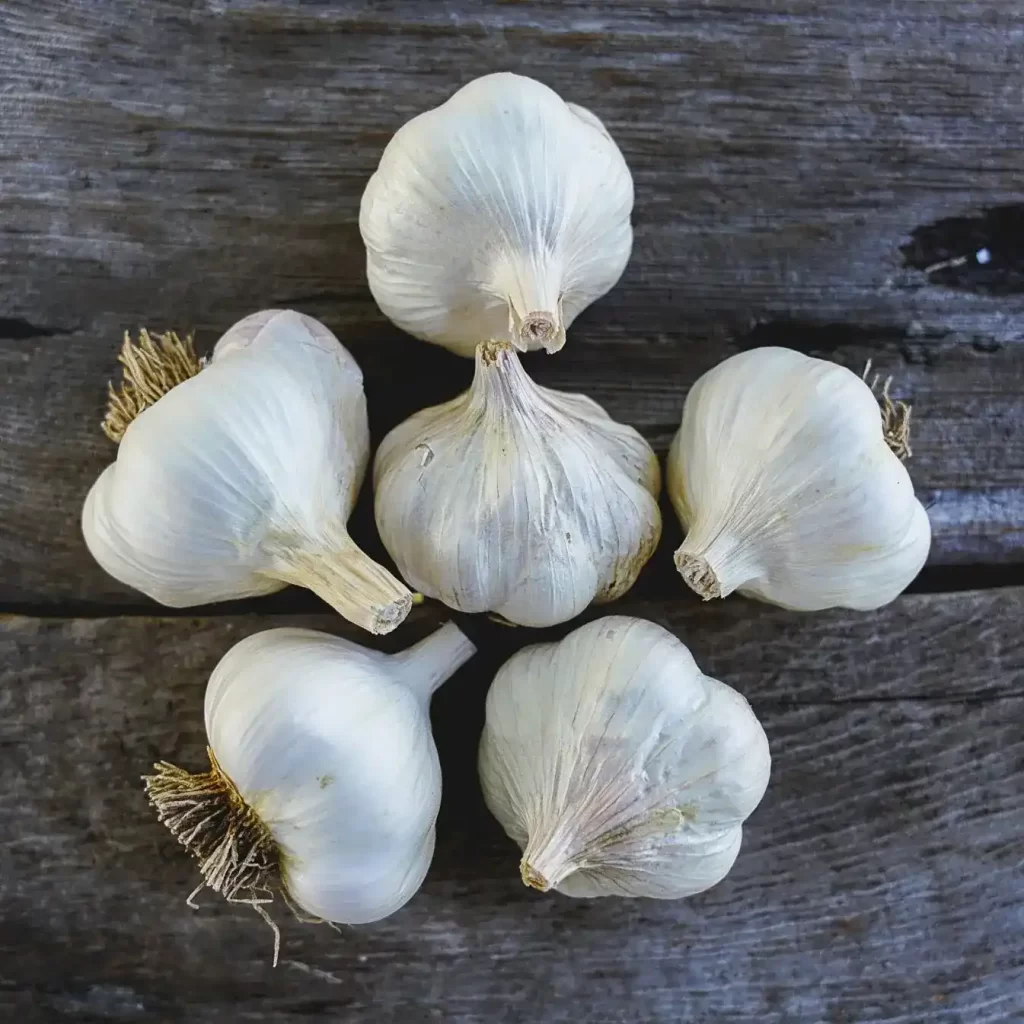
The allium family represents some of the most effective companion plants for bell peppers and hot varieties alike. Onions, garlic, leeks, and chives emit sulfur compounds that naturally repel aphids, spider mites, and various beetles. Their shallow root systems don’t compete with deeper pepper roots, while their growth helps aerate soil and improve drainage. Plant onion sets or garlic cloves 4-6 inches from pepper plants in early spring.
4. Carrots
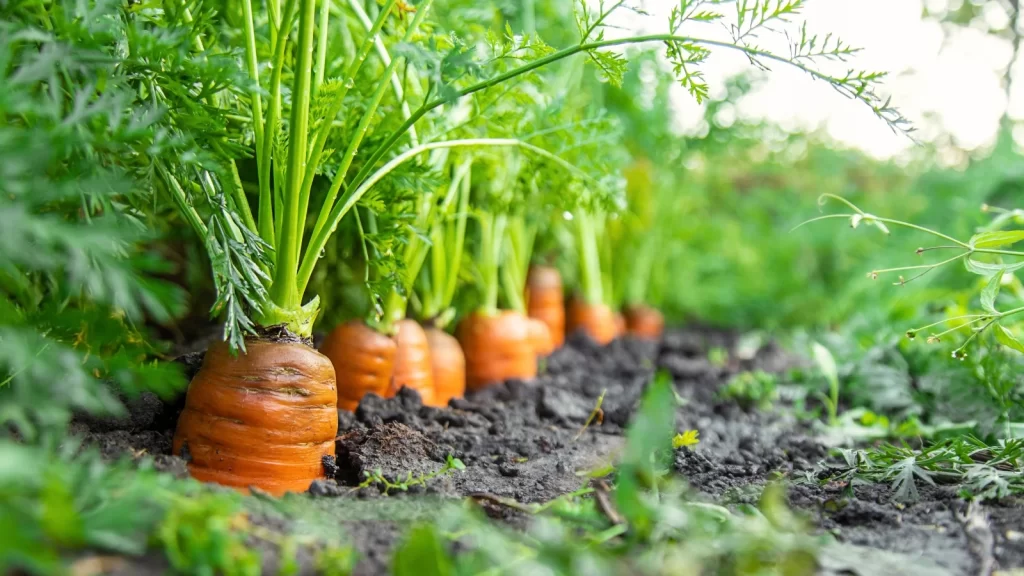
Carrots function as ideal companion plant for peppers because their deep taproots grow at different soil levels than pepper roots, eliminating competition while maximizing space utilization. These root vegetables help break up compacted soil, improving water penetration and nutrient availability for pepper plants. Their feathery foliage provides living mulch that retains soil moisture and suppresses weeds. Sow carrot seeds directly around established pepper plants, maintaining 3-4 inches spacing. Choose shorter carrot varieties like Paris Market or Chantenay for containers.
5. Nasturtiums
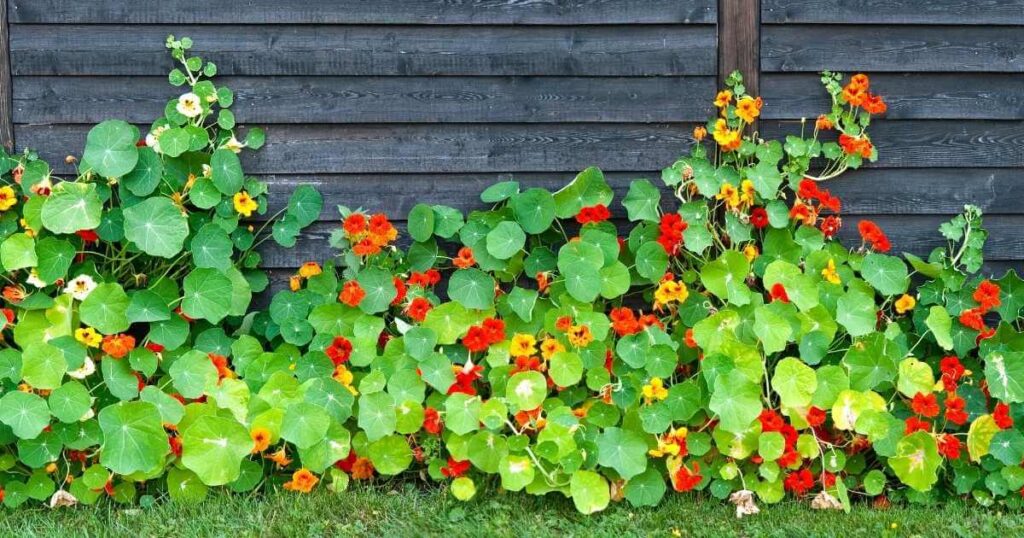
Nasturtiums serve as exceptional companion plants for peppers through their trap crop functionality, attracting pests away from valuable pepper plants. These edible flowers lure aphids, whiteflies, and spider mites to themselves, protecting nearby peppers from damage. Their peppery scent also deters slugs, beetles, and hornworms naturally. Plant nasturtiums 18-24 inches from peppers to create effective pest traps without overcrowding.
6. Cilantro and Parsley
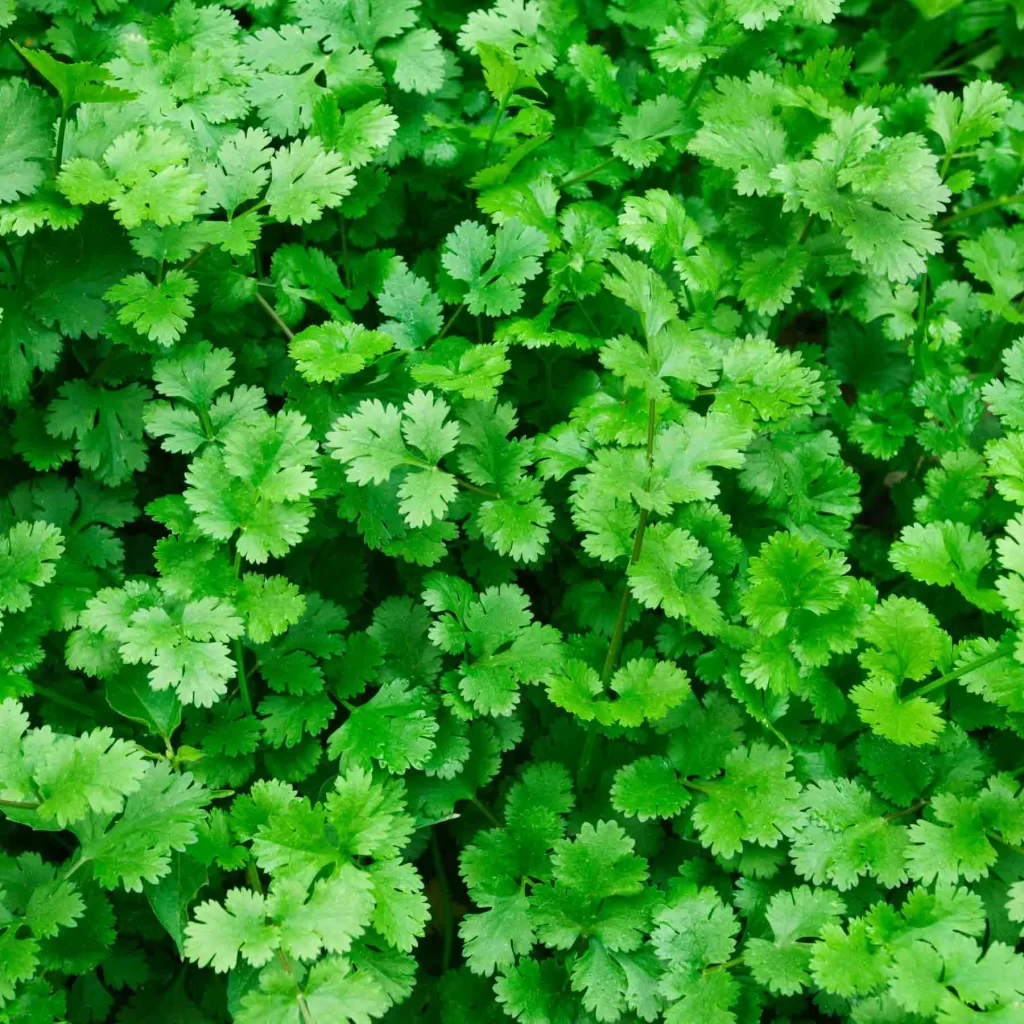
These aromatic herbs rank among the top best companion plants for peppers for their ability to attract beneficial insects that control pepper pests. When cilantro and parsley flower, they draw parasitic wasps, lacewings, and predatory beetles that prey on aphids, spider mites, and small caterpillars. Their dense foliage also provides cooling shade for soil around pepper plants.
7. Lettuce and Spinach
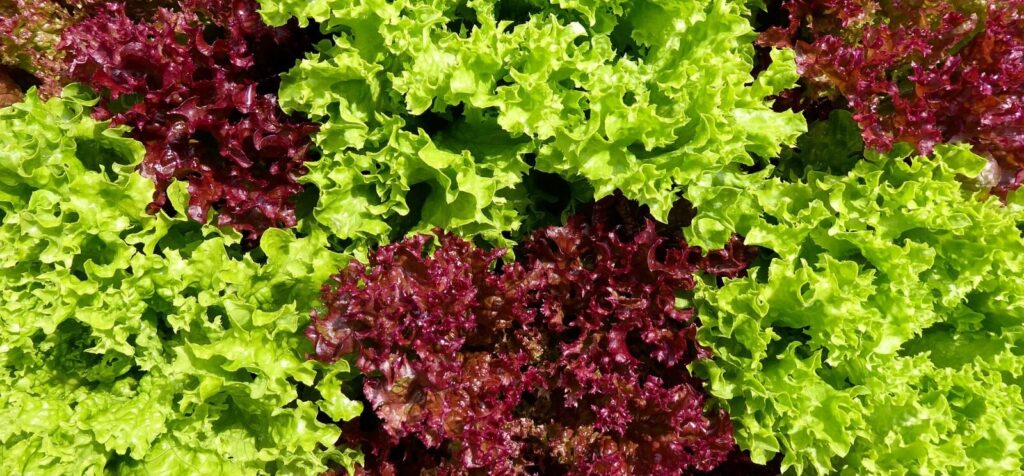
Leafy greens excel as companion plants for peppers by creating natural ground cover that retains soil moisture and suppresses weeds. Their shallow root systems don’t compete with pepper plants for nutrients, while their quick growth allows harvest before peppers reach full size. These cool-season crops can extend garden productivity in spring and fall when peppers need protection. Lettuce and spinach act as living mulch, shading the soil and helping it retain moisture.
8. Oregano and Thyme
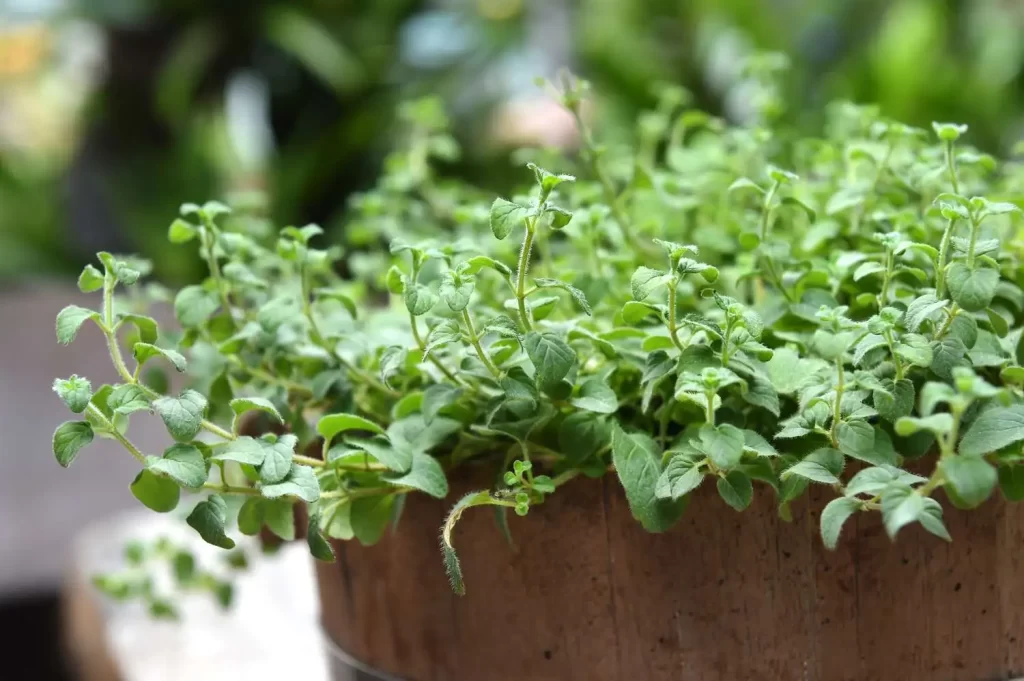
These perennial herbs provide long-term benefits as good companion plants for peppers through their pest-repelling essential oils and pollinator-attracting flowers. Oregano and thyme form dense ground cover that suppresses weeds while their drought tolerance complements pepper water needs. Their flowers attract bees, beneficial wasps, and other pollinators crucial for pepper fruit set.
9. Radishes
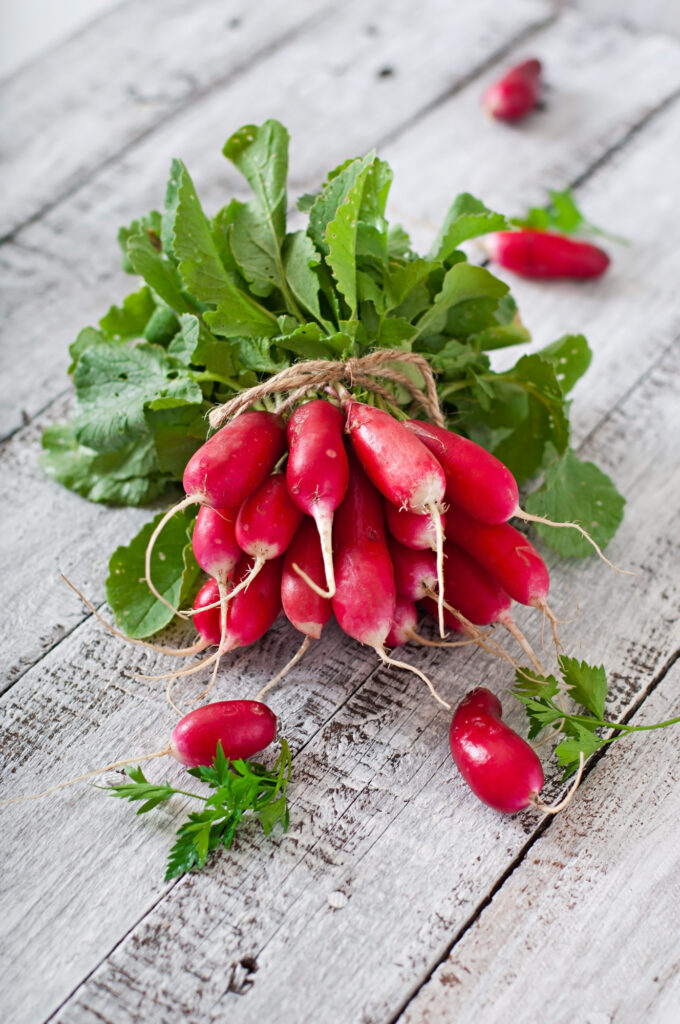
Radishes function as excellent companion plants for bell peppers by breaking up compacted soil with their taproots, improving drainage and root penetration for pepper plants. Their rapid 30-day maturity allows quick soil improvement and space turnover. Radishes also serve as trap crops for flea beetles and root maggots that might otherwise attack pepper plants. Sow radish seeds every 2-3 weeks around pepper plants throughout the growing season.
10. Bush Beans
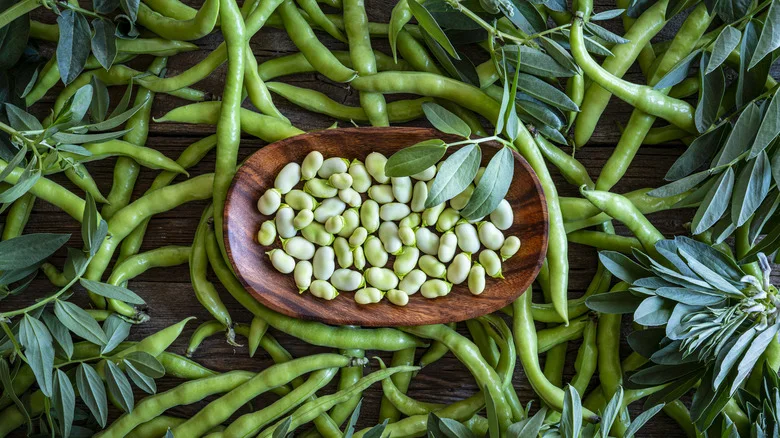
Bush beans earn their place among companion plants for peppers through their nitrogen-fixing capabilities, enriching soil naturally without expensive fertilizers. Their compact growth habit doesn’t shade pepper plants while their root nodules convert atmospheric nitrogen into plant-available forms. This symbiotic relationship particularly benefits heavy-feeding pepper plants during fruit development. Plant beans 8-12 inches from pepper plants to prevent root competition while maximizing nitrogen benefits.
The 3 Worst Companion Plants for Peppers to Avoid at All Costs
1. Fennel
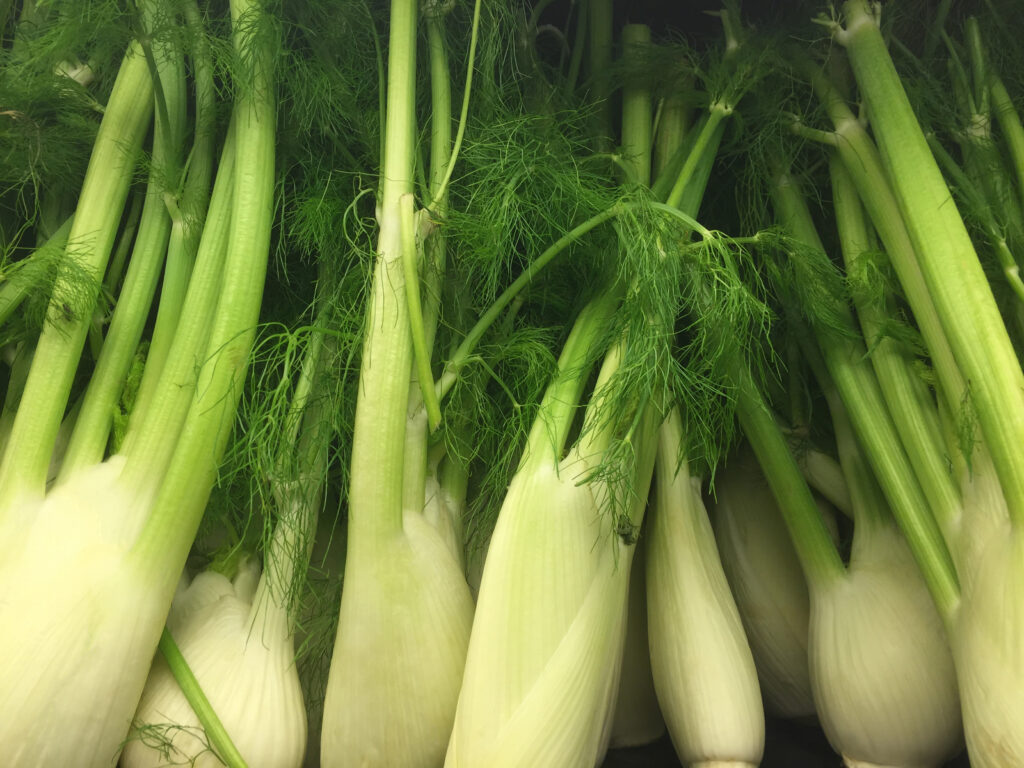
Fennel ranks as the worst possible companion plant for peppers due to its allelopathic properties—the ability to release chemical compounds that actively inhibit nearby plant growth. This Mediterranean herb secretes growth-suppressing substances through its roots that can stunt pepper development and reduce yields significantly. Additionally, fennel’s deep taproot system competes aggressively with pepper roots for nutrients and water.
Why It’s Problematic: Research shows fennel attracts many of the same pests as peppers, including aphids, cutworms, and spider mites, potentially creating concentrated infestations that overwhelm both crops. The combination of chemical inhibition, nutrient competition, and shared pest problems makes fennel absolutely incompatible with successful pepper growing.
2. Brassicas
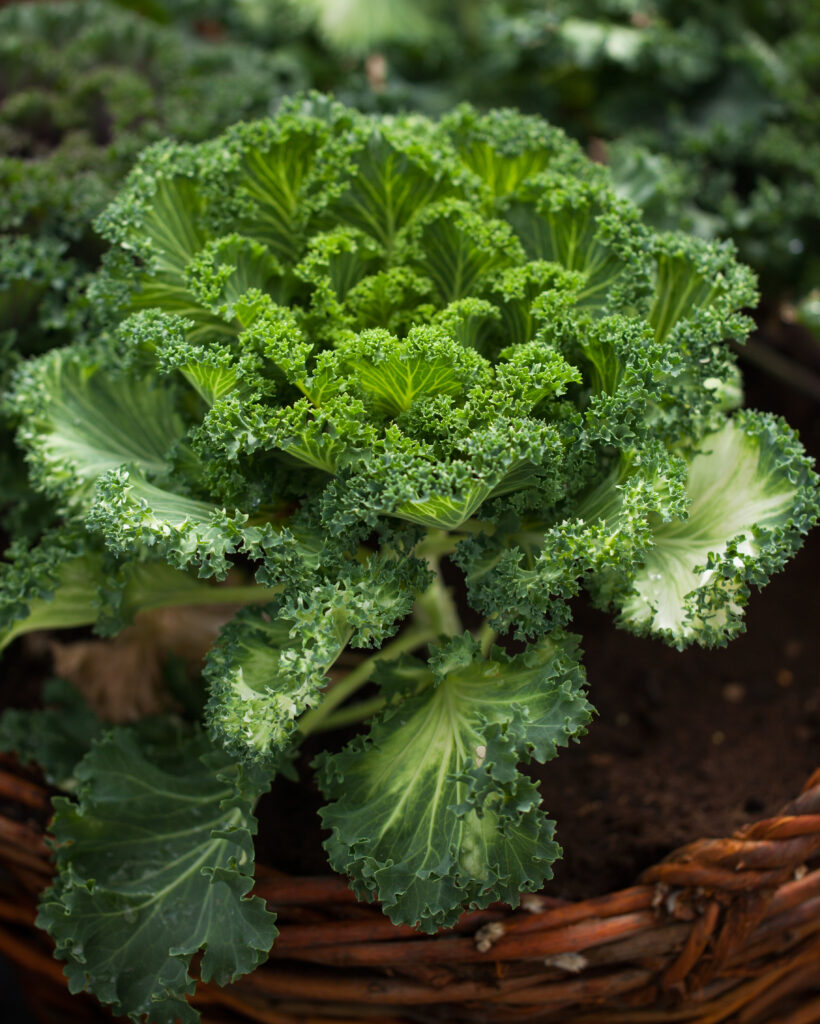
Cabbage family crops including broccoli, cauliflower, kale, and brussels sprouts make terrible companion plants for peppers due to their conflicting soil and nutrient requirements. Brassicas prefer neutral to slightly alkaline soil (pH 6.5-7.0) while peppers thrive in slightly acidic conditions (pH 6.0-6.8). Both crop families are heavy feeders that compete intensely for nitrogen, phosphorus, and potassium.
Additional Conflicts: Brassicas attract flea beetles, aphids, and thrips that readily transfer to pepper plants, creating shared pest problems. The large size of mature brassicas can also shade pepper plants, reducing the full sun exposure essential for optimal pepper production and fruit ripening.
3. Large Fruit Trees
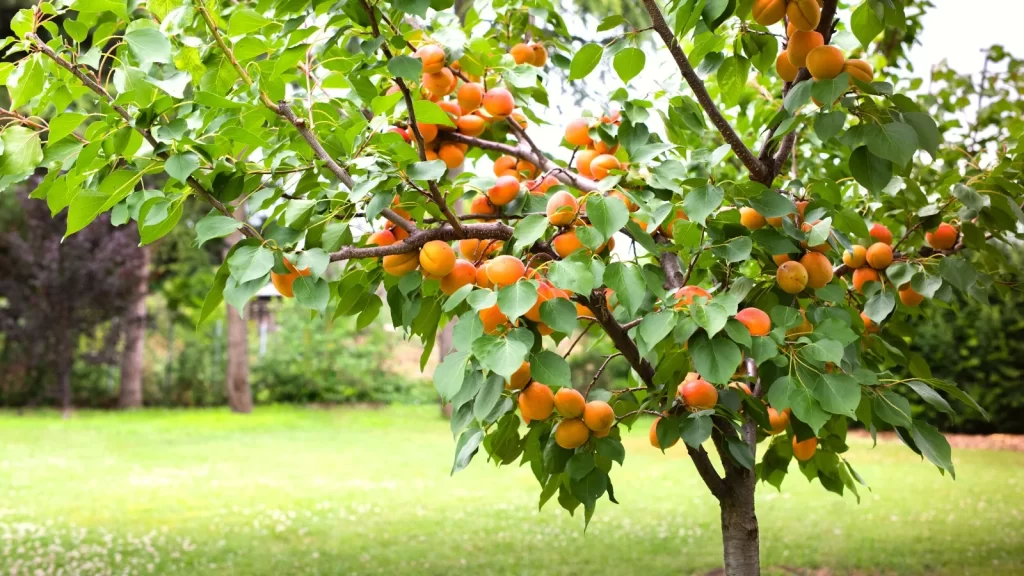
Peppers are sun-loving plants. They need 6–8 hours of direct sunlight daily to grow strong and produce abundant fruit. Fruit trees have deep, aggressive root systems that spread far beyond the visible canopy. These roots compete with peppers for water and nutrients, leaving the smaller pepper roots struggling. Since peppers are heavy feeders, inadequate nutrition can result in stunted growth, fewer blossoms, and smaller fruits.
Designing Your Pepper Companion Planting Layout
Here’s how to arrange your garden for maximum results:
- Center: Plant peppers in the middle as your primary crop.
- Surrounding layer: Add basil, parsley, and marigolds around the peppers.
- Borders: Use onions or garlic as a protective barrier.
- Ground cover: Fill in spaces with lettuce or spinach to retain soil moisture.
- Vertical growth: Plant dill or beans at the north end to prevent shading.
This layered approach mimics natural ecosystems and maximizes every inch of your garden.
That’s It!
Start simple with 2-3 proven companions like basil, marigolds, and lettuce around your pepper plants this season. Avoid the critical mistakes of planting fennel, large brassicas, or aggressive climbing legumes that compete with or inhibit pepper growth. As you gain experience with these fundamental relationships, expand to include more diverse companions that attract beneficial insects, improve soil health, and maximize your garden’s productive potential.
Remember that the best companion plants for peppers create mutually beneficial relationships rather than one-sided arrangements. Your peppers provide structure and framework while companions offer pest protection, soil improvement, and space optimization. This collaborative approach transforms individual plant performance into thriving garden communities that produce abundant harvests naturally and sustainably.
FAQs About Companion Plants for Peppers
Can peppers and tomatoes be planted together?
Yes, but keep space between them and rotate crops yearly to prevent shared diseases.
Do companion plants really improve pepper flavor?
Some, like basil, may subtly enhance flavor, though scientific evidence is limited.
Are there specific companion plants for bell peppers only?
The same general companions apply, but bell peppers particularly benefit from marigolds, basil, and leafy greens.
Can I plant peppers with flowers?
Yes, many flowers like marigolds, nasturtiums, and calendula are great companions for peppers. They repel pests, attract pollinators, and add beauty to your garden.
Can I plant onions with peppers?
Absolutely! Onions are excellent companion plants for peppers. Their strong scent repels aphids, thrips, and other pests without competing heavily for nutrients.