Table of Contents
Voles may look like harmless little field mice, but in reality, they’re destructive pests that can wreak havoc on your lawn, flower beds, orchard, or vegetable garden. Known for gnawing on roots, bulbs, and tree bark, they can turn a healthy garden into a patchwork of dead grass, wilted plants, and chewed stems almost overnight.
If you’ve spotted shallow tunnels zig-zagging across your yard or noticed missing bulbs in your flower beds, chances are you’re dealing with a vole problem. The good news is, you’re not powerless. With the right mix of prevention, deterrents, and control strategies, you can keep voles from overrunning your property.
In this guide, we’ll dive deep into how to get rid of voles effectively. You’ll learn how to recognize them, what makes your yard attractive to them, the best natural and humane methods to push them out, and when professional help may be necessary.
Understanding Voles
Before you can win the fight against voles, you need to understand their habits and why they’re so destructive.
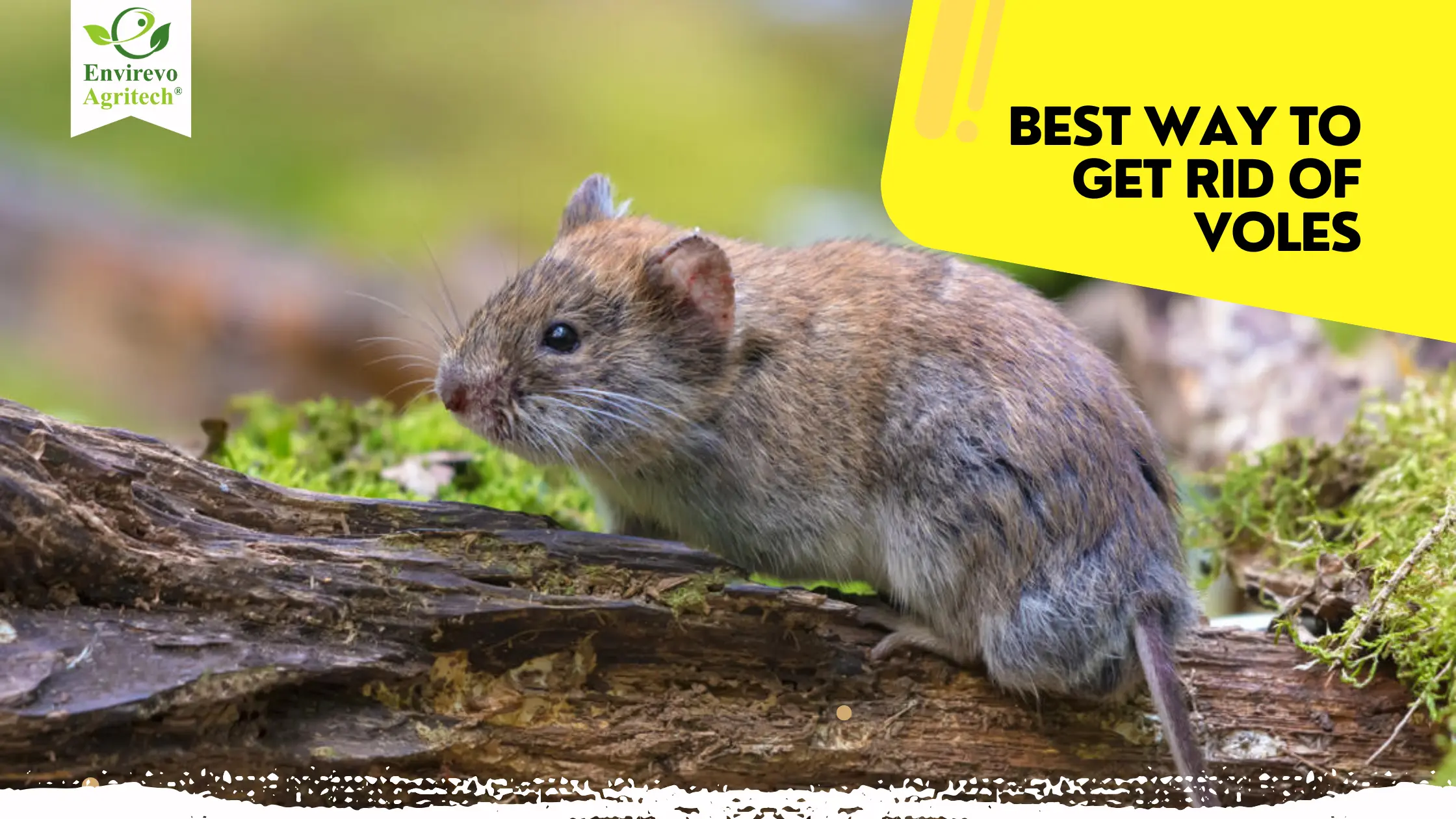
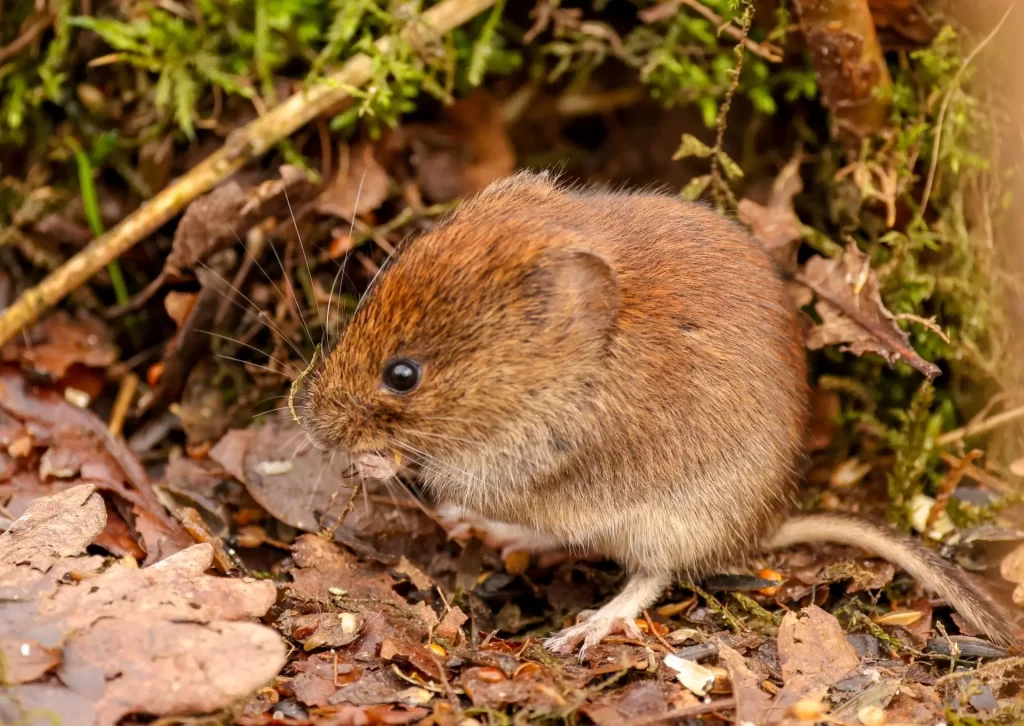
Voles are small, stocky rodents, sometimes called “meadow mice.” They’re not the same as moles or regular mice, though many homeowners confuse them. Voles are primarily herbivores, feeding on grasses, roots, tubers, and the bark of shrubs and trees. They are often mistaken for mice due to their similar appearance. However, voles have shorter tails, rounder ears, and stockier bodies than mice. They range in size from 3 to 9 inches in length (7-22 cm) and can weigh up to 2.5 ounces. They have thick, dense fur that varies in color from gray to brown and can be lighter on the belly.
- They dig shallow surface runways through lawns and garden beds.
- They chew through roots and bulbs, killing plants from below.
- They girdle trees and shrubs, stripping bark around the base, which can kill even mature plants.
- They reproduce quickly, with multiple litters per year, meaning a few voles can quickly become a serious infestation.
How to tell voles apart from moles:
- Voles: Visible surface runways, clipped grass, gnawed bark.
- Moles: Raised mounds and deeper tunnels, primarily insect eaters.
Recognizing the difference is critical—because how you deal with voles is very different from mole control.
Identifying Vole Damage in Your Yard
If you’re wondering whether voles are behind the damage you see, look for these telltale signs:
- Runways in the grass: Narrow, one- to two-inch-wide paths through turf, often with bare soil visible.
- Burrow entrances: Small holes about 1–2 inches across, usually at the ends of runways.
- Chewed plants: Roots, tubers, and bulbs disappear or look gnawed. Tulips, carrots, and potatoes are common victims.
- Girdled tree trunks: The base of young trees or shrubs stripped of bark, sometimes in neat ¼-inch bites.
- Sudden plant death: Healthy plants suddenly wilt because their root system has been severed underground.
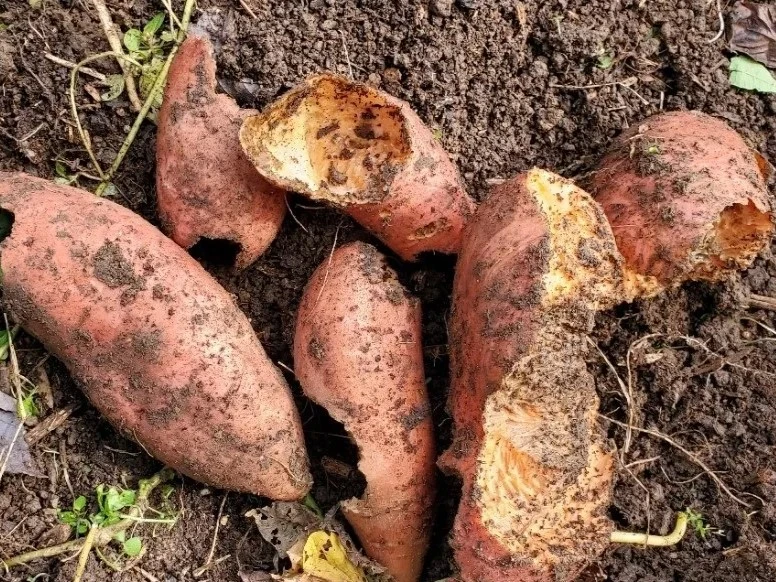
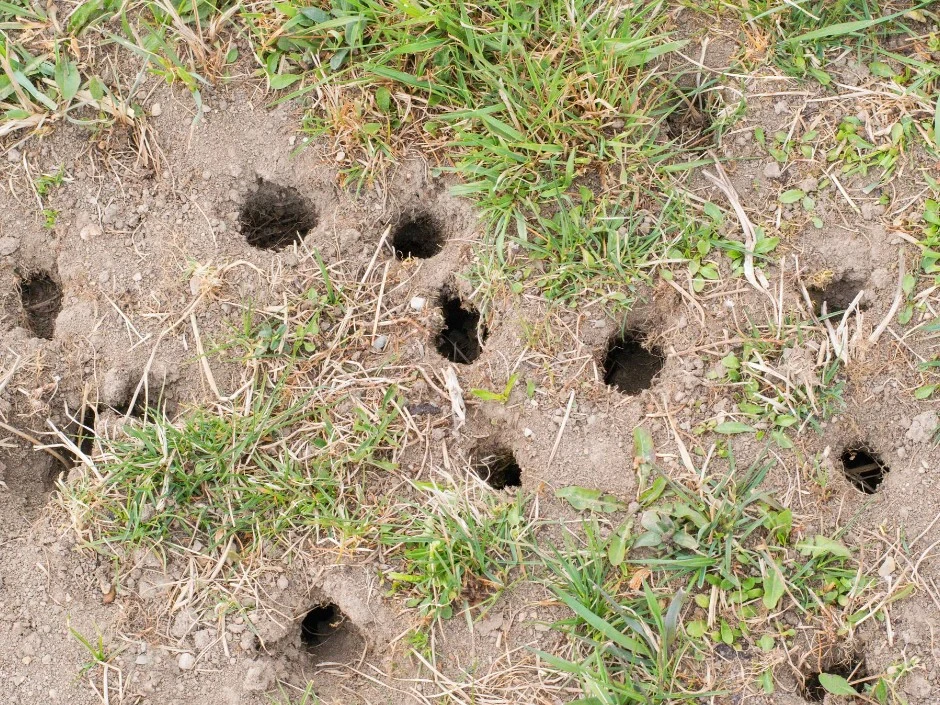
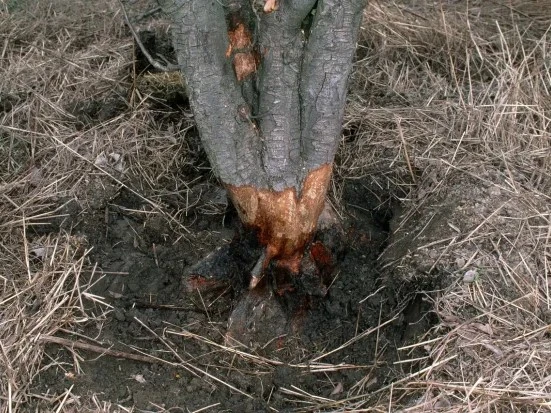
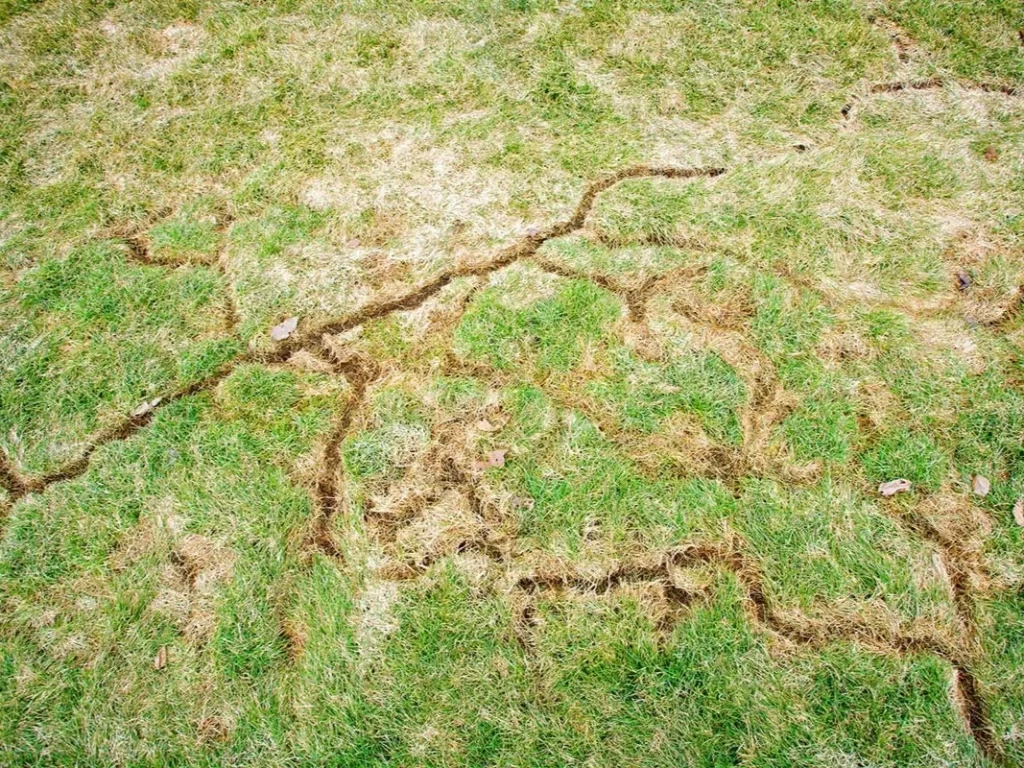
Spotting these early can save you months of frustration later.
Distinguishing Voles from Other Burrowers
| Feature | Vole | Mole | Gopher |
|---|
| Mound Shape | Flat, soil spread evenly along tunnel | Conical “volcano,” central crater | Fan‑shaped, soil pushed to side |
| Mound Image | 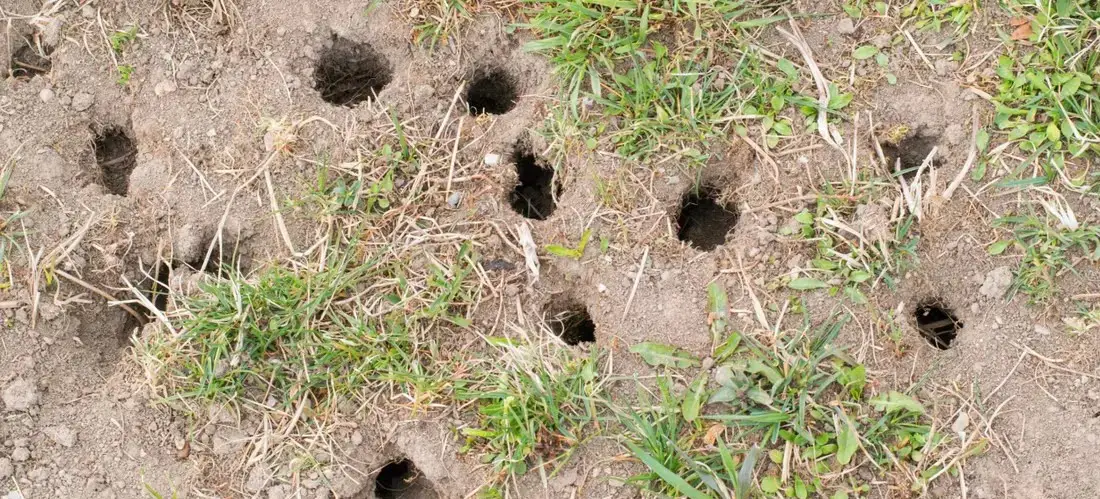 | 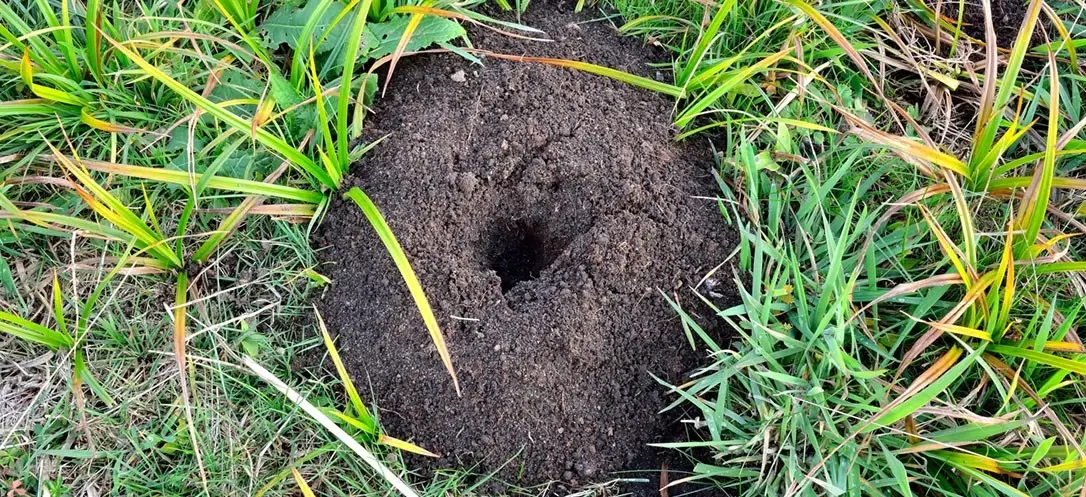 | 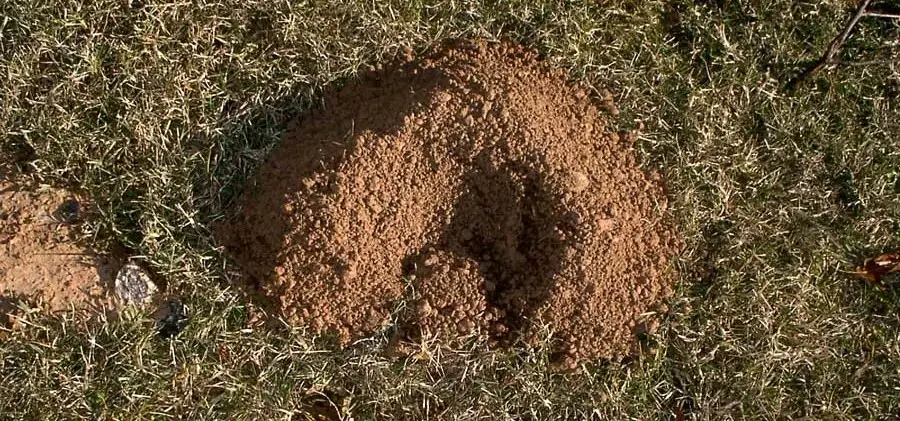 |
| Tunnel Ridges | Subtle, surface‑level trails | Raised, winding ridges (1–2″ tall) | Little to no surface ridges |
| Tunnel Depth | Very shallow (<1″) | Shallow (1–2″) feeding tunnels | Deep burrows, rarely near surface |
| Timing | Year‑round, but often linked to food supply | Year‑round, peak spring/fall | Year‑round, but more localized |
How to Get Rid of Voles?
1. Habitat Modification – Making Your Yard Less Attractive
One of the most effective ways to get rid of voles is to make your garden an uninviting place for them to live and feed. Voles love cover and thick vegetation, so yard hygiene is your first line of defense.
Actions you can take:
- Mow regularly: Keep grass trimmed short. Long grass provides cover for voles to move unseen.
- Remove mulch and debris near plant bases: Heavy mulch, wood piles, and leaf litter create safe havens. Use thin mulch layers or gravel around shrubs and trees.
- Time your mulching: Don’t mulch bulb beds until the soil is fully frozen in late fall—early mulch gives voles cozy hiding spots during winter.
- Prune and clear garden beds: Trim back dense groundcovers or ivy where voles can hide.
- Eliminate food sources: Pick up fallen fruits and vegetables, and clean up bird seed spills.
- Bare borders: Consider a 10–20 foot strip of bare soil or gravel between your garden beds and fields or wild edges. Voles dislike crossing open ground.
This step alone won’t completely solve the problem, but it dramatically reduces the likelihood of a serious infestation.
2. Plant-Based Deterrents
Believe it or not, certain plants naturally repel voles. Incorporating these into your garden design creates a living barrier that discourages voles from settling in.
Plants voles avoid:
- Daffodils (toxic to them, often used to ring bulb beds)
- Alliums (onions, garlic, chives)
- Fritillaries
- Snowdrops
- Hyacinths
- Castor beans (toxic)
- Camassia, salvia, thyme, and irises
Practical tip: If you love tulips but dread voles eating them, interplant tulips with daffodils. The daffodils act as a natural shield. By weaving in plants voles dislike, you not only beautify your garden but also make it less appetizing to these pests.
3. Natural Repellents and DIY Solutions
Repellents are a practical next step if you already have voles. Commercial options are available, but DIY methods are often just as effective and cheaper.
Popular repellents:
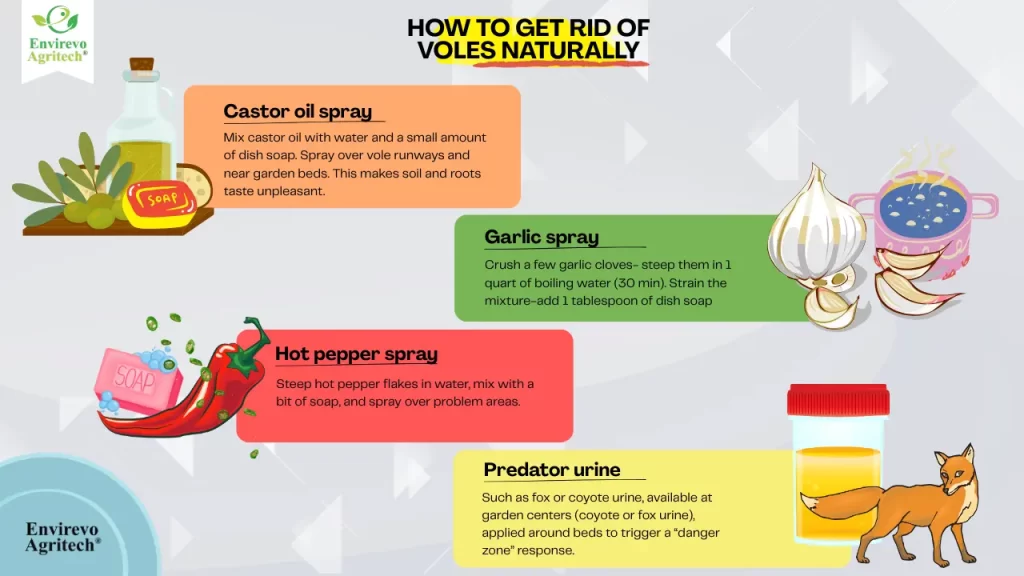
- Castor oil sprays: Mix castor oil with water and a small amount of dish soap. Spray over vole runways and near garden beds. This makes soil and roots taste unpleasant.
- Garlic spray: Crush a few garlic cloves and steep them in 1 quart of boiling water for 30 minutes. Strain the mixture and add 1 tablespoon of dish soap and spray around plants.
- Hot pepper spray: Steep hot pepper flakes in water, mix with a bit of soap, and spray over problem areas.
- Predator urine: Such as fox or coyote urine, available at garden centers (coyote or fox urine), applied around beds to trigger a “danger zone” response.
Application notes: Reapply sprays after heavy rain or snowmelt. Rotate between recipes to prevent voles from adapting.
4. Physical Barriers and Exclusion
If you’re planting trees, shrubs, or bulbs, protecting them physically is one of the most foolproof ways to keep voles out.
Best practices for barriers:
- Tree guards: Wrap trunks with ¼-inch hardware cloth or plastic guards. Ensure the barrier extends 24 inches high and a few inches below ground to stop burrowing.
- Bulb baskets: Plant bulbs like tulips or crocuses in wire mesh baskets or surround them with coarse gravel.
- Raised beds with lining: Use fine mesh or hardware cloth at the base to prevent burrowing into raised gardens.
- Garden fencing: For larger gardens, a perimeter fence of fine mesh buried at least 6 inches deep can block vole entry.
These methods require some upfront work but pay off by preventing recurring damage year after year.
5. Trapping – A Direct Approach
For active infestations, trapping is often the most effective way to reduce vole numbers quickly.
How to trap voles successfully:
- Choose the right trap: Standard mouse snap traps or live traps both work.
- Bait with peanut butter or apple slices.
- Placement is everything: Set traps perpendicular to vole runways, with the trigger in the path. Place at tunnel entrances or near feeding areas.
- Check daily: Traps should be monitored to avoid unnecessary suffering or attracting other pests.
- Humane considerations: Live traps allow relocation, but check local laws before releasing voles. In some states, relocating rodents is illegal.
- When to call professionals: If trapping isn’t reducing the population after a few weeks, or if your property is large, professional pest control services may be necessary.
6. Attracting Natural Predators
Sometimes the best solution is to let nature do the work for you. Voles have many natural predators, and by encouraging them, you can keep vole populations in check.
Encourage these allies:
- Owls and hawks: Install nesting boxes or perches.
- Snakes: Keep rock piles or brush edges where they can live.
- Foxes and coyotes: While not welcome in every neighborhood, they naturally suppress vole numbers.
This approach is low-maintenance once established, though it may take time for predators to move in.
7. Methods That Don’t Work (or Make Things Worse)
Not every “solution” you hear about is effective. Some are myths, while others cause more harm than good.
- Rodenticides: While they kill voles, they also poison birds, pets, and other wildlife through secondary poisoning. Use only as a last resort.
- Flooding burrows: Usually ineffective, as voles simply move or return later.
- Fumigation: Dangerous and rarely successful in shallow vole tunnels.
- Sonic devices: Scientific studies show little to no impact on voles.
Focusing on proven strategies saves time, money, and frustration.
8. Recovery and Long-Term Management
Once you’ve reduced vole numbers, it’s important to repair the damage and stay vigilant.
After-control actions:
- Fill in runways and tunnels: Prevents reuse and encourages lawn regrowth.
- Reseed damaged lawns: Use fast-germinating grass seed to quickly cover bare patches.
- Replant bulbs in protected baskets: Don’t put them directly back in the soil.
- Ongoing monitoring: Inspect vulnerable areas regularly, especially after winter snow melts.
- Repeat treatments: Reapply sprays seasonally and refresh barriers as needed.
Remember: the goal is not always complete elimination. In many regions, voles are a part of the ecosystem. The goal is long-term management, keeping their numbers below damaging levels.
Quick Reference Checklist
For easy action steps, here’s a summary of how to get rid of voles effectively:
- Keep lawns mowed and debris cleared.
- Use vole-resistant plants like daffodils and alliums.
- Spray garlic, hot pepper, or castor oil repellents.
- Protect trees and bulbs with hardware cloth or baskets.
- Trap with peanut butter-baited traps along runways.
- Encourage predators like owls and snakes.
- Avoid rodenticides, fumigation, or sonic devices.
- Repair damage and monitor for future activity.
Getting rid of voles isn’t about one quick fix—it’s about layering strategies that make your yard unappealing, protecting vulnerable plants, and reducing vole populations responsibly. By combining habitat management, natural deterrents, physical barriers, and careful trapping, you can take back control of your garden.
With consistent effort and vigilance, you’ll find that voles can be managed without constant frustration. The reward? A healthier garden, thriving trees and bulbs, and the peace of mind that comes from knowing your hard work is protected.