Table of Contents
Hay may look like a simple bundle of dried plants, but to farmers, homesteaders, and animal owners, it’s the backbone of livestock nutrition. From dairy cows to horses, goats, rabbits, and even guinea pigs, the right hay ensures animals stay healthy, productive, and thriving year-round.
But here’s the thing: not all hay is the same. The nutritional content, texture, and digestibility vary depending on the plant species, the stage of harvest, and even regional climate. Choosing the wrong hay can lead to wasted feed, nutrient deficiencies, or, in some cases, serious health issues for animals. On the flip side, selecting the right hay type can improve growth, milk production, and overall well-being.
In this guide, we’ll explore the five most common types of hay found in the U.S., while also breaking down the categories, nutritional differences, and how to choose the best hay for your animals.
Understanding the Main Categories of Hay
Before we dive into specific varieties, it’s important to understand the broad categories of hay. Hay is typically grouped into four main types: grass hay, legume hay, mixed hay, and cereal-grain hay. Each has its strengths and weaknesses, making them better suited for different species and purposes.

1. Grass Hay
Grass hay is the most widely available type across the U.S. It includes species such as timothy, orchardgrass, brome, fescue, Bermuda grass, and ryegrass. Grass hay is typically high in fiber and relatively low in protein and calcium.
That makes it ideal for:
- Horses needing maintenance diets
- Small pets like rabbits and guinea pigs, where high fiber supports digestion
- Livestock that don’t require concentrated protein
Because of its balance, grass hay is often considered a safe, everyday feed.
2. Legume Hay
Legume hay—like alfalfa and clover—packs a serious nutritional punch. It’s much higher in protein, calcium, and energy than grass hay. While this makes it perfect for growing animals, lactating mothers, or performance horses, it can be too rich for mature animals on maintenance diets. Legumes also tend to be leafier, making them more palatable for picky eaters. However, they need to be fed in moderation for species prone to obesity, laminitis, or calcium-related issues.
3. Mixed Hay
Mixed hay combines grasses and legumes, offering a balance between fiber and protein. Farmers often plant fields with both timothy and alfalfa, or orchardgrass with clover, creating hay that suits a wider range of animals. Mixed hay is a popular choice because it provides variety, helps avoid dietary extremes, and often comes with better flavor, encouraging animals to eat more consistently.
4. Cereal-Grain Hay
Cereal-grain hay is made from immature grains such as oats, barley, rye, or wheat harvested while still green. These hays are nutrient-dense but come with a caution: they can accumulate nitrates, which may be harmful if levels are too high. Testing is recommended before feeding. Cereal-grain hays are less common but still play a role in certain regions, especially as part of mixed diets.
The 5 Most Common Types of Hay in the U.S.
Now that we’ve covered the broader categories, let’s focus on the five hay types you’ll most commonly find across American farms, feed stores, and homesteads.
1. Alfalfa Hay – The High-Protein Powerhouse
Alfalfa is the most widely recognized legume hay and is prized for its exceptionally high protein (15–20%) and calcium content. It’s also packed with energy, making it one of the most nutrient-rich forages available.
Best Uses:
- Dairy cows: support milk production.
- Young animals: helps with rapid growth and bone development.
- Performance horses: fuels energy needs.
Cutting Matters:
Not all alfalfa is the same. The first cutting tends to be more stemmy and may contain more weeds, but still offers high yield. The second cutting is leafier, softer, and often preferred for horses or small pets. Later cuttings may be lower in yield but higher in leaf content.

Feeding Considerations:
While excellent for animals with high nutritional demands, alfalfa can be too rich for mature horses, overweight animals, or pets like rabbits prone to obesity. Feeding it exclusively may lead to problems like colic or kidney strain. Many farmers mix alfalfa with grass hay for balance.
2. Timothy Hay – The Gentle Classic
If you’ve ever owned a horse or a rabbit, chances are you’ve encountered Timothy hay. This cool-season grass hay is one of the most popular and widely grown in northern U.S. regions.
Nutritional Profile:
- High in fiber
- Moderate protein (7–10%)
- Low calcium
Best Uses:
- Horses on maintenance diets
- Small pets like guinea pigs, chinchillas, and rabbits (fiber aids digestion and dental health)
- Older animals who need a gentle, easy-to-digest forage

Cuts Make a Difference:
- First cut: coarse, stemmy, lower in protein but high in fiber—ideal for animals needing gut support.
- Second cut: softer, leafier, slightly higher in protein.
- Third cut: very soft, palatable, but lower in fiber.
Why It’s Popular:
Timothy hay is consistent, palatable, and versatile. Its relatively low sugar content also makes it safer for animals prone to metabolic issues like laminitis.
3. Bermuda Grass Hay – The Southern Staple
In the warm southern regions of the U.S., Bermuda grass hay dominates. As a warm-season grass, it thrives in heat and produces high yields.
Nutritional Profile:
- Moderate protein (8–12%)
- Good fiber content
- Digestible when harvested early
Best Uses:
- Horses in the South
- Cattle maintenance diets
- Goats and sheep
Considerations:
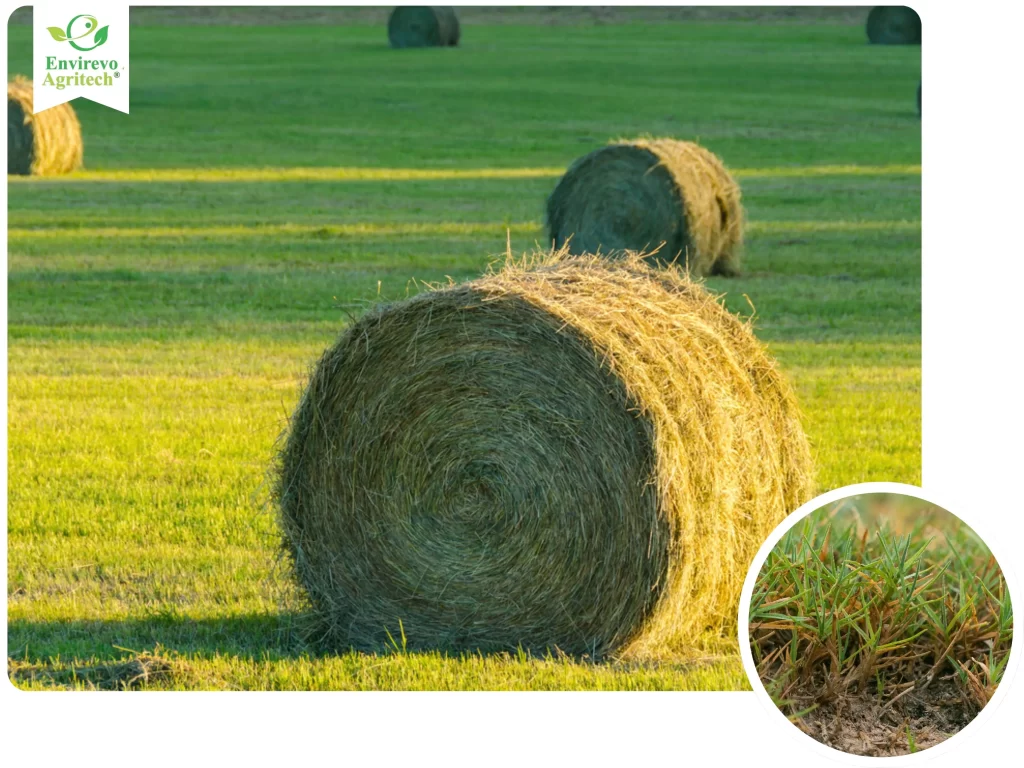
Quality can vary widely. Poorly managed Bermuda fields may produce coarse, stemmy hay that’s less palatable. However, when cut at the right stage, Bermuda grass hay offers solid nutrition and is a dependable forage option in hot climates.
4. Orchardgrass Hay – The Versatile Cool-Season Grass
Orchardgrass is another cool-season grass hay known for its soft texture, sweet flavor, and balanced nutrition.
Nutritional Profile:
- Protein levels around 10–12%
- Good fiber
- Highly palatable
Best Uses:
- Horses (works well alone or mixed with alfalfa)
- Goats and sheep
- Rabbits and other small pets

Why Farmers Like It:
Orchardgrass grows well in cooler climates, tolerates shade, and pairs nicely with legumes like alfalfa or clover. It’s also softer than timothy, which can make it more appealing to picky eaters.
5. Mixed and Cereal-Grain Hay – Balanced or Niche Choices
The last category is a bit of a tie between mixed hay and cereal-grain hay, both of which are common across different regions.
Mixed Hay:
When grasses and legumes are grown together, the resulting hay offers a balanced blend of fiber and protein. For example, a timothy-alfalfa mix combines the digestibility of grass hay with the protein boost of alfalfa. This makes it versatile and suitable for a wide range of animals.
Cereal-Grain Hay:
Oat, barley, or wheat hay is harvested while still green. It’s nutrient-dense and provides variety, but it should be fed with caution due to the potential risk of high nitrate levels. Always consider testing before including it in animal diets.

Quick Reference: Comparing Hay Types
| Hay Type | Category | Nutritional Highlight | Common Uses / Notes |
|---|---|---|---|
| Alfalfa Hay | Legume | High protein & calcium; rich in energy | Best for young, lactating, or working animals |
| Timothy Hay | Grass | High fiber, low calcium, gentle nutrition | Horses, rabbits, small pets |
| Bermuda Grass Hay | Grass (Warm-Season) | Moderate protein & fiber; heat-tolerant | Southern U.S. livestock |
| Orchardgrass Hay | Grass (Cool-Season) | Balanced nutrition; highly palatable | Horses, goats, sheep |
| Mixed / Cereal Hay | Mixed or Cereal | Balanced blend or nutrient-dense but risky | All-purpose feed (mixed); test cereal hay |
What Really Determines Hay Quality?
Even the best hay type can fail if quality is poor. Animals are sensitive to mold, dust, and nutrient imbalances, so evaluating hay quality is just as important as choosing the right type.
- Leaf-to-Stem Ratio: Leafy hay has more nutrients and is easier to digest. Stems become coarse and less digestible as the plant matures.
- Color and Smell: Good hay should be green with a fresh, grassy aroma. Brown or musty-smelling hay may indicate mold or poor curing.
- Texture and Softness: Soft, pliable hay is more palatable. Coarse, stemmy hay may be rejected by animals and harder to digest.
- Storage and Moisture: Improperly cured hay can heat up in storage, leading to mold—or even spontaneous combustion. Moisture levels should be below 18% for safe storage.
- Nutritional Testing: For high-value animals, a lab forage test can reveal protein levels, fiber, calcium, and even harmful nitrate content.
Choosing the Right Hay for Your Animals
Selecting the right hay isn’t just about availability—it’s about matching nutrition to your animals’ needs.
- Horses: Most do well on grass hays like timothy, orchardgrass, or Bermuda; performance horses may benefit from some alfalfa.
- Dairy Cattle: Alfalfa hay supports milk production thanks to its protein and calcium.
- Goats and Sheep: Mixed hays and orchardgrass are excellent choices.
- Rabbits and Small Pets: Timothy hay is the gold standard; alfalfa only for young, growing rabbits.
The world of hay is more complex than it first appears. The five most common types of hay in the U.S.—alfalfa, timothy, Bermuda grass, orchardgrass, and mixed/cereal-grain hays—each bring something unique to the table. Alfalfa shines with its high protein, timothy offers gentle fiber, Bermuda thrives in the heat, orchardgrass balances flavor and nutrition, and mixed or cereal-grain hays provide flexibility.
Ultimately, the best hay is the one that matches your animal’s needs, your climate, and your feeding goals. Don’t just grab the nearest bale—inspect it, test if needed, and choose wisely. Your animals will thank you with better health, productivity, and longevity.