Table of Contents
Beef cattle are at the heart of American agriculture. From the rolling ranches of Texas to small family farms in the Midwest, cattle have shaped not only the nation’s food supply but also its cultural identity. The United States is one of the world’s largest beef producers, and the diversity of cattle breeds reflects both its geography and its consumer demand.
But what makes a breed stand out as the best beef cattle? Is it the tenderness of its steak, its adaptability to tough climates, or its efficiency in turning feed into meat? The answer depends on who you ask: ranchers, chefs, or consumers. In reality, the best beef cattle in America strike a balance between quality, productivity, and resilience.
This article explores the 10 most popular beef cattle breeds in the U.S., explaining why they’ve earned their place at the top, what makes them unique, and how they fit into the bigger picture of beef production. We’ll also take a look at rare and heritage breeds that add diversity and flavor to the beef market, and share tips on choosing the right breed for your farm or ranch.
Top 10 Most Popular Beef Cattle Breeds in the U.S.
1. Angus (Black Angus):
If there’s one breed that dominates the American beef industry, it’s the Angus. Originally from Scotland, Angus cattle were imported to the U.S. in the 19th century and quickly became popular because of their polled (hornless) trait and consistent beef quality.
What truly sets Angus apart is its superior marbling. The USDA Prime and Choice grades are often filled with Angus beef, which is why it commands premium prices in restaurants and supermarkets. The popularity of Certified Angus Beef (CAB) as a branded program further cemented its place as the nation’s top breed.
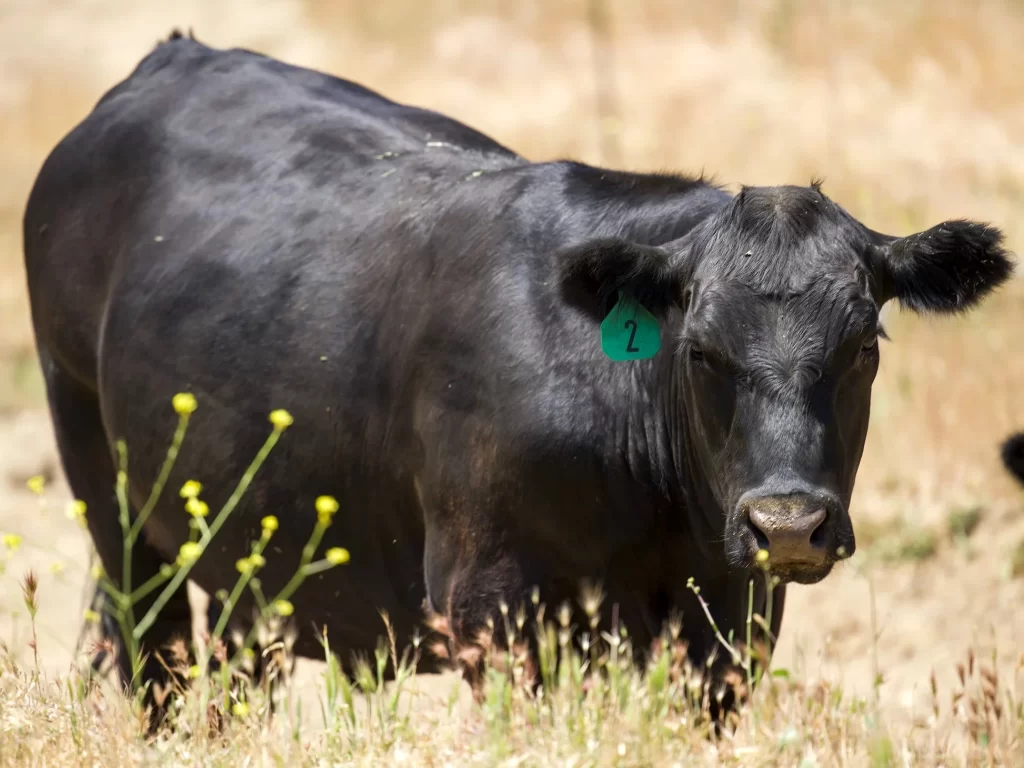
- Strengths: Exceptional marbling, consistent tenderness, polled genetics.
- Limitations: Less heat-tolerant than Brahman-influenced breeds.
- Best suited for: Ranchers looking to produce high-quality beef for premium markets.
2. Hereford:
With its white face and red body, the Hereford is one of the most recognizable cattle breeds in the world. Brought to the U.S. from England in the early 1800s, Herefords quickly adapted to diverse climates across the country.
Herefords are known for their hardiness, docile temperament, and efficient foraging. They may not have the same marbling reputation as Angus, but their beef is still tender and flavorful. Many ranchers also favor them in crossbreeding programs because they pass on easy calving and adaptability.
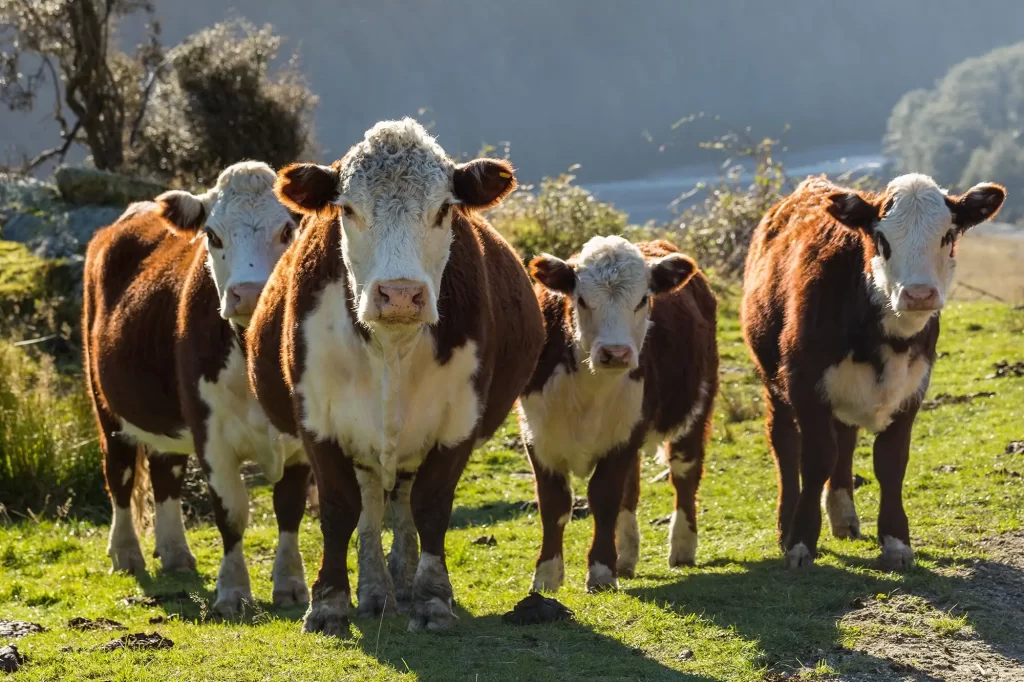
- Strengths: Hardy, adaptable, docile, great for crossbreeding.
- Limitations: Slightly less marbling compared to Angus.
- Best suited for: Ranches in harsher climates where resilience matters as much as beef quality.
3. Charolais:
Originating in France, the Charolais is a large-framed, muscular breed that has become popular in the U.S. for its fast growth and excellent feed-to-meat conversion. Their pale cream-colored coats make them easy to identify. Charolais cattle are often used in crossbreeding to add size and muscle to calves, which results in high-yield carcasses. While their meat is leaner than Angus, it appeals to consumers who prefer less fatty cuts.
- Strengths: Rapid growth, heavy muscling, great hybrid vigor.
- Limitations: Leaner meat can be less tender without careful management.
- Best suited for: Commercial beef operations aiming for high yield and efficiency.

4. Simmental:
The Simmental breed, originally from Switzerland, is one of the oldest and most versatile cattle breeds. In the U.S., Simmentals are valued for their rapid weight gain, adaptability, and strong maternal instincts. While traditionally dual-purpose (milk and meat) in Europe, the American Simmental has been bred with a focus on beef production. They produce large, high-yield carcasses with decent marbling, making them a balanced option.
- Strengths: Fast growth, good milk production, adaptable.
- Limitations: Larger size can increase feed costs.
- Best suited for: Ranchers wanting a versatile breed with strong maternal traits.

5. Red Angus:
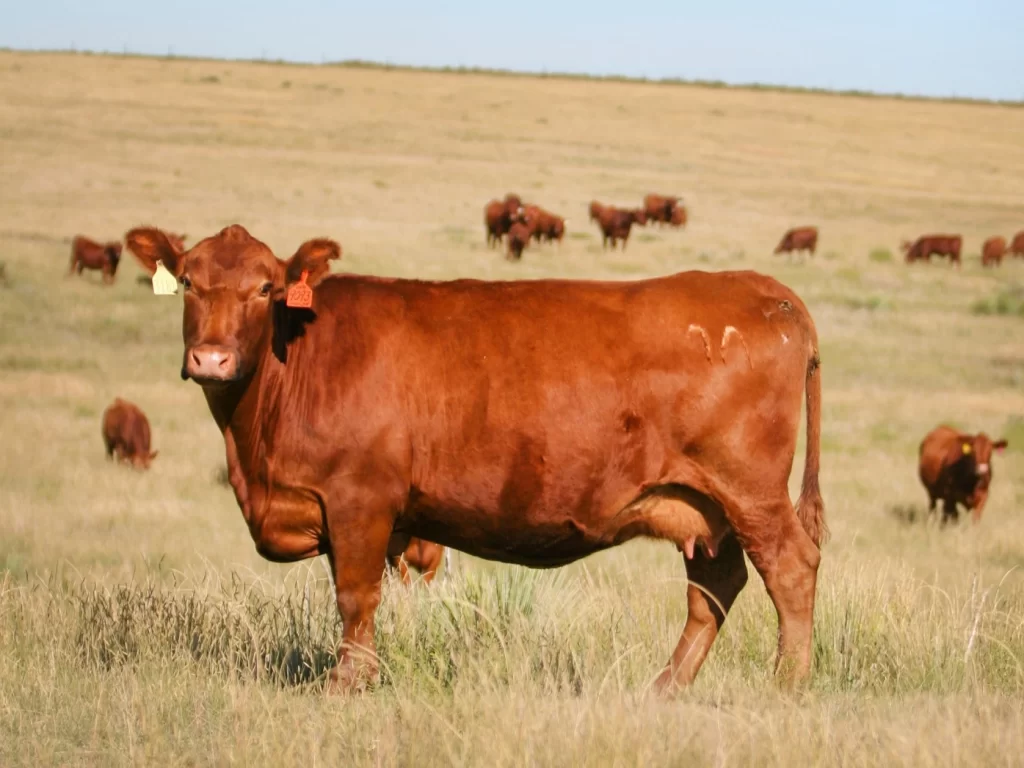
Though closely related to Black Angus, the Red Angus is a separate registry and valued in its own right. Its reddish coat provides better heat tolerance, making it popular in southern and western states. Red Angus are also prized for their fertility, calving ease, and strong maternal instincts. While not as famous as Black Angus, their beef is just as high in quality and marbling.
- Strengths: Heat tolerance, strong reproductive performance, excellent beef quality.
- Limitations: Less brand recognition than Black Angus.
- Best suited for: Farms in warmer regions that need maternal efficiency and meat quality.
6. Limousin:
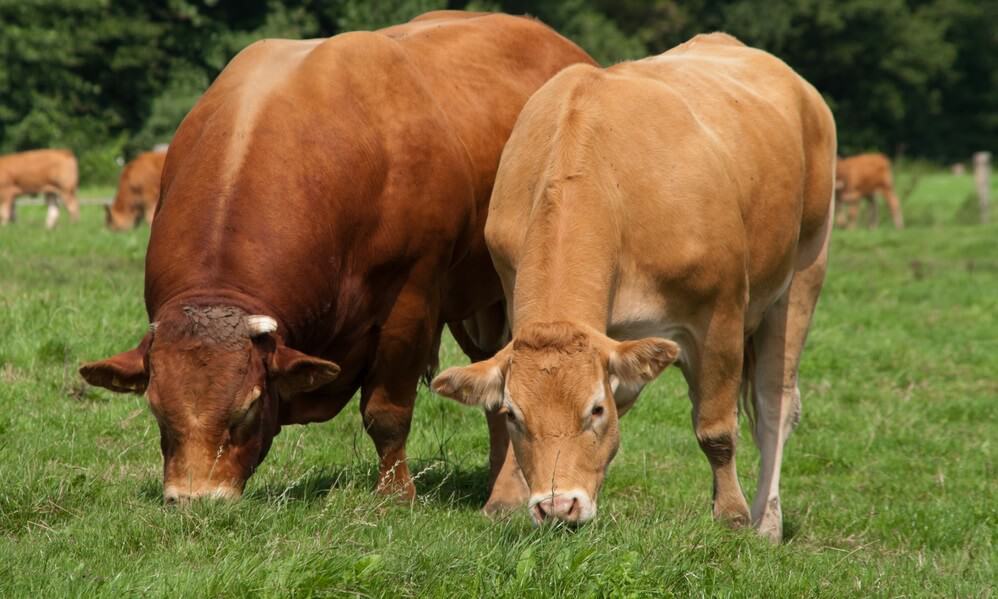
The Limousin breed, hailing from France, is celebrated for its high muscle yield and low-fat content. It produces beef that is lean yet flavorful, appealing to health-conscious consumers. In the U.S., Limousins are often used in crossbreeding to enhance muscle definition and efficiency. They also adapt well to a variety of climates, making them versatile for different regions.
- Strengths: High muscle yield, efficient feed conversion.
- Limitations: Leaner beef can sometimes lack tenderness compared to marbled breeds.
- Best suited for: Large-scale operations focused on yield and efficiency.
7. Gelbvieh:
Originating in Germany, the Gelbvieh is one of the most fertile beef cattle breeds, with strong maternal instincts and impressive weaning weights. Introduced to the U.S. in the 1970s, Gelbvieh has gained popularity for its productivity. Its beef is lean, with good muscle yield, making it a competitive option in commercial beef production. The breed is also praised for its calm temperament, which reduces stress on both the animals and handlers.
- Strengths: High fertility, strong maternal instincts, lean beef.
- Limitations: Less marbling compared to Angus.
- Best suited for: Farmers focused on reproduction and herd efficiency.

8. Brahman:
Brahman cattle, originally from India, are unmistakable with their hump, long ears, and loose skin. They thrive in hot, humid environments where other breeds struggle, making them indispensable in the southern U.S. They are resistant to parasites and heat stress, which explains their role as a foundation breed for many American hybrids like Brangus. While pure Brahman beef is less marbled, it finds strong demand in niche and export markets.
- Strengths: Heat tolerance, parasite resistance, longevity.
- Limitations: Beef quality is leaner and less tender.
- Best suited for: Ranches in the southern U.S. and humid climates.

9. Brangus:
As the name suggests, Brangus is a crossbreed between Brahman and Angus. This hybrid captures the marbling and beef quality of Angus while retaining the heat tolerance and resilience of Brahman. Brangus cattle are polled, fertile, and adaptable, making them especially popular in hot, humid regions of the U.S. Their beef offers the balance of flavor and tenderness, along with the practicality ranchers need.
- Strengths: Heat tolerance + marbling, hybrid vigor, polled genetics.
- Limitations: Slightly less marbling than pure Angus.
- Best suited for: Southern U.S. ranches seeking balanced performance.
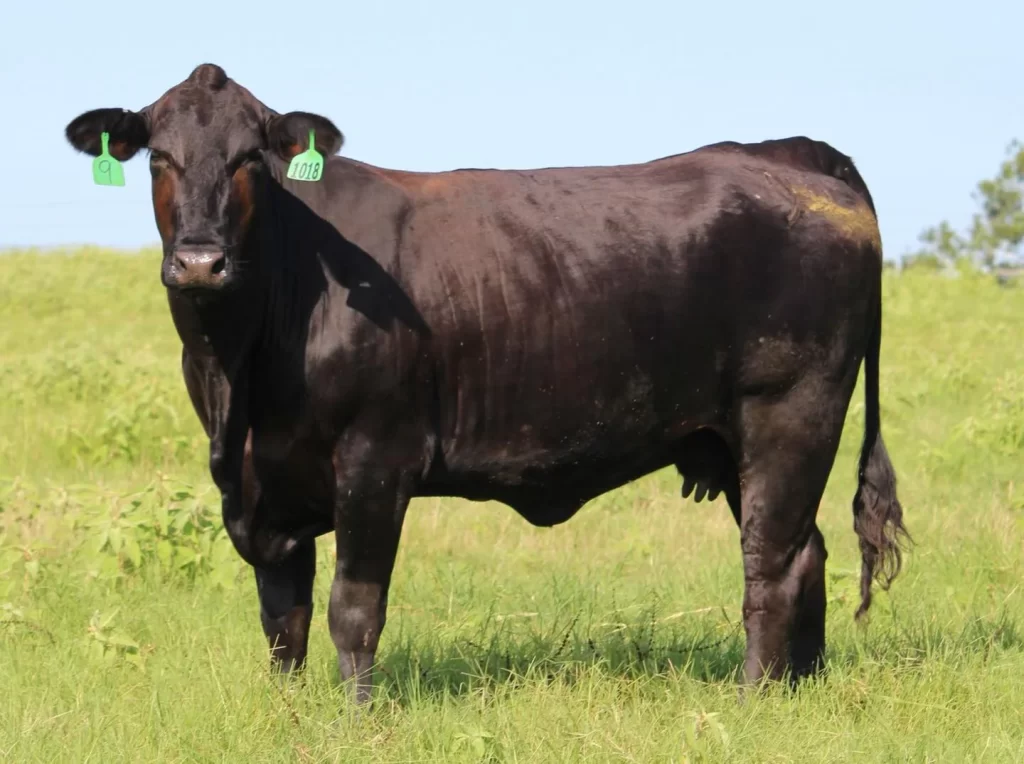
10. Texas Longhorn:
No list of U.S. cattle breeds is complete without the Texas Longhorn. Famous for its distinctive horns and role in American history, the Longhorn is more than just a symbol—it’s a practical, hardy breed. Texas Longhorns are incredibly adaptable, disease-resistant, and able to thrive on sparse forage. Their beef is leaner than commercial breeds, but it has found a niche market among health-conscious consumers.
- Strengths: Hardy, disease-resistant, lean beef, cultural appeal.
- Limitations: Less marbling and tenderness than Angus or Hereford.
- Best suited for: Ranchers catering to niche markets or maintaining heritage herds.
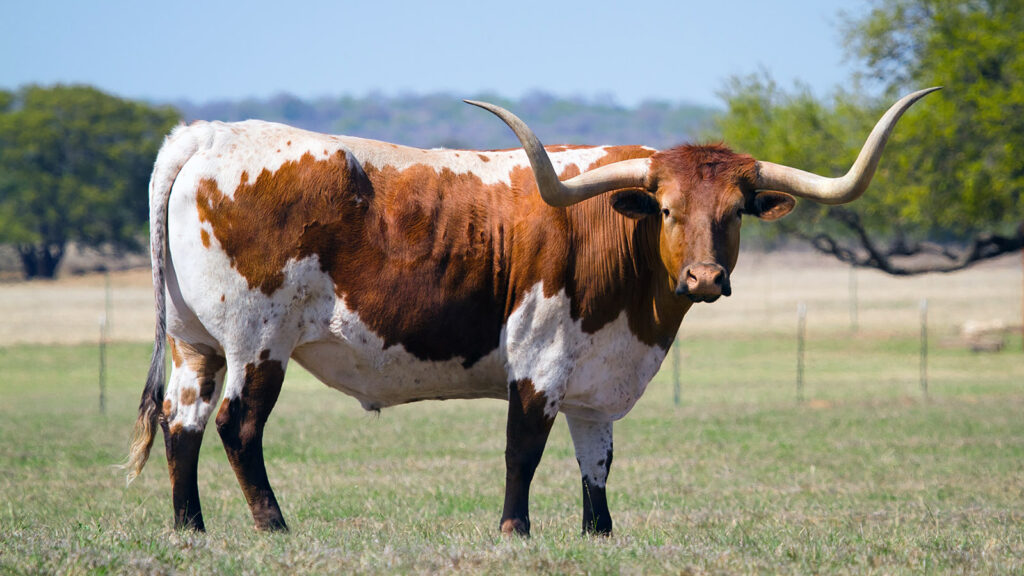
Bonus: Heritage and Rare Breeds in the U.S.
While the top 10 breeds dominate mainstream beef production, heritage and rare breeds add valuable diversity to the beef market. These cattle may not compete in terms of scale, but they appeal to consumers who seek unique flavors and ethical farming practices.
- Highland Cattle – With their shaggy coats and Scottish roots, Highlands are well-suited to cold climates and produce lean, flavorful beef.
- English Longhorn – Known for their striking horns and rich-flavored beef, they offer a niche product for specialty markets.
- Welsh Black – Hardy and versatile, traditionally dual-purpose, now gaining attention for its rich-tasting beef.
- Sussex – A red-brown breed from southern England, valued for flavorful meat and adaptability.
- Luing – A cross of Highland and Shorthorn, prized for marbled beef and longevity.
Heritage breeds are also important for genetic diversity. With growing concerns about climate change and disease resilience, these breeds could play a key role in the future of beef production.
Comparison Table: Best Beef Cattle Breeds
| Breed | Origin | Size/Growth | Meat Quality | Climate Adaptability | Key Traits |
|---|---|---|---|---|---|
| Angus | Scotland | Medium, fast | High marbling | Moderate | Premium beef quality |
| Hereford | England | Medium, hardy | Tender, less fatty | Excellent | Adaptable, docile |
| Charolais | France | Large, fast | Lean, muscular | Good | High yield |
| Simmental | Switzerland | Large, versatile | Balanced marbling | Adaptable | Strong maternal traits |
| Red Angus | Scotland | Medium | Marbled, tender | Heat tolerant | Fertile, maternal |
| Limousin | France | Large, muscular | Lean beef | Good | Efficient feed use |
| Gelbvieh | Germany | Medium | Lean beef | Good | Fertility, calm |
| Brahman | India | Medium | Leaner, tougher | Excellent in heat | Parasite-resistant |
| Brangus | U.S. | Medium | Good marbling | Heat tolerant | Hybrid vigor |
| Texas Longhorn | U.S. | Medium | Lean beef | Very hardy | Iconic, disease-resistant |
Choosing the Right Beef Cattle Breed for Your Farm
Selecting the best beef cattle for your operation is not about picking the most popular breed—it’s about finding the right fit for your land, climate, and market.
- For premium beef markets: Angus and Red Angus are excellent choices due to their marbling and consumer recognition.
- For harsh climates: Hereford, Brahman, and Brangus are better suited to challenging environments.
- For high-yield operations: Charolais and Limousin provide excellent carcass weights and efficiency.
- For small farms and niche markets: Heritage breeds like Highland or Texas Longhorn can attract customers looking for unique, grass-fed beef.
Also consider future trends. With rising interest in sustainability, grass-fed beef, and heritage breeds, choosing cattle that can adapt to new consumer demands may provide long-term advantages.
The United States is home to a wide range of beef cattle breeds, each with its own strengths and appeal. Angus leads the pack with unmatched marbling, while Hereford and Charolais offer resilience and growth efficiency. Hybrid breeds like Brangus show how ranchers combine the best traits of different cattle to meet the challenges of climate and market demand.
Meanwhile, heritage breeds continue to remind us of the value of diversity in agriculture. From Highland cattle with their rugged coats to the iconic Texas Longhorn, these breeds bring unique flavors and resilience to the table.
Ultimately, the best beef cattle for you depends on your goals. Whether you’re a rancher seeking high yield, a small farmer catering to niche consumers, or simply a beef enthusiast curious about where your steak comes from, understanding these breeds helps you appreciate the depth of America’s cattle industry.
FAQs
What is the most common beef cattle breed in the U.S.?
The Angus breed, particularly Black Angus, is the most common and dominates branded beef programs like Certified Angus Beef.
Which beef cattle breed produces the best-tasting beef?
Angus is often considered the best for marbling and flavor, but heritage breeds like Highland and Longhorn also produce unique, flavorful beef.
What cattle breed is best for beginners?
Hereford and Angus are often recommended for beginners because of their docile nature and adaptability.
Are Longhorn cattle good for beef production today?
Yes, while not as common in mainstream markets, Longhorns are valued for lean beef, disease resistance, and heritage appeal.
Which beef cattle breed is the most profitable for U.S. ranchers?
Profitability often depends on feed costs, market demand, and carcass quality. Angus and Angus-cross cattle usually fetch premium prices, but breeds like Charolais and Limousin can be more profitable in terms of yield.