Table of Contents
There’s something incredibly satisfying about plucking a sun-ripened, softball-sized peach straight from your backyard tree. But achieving this kind of peach perfection doesn’t happen by chance. Growing bigger peaches requires the right combination of variety selection, cultural practices, timing, and care. Whether you’re a backyard gardener or a small-scale orchardist, mastering a few key techniques can dramatically improve the size, sweetness, and quality of your harvest.
In this comprehensive guide, you’ll learn expert-backed strategies to maximise the size of your peaches—from planting the right cultivars to advanced thinning and fertilising practices.
Choose the Right Peach Varieties for Bigger Fruits
Not all peach trees are created equal. Some varieties naturally produce smaller fruits, while others are genetically predisposed to yield large, juicy peaches. If your goal is to grow bigger peaches, start by selecting high-yield, large-fruit cultivars.
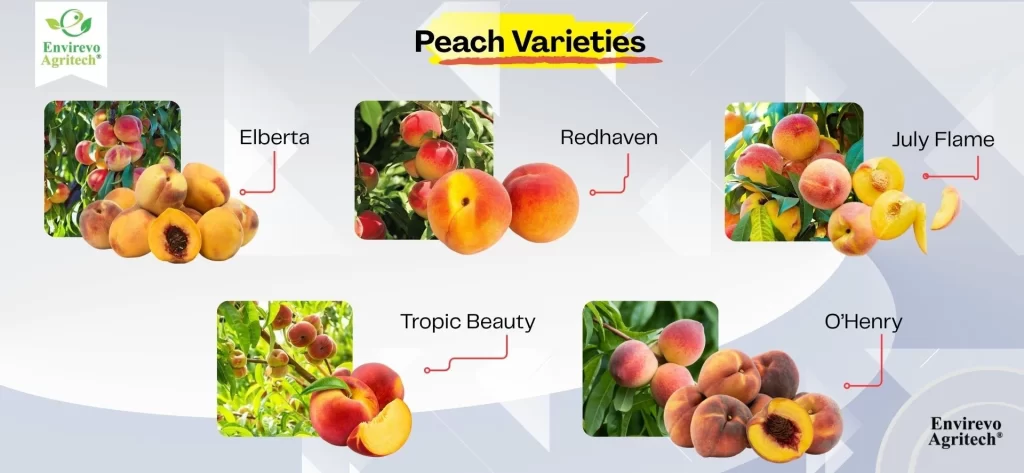
Recommended Varieties for Large Peaches:
- Elberta: A classic freestone peach with large, golden-yellow fruit and a blush of red.
- Redhaven: Known for its firm, flavorful flesh and excellent size.
- July Flame: Produces large, juicy peaches early in the season.
- Tropic Beauty: Ideal for warmer climates; produces early and large fruit.
- O’Henry: A heavy producer with large, firm, red-blushed peaches.
Tips for Choosing Varieties:
- Match to Your USDA Hardiness Zone: Ensure the variety is well-suited to your local climate.
- Chill Hour Requirements: Select varieties based on the number of chill hours (hours below 45°F) your region typically receives.
- Freestone vs. Clingstone: Freestone varieties are easier to pit and eat, while clingstone peaches are often juicier—your choice depends on preference.
By starting with the right genetic foundation, you increase your chances of growing peaches that are both big and delicious.
Plant Trees with Proper Spacing and Sunlight Access
After choosing a large-fruit variety, proper planting is the next critical step. Peach trees need room to grow and plenty of sunlight to thrive and produce large fruit.
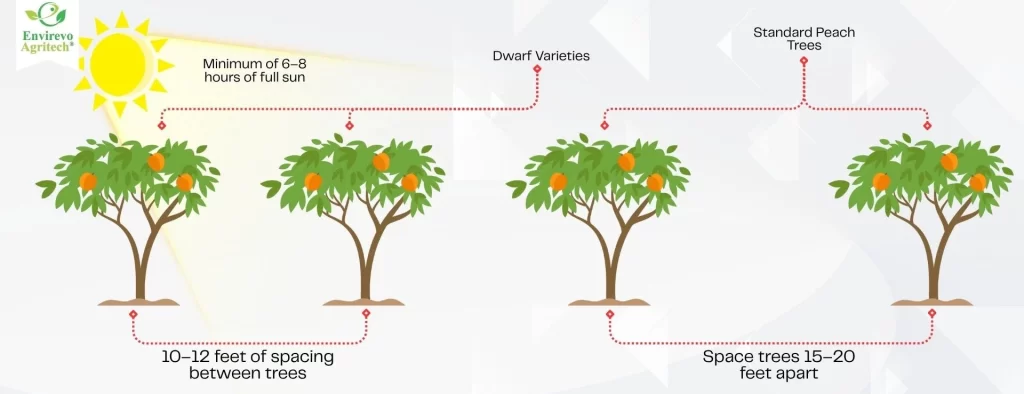
Spacing Guidelines:
- Standard Peach Trees: Space trees 15–20 feet apart.
- Dwarf Varieties: Allow 10–12 feet of spacing between trees.
Overcrowded trees will compete for nutrients, sunlight, and water—resulting in small or underdeveloped fruit. Proper spacing ensures each tree has the resources it needs to maximize growth and fruit size.
Sunlight Matters:
Peach trees are sun lovers. A minimum of 6–8 hours of full sun per day is essential for proper fruit development. Lack of sunlight often results in smaller, less flavorful peaches.
Prepare and Maintain Nutrient-Rich Soil
Soil quality plays a huge role in determining fruit size. Poor soil will stunt root growth and limit the tree’s ability to absorb water and nutrients, directly impacting the size of your peaches.
Ideal Soil Conditions:
- pH Level: 6.0 to 6.5 is ideal.
- Texture: Loamy soil that is well-draining.
- Nutrient Content: Rich in organic matter with balanced levels of nitrogen, phosphorus, and potassium.
Soil Preparation Tips:
- Before Planting: Incorporate well-rotted compost or aged manure into the planting site.
- Conduct a Soil Test: Identify deficiencies and amend accordingly.
- Add Mulch: A 2–4 inch layer of organic mulch helps retain moisture, suppress weeds, and improve soil texture over time.
Trees planted in well-prepared, fertile soil have a stronger start and develop more extensive root systems, allowing them to support larger fruit loads.
Deep and Consistent Watering is Critical
Watering isn’t just about keeping your trees alive—it’s a vital factor in peach fruit enlargement. Inconsistent or shallow watering stresses the tree, leading to small, dry, or cracked fruit.
Best Practices for Watering Peach Trees:
- Deep Soak Method: Water deeply once or twice a week to encourage deep root growth.
- Timing: Increase watering during bloom, fruit set, and fruit swelling stages.
- Avoid Waterlogging: Ensure the soil drains well—standing water can cause root rot.
A mature peach tree typically needs 1 to 2 inches of water per week, depending on temperature and soil type. During fruit development, especially in hot climates, trees may need more frequent irrigation.
Fertilise Strategically to Fuel Growth
Fertilisation gives your peach tree the nutrients it needs to support both vegetative growth and fruit development. However, over-fertilisation—especially with nitrogen—can lead to excessive leafy growth at the expense of fruit size.
When to Fertilise:
- Early Spring: Apply a balanced fertiliser (e.g., 10-10-10) before bud break.
- Post Fruit Set: Use a lighter application to support fruit growth.
- After Harvest: A final feeding helps replenish tree’s energy and supports next year’s growth.
Signs of Nutrient Deficiency:
- Nitrogen: Pale or yellow leaves, stunted growth.
- Phosphorus: Purplish foliage, poor root development.
- Potassium: Leaf browning, small or misshapen fruit.
Consider supplementing with organic options like compost tea, seaweed extract, or fish emulsion to provide a gentle, steady nutrient boost throughout the season.
Tip: Apply fertilizer in a circle around the tree, but keep it at least 18 inches away from the trunk. This encourages the roots to spread outward, rather than in on themselves.
Thinning: The Secret to Super-Sized Peaches
One of the most effective yet overlooked techniques for increasing peach size is thinning. When too many fruits develop on a single branch, the tree spreads its energy thinly—resulting in small, underwhelming peaches.
How and When to Thin:
- Timing: Thin 3–4 weeks after bloom, when fruit is marble-sized.
- Spacing: Leave 6–8 inches between each peach.
- Tools: Use clean fingers or small pruners to remove excess fruit.
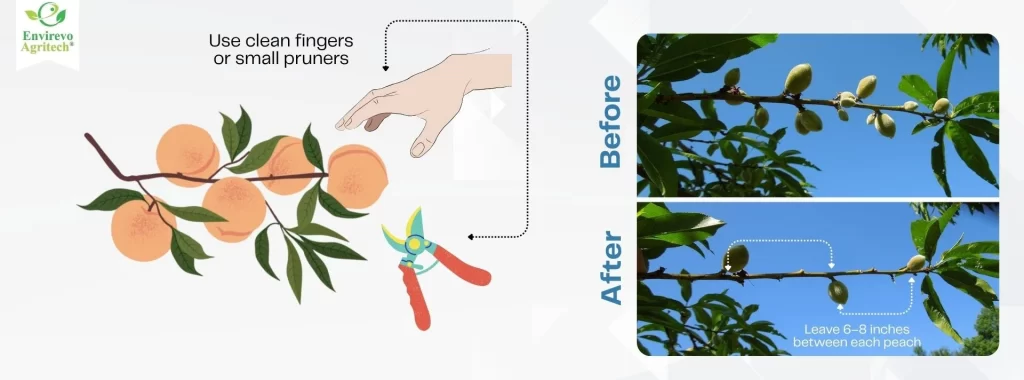
Benefits of Thinning:
- Increases fruit size by reducing competition.
- Prevents branch breakage due to overload.
- Improves air circulation, reducing disease risk.
While it might feel counterintuitive to remove healthy fruit, thinning ensures the remaining peaches grow bigger and taste better.
Prune Annually to Promote Strong Fruiting Wood
Pruning is essential not just for tree shape but for fruit quality and size. Proper pruning enhances sunlight penetration, air circulation, and encourages the growth of productive fruiting wood.
Key Pruning Guidelines:
- Best Time: Late winter or early spring, before bud break.
- Goal: Maintain an open centre (vase shape) that allows light to reach all branches.
- Remove:
- Dead or diseased limbs.
- Vertical water sprouts.
- Overlapping or crowded branches.
- Older wood that no longer produces fruit.
Pruning rejuvenates your tree each year, directing its energy into producing high-quality, sizable peaches.
Control Pests and Diseases That Hinder Growth
Even with perfect care, pests and diseases can sabotage your efforts by damaging leaves, roots, or fruit—leading to poor fruit size or drop before maturity.
Common Peach Pests:
- Peach Twig Borer: Tunnels into twigs and fruit.
- Aphids: Sap-suckers that weaken young shoots.
- Oriental Fruit Moth: Larvae bore into fruit.
Common Diseases:
- Peach Leaf Curl: Causes puckered leaves and poor fruit set.
- Brown Rot: A Fungal infection that ruins ripening fruit.
Integrated Pest Management (IPM) Tips:
- Monitor Regularly: Inspect leaves and fruit weekly.
- Use Dormant Oil Sprays: Controls overwintering pests and diseases.
- Apply Neem Oil or Insecticidal Soap: Organic solutions for common pests.
- Practice Sanitation: Clean fallen fruit and prune infected branches promptly.
A healthy tree free from stress is better equipped to channel its energy into growing large, luscious peaches.
Timing Your Harvest for Maximum Size and Flavor
Harvesting at the right time ensures you enjoy the full size and flavor potential of your peaches. Picking too early not only sacrifices sweetness but may also mean the fruit hasn’t reached its full size.
Signs Your Peaches Are Ready:
- Full colour with no green undertones.
- A slight softness to touch near the stem.
- Peaches easily pull away from the branch with a gentle twist.
Avoid picking while fruit is still hard—even if it has good colour—because size and sugar content increase rapidly in the final days of ripening.
Avoid These Common Mistakes
Even seasoned gardeners make errors that can lead to small or underdeveloped peaches. Avoid these pitfalls to stay on track:
- Overwatering or poor drainage: Causes root rot and nutrient leaching.
- Neglecting to thin: Leads to small, crowded fruit.
- Skipping pruning: Reduces light and energy distribution.
- Ignoring pest signs: Allows unchecked damage to fruit and leaves.
- Over-fertilizing with nitrogen: Promotes foliage over fruit.
By staying aware of these common issues, you can troubleshoot problems early and keep your peach trees on the path to success.
That’s It!
Growing bigger peaches isn’t about magic—it’s about mastering the details. From choosing the right variety and preparing nutrient-rich soil to thinning diligently and pruning wisely, every step matters. A healthy, well-tended peach tree will thank you with harvests that are not only bigger, but juicier, sweeter, and more satisfying.
Whether you’re growing one tree in your backyard or managing a small orchard, the principles in this guide can help you elevate your peach-growing game to expert level.