Table of Contents
You spend months nurturing your garden—tending to tomatoes, watching squash blossom, and patiently waiting for that perfect pepper harvest. Then one morning, disaster strikes. Plants are chewed to the stem, fresh dirt is mounded beside gaping holes, and a fat little furball waddles off like it owns the place. Sound familiar? You’ve likely just met your not-so-welcome neighbor: the groundhog, also known as the woodchuck.
These deceptively charming critters are digging machines with appetites to match, and once they set their sights on your garden, they won’t leave without a fight. But don’t worry—this guide has everything you need to humanely outsmart, deter, and reclaim your garden from these persistent pests. Let’s dig in (pun intended).
What Are Groundhogs/Groundhogs?
To effectively deter woodchucks, it helps to first understand their biology and behavior. Belonging to the marmot family, woodchucks are large rodents found throughout the north and southeastern United States. They’re primarily herbivores, feeding on grasses, vegetables, flowers, and occasionally bark.
Woodchucks are notorious for their elaborate burrow systems, which can reach depths of up to five feet and extend 30 feet in length. These tunnels often include multiple entrances and can pose structural threats to foundations, sheds, and other garden structures. They are most active during early morning and late afternoon and hibernate from late fall to early spring. Their peak garden activity occurs during mid-to-late summer when plants are most abundant.
One of the biggest challenges with woodchucks is their territorial behavior. Once they establish a burrow and feeding area, they’re unlikely to leave without persistent pressure. Their burrow entrances are typically 10–12 inches wide and surrounded by mounds of excavated soil, making them relatively easy to identify.

| Botanical name | Marmota monax |
| Native region | North America |
| Length | 16-22 inches |
| Weight | 5-13 pounds |
| Fur color | Brownish gray |
| Life span | 3-4 Years |
| Tail | Short |
Signs of Woodchuck/Groundhog Infestation
Recognizing the presence of a woodchuck early can help prevent extensive garden damage. Here are some key indicators:
- Visible Burrows: Look for round holes (10–12 inches wide) with freshly dug soil around the entrance, usually near fences, decks, or garden borders.
- Grazing Damage: Groundhogs prefer broadleaf plants like beans, peas, clover, lettuce, and flowers. Damage typically occurs low to the ground with clean-cut bites.
- Eating Time: Groundhogs eat mostly during the early morning and afternoon, so try to see when your garden is receiving the most damage. These creatures will also gnaw and claw at fruit trees, so check your trees for any such marks.
- Trampled Paths: Woodchucks tend to follow the same routes, creating worn trails in the grass or soil.
- Fecal Droppings: Oval-shaped and dark in color, these may be found near feeding areas or entrances.
- Noise and Activity: You might hear them “whistle” when alarmed—hence their nickname “whistle-pigs.”

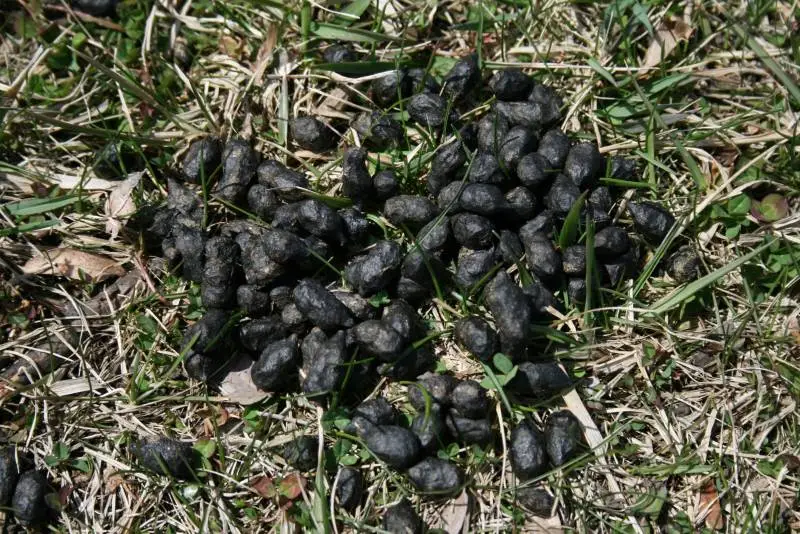
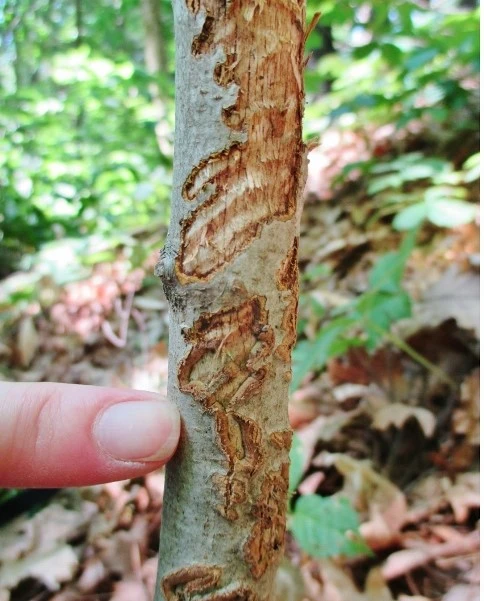
Spotting these signs early gives you a head start in implementing deterrents before significant destruction occurs.
How To Get Rid of Groundhogs
Natural and Scent-Based Repellents
For those who want a non-lethal, environmentally friendly approach to deterring woodchucks, scent-based and natural repellents offer a great first line of defense. These strategies target a woodchuck’s strong sense of smell and natural aversion to certain odors.
Castor Oil Solutions
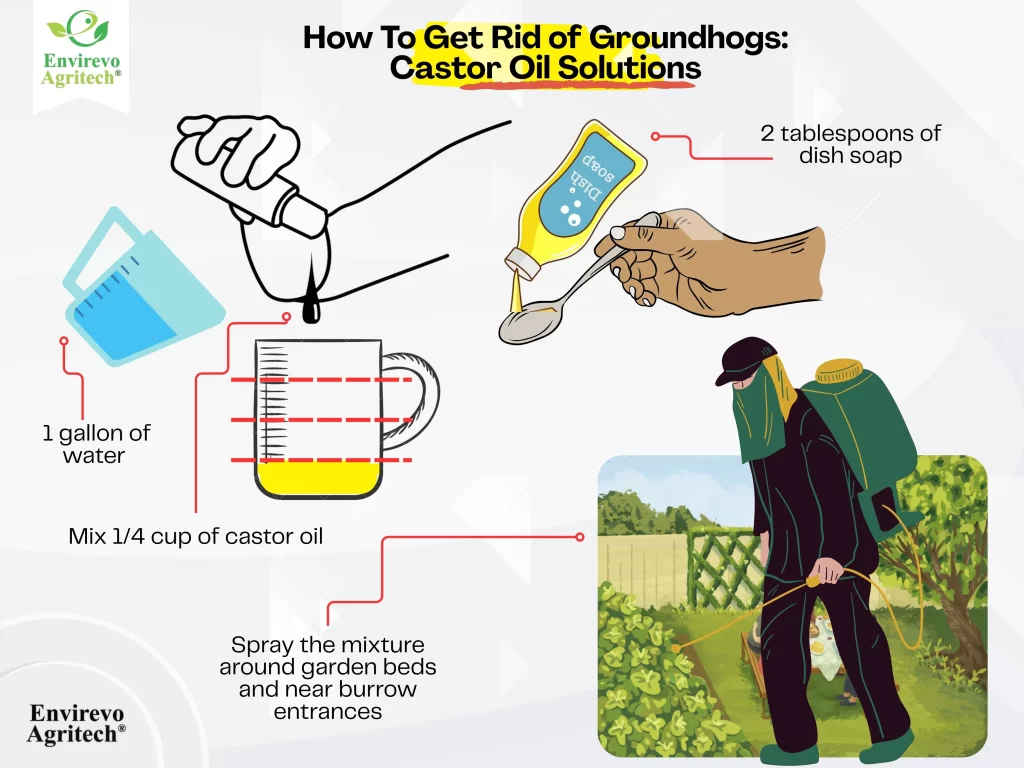
Castor oil is a widely used ingredient in natural rodent repellents. You can create your own solution by mixing 1/4 cup of castor oil, 2 tablespoons of dish soap, and 1 gallon of water. Spray the mixture around garden beds and near burrow entrances. The taste and smell discourage feeding and nesting.
Epsom Salt
Epsom salt can be an effective, natural, and humane way to deter groundhogs from invading your garden or yard. The idea is to sprinkle the salt generously along the perimeter of your garden as well as directly around any known groundhog burrows. The presence of Epsom salt creates an environment that is uncomfortable for the animals, encouraging them to move elsewhere without causing them harm.
One of the key advantages of this method is its affordability and simplicity—Epsom salt is inexpensive and easy to use. However, it’s important to note that this is not a long-term, permanent solution. Environmental factors such as rainfall and watering can dilute or wash away the salt, reducing its effectiveness. Therefore, you’ll need to reapply the salt periodically, especially after heavy rain, to maintain a deterrent effect.
Predator Urine
Fox or coyote urine (available at garden centers or online) can be used to simulate the presence of predators. Apply around the perimeter of the garden and near burrows. Reapplication is necessary after rain or every two weeks for sustained effectiveness. Gardeners have had the most success using cat-urine-soaked kitty litter as a groundhog repellent. The urine smell works to drive away groundhogs.
Other Strong Odors
- Garlic and Hot Pepper Spray: Blend garlic cloves and hot peppers with water. Strain and spray around vulnerable plants.
- Used Kitty Litter: Pouring used (non-clumping) kitty litter near burrow entrances can make groundhogs think a predator is nearby.
- Human Hair or Soap: Some gardeners report success by spreading human hair clippings or strongly scented soap (like Irish Spring) around the garden.
While scent-based deterrents are not foolproof, they work best when combined with other preventive methods and reapplied frequently.
Related: How To Get Rid Of Moles In Your Lawn: Best ways To Stop Moles
Physical Barriers and Fencing
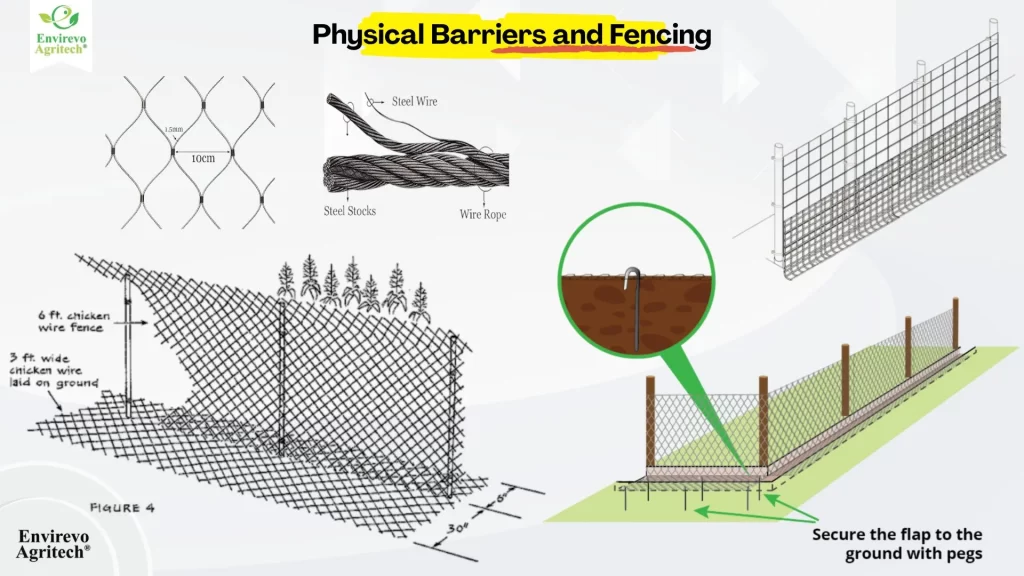
When it comes to long-term prevention, few solutions are as effective as a well-built barrier. Groundhogs are skilled diggers and surprisingly capable climbers, so traditional fencing often fails unless designed specifically to stop them.
Groundhog-Proof Fencing Tips:
- Height: The fence should be at least 3 to 4 feet high.
- Burying the Fence: Extend the bottom of the fence at least 12 to 18 inches underground. Bend it outward at a 90-degree angle to discourage digging.
- Angled Top: Curve the top 12 inches of the fence outward to prevent climbing.
- Material: Use sturdy, galvanized hardware cloth or chicken wire with holes no larger than 1 inch.
Electric Fences
For persistent woodchucks, an electric fence may be necessary. A two-strand electric fence—with one wire at 4 inches above ground and another at 8 inches—can deliver a mild shock that conditions the animal to stay away. Solar-powered units are a practical choice for gardens without nearby power sources.
Garden Design and Habitat Modification
Groundhogs are opportunists. The more appealing your garden is, the more likely they’ll stay. A few landscape design adjustments can make your space less hospitable.
Eliminate Shelter and Cover
Woodchucks prefer to stay near cover. Removing brush piles, trimming tall grass, and cleaning up fallen branches can reduce the safety of your yard for these critters.
Secure Structures
Inspect and seal the undersides of decks, sheds, and porches. Groundhogs often build burrows beneath these structures, using them as secure entry points into your yard. Use hardware cloth to close off access points, ensuring the barrier extends underground.
Plant Selection
While not a guaranteed solution, interplanting certain species that woodchucks dislike may help. These include:
- Daffodils
- Lavender
- Chives
- Mint
- Yarrow
- Foxglove
Planting these around the border of your vegetable garden can create a natural barrier.
Motion-Activated Devices and Visual Deterrents
Scare tactics can be effective, especially when used in conjunction with other methods. These solutions work best when they’re surprising and unpredictable.
Motion-Activated Sprinklers
These devices spray water when motion is detected, startling woodchucks and encouraging them to stay away. Brands like Havahart’s Spray Away offer eco-friendly deterrence.
Noise and Light Repellents
Ultrasonic devices, wind chimes, and even solar-powered blinking lights can deter woodchucks. These work best in open areas and require periodic repositioning to maintain effectiveness.
Visual Scare Devices
- Owl or hawk decoys
- Reflective tape
- Mylar balloons or pinwheels
To maintain their effectiveness, move these visual deterrents every few days.
Trapping and Relocation (Use with Caution)
Live trapping may be necessary when woodchucks are causing substantial damage and other deterrents have failed. However, trapping and relocation come with several caveats.
Steps for Humane Trapping:
- Choose the Right Trap: A heavy-duty live trap, 32–36 inches long, with a sensitive trigger.
- Use Effective Bait: Cantaloupe, apples, carrots, or lettuce are ideal.
- Location: Place traps near burrow entrances or in travel paths.
- Camouflage: Cover the trap with grass or leaves to make it less suspicious.
Legal Considerations
Many U.S. states require permits for wildlife relocation, and in some areas, it is illegal altogether. Always consult with local wildlife authorities or hire a licensed trapper.
One-Way Door Exclusion
For woodchucks burrowing under buildings, a one-way door system allows them to exit but not return. Once the animal is out, seal the entrance with heavy wire mesh and reinforce it with soil or gravel.
Integrating Strategies for Long-Term Success
The most successful woodchuck deterrent plans combine multiple strategies into a unified approach. Here’s how to build a comprehensive defense system:
- Start Early in the Season: Begin deterrents in early spring before groundhogs become active.
- Layer Methods: Use fencing, repellents, and scare tactics together.
- Monitor and Rotate: Change the placement of decoys and refresh scent repellents regularly.
- Fill Abandoned Burrows: Once you’re sure a burrow is empty, collapse it and fill with rocks, gravel, or soil to prevent reuse.
- Work with Neighbors: A coordinated effort in your neighborhood or community garden ensures wider success.
Consistency and observation are key. Deterring woodchucks isn’t a one-time fix—it’s a seasonal effort.
Chemical Repellents
Chemical and Commercial solutions are available to help control or eliminate groundhogs, but it’s important to approach them with caution and legal awareness, as many states restrict lethal control methods for wildlife. Below are effective options, both repellent-based and lethal, along with product suggestions:
| Product Name | Type | Key Ingredients | Effect | Usage Notes |
| Bonide® Repels-All | Repellent (Spray/Granule) | Garlic, dried blood, putrescent egg solids | Smell/taste repellent | Apply around garden beds and burrow entrances every 2–4 weeks or after rain |
| Liquid Fence® Groundhog Repellent | Repellent (Liquid) | Garlic, putrescent egg, fish proteins | Smell/taste repellent | Spray on plant foliage and near burrows; rain-resistant once dry |
| Havahart® Critter Ridder | Repellent (Granules) | Capsaicin, oil of black pepper | Irritates feet, mouth, and nose | Sprinkle around problem areas; reapply as needed |
| Shake-Away® Rodent Repellent | Repellent (Granules) | Fox or coyote urine | Predator scent—triggers fear response | Place near burrow entrances or known paths; best used dry |
| Giant Destroyer Smoke Bomb | Lethal (Gas Cartridge) | Sulfur-based explosive compound | Produces lethal gas inside burrows | Insert into active burrow and seal; use only if legal and with great caution |
| Rodenticide Baits | Lethal (Poison Bait) | Anticoagulants or neurotoxins | Kills through ingestion | Not recommended; high risk to pets, wildlife, and humans |
☠️ Lethal Control: These are last-resort methods and may be restricted or illegal in your area. Always check with local wildlife control or your state’s Department of Natural Resources.
🚫 Important: These methods may violate animal cruelty laws if misused and are banned in many residential zones.
Best Practice: Start with humane repellents and habitat modification. If the issue persists and lethal methods seem necessary, contact a licensed pest control professional to stay compliant with local laws.
Do Groundhogs Hibernate?
Yes, groundhogs do hibernate—and they are one of the few true hibernators in the animal kingdom. Each year, typically from late October or November through early spring (February or March), groundhogs enter a deep state of dormancy. During this time, their body temperature, heart rate, and metabolism drop drastically, allowing them to survive without food or water. They rely entirely on fat reserves accumulated during the warmer months and remain curled up in their winter dens for 4.5 to 5.5 months, resting in near-total stillness.
Final Thoughts
Woodchucks may be persistent, but they’re not unbeatable. With the right combination of fencing, repellents, habitat modification, and occasional scare tactics, you can protect your garden from these hungry herbivores without resorting to harmful methods.
Patience, planning, and consistency are the foundation of a groundhog-free garden. By understanding their behavior and implementing a multi-layered approach, you’ll not only save your vegetables—you’ll save your sanity.
Whether you’re a weekend gardener or a homesteading enthusiast, these humane and effective woodchuck deterrent strategies will help you take back your garden space once and for all.