Table of Contents
Cabbage maggots. If you’ve found this article, chances are you or someone you know has fallen victim to these tiny but destructive garden pests. You’re not alone. Worldwide, cabbage maggots are one of the most persistent enemies of gardeners, homesteaders, and farmers alike—particularly those who cherish their cabbages, broccoli, Brussels sprouts, radishes, and other precious Brassica crops. This isn’t just a blog post; it’s your in-depth, actionable guide packed with expert insights, science-backed strategies, practical tips and advice to help you reclaim your crops and enjoy abundant Brassica harvests.
Why Cabbage Maggots Matter
Nothing matches the satisfaction of harvesting your own cabbage heads, vibrant bok choy, or spicy radishes… unless those crops are suddenly wilting, yellowing, or dying from the bottom up, roots rotting and unsalvageable. The silent culprit? The cabbage maggot—the larval stage of a small, unassuming fly, but make no mistake, these maggots can undo entire garden seasons if left unchecked.
What Are Cabbage Maggots? – Identification and Lifecycle
Before you can defeat the enemy, you must know it well.
Identifying Cabbage Maggots
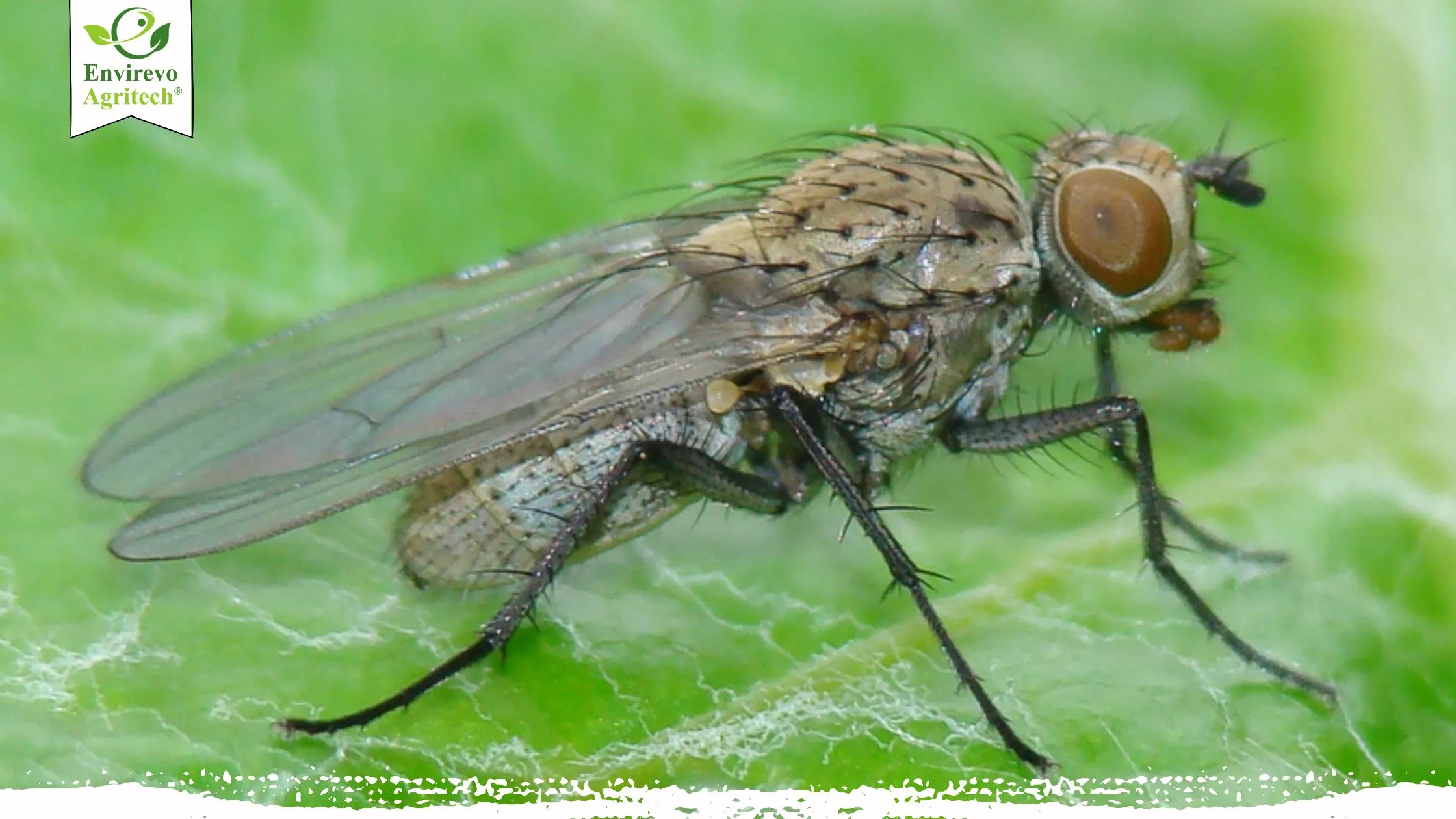
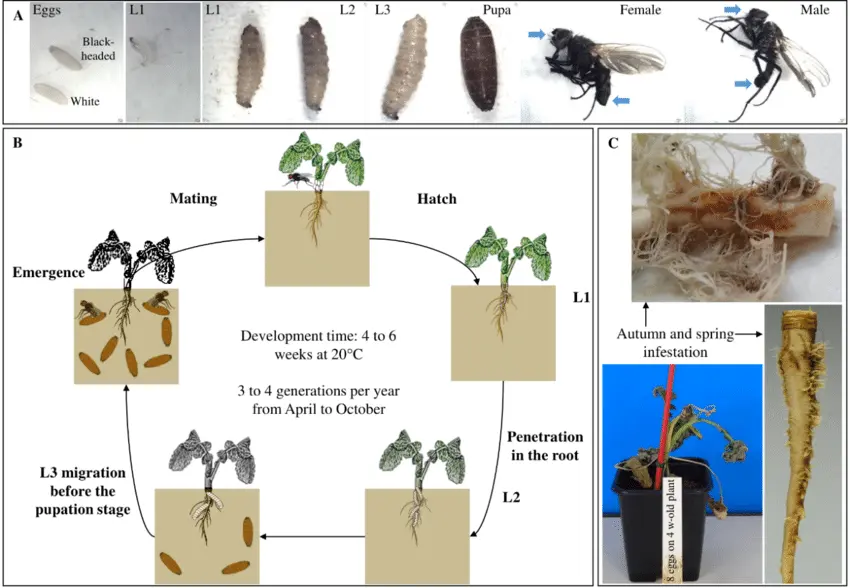
Cabbage maggot is the common name for the larval stage of the cabbage fly (Delia radicum), a small, grayish fly about half the size of the common housefly. The flies themselves appear early in spring, attracted to the moist soil and scent of freshly growing or recently transplanted Brassica plants.
- Eggs: Tiny, white, oval eggs are laid in clusters at the base of host plants, often hidden within cracks in the soil.
- Larvae (Maggots): After hatching, the maggots are legless, slender, off-white, and grow to about 1cm long.
- Pupae: After feeding for a few weeks, maggots pupate in the soil, emerging as adults ready to continue the cycle.

Lifecycle and Timing
- Early spring: Adult flies emerge and lay eggs at the soil line near susceptible plants.
- Eggs hatch in a few days: Maggots immediately tunnel into the soil, attacking root systems.
- Feeding period: Larvae feed on roots for 2-4 weeks, causing direct damage and reducing plant vigor.
- Pupation: Maggots transform into pupae and rest in soil for another 2-4 weeks before more flies emerge.
- Cooler regions: Typically 1-2 generations per year.
- Warmer climates: Up to 3-4 overlapping cycles possible.
Signs & Symptoms of Cabbage Maggot Infestation
Early detection is your best chance at saving crops.
Above-Ground Symptoms
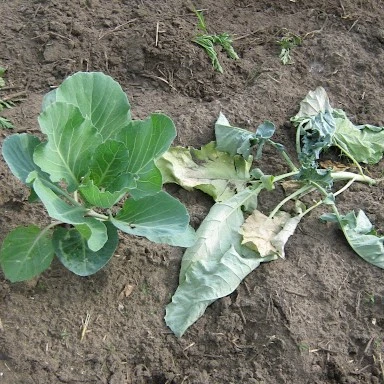
- Wilting: Plants wilt despite adequate watering—classic drought symptoms without dry soil.
- Yellowing: Leaves (especially outer leaves) fade from green to yellow.
- Stunting: New growth slows or stops; heads form poorly or not at all.


Below-Ground Clues
- Root examination: Uproot a wilted plant and look for:
- Brown, mushy, or waterlogged roots.
- Visible tunneling and feeding marks—channels or “tracks” bored through the root tissue.
- Clusters of white, wiggling maggots inside or on the roots.
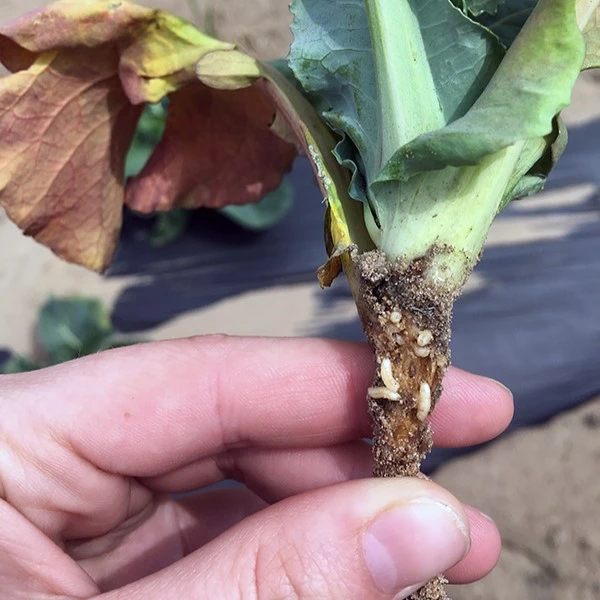
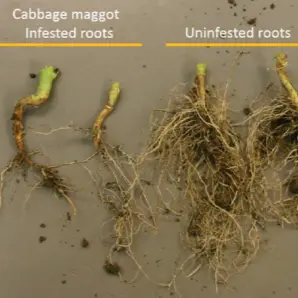
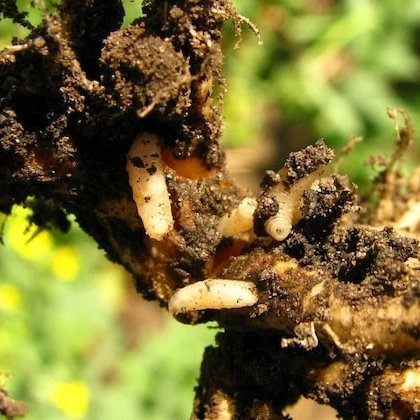
It’s easy to confuse cabbage maggot damage with drought, nutrient deficiencies, or even fungal wilt diseases. The smoking gun is almost always visible maggots inside the roots, especially if you slice open the lower stem or main root and see them feeding inside. Timely inspection is key: Don’t wait until plants topple before checking!
How Do Cabbage Maggots Spread?
To defeat a pest, know where it comes from and when it strikes.
Flight Range and Sources
- Short fliers: Adult cabbage flies usually stay close to their emergence site—most infestations crop up around where you grew cabbages or other Brassicas in previous years.
- Soil hibernation: Pupae overwinter in the soil, making crop residue and missed roots a persistent risk.
Environmental Factors
- Cool, moist soil: Cabbage maggot eggs and larvae thrive in cool (10–20°C), damp conditions.
- High-risk seasons: Spring is the most dangerous for new transplants, but in mild climates, second and third generations can strike in late summer and fall.
Human Factors
- Poor crop rotation: Growing Brassicas in the same spot each year builds up maggot populations.
- Unmanaged residues: Old plant debris and roots left in the soil are breeding grounds for new maggots.
Being strategic about your planting schedule, crop placement, and garden sanitation will directly influence your risk each season.
Prevention: Best Practices for Keeping Cabbage Maggots Away
The foundation of good maggot control is prevention. Chemical rescue sprays rarely work—your best move is stopping infestations before they start.
- Crop Rotation: Don’t plant Brassicas in the same spot two years in a row. Rotate with unrelated crops such as beans, corn, or tomatoes. Three-year rotations are best in infested areas.
- Garden Sanitation:
- Remove all crop debris and roots after harvest.
- Compost thoroughly before re-introducing garden matter to beds.
- Till (or at least disturb) soil to expose overwintering pupae.
- Timing Is Everything:
- Delay spring planting until late spring or early summer, after the main flush of cabbage fly egg laying.
- In cold climates, start cabbage seeds indoors and transplant after the first generation of flies has hatched and died out.
- Soil Preparation:
- If you use manure, apply it the fall before spring planting, not immediately before. Fresh manure can attract egg-laying flies.
- Allow garden beds to rest for a few weeks after turning under any green manure or roots.
Combined, these preventive steps break the maggot lifecycle, starve out residual populations, and give your crops a head start.
Physical Barriers & Garden Management
Row Covers
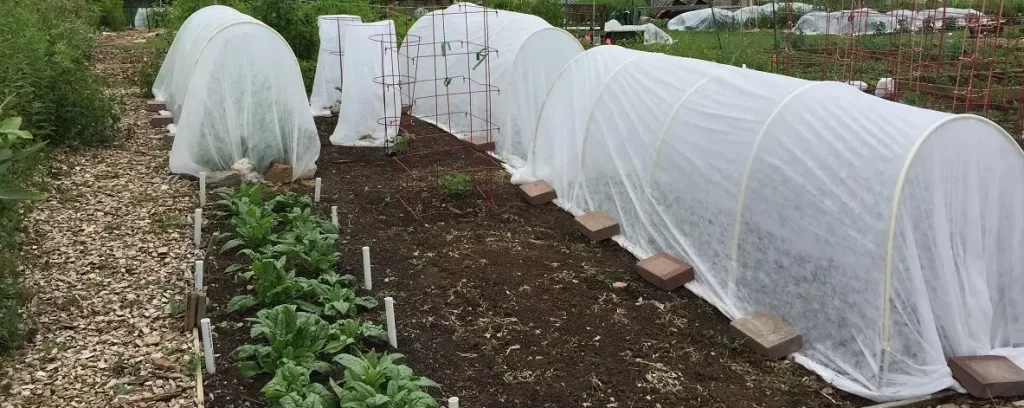
Lightweight, insect-proof row covers are your best friend. Floating row covers (made from spunbond polyester or similar materials) block adult flies from reaching plants. Use immediately upon planting or transplanting, and secure the edges with soil or stakes.
- Keep covered until after main egg-laying period (usually 3-4 weeks post-planting)
- Remove only to weed, water, or thin
Cabbage Collars
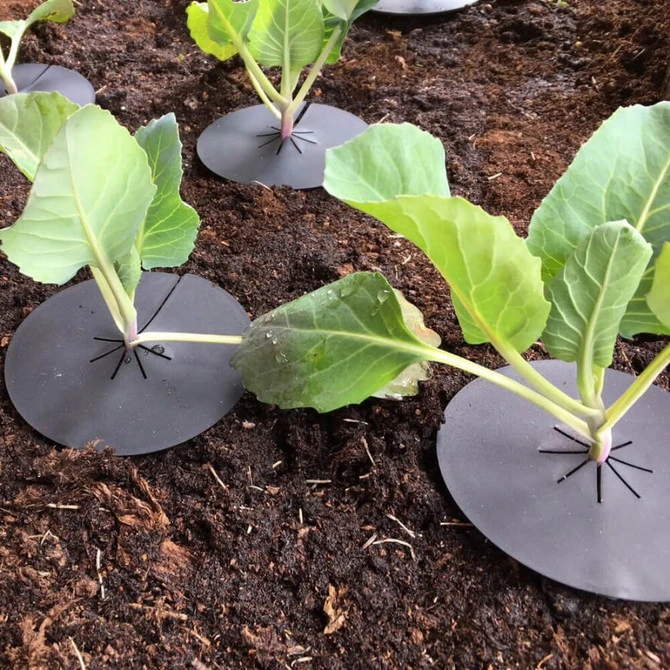
Simple and effective, these are discs of cardboard, tar paper, or even aluminum foil placed around the base of each plant. They prevent adult flies from laying eggs at the stem-soil interface.
- Cut a 4-inch circle with a slit to center over the stem.
- Press flat around the soil for a snug fit.
Other Barriers
- Mulching: Wood ash, sawdust, straw, or even shredded newspaper can deter some egg-laying, but results vary by climate and rainfall patterns.
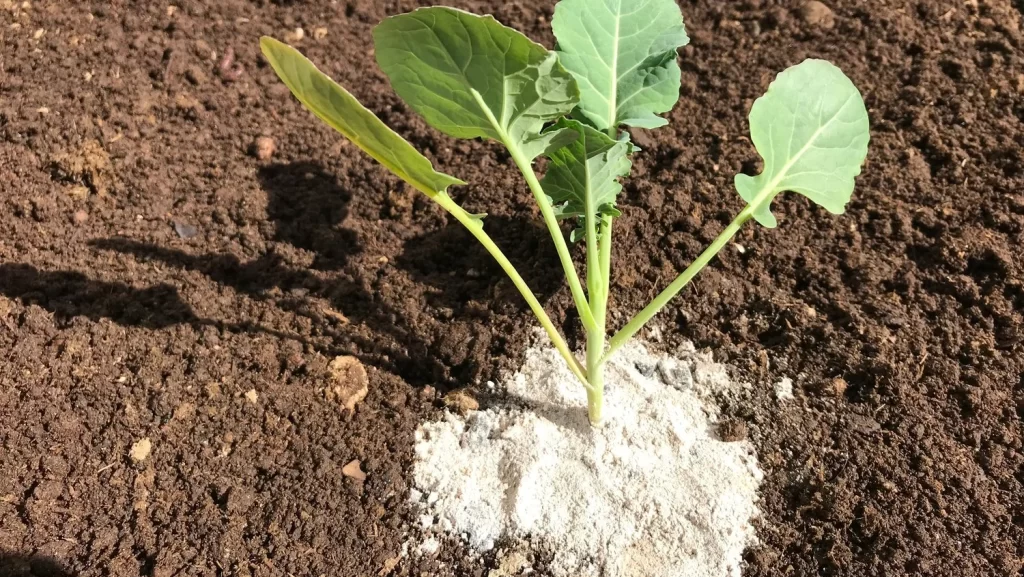
- Diatomaceous earth: A fine mineral powder that abrades soft-bodied insects. Sprinkle a ring around each plant’s base (reapply after heavy rain).
These tactics are highly effective when started early and maintained until danger season is past.
Organic & Biological Controls
For those who prefer sustainable, soil-friendly approaches, nature offers powerful allies.
Beneficial Nematodes
Certain microscopic roundworms, especially Steinernema feltiae, are fierce predators of soil-dwelling pests. When applied as a soil drench, these nematodes invade cabbage maggot larvae and kill them from within.
How to apply:
- Mix with water as instructed and drench soil at plant bases
- Best used when soil temperature is above 10°C
- Apply in the evening to maximize survival
Natural Predators
Encourage insects that prey on maggot larvae and pupae:
- Ground beetles
- Rove beetles
- Parasitic wasps (Trybliographa rapae)
Promote a diverse, pesticide-free garden with plenty of mulch, ground cover, and small flowering plants to attract and sustain these allies.
Organic Deterrents & Home Remedies
- Wood ash or lime: Sprinkle around plant stems. Creates an alkaline environment discouraging maggot survival.
- Diatomaceous earth: A trusted soil amendment for maggot control.
- Sacrificial plants: Plant a few extra radishes—maggots often prefer these. Remove and destroy sacrificial plants once infested. This draws down the local population and spares your main crops.
None of these methods are foolproof alone, but integrated together, they become a formidable line of defense.
Cabbage Maggot [fact sheet] –
When and How to Use Chemical Controls
Resort to chemical intervention only after cultural, physical, and organic tactics have failed—and only if allowed in your region.
Registered Insecticides
Some synthetic chemicals (check local regulations before use):
- Diazinon: Soil-applied, effective if used during planting. Strongly regulated in many regions.
- Cyantraniliprole, Chlorantraniliprole: Newer chemistries with soil application approval in certain countries.
Application Techniques
- Always target the soil around the root zone—not the leaves or stems.
- Apply as a transplant drench or in-furrow spray at planting or immediately after. Reactive spraying after maggots enter roots is largely ineffective.
- Strictly follow all label instructions for rates, frequency, and pre-harvest intervals.
Caveats and Cautions
- Chemical resistance: Overuse fosters resistant pest populations.
- Beneficial insects: Many soil insecticides kill ground beetles, earthworms, and even beneficial nematodes.
- Residue risks: Some chemicals persist in plants and soil—always check for maximum residue limits (MRLs) in your region, especially if growing food for sale.
If in doubt, consult with your local extension office or a professional agronomist before applying any pesticide. Remember: chemical controls are not a substitute for prevention and good garden hygiene
Monitoring & Ongoing Management
Victory over cabbage maggots is a long game, not a sprint.
Regular Inspections
- Check plants weekly, especially during early spring.
- At first sign of wilting, carefully uproot affected seedlings; examine roots for maggot tunneling.
Remove and Destroy Infected Plants
- Don’t compost infested roots—they often contain live maggots or pupae.
- Burn, trash, or dispose well away from the garden to prevent population build-up.
Rotate and Rest
- Follow a strict 2-3 year rotation with non-Brassica crops.
- In beds with severe infestations, consider ‘fallowing’ (planting a non-susceptible cover crop) for a year.
Clean-Up and Plan Ahead
- Meticulously remove roots at harvest; even tiny fragments can harbor overwintering pupae.
- Plan next year’s Brassica bed well away (preferably across the garden) from this year’s site.
Cabbage maggots are tough, but with knowledge and consistent effort, they are beatable. The most effective strategy is a combination approach: crop rotation, garden sanitation, early monitoring, physical exclusion, and thoughtful use of organic—and as a last resort, chemical—controls.
A few golden rules:
- Never rely on a single control method for more than one season.
- Healthy soil, diverse gardens, and careful scheduling reduce the risks dramatically.
- If all else fails, call in help or temporarily skip Brassicas to “starve out” problem populations.
Your garden is a living system; play the long game and tilled rows of healthy, maggot-free cabbages can be yours again.