Table of Contents
If you’re staring at your leafy greens and wondering who turned them into Swiss cheese overnight—meet your uninvited garden guests: cabbage worms. These little green menaces are every gardener’s nightmare, especially if you grow brassicas like cabbage, kale, broccoli, and cauliflower.
But don’t worry—you don’t need to surrender your garden just yet. Whether you’re a seasoned gardener or a complete beginner, this comprehensive guide will help you understand what cabbage worms are, how to spot them, and most importantly, how to get rid of cabbage worms fast using effective and environmentally safe methods.
What Are Cabbage Worms?
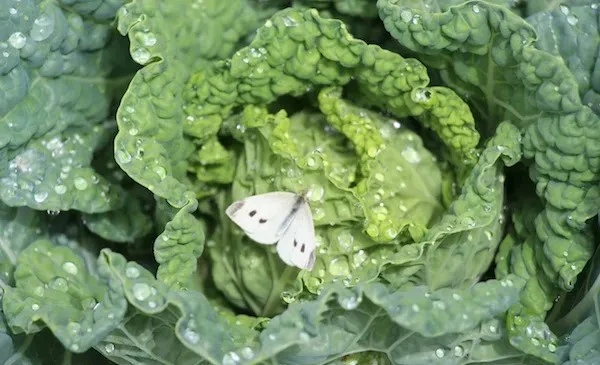
Cabbage worms are the larvae of the small white butterfly, known scientifically as Pieris rapae. These butterflies are harmless on their own, often seen fluttering gracefully through vegetable gardens. But once they lay their eggs, your cabbage patch can become a feeding ground for hungry caterpillars.
While most people use the blanket term “cabbage worm,” there are actually a few culprits that fall into this category:
- Imported Cabbageworm (Pieris rapae larvae): Velvety green with a faint yellow stripe down its back.
- Cabbage Looper (Trichoplusia ni): Inch-worm like movement, pale green, and lacks legs in the middle of its body.
- Diamondback Moth Larvae (Plutella xylostella): Small, tapered caterpillars that wiggle when touched.
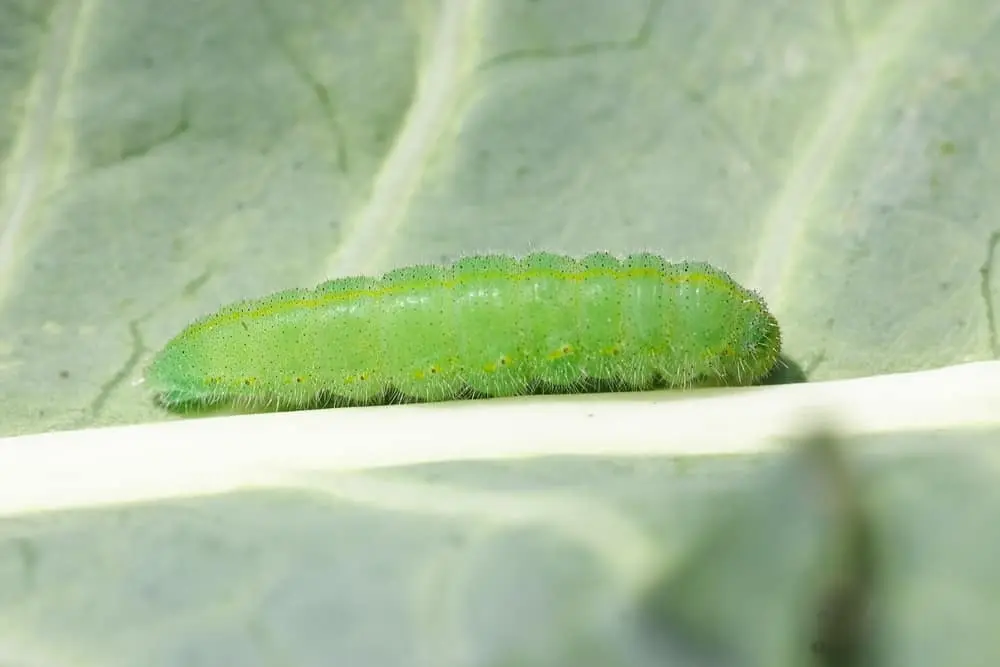
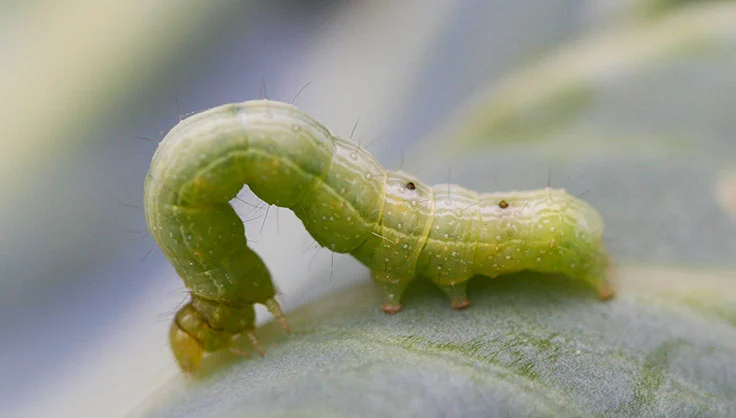

Each of these pests targets members of the brassica family, including cabbage, kale, Brussels sprouts, bok choy, and mustard greens. They chew through leaves, bore into heads of cabbage, and cause significant damage if left unchecked.
Signs of a Cabbage Worm Infestation
Cabbage worms can be sneaky, especially in the early stages. But with a little vigilance, you can spot them before they do major damage. Here are some common warning signs of a cabbage worm problem:
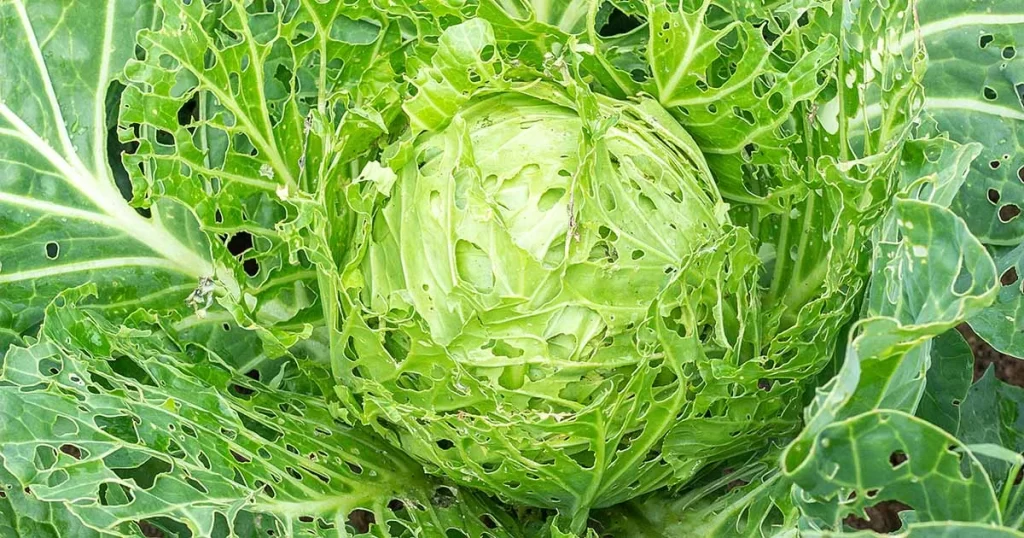
- Ragged Holes in Leaves: These pests feed voraciously on tender green leaves, leaving behind irregular holes. Unlike slug damage (which usually appears slimy), cabbage worm feeding sites appear dry and chewed.
- Green Frass (Caterpillar Droppings): Look closely around the base of your plants or on the leaves themselves. Those small, green, pellet-like droppings are a sure sign of caterpillar presence.
- Sightings of Green Caterpillars: When inspecting your plants, check both the top and bottom of the leaves. Cabbage worms blend in perfectly with foliage, making them tough to spot. A keen eye is needed to identify the wriggling pests.
- White Butterflies Hovering: If you frequently see white butterflies fluttering over your garden during the day, chances are they’re laying eggs. One butterfly can lay hundreds of eggs in a season.
- Stunted Growth and Head Damage: In severe infestations, plants can become stunted, with destroyed centers and cabbage heads full of tunnels or rot.


Cabbage Worm Control: 7 Fast & Effective Methods
When dealing with a cabbage worm invasion, time is of the essence. The longer you wait, the more damage they’ll cause. Below are the most effective cabbage worm control methods, combining organic, manual, and preventive strategies.
✅ 1. Handpicking — Simple But Powerful
It may sound old-fashioned, but handpicking cabbage worms is one of the most effective ways to manage small infestations—especially in home gardens.
Head out in the morning or evening when caterpillars are most active. Inspect both sides of the leaves, especially near the veins. Remove any visible worms and drop them into a bucket of soapy water.
Pro Tip: Wear gardening gloves to make the task easier and less messy.

This method is time-consuming but works well when paired with other treatments.
✅ 2. Bacillus thuringiensis (Bt)
For an organic and targeted treatment, Bacillus thuringiensis var. kurstaki (Bt-k) is a game-changer. Bt is a naturally occurring bacterium that specifically targets caterpillars without harming beneficial insects, pets, or people.
When sprayed onto foliage, the cabbage worms ingest the bacteria, which disrupts their digestive systems and kills them within a few days.
Application Tips:
- Apply in the early morning or late evening to avoid sunlight degradation.
- Reapply after rain or heavy watering.
- Focus on the undersides of leaves where caterpillars feed and rest.

Bt is most effective on younger larvae, so start spraying at the first sign of damage.
✅ 3. Neem Oil Spray
Neem oil is another fantastic organic option. It works as both a repellent and growth inhibitor, affecting the hormonal system of cabbage worms and discouraging feeding.
You can purchase neem oil from any garden center or make your own DIY spray by mixing:
- 2 teaspoons of cold-pressed neem oil
- 1 teaspoon of mild liquid soap
- 1 quart of water

Shake well and spray all parts of the plant every 7 days, especially after rain.
✅ 4. Floating Row Covers
If you’re planting brassicas from seed or transplanting young starts, floating row covers are a fantastic first line of defense. These lightweight fabrics let sunlight and water through but block butterflies from laying eggs on your plants.
How to Use:
- Drape row covers over young plants immediately after planting.
- Secure edges with soil or garden staples to prevent gaps.
- Remove during flowering if pollination is needed.
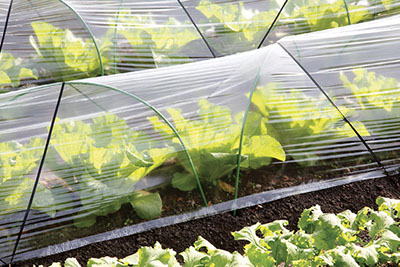
Using row covers early in the season can prevent infestations before they start.
✅ 5. Encourage Natural Predators
Nature has its own pest control agents—and attracting beneficial insects and birds to your garden can help keep cabbage worm populations under control.
Predators to Encourage:
- Parasitic wasps: Lay their eggs inside cabbage worm larvae.
- Ladybugs and lacewings: Feed on eggs and small caterpillars.
- Chickadees and wrens: Love to feast on soft-bodied insects.
How to Attract Them:
- Plant nectar-rich flowers like yarrow, dill, and alyssum.
- Avoid broad-spectrum insecticides that kill beneficial bugs.
- Provide a birdbath or feeder to attract feathered friends.
✅ 6. Diatomaceous Earth
Diatomaceous earth (DE) is a fine, powdery substance made from fossilized algae. While safe for humans and pets, it’s deadly to soft-bodied insects like cabbage worms. The sharp silica particles pierce their exoskeletons, causing dehydration and death.
Sprinkle DE on the leaves and soil around your plants—especially on the undersides. Be sure to reapply after rain or heavy dew.
Important: Use food-grade DE and wear a mask during application to avoid inhaling dust.
✅ 7. Crop Rotation & Companion Planting
Long-term cabbage worm control requires good garden practices like crop rotation and companion planting. Don’t plant brassicas in the same bed year after year. Rotate crops every season to confuse pests and reduce overwintering eggs or pupae in the soil.
Add herbs and flowers that naturally repel cabbage worms, such as:
- Thyme: Aromatic oils deter butterflies.
- Dill: Attracts parasitic wasps.
- Marigolds: Excellent for overall insect control.
- Mint and Sage: Distract or repel butterflies.
Best Products for Cabbage Worm Control
For gardeners who prefer ready-made solutions, here are some trusted commercial products that work effectively:
1. Safer Brand Caterpillar Killer (Bt-based)
Safe for organic gardening, fast-acting.
| Safer® Brand Caterpillar Killer Product Details | |
|---|---|
| Size | 16 fl oz |
| Makes | Up to 32 Gallons of solution |
| Active Ingredients | B.t. – bacillus thuringiensis var Kurstaki 98.35% |
| Eliminates | Caterpillars and worms |
| For Use On | Trees, shrubs and vegetables |
2. Captain Jack’s Deadbug Brew (Spinosad)
Another organic-approved solution that paralyzes caterpillars.
Captain Jack’s DeadBug Brew® Concentrate Product Label / Instructions
3. Bonide Neem Oil Ready-To-Use
3-in-1 action: fungicide, insecticide, and miticide.
4. Garden Safe Diatomaceous Earth
Ideal for barrier protection on leaves and soil.
Always follow label instructions for best results, and avoid spraying during peak pollinator hours.
How to Prevent Cabbage Worms in the Future
Once you’ve eliminated the current infestation, your next goal is to make sure it never happens again. Prevention is the real key to a healthy, pest-free garden.
- Garden Sanitation:
- Remove plant debris and weeds at the end of each growing season.
- Till the soil to expose and destroy overwintering pupae.
- Choose Resistant Varieties: Some brassica cultivars are less appealing to cabbage worms. Look for varieties labeled “pest-resistant” when purchasing seeds.
- Plant Timing: In some regions, planting earlier in spring or later in fall avoids peak butterfly laying season.
- Regular Monitoring: Make it a habit to check your plants every few days, especially during warm weather. Early detection = easier control.
Common Mistakes Gardeners Make (and How to Avoid Them)
Even experienced gardeners fall into these cabbage worm traps:
- Ignoring Early Damage: Minor leaf holes may seem harmless at first, but they can quickly escalate.
- Using Harsh Pesticides: Broad-spectrum insecticides can harm bees and beneficial insects.
- Overwatering: Wet leaves attract pests and promote fungal diseases.
- Neglecting Undersides of Leaves: That’s where most eggs and larvae hide!
Avoid these pitfalls, and you’ll have a much better shot at keeping your garden pest-free.
💬 Final Thoughts
Cabbage worms are tough—but you’re tougher. With consistent monitoring, the right organic or chemical tools, and some preventive garden wisdom, you can protect your leafy crops from total destruction. Don’t wait until the damage is done. Act early, stay proactive, and you’ll be enjoying healthy, homegrown brassicas without a single nibble taken by these greedy green invaders.
FAQs
What kills cabbage worms instantly?
Bt spray is one of the fastest ways to kill cabbage worms organically. Spinosad-based products also provide fast knockdown.
Are cabbage worms harmful to humans?
No, cabbage worms are not toxic or harmful to humans, but eating veggies with worms inside is definitely unappetizing!
Can I eat cabbage that had cabbage worms?
Yes, as long as the damaged areas are removed and the vegetable is thoroughly washed and cooked.
What time of day are cabbage worms active?
Cabbage worms are most active during the early morning and late afternoon, especially when temperatures are mild.
What does cabbage worm turn into?
Cabbage worms turn into small white butterflies known as cabbage white butterflies (Pieris rapae).